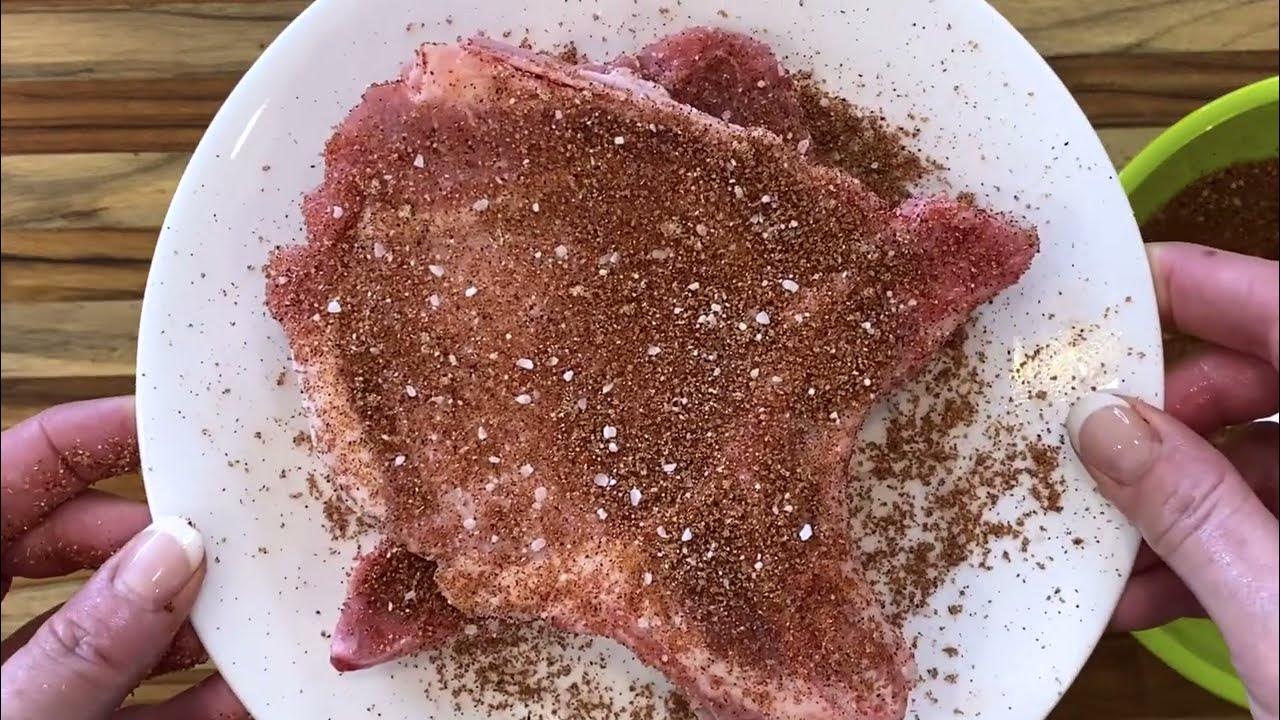
Pork Rub Recipe: Cooking pork is an art, and the secret ingredient that makes pork truly shine is a well-balanced rub. Whether you’re preparing ribs, pork chops, tenderloin, or pulled pork, the right mix of spices can take your dish from ordinary to extraordinary.
This guide will walk you through everything you need to know about making a pork rub—from the essential ingredients to step-by-step instructions and expert tips.
By the end, you’ll not only have a delicious recipe but also the confidence to create your own variations.
Introduction to Pork Rubs
Pork rubs are essentially spice blends applied to pork before cooking to enhance flavor, tenderness, and overall appeal. Think of a rub as a flavor coat—it adds layers of taste that seep into the meat during cooking. Unlike sauces that are applied after the meat is cooked, rubs work their magic before and during the cooking process.
Why a Good Rub Matters for Pork
A high-quality rub doesn’t just season pork—it transforms it. Pork has a naturally mild flavor compared to beef or lamb, which means it can carry and highlight spices exceptionally well. A good rub balances sweetness, saltiness, spiciness, and smokiness, ensuring every bite is packed with flavor. For example, brown sugar caramelizes beautifully on ribs, creating that iconic BBQ crust, while paprika adds color and smokiness. Without a rub, pork can taste bland, but with the right mix, it becomes irresistible.
The Difference Between Dry Rubs and Marinades
Both rubs and marinades have their place in cooking, but they serve different purposes.
- Dry Rubs are blends of spices, herbs, sugar, and salt rubbed directly onto the surface of the meat. They form a crust when cooked, sealing in juices and creating deep flavors.
- Marinades are liquid-based mixtures, usually containing oil, acid (like vinegar or citrus juice), and spices. They penetrate deeper into the meat but don’t create the same crust as rubs.
In simple terms, use a rub when you want a bold, flavorful bark (perfect for BBQ), and use a marinade when you want the meat tenderized and flavored from within.
Essential Ingredients for a Pork Rub
Every great pork rub starts with a balance of sweet, savory, spicy, and aromatic elements. While you can experiment endlessly, there are a few staple ingredients most rubs have in common.
Spices and Herbs You’ll Need
- Paprika – Adds color and a mild smoky flavor.
- Garlic powder & onion powder – Boost savory depth.
- Cumin – Provides earthy, warm undertones.
- Chili powder – Brings mild heat and smokiness.
- Black pepper – Adds sharpness and balance.
- Dried thyme or oregano – Herbal notes that complement pork.
Sweet vs. Savory Elements
The sweet component is what sets pork rubs apart from those used on beef or chicken. Pork pairs beautifully with sugars, which caramelize during cooking.
- Brown sugar is the most common choice because it melts easily and creates a caramelized crust.
- White sugar works too but can burn faster.
- Honey powder or maple sugar can be used for gourmet touches.
Savory elements—like salt, garlic, and onion—provide balance, preventing the rub from tasting like candy.
Balancing Flavors for the Perfect Pork Rub
A good pork rub should hit four key notes:
- Sweetness – usually from sugar.
- Saltiness – enhances natural pork flavor.
- Spiciness – from black pepper, cayenne, or chili powder.
- Smokiness – often achieved with smoked paprika or chipotle.
The balance is crucial: too much sugar, and the meat tastes cloying; too much salt, and it’s overwhelming. A general guideline is to use 2 parts sugar, 2 parts salt, 1 part heat, and 1 part aromatics.
Tools and Equipment You’ll Need
Before mixing your pork rub, gather a few simple kitchen tools. You don’t need anything fancy, but the right equipment ensures consistency and freshness.
Mixing Bowls and Measuring Tools
- Measuring spoons & cups – Precision matters when balancing flavors.
- Mixing bowls – Use glass or stainless steel to prevent staining.
- Whisk or fork – Helps break up clumps of sugar or spices.
Storage Containers for Rubs
A good rub can last for months if stored properly.
- Airtight containers – Mason jars or spice jars with lids work best.
- Labeling – Always note the date and ingredients for future reference.
- Cool, dark storage – Keep your rub in a pantry, away from heat and sunlight, to preserve freshness.
Pro tip: If you make rubs often, consider investing in spice jars with shaker tops for easy application.
Step-by-Step Pork Rub Recipe
Now that you know the ingredients and tools, let’s get into the fun part—the actual recipe.
Step 1 – Measure Out Your Ingredients
Start with this basic blend (enough for about 2–3 pounds of pork):
- ¼ cup brown sugar
- 2 tbsp paprika (smoked if possible)
- 1 tbsp garlic powder
- 1 tbsp onion powder
- 1 tbsp ground cumin
- 1 tbsp chili powder
- 1 tsp cayenne pepper (optional for heat)
- 1 tsp black pepper
- 1 tbsp salt
This is a balanced recipe—sweet, smoky, savory, and with a hint of spice.
Step 2 – Combine and Mix Thoroughly
Pour all ingredients into a mixing bowl. Use a whisk or fork to combine until evenly blended. Break up any lumps, especially in the brown sugar. A uniform rub ensures consistent flavor across the meat.
Step 3 – Preparing Your Pork for the Rub
Pat your pork dry with paper towels. Excess moisture prevents the rub from sticking. If you want, lightly coat the pork with olive oil or mustard—this acts as a binder for the rub and enhances crust formation.
Step 4 – Applying the Rub Evenly
Sprinkle the rub generously over the pork. Don’t just dust the surface—massage it into the meat with your hands. Make sure to cover all sides, even the edges. For ribs, get into every nook and cranny between the bones.
Step 5 – Resting Time Before Cooking
After applying, let the pork rest:
- Quick cook (grill, pan, roast): 30 minutes at room temperature.
- Slow cook (smoked or oven-baked): 2–12 hours in the refrigerator.
The longer the rub sits, the deeper the flavors penetrate. Cover the pork with plastic wrap if refrigerating overnight.
Tips for the Best Pork Rub
Even the best recipe can fall short if not applied correctly. Here are some insider tricks to ensure your pork rub works to perfection.
How Long Should You Let Pork Sit with Rub?
Time makes all the difference. If you’re short on time, 30 minutes is enough for a rub to add surface flavor. But if you really want depth, let the pork sit with the rub for at least 2–4 hours. For larger cuts like pork shoulder or ribs, overnight refrigeration works wonders. The salt and spices slowly penetrate the meat, creating a flavorful crust while seasoning the inside. Just be sure to cover the meat to prevent it from drying out.
Think of it like marinating—it’s not just about the surface, but about how much the flavors can seep in. For a competition-style BBQ, some pitmasters let their pork rest with rubs for up to 24 hours.
Common Mistakes to Avoid
- Using too much salt – Remember, salt draws out moisture. Too much can make pork dry.
- Skipping the binder – While optional, a light coating of oil or mustard helps the rub stick better.
- Cooking immediately – Don’t slap the pork on the grill right after rubbing; let it sit so the flavors meld.
- Not adjusting for cut – A tenderloin doesn’t need as heavy a rub as ribs. Use a lighter hand for delicate cuts.
Avoiding these mistakes ensures your pork isn’t just seasoned, but perfectly balanced and juicy.
Cooking Methods That Work Best with Pork Rubs
The way you cook pork has a huge impact on how your rub performs. Some methods highlight the crust, while others allow the flavors to seep deeply.
Grilling
Grilling is the classic method for pork rubs. The high heat caramelizes the sugars, creating a smoky, charred crust. For pork chops or tenderloin, direct grilling works great. For ribs or shoulder, use indirect heat so the rub forms a flavorful bark without burning.
Smoking
Smoking is where pork rubs truly shine. Slow, low heat allows the rub to create a bark while absorbing wood smoke. The result? Fall-off-the-bone tenderness with complex flavor layers. Smoking at 225–250°F is ideal, and depending on the cut, it can take several hours. The rub not only seasons the pork but also locks in juices during this long cook.
Roasting
Oven roasting is a great indoor alternative. With the right rub, roasting gives pork a golden-brown crust and juicy interior. The oven’s dry heat mimics the effects of grilling, though without smoke. For large cuts, roast at a low temperature first to ensure tenderness, then finish with high heat to crisp the rub.
No matter which method you choose, the key is to avoid burning the rub—especially if it contains sugar. Keep an eye on the heat!
Storing and Reusing Pork Rubs
The beauty of homemade rubs is that you can make them in bulk and use them whenever needed.
Shelf Life of Homemade Rubs
Most pork rubs last up to 6 months when stored properly. The main concern is spice freshness. Over time, spices lose their potency, so your rub won’t be as flavorful. Ground spices fade faster than whole ones, so always check the aroma—if it smells dull, it won’t add much flavor.
How to Keep Flavors Fresh
- Store in an airtight jar or container.
- Keep away from light, heat, and moisture.
- Label with the date of preparation.
If you often cook outdoors, avoid bringing your main jar to the grill. Instead, pour some into a small container so your main stash stays uncontaminated and dry.
Pro tip: To revive an older rub, you can refresh it by adding a pinch of freshly ground pepper or paprika before using.
Variations of Pork Rubs
Once you master the base recipe, you can create endless variations to suit different dishes and occasions.
Sweet and Spicy Pork Rub
- Brown sugar (¼ cup)
- Paprika (2 tbsp)
- Cayenne pepper (1 tsp)
- Black pepper (1 tsp)
- Salt (1 tbsp)
This version is great for ribs and pulled pork. The sugar balances the spice, giving a sweet heat kick.
Smoky BBQ Pork Rub
- Smoked paprika (3 tbsp)
- Brown sugar (¼ cup)
- Chili powder (1 tbsp)
- Cumin (1 tbsp)
- Garlic powder (1 tbsp)
- Salt (1 tbsp)
Perfect for smoking pork shoulder or ribs, this rub enhances that traditional barbecue flavor.
Herb-Infused Pork Rub
- Dried rosemary (1 tbsp)
- Thyme (1 tbsp)
- Garlic powder (2 tbsp)
- Paprika (1 tbsp)
- Salt & pepper (to taste)
This rub is ideal for oven-roasted pork loin or chops, giving a more refined, herby flavor profile.
Experiment with these variations to discover your personal favorite—after all, cooking is about making it your own.
Pork Rub Recipe Table
Here’s a quick-reference table for a balanced pork rub recipe:
| Ingredient | Amount | Flavor Role |
|---|---|---|
| Brown Sugar | ¼ cup | Sweetness, caramelization |
| Paprika | 2 tbsp | Color, mild smokiness |
| Garlic Powder | 1 tbsp | Savory depth |
| Onion Powder | 1 tbsp | Sweet-savory balance |
| Cumin | 1 tbsp | Earthy warmth |
| Chili Powder | 1 tbsp | Heat & smokiness |
| Cayenne Pepper | 1 tsp | Spicy kick (optional) |
| Black Pepper | 1 tsp | Sharpness |
| Salt | 1 tbsp | Enhances overall flavor |
This base can be scaled up or down depending on the cut and size of pork you’re preparing.
FAQs about Pork Rub Recipe
1. What is the best sugar for a pork rub?
Brown sugar is the most popular because it adds sweetness and caramelizes beautifully during cooking. For a more unique twist, you can use turbinado sugar (raw sugar) or even maple sugar for extra depth. Just avoid overly refined white sugar, which can burn more easily.
2. Can I use pork rub on chicken or beef?
Absolutely! While pork rubs are designed with pork’s natural flavors in mind, they can work wonderfully on chicken and beef too. For chicken, reduce the sugar slightly to avoid burning, and for beef, add more savory elements like black pepper, coriander, or mustard powder.
3. Do I need to add oil when applying a rub?
Oil isn’t required, but it helps. A light coat of olive oil or even yellow mustard acts as a binder, ensuring the rub sticks evenly and forms a better crust. It doesn’t alter the flavor much but improves texture.
4. Should I refrigerate pork after applying rub?
Yes, if you’re letting the rub sit for more than 30 minutes, refrigeration is essential to keep the meat safe. For best results, cover the pork with plastic wrap and refrigerate for 2–12 hours. Bring it to room temperature before cooking to ensure even cooking.
5. Can I make pork rub in bulk?
Definitely! In fact, making rubs in bulk is a great time-saver. Store them in airtight jars for up to 6 months in a cool, dry place. Just make sure to shake the jar before using, as spices may settle over time.
Conclusion
What’s even better is how versatile rubs can be. With just a few pantry staples, you can craft a rub that matches your cooking style—sweet and sticky for ribs, smoky for barbecue, or herby for a roasted pork loin. And since rubs can be stored for months, you’ll always have a jar of homemade flavor ready for your next meal.
Remember, the secret to success isn’t just in the recipe—it’s in the method. Let the rub rest, choose the right cooking technique, and give the meat time to develop that irresistible crust. Once you’ve mastered the basics, experiment with variations to create your own signature blend.
Cooking pork is all about creating memories around the table, and with this step-by-step pork rub guide, you’re well on your way to becoming the pitmaster of your kitchen.