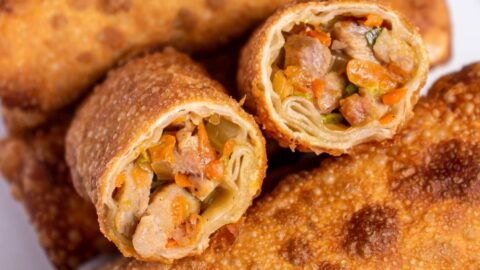
Pork Egg Roll Recipe: If you’ve ever walked into a Chinese restaurant and ordered an appetizer, chances are you’ve seen crispy golden egg rolls on the menu. They’re crunchy, savory, and packed with flavor inside a thin wrapper that shatters with every bite. Among the many variations of egg rolls, pork egg rolls stand out as a classic favorite. The combination of juicy ground pork, crunchy cabbage, and a touch of garlic and ginger makes them irresistible.
Think of it this way—restaurant egg rolls are like a quick snack, but homemade egg rolls are a labor of love. Once you make them yourself, you’ll realize how much better they taste. And don’t worry—it’s not as complicated as it sounds. With the right ingredients, a little prep work, and this step-by-step guide, you’ll master pork egg rolls in no time.
So, grab your apron, clear some space on the counter, and let’s dive into the delicious world of pork egg rolls. By the end of this guide, you’ll have everything you need to create crispy, golden egg rolls that rival your favorite takeout spot.
Ingredients You’ll Need
The beauty of pork egg rolls lies in their simple yet flavorful ingredients. Each element plays a role in creating that perfect bite—savory, crunchy, and satisfying. Here’s a detailed breakdown of everything you’ll need:
Main Ingredients
- Ground pork (1 pound): The star of the recipe. Pork provides richness and flavor that makes the filling hearty.
- Egg roll wrappers (1 package, about 20 wrappers): These are the thin sheets of dough you’ll use to wrap the filling. You can usually find them in the refrigerated section of Asian or major grocery stores.
- Cabbage (2 cups, shredded): Adds crunch and freshness. You can use green cabbage, Napa cabbage, or even coleslaw mix for convenience.
- Carrots (1 cup, shredded): Sweetness and color balance the savory pork.
- Green onions (4–5 stalks, chopped): A mild onion flavor that enhances the filling.
Seasonings & Sauces
- Soy sauce (2–3 tablespoons): Adds umami and saltiness.
- Sesame oil (1 teaspoon): For that nutty, toasty aroma.
- Garlic (3 cloves, minced): Essential for depth of flavor.
- Ginger (1 tablespoon, freshly grated): Adds a zesty, slightly spicy kick.
- Salt & black pepper: To taste.
Optional Add-Ins
- Bean sprouts: For extra crunch.
- Mushrooms: Add earthiness.
- Shrimp or chicken: Can be mixed with pork or used as a substitute.
- Chili flakes or hot sauce: If you like a little heat.
For Frying
- Vegetable oil (about 4 cups): Use a neutral oil with a high smoke point like canola or peanut oil for deep-frying.
Having everything ready before you start cooking is key. This is called “mise en place” in culinary terms, which simply means everything in its place. Once you start cooking, things move quickly, so it’s best to chop, measure, and prepare everything ahead of time.
Kitchen Tools and Equipment
To make pork egg rolls successfully, you’ll need a few essential tools. Don’t worry—you won’t need a professional kitchen setup, just some basic cookware and utensils you probably already have at home.
Basic Tools Required
- Large skillet or wok: For cooking the pork and vegetables. A wok is ideal because of its high sides and even heat distribution, but a deep skillet works just fine.
- Mixing bowls: To combine the filling ingredients.
- Wooden spoon or spatula: For stirring and breaking up the pork.
- Cutting board & sharp knife: Essential for chopping veggies.
For Frying
- Deep frying pan or Dutch oven: If you’re deep frying, you’ll need a heavy-bottomed pot to maintain steady heat.
- Tongs or slotted spoon: To safely remove egg rolls from hot oil.
- Wire rack or paper towels: For draining excess oil after frying.
- Thermometer (optional): Helps ensure your oil is at the right temperature (around 350–375°F).
Alternative Cooking Methods
- Oven baking: Use a baking sheet lined with parchment paper. Brush or spray the egg rolls lightly with oil before baking.
- Air fryer: A healthier option that still gives you crispy results.
The right tools make cooking smoother and safer. If you’ve ever tried frying without a thermometer, you know the struggle—egg rolls can end up too greasy if the oil isn’t hot enough or burnt if it’s too hot. Having the right setup saves time and frustration, ensuring your pork egg rolls turn out perfect every time.
Preparing the Filling
This is where the magic begins. The filling is the heart of your pork egg rolls, and getting it right makes all the difference. A well-balanced filling should be savory, slightly sweet, and packed with textures that keep every bite exciting.
Step 1: Cooking the Pork
Start by heating a little oil in your skillet or wok over medium-high heat. Add the ground pork and break it apart with a spatula. Cook until it’s no longer pink, making sure it browns slightly for extra flavor. Browning develops a deeper, richer taste compared to just cooking until done. Drain any excess fat if needed.
Step 2: Adding Vegetables
Next, toss in your shredded cabbage, carrots, and chopped green onions. Stir-fry them with the pork for about 3–5 minutes, just until they soften but still keep some crunch. You don’t want mushy vegetables—that crispness is what makes egg rolls so good.
Step 3: Seasoning the Filling
Now it’s time to build flavor. Add soy sauce, sesame oil, garlic, and ginger. Stir everything together so the seasonings coat the filling evenly. Taste and adjust with a pinch of salt and black pepper.
Tips for Balancing Flavors
- If it tastes too salty, add a little more cabbage or carrots.
- If it’s bland, add more soy sauce or a splash of oyster sauce.
- For extra brightness, a squeeze of lime juice works wonders.
Once your filling is cooked and seasoned, let it cool slightly before wrapping. A hot filling can make the wrappers soggy, which makes them harder to roll. Spread the mixture out on a tray or plate to cool faster if you’re in a hurry.
Assembling the Egg Rolls
Now comes the fun part—rolling your egg rolls. At first, it might feel tricky, but once you get the hang of it, you’ll be wrapping like a pro.
Step 1: Lay Out the Wrapper
Place an egg roll wrapper on a clean, flat surface with one corner pointing toward you (like a diamond shape).
Step 2: Add the Filling
Spoon about 2–3 tablespoons of filling onto the lower third of the wrapper. Don’t overfill, or it will be hard to seal.
Step 3: Roll and Fold
- Fold the bottom corner up over the filling.
- Fold the left and right corners inward, like an envelope.
- Roll tightly toward the top corner.
Step 4: Seal the Roll
Brush a little water or a beaten egg on the final corner to seal the egg roll shut. Make sure it’s tightly sealed so it doesn’t open while frying.
Common Mistakes to Avoid
- Overstuffing: This makes the wrappers tear.
- Loose rolling: If it’s too loose, oil will seep in, and they won’t be crispy.
- Not sealing properly: This can cause the filling to leak out into the oil.
Rolling egg rolls is kind of like wrapping a burrito or folding a little package. After a few tries, you’ll find your rhythm, and each roll will come out tighter and more uniform. Once assembled, keep them covered with a damp towel so they don’t dry out before frying.
Frying the Egg Rolls
The moment of truth—frying your egg rolls until golden and crispy. This step transforms your carefully prepared filling and wrappers into that irresistible snack we all crave. The sizzling sound when the rolls hit the hot oil, followed by the aroma of garlic, pork, and sesame, is enough to make anyone’s mouth water.
Step 1: Heat the Oil
Fill a deep skillet, wok, or Dutch oven with about 2–3 inches of vegetable oil. Heat it over medium-high until it reaches 350–375°F (175–190°C). If you don’t have a thermometer, drop a small piece of wrapper into the oil—if it bubbles immediately and rises to the top, the oil is ready.
Step 2: Fry in Batches
Carefully slide 3–4 egg rolls into the hot oil. Don’t overcrowd the pan, or the oil temperature will drop, and your rolls will end up greasy. Fry them for about 3–4 minutes, turning occasionally, until they’re golden brown and crispy on all sides.
Step 3: Drain Excess Oil
Remove the egg rolls with tongs or a slotted spoon and place them on a wire rack or paper towels to drain. This keeps them crisp instead of soggy.
Tips for Perfect Frying
- Keep the oil hot but not smoking.
- Always fry in batches.
- Let the egg rolls rest a minute before serving—they’ll firm up as they cool slightly.
There’s nothing quite like biting into a freshly fried pork egg roll. The outer shell shatters, revealing a juicy, flavorful filling inside. It’s that contrast—crispy on the outside, tender inside—that makes frying the most popular cooking method for egg rolls.
Baking the Egg Rolls
If you want a healthier option without losing too much of that crispy crunch, baking is the way to go. Baked pork egg rolls may not be quite as golden as deep-fried ones, but they’re still delicious and much lighter.
Step 1: Preheat the Oven
Preheat your oven to 400°F (200°C). Line a baking sheet with parchment paper or lightly grease it with oil.
Step 2: Prepare the Rolls
Place your assembled egg rolls on the baking sheet. Brush each one with a light coat of oil or spray with cooking spray. This helps them crisp up in the oven.
Step 3: Bake Until Golden
Bake for 20–25 minutes, flipping halfway through, until they’re golden brown and crisp.
Why Bake Instead of Fry?
- Less oil means fewer calories.
- Easier cleanup—no oil splatters.
- Great option for big batches.
Sure, they’re a bit different from traditional fried egg rolls, but baked egg rolls are still crunchy and satisfying. They make an excellent choice for parties, family dinners, or anyone trying to cut back on fried foods without giving up flavor.
Air Fryer Method
The air fryer is a game changer for making crispy egg rolls without all the oil. It combines the best of both worlds—crispy like frying but light and easy like baking.
Step 1: Preheat the Air Fryer
Set your air fryer to 375°F (190°C). Preheating ensures even cooking.
Step 2: Arrange the Rolls
Spray the egg rolls lightly with oil. Place them in a single layer in the air fryer basket, leaving space between each roll so air can circulate.
Step 3: Air Fry Until Crisp
Cook for 10–12 minutes, flipping halfway through, until the rolls are golden brown and crunchy.
Benefits of the Air Fryer Method
- Uses very little oil.
- Quicker than baking.
- Crispy results almost like deep frying.
Air-fried egg rolls are perfect for weeknight dinners or snacks because they’re fast, healthier, and just as tasty. Once you try them this way, you might not go back to frying unless you’re making a special batch.
Serving Suggestions
Pork egg rolls are fantastic on their own, but pairing them with the right sauces and side dishes elevates the experience. Serving is where you can get creative and tailor the meal to your taste.
Dipping Sauces
- Sweet and sour sauce: Classic, tangy, and slightly sweet.
- Soy sauce or tamari: Simple and salty.
- Spicy mustard: For those who like heat.
- Hoisin sauce: Thick, sweet, and savory.
- Chili garlic sauce: Adds a kick of spice.
Side Dishes
- Fried rice: Complements the flavors perfectly.
- Lo mein or chow mein noodles: A hearty partner dish.
- Asian-style salads: Light and refreshing.
- Dumplings or potstickers: For a complete appetizer spread.
Creative Serving Ideas
- Serve smaller egg rolls as appetizers at parties.
- Pair with a dipping sauce flight for variety.
- Slice them diagonally and serve on a platter for a more elegant presentation.
Egg rolls aren’t just an appetizer—they can be part of a full meal or even the star of the table when served with enough sides. Their versatility makes them perfect for family dinners, potlucks, or game night snacks.
Storing and Reheating
Homemade egg rolls are so good that they often disappear quickly, but if you’ve made a big batch, storing and reheating them properly ensures they stay tasty.
Storing in the Refrigerator
- Allow egg rolls to cool completely.
- Place them in an airtight container lined with paper towels to absorb moisture.
- Store in the fridge for up to 3–4 days.
Freezing for Later
- Place uncooked or cooked egg rolls on a baking sheet in a single layer.
- Freeze until solid, then transfer to a freezer bag.
- Cooked egg rolls can be frozen for up to 2 months.
Reheating Methods
- Oven: Bake at 350°F (175°C) for 10–15 minutes.
- Air fryer: Reheat at 350°F for 5–6 minutes.
- Microwave (last resort): Heat for 1–2 minutes, but note they’ll lose crispiness.
The best way to reheat is the oven or air fryer, as they restore that crunch you love. Microwaving works in a pinch, but you’ll end up with soft egg rolls, which isn’t ideal.
Tips and Tricks for Perfect Egg Rolls
Making pork egg rolls might seem simple, but there are a few secrets that can take your rolls from “good” to “restaurant-quality.” If you’ve ever had egg rolls turn soggy, fall apart, or taste a little bland, these tips will help you avoid common mistakes.
Keep the Filling Dry
One of the biggest reasons egg rolls become soggy is excess moisture in the filling. After cooking the pork and vegetables, let them cool slightly and drain off any liquid. If you’re using ingredients like mushrooms or bean sprouts, cook them a bit longer to release water before wrapping.
Don’t Overfill
It’s tempting to pack as much filling as possible into each wrapper, but overfilling makes them hard to roll and more likely to burst while frying. Stick to about 2–3 tablespoons of filling per roll.
Seal Tightly
Use a bit of water or beaten egg on the final corner of the wrapper to make sure it sticks. Press firmly and roll tightly so oil doesn’t seep inside during cooking.
Maintain Oil Temperature
If the oil is too hot, the outside will burn before the inside cooks. If it’s too cool, the egg rolls will absorb oil and turn greasy. Keep your oil between 350–375°F for best results.
Batch Cooking for Freshness
If you’re making egg rolls for a party, consider preparing them ahead of time and frying in batches right before serving. This way, they’re hot, crispy, and fresh for your guests.
A little attention to detail goes a long way. Think of it like building a house—if the foundation (your filling and wrapping) isn’t solid, the final product won’t hold up. Master these tricks, and you’ll be rolling egg rolls like a pro in no time.
Popular Variations of Egg Rolls
While pork egg rolls are the classic, the beauty of this recipe is that it’s endlessly customizable. You can swap ingredients, experiment with flavors, and create new twists depending on what you’re craving.
Chicken Egg Rolls
Swap out the ground pork for ground chicken. It’s lighter but still flavorful, especially when seasoned with ginger and soy sauce.
Shrimp Egg Rolls
Chopped shrimp add a sweet, delicate flavor that pairs beautifully with cabbage and carrots. These are popular in coastal regions and seafood restaurants.
Vegetarian Egg Rolls
Skip the meat and load up on cabbage, carrots, bean sprouts, and mushrooms. You can also add tofu for protein.
Cheeseburger Egg Rolls
A fusion twist—ground beef, cheese, pickles, and onions wrapped in an egg roll. Dip them in ketchup or special sauce for a fun party appetizer.
Buffalo Chicken Egg Rolls
Shredded chicken tossed in buffalo sauce, mixed with cream cheese and celery, then fried until crispy. Perfect for game day.
Egg rolls are like a blank canvas—you can fill them with just about anything. The wrapper and frying method stay the same, but the fillings can be tailored to your taste. Whether you stick to traditional pork or branch out into creative fusions, egg rolls are always a crowd-pleaser.
Making Egg Rolls Ahead of Time
Sometimes you want egg rolls but don’t have time to make them from scratch on the spot. The good news is, you can absolutely prep ahead and enjoy them later.
Prepping the Filling
The filling can be cooked up to 2 days ahead. Just store it in an airtight container in the refrigerator until you’re ready to assemble.
Rolling Ahead of Time
You can roll the egg rolls a few hours before cooking. Place them on a tray, cover with a damp cloth or plastic wrap, and refrigerate until ready to fry or bake.
Freezing for Convenience
Uncooked egg rolls freeze beautifully. Arrange them on a baking sheet in a single layer, freeze until solid, then transfer to a freezer bag. They can be fried or baked straight from frozen—just add a couple of extra minutes to the cooking time.
Having prepped or frozen egg rolls on hand is like having a secret weapon in the freezer. Busy weeknight? Unexpected guests? No problem—just heat up your egg rolls and serve with a quick dipping sauce.
Common Mistakes and How to Avoid Them
Even the best cooks run into problems sometimes. Here are the most common issues with egg rolls and how to fix them.
Egg Rolls Splitting Open While Frying
This usually happens because of overfilling or not sealing properly. Stick to smaller amounts of filling and always seal tightly with water or egg wash.
Soggy Egg Rolls
Too much liquid in the filling or frying at too low a temperature causes sogginess. Make sure to drain excess moisture and keep oil hot enough.
Greasy Egg Rolls
Grease happens when oil isn’t hot enough. Always heat the oil to 350–375°F and avoid overcrowding the pan.
Wrappers Drying Out
If you leave wrappers exposed, they’ll dry out and crack. Keep them covered with a damp cloth while working.
Mistakes are part of the learning process. The first batch may not be perfect, but by paying attention to these little details, your next batch will be flawless.
Healthier Alternatives
Traditional egg rolls are fried, but there are plenty of ways to lighten them up without sacrificing too much flavor or crunch.
Use Leaner Meats
Swap pork for ground turkey or chicken to cut down on fat.
Bake or Air Fry
As covered earlier, baking and air frying are healthier than deep frying. You still get a nice crunch without the extra oil.
More Veggies, Less Meat
Balance the filling with more cabbage, carrots, mushrooms, or bean sprouts. This not only lowers calories but adds more fiber and nutrients.
Whole Wheat Wrappers
Some stores carry whole wheat or rice-based wrappers for a slightly healthier option.
Egg rolls don’t have to be guilty pleasures. With a few swaps, you can enjoy them more often without worrying too much about calories or fat.
Pairing Pork Egg Rolls with Drinks
Egg rolls are a versatile dish, and what you drink alongside them can enhance the entire experience. Whether you’re serving them as an appetizer, snack, or main course, the right beverage pairing brings out the best flavors.
Non-Alcoholic Options
- Green tea: Its earthy bitterness balances the richness of the fried rolls.
- Iced jasmine tea: Light and floral, refreshing between bites.
- Sparkling water with lime: Cuts through the oiliness and refreshes the palate.
- Ginger ale: Sweet and slightly spicy, it pairs beautifully with the ginger in the filling.
Alcoholic Options
- Beer: Light lagers or pilsners complement the crispiness without overpowering the dish.
- White wine: A dry Riesling or Sauvignon Blanc pairs well with the savory pork.
- Cocktails: Try a mojito, margarita, or even a whiskey sour to balance the richness with acidity.
Pairing drinks with egg rolls is like finding the right dipping sauce—it completes the experience. Choose something light and refreshing to balance the bold, savory flavors of pork egg rolls.
Cultural Significance of Egg Rolls
Egg rolls are more than just a tasty snack; they carry cultural weight and history. While they’re often associated with Chinese cuisine, the egg roll as we know it is actually an American creation inspired by Chinese spring rolls.
Chinese Roots
Traditional spring rolls, made with thinner wrappers and lighter fillings, have been enjoyed in China for centuries, often served during festivals and celebrations.
American Adaptation
In the early 20th century, Chinese immigrants adapted spring rolls to suit American tastes—using thicker wrappers, heartier fillings like pork, and deep-frying for extra crunch. The result was the egg roll, which became a hit in Chinese-American restaurants.
Modern Day Popularity
Today, egg rolls are found on menus worldwide, not just in Asian restaurants. They’ve become a symbol of fusion cuisine, blending traditional and modern flavors.
When you make pork egg rolls at home, you’re not just cooking—you’re carrying forward a piece of culinary history that bridges cultures and generations.
Making Egg Rolls for Parties
If you’ve ever hosted a gathering, you know finger foods are always a hit. Pork egg rolls make the perfect party snack—they’re crispy, handheld, and easy to dip.
Tips for Party Prep
- Make ahead: Roll them earlier in the day and fry just before guests arrive.
- Keep warm: Place cooked egg rolls in a low oven (200°F) to keep them crisp until serving.
- Serve with a sauce bar: Offer multiple dipping sauces so guests can mix and match.
Presentation Ideas
- Slice rolls in half diagonally for a stylish platter.
- Serve in bamboo baskets or on decorative trays for an authentic touch.
- Pair with other appetizers like dumplings and skewers for variety.
At parties, egg rolls disappear fast. Make extra—you’ll be surprised how quickly guests come back for seconds (or thirds!).
FAQs about Pork Egg Roll Recipe
Let’s clear up some of the most common questions people have about making pork egg rolls.
1. Can I use spring roll wrappers instead of egg roll wrappers?
Yes, but spring roll wrappers are thinner and more delicate. They’ll still be crispy but may need less frying time.
2. Can I freeze uncooked egg rolls?
Absolutely. Freeze them in a single layer on a tray, then store in a freezer bag. Cook straight from frozen—no need to thaw.
3. What oil is best for frying?
Neutral oils with high smoke points, such as vegetable, canola, or peanut oil, work best.
4. Why are my egg rolls greasy?
This usually happens if the oil isn’t hot enough. Always keep it between 350–375°F.
5. Can I make pork egg rolls gluten-free?
Yes, by using gluten-free wrappers and tamari (instead of soy sauce).
Conclusion
Pork egg rolls are the ultimate comfort food—crispy, golden shells filled with savory, juicy pork and crunchy vegetables. Whether you fry, bake, or air fry them, they’re always a hit at family dinners, parties, or just as a snack on a cozy night in.
The best part? You don’t have to rely on takeout anymore. With a few simple ingredients and the step-by-step guide we covered, you can make restaurant-quality egg rolls right at home. From prepping the filling and mastering the perfect roll to experimenting with variations and healthier options, this recipe gives you the tools to create egg rolls that fit any taste or occasion.
So, roll up your sleeves (literally) and get cooking. Once you’ve had your first bite of homemade pork egg rolls, hot and crispy from the pan, you’ll never look at store-bought or takeout the same way again.