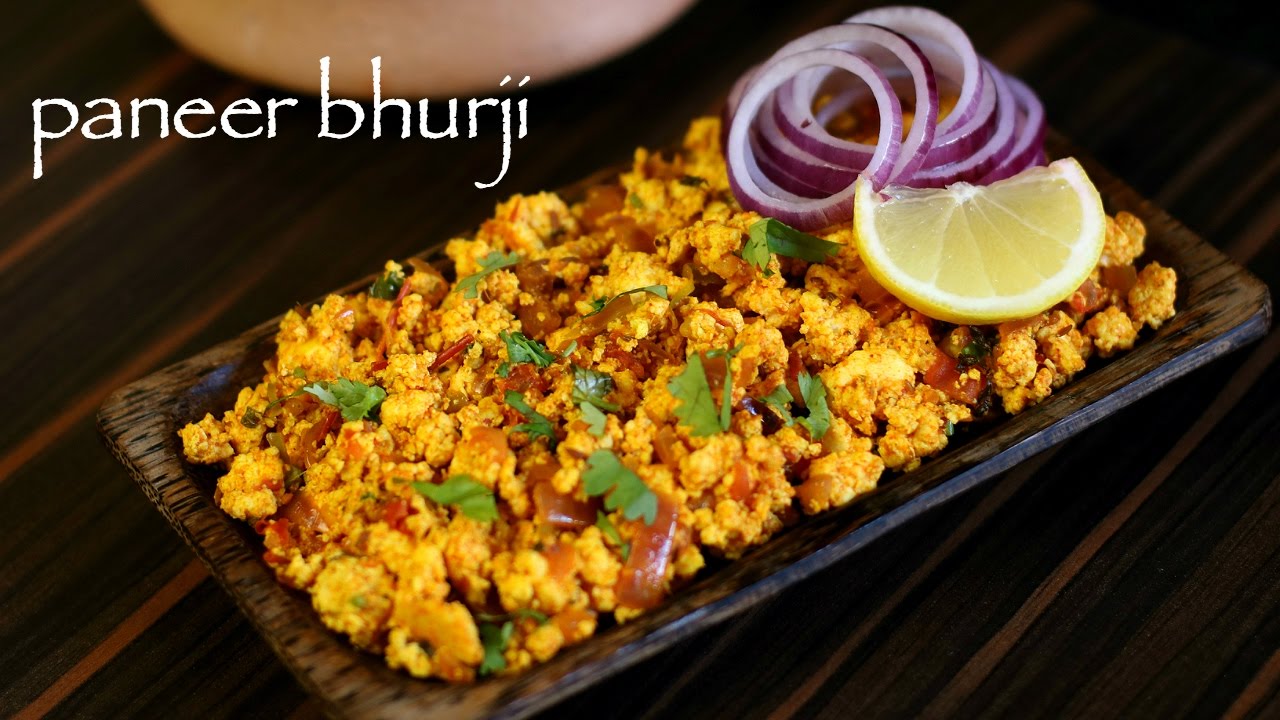
Paneer Bhurji Recipe: Paneer Bhurji is one of the most beloved vegetarian dishes in Indian households. The word “Bhurji” means scrambled, so Paneer Bhurji is essentially scrambled cottage cheese cooked with onions, tomatoes, green chilies, and aromatic spices. It is a quick and easy dish that can be prepared in under 20 minutes, making it a perfect option for busy mornings or a light dinner. Unlike heavy paneer curries, this recipe uses crumbled paneer, giving it a texture similar to scrambled eggs. This makes it not only a vegetarian delight but also a great alternative for those who enjoy egg bhurji but want a meat-free version.
Paneer Bhurji originated in North India but has become popular across the country due to its versatility and ease of preparation. Whether you’re a college student looking for a simple recipe or a homemaker searching for something delicious yet fuss-free, Paneer Bhurji fits perfectly. It is often served with roti, paratha, or pav, making it an excellent option for breakfast, lunch, or dinner.
Why Paneer Bhurji is So Popular in India?
The popularity of Paneer Bhurji lies in its simplicity and flavor profile. Unlike complex curries that require slow cooking and multiple ingredients, this dish comes together quickly with pantry staples. It is one of those recipes that can be cooked even by beginners without much hassle. The combination of fresh paneer, sautéed onions, tangy tomatoes, and warming spices makes it a dish that everyone loves.
Another reason for its popularity is its adaptability. You can make it dry for serving with roti, semi-dry for pav, or even with a little gravy to enjoy with rice. Street food vendors across India also serve it with buttered pav, making it a popular street-style snack similar to pav bhaji. Because of its high protein content, health-conscious people also prefer this dish as it provides nourishment without being too heavy.
Health Benefits of Paneer Bhurji
Paneer is a powerhouse of nutrients, especially for vegetarians who often struggle with protein intake. A single serving of Paneer Bhurji provides a healthy dose of protein, calcium, and essential vitamins. Protein is crucial for muscle building and repair, while calcium strengthens bones and teeth. Additionally, paneer contains healthy fats that provide energy and keep you full for longer.
The inclusion of onions, tomatoes, green chilies, and coriander not only enhances the taste but also adds antioxidants, vitamins, and minerals. For example, tomatoes are rich in Vitamin C and lycopene, onions support immunity, and green chilies boost metabolism. By using minimal oil and fresh paneer, Paneer Bhurji can be a wholesome, low-carb dish suitable for diabetics and people trying to manage weight.
When paired with whole wheat roti or multigrain bread, it becomes a complete and balanced meal. If you’re looking for a dish that is delicious, quick to prepare, and nutritionally rich, Paneer Bhurji checks all the boxes.
Ingredients You’ll Need for Paneer Bhurji
Basic Ingredients for Paneer Bhurji
To prepare authentic and flavorful Paneer Bhurji, you will need the following ingredients:
- Paneer (Cottage Cheese): 250 grams, crumbled
- Onion: 2 medium-sized, finely chopped
- Tomato: 2 medium-sized, finely chopped
- Green Chili: 1-2, finely chopped
- Ginger-Garlic Paste: 1 teaspoon
- Cooking Oil or Ghee: 2 tablespoons
- Turmeric Powder: ½ teaspoon
- Red Chili Powder: 1 teaspoon
- Coriander Powder: 1 teaspoon
- Garam Masala: ½ teaspoon
- Salt: to taste
- Fresh Coriander Leaves: handful, chopped
These are the essential ingredients that bring out the authentic taste of Paneer Bhurji. Paneer is, of course, the hero of the dish, while the combination of onion, tomato, and spices builds a strong flavor base.
Optional Ingredients for Extra Flavor
If you want to add a twist to your Paneer Bhurji, here are some optional ingredients you can use:
- Capsicum (Bell Pepper): adds crunch and sweetness
- Green Peas: for a touch of sweetness and extra nutrition
- Kasuri Methi (Dried Fenugreek Leaves): enhances the aroma
- Butter: for a rich, street-style flavor
- Cheese: for a creamy texture
- Cumin Seeds: for tempering at the start
These optional additions can elevate the dish and make it more interesting, especially if you are serving guests or simply want to experiment.
Ingredient Substitutions
Sometimes you may not have all the ingredients on hand, but don’t worry—Paneer Bhurji is very forgiving. Here are some smart substitutions:
- Paneer Substitute: If paneer is not available, you can use tofu for a vegan alternative.
- Oil Substitute: Use butter or ghee instead of oil for a richer flavor.
- Tomato Substitute: If you don’t have fresh tomatoes, canned tomatoes or tomato puree works fine.
- Spice Adjustments: If you don’t like too much heat, reduce chili powder and green chilies. For more tang, add a dash of lemon juice.
These substitutions make it easy to prepare Paneer Bhurji anywhere, anytime, without compromising much on taste.
Step-by-Step Guide to Making Paneer Bhurji
Step 1 – Preparing the Ingredients
The first step in making a perfect Paneer Bhurji is prepping the ingredients. Fresh paneer works best, so either make it at home using milk and lemon juice or buy fresh paneer from a local dairy. If you’re using store-bought paneer, soak it in warm water for 10 minutes to make it soft. Then crumble it evenly using your hands or a grater.
Next, chop onions, tomatoes, green chilies, and coriander leaves finely. The finer you chop them, the better the texture of the bhurji. Keep all your spices ready—turmeric, chili powder, coriander powder, and garam masala—so that you don’t have to rush during cooking. This preparation step may seem simple, but it plays a huge role in how quickly and smoothly the dish comes together later.
Once everything is prepped, you’re ready to start cooking. Having everything within reach makes the cooking process efficient and ensures your dish turns out flavorful without any missed steps.
Step 2 – Cooking the Onions and Tomatoes
The real flavor of Paneer Bhurji comes from its onion-tomato base, so this step is extremely important. Heat 2 tablespoons of oil or ghee in a heavy-bottomed pan. If you like, add ½ teaspoon of cumin seeds for tempering; this gives a slightly earthy and nutty aroma. Once the oil is hot, add the finely chopped onions. Sauté them on medium flame until they turn golden brown. This usually takes 5–6 minutes.
At this stage, you can also add a pinch of salt to help the onions cook faster. Once the onions are soft and slightly caramelized, add the ginger-garlic paste. Sauté it for 1–2 minutes until the raw smell disappears. Be careful not to burn the garlic, as it can make the dish bitter.
Now it’s time to add the finely chopped tomatoes. Mix well and cook until they turn mushy. To speed up the process, cover the pan for a couple of minutes. Stir occasionally to avoid sticking. Once the tomatoes soften, you’ll notice oil starting to separate from the mixture—this is a sign that your base is ready.
This onion-tomato masala forms the heart of Paneer Bhurji. If cooked properly, it balances sweetness from the onions, tanginess from the tomatoes, and a slight heat from chilies. The smoother and well-cooked this base is, the tastier your Paneer Bhurji will turn out.
Step 3 – Adding the Spices
Once the onions and tomatoes are cooked to perfection, it’s time to introduce the spices. Lower the heat slightly and add the following:
- ½ teaspoon turmeric powder
- 1 teaspoon red chili powder
- 1 teaspoon coriander powder
- Salt to taste
Mix the spices well into the onion-tomato base. Cook them for a minute so that they release their aroma and blend with the masala. Be careful not to overcook, as the spices can burn and turn bitter. If the mixture looks too dry, add a splash of water to prevent sticking and to ensure even cooking.
At this stage, you can also add finely chopped green chilies for extra heat. If you like a restaurant-style touch, sprinkle ¼ teaspoon garam masala for a deeper flavor.
The masala should now look rich, fragrant, and slightly thick. This spiced base is the foundation on which the crumbled paneer will be added. Think of it as the seasoning layer—if this part is balanced, your bhurji will turn out flavorful every single time.
Step 4 – Crumbling and Adding Paneer
Now comes the hero ingredient—paneer. Add the crumbled paneer to the pan and gently mix it with the masala. Ensure the paneer is coated well with the onion-tomato-spice mixture. Stir gently so that the crumbles stay intact and don’t turn into a paste.
Cook on medium heat for about 3–4 minutes. Remember, paneer cooks very quickly, and overcooking can make it rubbery and dry. The idea is to just warm it through and let it absorb the flavors of the masala. If you prefer your bhurji slightly moist, you can sprinkle a little water or milk at this stage.
Taste the mixture and adjust seasoning—add more salt, chili, or garam masala if required.
Finally, garnish with freshly chopped coriander leaves. This adds freshness and a pop of color, making your Paneer Bhurji not just tasty but also visually appealing.
Step 5 – Final Touch and Garnishing
For the finishing touch, you can squeeze a few drops of fresh lemon juice over the bhurji to balance the richness of the paneer and spices. If you’re aiming for a street-style version, add a small cube of butter right before switching off the flame. The butter melts into the paneer, giving it a luxurious, creamy texture and flavor.
Garnish generously with coriander leaves. If you like, sprinkle a pinch of kasuri methi (dried fenugreek leaves) after crushing them between your palms. This adds an irresistible aroma that takes the dish to the next level.
Your Paneer Bhurji is now ready to be served hot. Whether you pair it with buttered pav, crispy paratha, or soft rotis, this dish will always win hearts. The best part is how quickly it comes together—perfect for both everyday meals and special occasions.
Cooking Tips for Perfect Paneer Bhurji
How to Keep Paneer Soft and Moist
Paneer can sometimes turn chewy if cooked for too long. To keep it soft:
- Always use fresh paneer. If using store-bought, soak it in warm water for 10 minutes before crumbling.
- Don’t cook paneer for more than 4–5 minutes.
- Add paneer at the end and let it simmer briefly instead of frying it for too long.
- If you like your bhurji creamier, add a splash of milk or cream while mixing.
These small tricks ensure your paneer stays soft and melt-in-the-mouth.
Balancing the Spice Levels
Paneer Bhurji should be flavorful but not overpoweringly spicy. If you prefer mild flavors, reduce the chili powder and green chilies. On the other hand, if you love spice, add an extra chili or a pinch of black pepper for heat.
A good balance comes from layering spices correctly. Turmeric provides earthiness, chili gives heat, coriander powder adds citrusy warmth, and garam masala deepens the flavor. Adjust them as per your taste preference.
Common Mistakes to Avoid
- Overcooking Paneer: This makes it rubbery and dry.
- Using too much oil: Paneer Bhurji should be light and not greasy.
- Not cooking the masala properly: Raw onions or tomatoes can ruin the taste. Always cook until the oil separates.
- Skipping garnishing: Fresh coriander and lemon juice make a big difference.
By keeping these points in mind, you’ll always end up with a perfect, flavorful Paneer Bhurji.
Variations of Paneer Bhurji
Paneer Bhurji with Capsicum
One of the most loved variations is Paneer Bhurji with capsicum (bell peppers). The natural sweetness and crunch of capsicum add a beautiful contrast to the soft paneer. To make this, simply add finely chopped green or red capsicum along with onions and sauté until slightly soft but still crunchy. This version not only enhances the flavor but also makes the dish more colorful and appealing. Kids often enjoy this variation because of the vibrant colors and subtle sweetness.
Capsicum also brings added nutritional value—it’s rich in Vitamin C, antioxidants, and dietary fiber, making your Paneer Bhurji healthier. If you want your breakfast or lunch to look as good as it tastes, this version is definitely worth trying.
Paneer Bhurji with Green Peas
Another delicious variation is Paneer Bhurji with green peas (matar paneer bhurji). Green peas add a pop of sweetness and a slight crunch that balances beautifully with the spices and paneer. You can use either fresh or frozen peas; just make sure to blanch or parboil them before adding.
This version is especially popular during winters when fresh peas are in season. Not only does it taste amazing, but it also adds a boost of protein and fiber, making it even more filling. Pair it with parathas or jeera rice for a complete meal.
Paneer Bhurji Gravy Style
If you love curries, you can make a gravy-style Paneer Bhurji. Instead of keeping it dry, increase the amount of onions, tomatoes, and add a little more water or milk while cooking. This creates a slightly saucy texture that goes well with rice, naan, or kulchas.
Some people even add a tablespoon of cream or butter at the end to give it that restaurant-style richness. This version works perfectly for lunch or dinner when you want something more wholesome than the dry version.
Serving Suggestions
Paneer Bhurji with Roti or Paratha
The most classic way to enjoy Paneer Bhurji is with roti or paratha. The soft texture of paneer complements the chewy bite of whole wheat roti, making it a balanced and satisfying meal. If you want a slightly indulgent option, pair it with crispy parathas and a side of pickle. This is a staple breakfast or dinner combination in many North Indian households.
Paneer Bhurji with Bread or Pav
For a street-style experience, serve Paneer Bhurji with butter-toasted bread or pav. This is also called Paneer Bhurji Pav, a popular dish sold at roadside stalls in cities like Mumbai. The bhurji is spooned over soft, golden pav buns slathered with butter, making it irresistibly tasty. It’s quick, filling, and perfect for an evening snack or even a light dinner.
If you’re hosting friends or family, this version is always a crowd-pleaser. A squeeze of lemon and chopped onions on the side makes it taste even better.
Paneer Bhurji with Rice
Though less common, Paneer Bhurji also pairs wonderfully with steamed basmati rice or jeera rice. When made with a slightly gravy-style consistency, it becomes a comforting one-pot meal. If you’re in a hurry, just make a quick paneer bhurji, pair it with rice, and you have a wholesome lunch ready in no time.
It’s also a good option for kids who enjoy mildly spiced foods since the rice balances out the flavors.
Storage and Reheating Tips
How to Store Paneer Bhurji Properly
Paneer Bhurji tastes best when eaten fresh, but if you have leftovers, you can store them in an airtight container in the refrigerator for up to 2 days. Make sure it cools completely before storing to prevent moisture build-up, which can spoil the dish faster.
Reheating Without Losing Flavor
When reheating, always do so on low heat. Add a splash of water or milk to bring back the moisture, as paneer tends to dry out when refrigerated. Avoid reheating multiple times; instead, reheat only the portion you plan to eat. If you have stored it with pav or bread, reheat the bhurji separately and toast the bread fresh for the best taste.
By following these tips, you can enjoy your bhurji the next day without it losing its softness or flavor.
Nutritional Value of Paneer Bhurji
Calorie Count per Serving
A standard serving of Paneer Bhurji (about 1 cup) contains roughly 280–320 calories depending on the amount of oil or butter used. It’s a relatively light dish compared to rich paneer gravies, which makes it ideal for daily meals.
Protein and Vitamin Content
Paneer is packed with protein—one serving of Paneer Bhurji provides around 15–18 grams of protein, which is excellent for vegetarians. It’s also a good source of calcium, Vitamin D, and healthy fats. The onions, tomatoes, and chilies add Vitamin C, fiber, and antioxidants, making it a well-rounded dish.
If you’re on a weight loss journey, you can reduce the oil and pair it with whole wheat roti for a nutritious, low-carb meal. On the other hand, if you’re looking for muscle gain, add a little more paneer and pair it with parathas for extra calories and energy.
FAQs about Paneer Bhurji Recipe
1. Can I make Paneer Bhurji without onions and garlic?
Yes, you can make a no-onion, no-garlic version. Just skip those ingredients and add more tomatoes, capsicum, or ginger for flavor.
2. Can I use frozen paneer for bhurji?
Yes, but soak it in warm water for 15 minutes before crumbling. This helps restore softness.
3. Is Paneer Bhurji good for weight loss?
Yes, if prepared with minimal oil. It’s rich in protein, which keeps you full for longer, making it suitable for weight management.
4. How do I make my Paneer Bhurji more flavorful?
Use fresh paneer, kasuri methi, and a squeeze of lemon juice at the end for enhanced flavor.
5. Can I prepare Paneer Bhurji in advance?
Yes, but it’s best eaten fresh. You can store it in the fridge for up to 2 days and reheat with a splash of water or milk before serving.
Conclusion
Paneer Bhurji is the ultimate comfort food—quick, healthy, and incredibly versatile. Whether you enjoy it with roti, pav, or rice, this dish always delivers on taste and satisfaction. Its simplicity makes it a beginner-friendly recipe, while its adaptability allows endless variations to suit every mood and occasion.
If you’re craving a wholesome, protein-rich dish that can be made in under 20 minutes, Paneer Bhurji is your answer. Once you try it, it’s bound to become a regular feature in your kitchen.