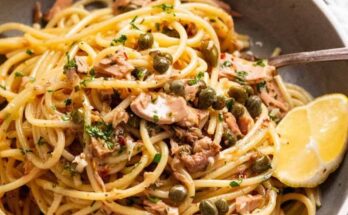
Pancit Canton Recipe: Pancit Canton is one of the most beloved Filipino noodle dishes, often found at celebrations, family gatherings, and even as a comforting everyday meal. The word pancit refers to noodles in Filipino cuisine, while canton points to the specific style of stir-fried egg noodles used in this dish. What makes Pancit Canton special is its rich combination of flavors and textures—savory meats, crisp vegetables, and chewy noodles, all tossed in a flavorful sauce.
Unlike instant pancit canton, which you may find in convenience stores, this traditional home-cooked version is packed with fresh ingredients and tastes far more authentic. It’s not just food; it’s a dish filled with cultural meaning. In the Philippines, long noodles are considered symbols of long life and prosperity, which is why pancit is always present at birthdays and celebrations.
The beauty of Pancit Canton is its versatility. You can use pork, chicken, shrimp, or even tofu as the main protein, and it pairs well with a variety of vegetables like carrots, snow peas, and cabbage. Once you learn the basic cooking technique, you can experiment with your own variations, making it either a quick weekday dinner or a festive centerpiece dish for a party.
In this step-by-step guide, we’ll cover everything you need to know—from gathering the right ingredients to preparing and cooking Pancit Canton like a pro. By the end, you’ll not only have a delicious meal but also a recipe that can become a family favorite.
Ingredients You’ll Need for Pancit Canton
Cooking Pancit Canton requires a balance of proteins, vegetables, and seasonings. Here’s a detailed breakdown of the ingredients you’ll need:
Main Ingredients (Noodles, Meat, Vegetables)
- Pancit Canton Noodles (egg noodles, about 250–300g) – These are firm and slightly chewy, perfect for absorbing sauces.
- Protein Options – Pork belly, chicken breast, shrimp, or a mix of all three. Traditionally, pancit canton combines at least two proteins for richer flavor.
- Vegetables – Carrots, cabbage, snow peas, green beans, bell peppers, and sometimes celery or baby corn. The variety of veggies adds both crunch and color to the dish.
Essential Seasonings and Sauces
- Garlic & Onion – These aromatics form the foundation of flavor.
- Soy Sauce – For saltiness and depth.
- Oyster Sauce – Adds sweetness and umami.
- Fish Sauce (optional) – Provides an extra savory kick.
- Chicken or Pork Broth – Used to cook the noodles and enhance flavor.
- Salt and Pepper – To balance the seasoning.
Optional Toppings for Extra Flavor
- Calamansi or Lemon Wedges – Squeezed over before eating for a tangy finish.
- Hard-Boiled Eggs – Common in special occasion versions.
- Chopped Scallions – Adds freshness.
- Crushed Chicharon (Pork Cracklings) – For extra crunch.
Having all these ingredients ready ensures smooth cooking. While the list looks long, most of these items are pantry staples or easy to find in Asian grocery stores.
Preparing the Ingredients Before Cooking
Preparation is key to making Pancit Canton stress-free. Since cooking happens quickly, you’ll want everything chopped, marinated, and ready to toss into the wok.
Prepping the Vegetables
Wash all vegetables thoroughly. Slice carrots into thin strips, chop cabbage into bite-sized pieces, and cut bell peppers into julienne slices. Snow peas should be trimmed and green beans cut diagonally. Keeping vegetables uniform in size helps them cook evenly and look more appetizing.
Marinating and Preparing the Meat
For pork or chicken, slice them thinly for quick stir-frying. A light marinade of soy sauce, pepper, and a dash of oyster sauce works wonders. If using shrimp, peel and devein them. Tofu should be cut into cubes and lightly fried if you’re opting for a vegetarian version.
Organizing Ingredients for Easy Cooking
Arrange your ingredients in small bowls or plates in the order they will go into the wok—aromatics first, then meat, followed by hard vegetables, soft vegetables, broth, and finally noodles. This organization helps you cook like a professional chef and ensures no step is missed.
Step-by-Step Guide to Cooking Pancit Canton
Cooking Pancit Canton can be done in under 30 minutes once everything is prepared. Follow these steps for a perfectly balanced dish.
Step 1 – Sautéing Aromatics
Heat oil in a wok or large pan over medium heat. Sauté garlic until fragrant, then add onions until translucent. This forms the flavor base.
Step 2 – Cooking the Meat and Protein
Add pork or chicken first since they take longer to cook. Stir-fry until lightly browned. If using shrimp, add them last since they cook very quickly.
Step 3 – Adding Vegetables in Proper Order
Start with carrots and green beans, then snow peas, and finally cabbage and bell peppers. This ensures vegetables are cooked yet still crisp.
Step 4 – Preparing the Sauce and Broth
Pour in chicken broth, soy sauce, and oyster sauce. Let it simmer for a few minutes to blend flavors. Taste and adjust seasoning before adding noodles.
Step 5 – Mixing in the Noodles
Add the pancit canton noodles directly into the simmering broth. Toss them gently until they absorb the liquid and soften. Avoid overcooking to maintain chewy texture.
Step 6 – Adjusting Seasoning and Garnishing
Once noodles are cooked, turn off the heat. Garnish with scallions, calamansi, or hard-boiled eggs. Serve hot and enjoy!
Cooking Tips for Perfect Pancit Canton
Even if you follow the recipe, a few small mistakes can change the outcome. Here are some pro tips:
- Avoiding Mushy Noodles: Don’t boil noodles separately in water; cook them directly in the broth to absorb flavor.
- Balancing Flavors Properly: Pancit canton should be salty, slightly sweet, and savory. Adjust soy and oyster sauce accordingly.
- Serving Tips: Serve on a large platter with calamansi on the side. For parties, garnish with colorful vegetables for presentation.
Variations of Pancit Canton
One of the best things about Pancit Canton is its versatility. Once you know the basics, you can adjust the recipe to fit your taste, dietary needs, or even the occasion. Let’s look at some popular variations:
Seafood Pancit Canton
For seafood lovers, swap pork or chicken with shrimp, squid, mussels, or even crab meat. Seafood adds a rich, ocean-like flavor that blends beautifully with the savory sauce. To make it even more indulgent, some people add shrimp broth instead of chicken broth, giving the noodles a deeper taste. A sprinkle of toasted garlic on top enhances the seafood flavor and makes the dish extra special.
Vegetarian Pancit Canton
If you want a meatless option, tofu or mushrooms are fantastic substitutes for protein. Firm tofu works well when pan-fried, while shiitake or oyster mushrooms bring a meaty texture and earthy flavor. You can load the dish with extra vegetables such as broccoli, cauliflower, and zucchini. For a more balanced taste, add a splash of vegetarian oyster sauce or mushroom soy sauce.
Special Occasion Pancit Canton
When served at birthdays, fiestas, or family gatherings, Pancit Canton is often elevated with more ingredients. Hard-boiled eggs, Chinese sausage (longganisa Macau), quail eggs, and even roast chicken slices can be added. Some cooks also garnish it with crispy fried garlic, chicharon (pork cracklings), or fresh herbs for presentation. These small additions turn a humble meal into a festive centerpiece.
Nutritional Value of Pancit Canton
Like most noodle dishes, the nutrition of Pancit Canton depends largely on the ingredients used. Let’s break it down:
Calories and Macronutrients
A single serving of Pancit Canton (about 1 ½ cups) typically contains:
- Calories: 300–400 kcal
- Carbohydrates: 45–55g
- Protein: 15–20g (depending on the meat used)
- Fat: 10–15g
These values may vary, especially if the recipe uses fatty pork or added toppings like fried eggs or chicharon.
Health Benefits of Ingredients
- Noodles provide carbohydrates for energy.
- Chicken or pork gives high-quality protein for muscle repair.
- Shrimp and seafood are rich in omega-3 fatty acids and vitamins.
- Vegetables like carrots and cabbage supply fiber, vitamin A, vitamin C, and antioxidants.
How to Make it a Healthier Meal
- Use lean chicken breast instead of fatty pork belly.
- Replace regular noodles with whole wheat or eggless noodles for added fiber.
- Add more vegetables than meat for a lighter but still flavorful dish.
- Go easy on soy sauce to reduce sodium intake.
With a few tweaks, Pancit Canton can be both hearty and healthy without losing its authentic flavor.
Storing and Reheating Pancit Canton
Since Pancit Canton is often made in big batches, leftovers are common. Proper storage ensures that the dish remains tasty even after a day or two.
How to Store Leftovers
Allow Pancit Canton to cool before transferring it into an airtight container. Store it in the refrigerator for up to 3 days. Avoid leaving it at room temperature for too long, as the noodles can spoil quickly.
Best Reheating Methods
- Stovetop Method: Heat a bit of oil in a pan, add the noodles, and stir-fry until hot. If they’re too dry, splash a little broth or water.
- Microwave Method: Place in a microwave-safe dish, cover lightly, and reheat for 1–2 minutes, stirring halfway through.
Making Pancit Canton Ahead of Time
If preparing for a party, you can cook the meat and vegetables ahead, then simply add the noodles and broth before serving. This way, the dish stays fresh and doesn’t lose its texture.
Pancit Canton for Different Occasions
Pancit Canton is so flexible that it suits nearly any occasion.
Pancit Canton for Birthdays and Parties
In Filipino tradition, noodles symbolize long life. That’s why Pancit Canton is always present at birthday celebrations. To make it party-ready, cooks often add colorful vegetables and fancy toppings like boiled eggs and shrimp. It’s served in large platters so everyone can share.
Pancit Canton for Everyday Meals
Even without a celebration, Pancit Canton makes a great weekday dish. It’s filling, easy to cook, and budget-friendly. A simple version with chicken, cabbage, and carrots can be prepared in under 30 minutes—perfect for busy families.
Serving Pancit Canton in Restaurants
In Filipino restaurants, Pancit Canton is often served in sizzling plates or clay pots to keep it hot. Some even pair it with rice (yes, rice and noodles together!) or serve it with lumpia (spring rolls) on the side for a full meal.
Common Mistakes to Avoid When Cooking Pancit Canton
Even experienced cooks sometimes struggle with Pancit Canton. Here are common pitfalls to watch out for:
Overcooking the Noodles
The number one mistake is boiling the noodles separately and then overcooking them in the pan. Always let them cook directly in the sauce to absorb flavor without getting mushy.
Using Too Much Soy Sauce
Soy sauce is essential, but too much can make the dish salty and overpowering. Balance it with oyster sauce and broth for a rounded flavor.
Forgetting the Right Order of Ingredients
Cooking everything at once can lead to soggy vegetables or undercooked meat. Always follow the correct sequence: aromatics → meat → hard vegetables → soft vegetables → broth → noodles.
Avoiding these mistakes ensures your Pancit Canton comes out restaurant-quality every time.
FAQs about Pancit Canton Recipe
Can I use instant pancit canton?
Instant pancit canton is different—it’s pre-seasoned and quick-cooking, more like ramen. For authentic flavor, always use fresh or dried egg noodles designed for stir-frying.
What is the difference between pancit canton and pancit bihon?
Pancit Canton uses thick egg noodles, while Pancit Bihon uses thin rice noodles. Canton is richer and heartier, while Bihon is lighter and often less oily.
How do I make it spicier?
Add fresh chili, chili oil, or spicy oyster sauce. Some even add a spoonful of chili garlic paste for extra heat.
Can I freeze Pancit Canton?
It’s not recommended. Freezing changes the texture of the noodles and vegetables. Instead, cook a smaller batch and store leftovers in the fridge.
What’s the best broth to use?
Chicken broth is most common, but pork or shrimp broth adds a deeper flavor. Use whichever matches your choice of protein.
Conclusion
Pancit Canton is more than just a noodle dish—it’s a symbol of celebration, tradition, and togetherness in Filipino culture. With its savory noodles, vibrant vegetables, and flavorful sauce, it’s no wonder this dish has remained a favorite across generations. Whether you’re cooking it for a birthday, a fiesta, or just a simple family meal, Pancit Canton always delivers comfort and joy on the table.
Once you master the basic recipe, don’t be afraid to try variations with seafood, vegetarian ingredients, or special toppings. The beauty of this dish lies in its adaptability, and with practice, you’ll soon be cooking Pancit Canton like a pro.
So gather your ingredients, heat up your wok, and get ready to enjoy one of the Philippines’ most iconic and delicious noodle dishes.