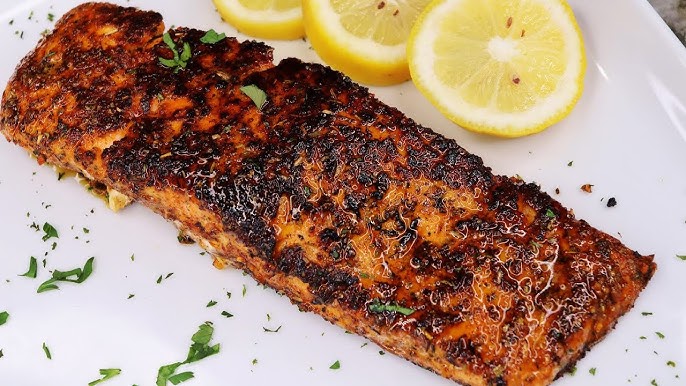
Pan Salmon Recipe: Pan-seared salmon is one of the quickest and most flavorful meals you can prepare at home. In under 20 minutes, you can have a restaurant-quality dish ready on your table. Unlike baked or grilled salmon, pan-searing gives the fish a crisp, golden-brown crust while keeping the inside juicy and tender. It’s the perfect balance of textures, making it a favorite for weeknight dinners or even special occasions.
Beyond its taste, salmon is packed with nutrients. It’s rich in omega-3 fatty acids, which are excellent for heart and brain health. It’s also a great source of lean protein, vitamin D, and essential minerals. Pairing this healthy fish with fresh herbs, lemon, or a garlic butter sauce can elevate its flavors even more.
Whether you’re new to cooking fish or an experienced home chef, mastering the art of pan-seared salmon is a skill worth having. In this guide, I’ll take you through everything from ingredients to preparation, cooking, and serving—so you can enjoy the perfect salmon every time.
Ingredients You’ll Need
When it comes to cooking salmon, simplicity is key. A handful of ingredients is all you need to make a flavorful dish. Below is the basic list, but you can always customize according to your taste.
Main Ingredients:
- 2 fresh salmon fillets (skin-on preferred, about 6 oz each)
- 2 tbsp olive oil or avocado oil
- 1 tbsp unsalted butter
- Salt (to taste)
- Black pepper (to taste)
Optional Enhancements:
- 2 garlic cloves, minced
- 1 tbsp fresh lemon juice
- 1 tsp paprika or chili flakes for spice
- Fresh herbs like dill, parsley, or thyme
For Garnish:
- Lemon wedges
- Fresh parsley or dill sprigs
Keeping the ingredient list short allows the natural flavors of the salmon to shine. The butter adds richness, while lemon brightens the dish. Garlic and herbs add depth, making this simple recipe taste like it came from a fine dining restaurant.
Essential Tools for Cooking Salmon
Cooking salmon doesn’t require a lot of fancy equipment, but using the right tools can make the process much easier.
Must-Have Tools:
- Nonstick skillet or cast-iron pan: A heavy-bottom pan ensures even heat distribution and helps achieve that crispy golden crust.
- Fish spatula: A thin, flexible spatula helps flip the salmon without breaking it apart.
- Tongs: Useful for handling hot food without damaging the delicate fish.
Optional Tools:
- Meat thermometer: To check doneness (ideal internal temperature is 125°F for medium-rare to 135°F for medium).
- Kitchen paper towels: For patting the salmon dry before cooking, which helps achieve crispiness.
If you don’t have a cast-iron skillet, a high-quality stainless steel or nonstick pan will also do the job. The key is to preheat your pan properly to prevent sticking.
Preparing the Salmon Before Cooking
Preparation is where you set the foundation for success. The way you handle your salmon before it even touches the pan can determine how flavorful and tender it will be.
1. Choosing the Right Salmon: Go for fresh, high-quality salmon if possible. Wild-caught salmon usually has a firmer texture and richer flavor compared to farmed salmon. If you’re buying frozen, make sure it’s well-sealed and thaw it properly before cooking.
2. Cleaning and Patting Dry: Moisture is the enemy of crispiness. Rinse the salmon lightly under cold water and pat it completely dry with paper towels. This step ensures the skin will crisp up instead of steaming.
3. Seasoning Properly: Keep it simple with salt and pepper as your base. Add paprika, garlic powder, or chili flakes for a kick of spice. For a fresh touch, sprinkle chopped herbs or a squeeze of lemon juice just before cooking.
A little preparation goes a long way, and once your salmon is seasoned and ready, you’re all set to move to the pan.
Step-by-Step Guide to Cooking Pan-Seared Salmon
Here’s the fun part—cooking! Follow these steps to achieve that perfect sear with a tender, juicy inside.
Step 1: Heat the Pan
Place your skillet over medium-high heat and let it warm up for 2–3 minutes. A properly heated pan prevents the salmon from sticking.
Step 2: Add Oil and Butter
Add 2 tablespoons of olive oil, and once it shimmers, drop in 1 tablespoon of butter. The butter adds flavor and helps brown the skin beautifully.
Step 3: Place Salmon Skin-Side Down
Carefully place the salmon fillets skin-side down into the pan. You should hear a satisfying sizzle. Press lightly with a spatula to keep the skin flat.
Step 4: Timing the Sear
Cook without moving for about 4–5 minutes, depending on thickness. This allows the skin to crisp up. Resist the temptation to flip too soon.
Step 5: Flip and Finish Cooking
Once the skin is golden and crispy, gently flip the salmon. Cook the flesh side for 2–3 minutes until it reaches your desired doneness.
Final Touch: For extra flavor, spoon the melted butter and pan juices over the salmon before removing it from the pan. Serve with lemon wedges and garnish with herbs.
Cooking salmon is truly about patience and precision. Once you master this step-by-step process, you’ll always have a quick, healthy, and delicious dinner option.
Tips for Perfect Pan-Seared Salmon
Cooking salmon might look intimidating at first, but with the right tricks, you can master it easily. One of the most important things to remember is temperature control. Salmon cooks fast, and high heat is your best friend for getting that golden crust while keeping the inside moist. If the pan is too cool, the skin won’t crisp—it will steam instead. On the flip side, too high a heat can burn the outside before the inside cooks through.
Another crucial tip is don’t overcrowd the pan. If you try to cook too many fillets at once, the heat drops, and your salmon won’t sear properly. Stick to two fillets per medium skillet or cook in batches if needed.
To achieve perfectly crispy skin, always start skin-side down and avoid flipping too early. Pressing gently with a spatula ensures the skin stays in contact with the hot pan, preventing it from curling up. Once the skin releases easily from the pan, that’s your cue to flip.
Lastly, don’t forget the resting step. Just like steak, salmon benefits from resting for a couple of minutes after cooking. This allows the juices to redistribute, keeping the fish moist and tender. These small details make a huge difference between average salmon and one that tastes like it came from a five-star restaurant.
Variations of Pan-Seared Salmon
The beauty of salmon is its versatility—you can transform the same base recipe into completely different flavor experiences with just a few tweaks. Here are some tasty variations you can try:
1. Garlic Butter Salmon
Add minced garlic to the pan right after flipping the salmon, then spoon garlic-infused butter over the fish as it finishes cooking. This creates a rich, savory flavor that pairs beautifully with mashed potatoes or steamed veggies.
2. Lemon Herb Salmon
Squeeze fresh lemon juice over the salmon right before removing it from the pan. Sprinkle chopped parsley, dill, or thyme for a bright and refreshing twist. This version is light and perfect for summer meals.
3. Spicy Chili Salmon
If you enjoy a bit of heat, rub the fillets with a mixture of paprika, chili flakes, and cayenne before searing. Finish with a drizzle of honey for a spicy-sweet glaze that balances the flavors.
4. Teriyaki Salmon
For an Asian-inspired dish, glaze the salmon with teriyaki sauce in the last 2 minutes of cooking. It caramelizes slightly in the pan and pairs well with rice or stir-fried vegetables.
Experimenting with these variations keeps dinner exciting and ensures you never get bored of eating salmon.
Side Dishes That Pair Well with Salmon
The right side dish can take your pan-seared salmon from good to unforgettable. Luckily, salmon pairs well with a wide variety of sides.
Vegetable Options:
- Roasted asparagus or green beans with olive oil and garlic
- Steamed broccoli or zucchini with a squeeze of lemon
- A fresh garden salad with vinaigrette dressing
Carbs and Grains:
- Garlic butter mashed potatoes
- Steamed white rice, jasmine rice, or wild rice
- Quinoa or couscous for a lighter option
Sauces and Dips:
- Classic tartar sauce
- Creamy dill sauce
- A simple yogurt and cucumber dip for a refreshing twist
Pairing depends on the flavor variation you choose. For example, garlic butter salmon goes great with roasted potatoes, while teriyaki salmon works beautifully with stir-fried vegetables and rice.
Common Mistakes to Avoid
Even the best cooks make mistakes, but knowing what to avoid can save your salmon from disaster.
1. Cooking on Low Heat
Low heat prevents the salmon from searing properly. Instead of getting that nice golden crust, your fish will come out pale and soggy.
2. Flipping Too Soon
If you try to flip the salmon before the skin is ready, it will stick and tear apart. Always wait until the skin naturally releases from the pan before flipping.
3. Using Too Much Oil
Salmon already has natural oils, so drowning it in extra oil can make it greasy. A small amount of olive or avocado oil is enough.
4. Overcooking the Salmon
Nothing ruins salmon like dryness. Keep a close eye on cooking time and remember that salmon continues to cook slightly after being removed from heat.
5. Not Drying the Fish Properly
Skipping the step of patting your salmon dry is a huge mistake. Excess moisture will prevent the skin from crisping up.
By avoiding these pitfalls, you’ll consistently end up with salmon that’s crisp on the outside and melt-in-your-mouth tender on the inside.
Nutritional Value of Salmon
Salmon isn’t just delicious—it’s also one of the healthiest proteins you can add to your diet. A single 6-ounce serving of salmon packs a powerhouse of nutrients that benefit your entire body.
Key Nutrients in Salmon (per 6 oz serving):
- Calories: ~350
- Protein: 34g
- Fat: 20g (mostly healthy fats)
- Omega-3 fatty acids: ~2,000 mg
- Vitamin D: Over 100% of daily requirement
- B vitamins (B6, B12, Niacin, Riboflavin)
- Minerals: Selenium, Potassium, Magnesium
The star nutrient is omega-3 fatty acids, which help reduce inflammation, lower blood pressure, improve brain function, and promote heart health. Unlike many other proteins, salmon provides these essential fats naturally.
Eating salmon two to three times a week can significantly improve your overall health. It’s a superfood that’s not only good for your body but also incredibly satisfying for your taste buds.
Storing and Reheating Leftover Salmon
One of the best things about pan-seared salmon is that it stores well for later meals. Whether you cooked a little extra on purpose or simply couldn’t finish your plate, proper storage ensures you can enjoy it again without losing flavor or texture.
Storing in the Refrigerator:
- Allow the salmon to cool completely before storing. Placing hot food directly into the fridge can cause condensation and make it soggy.
- Wrap the fillet tightly in aluminum foil or store it in an airtight container.
- Refrigerated salmon lasts up to 3 days safely.
Freezing Salmon:
- If you want to keep it longer, you can freeze cooked salmon. Wrap each piece individually in parchment paper and then in plastic wrap or freezer bags.
- Frozen salmon can last up to 2 months without losing too much quality.
Reheating Leftovers:
- In the oven: Preheat to 275°F (135°C), place salmon on a baking sheet, and warm for 10–15 minutes. This method helps keep the fish moist.
- On the stovetop: Reheat in a covered skillet on low heat for a few minutes. Add a splash of broth or water to prevent dryness.
- Avoid microwaving if possible—it tends to dry out the salmon and make it rubbery.
Leftover salmon is versatile. You can flake it into a salad, mix it into pasta, or turn it into a salmon sandwich. With the right storage and reheating method, you’ll never waste a single bite.
FAQs about Pan Salmon Recipe
1. Should you eat salmon skin?
Yes! Salmon skin is not only edible but also packed with nutrients, including omega-3 fatty acids. When cooked properly, it becomes crispy and delicious. Just make sure the salmon is sourced from a clean, reputable supplier.
2. Can frozen salmon be used?
Absolutely. Frozen salmon is a great option if fresh isn’t available. Just thaw it overnight in the fridge before cooking. Avoid thawing at room temperature, as it may lead to uneven cooking.
3. How do you know when salmon is done?
The easiest way is to use a meat thermometer. Cooked salmon should reach an internal temperature of 125–135°F (52–57°C), depending on your preference. You can also test by gently pressing with a fork—if it flakes easily, it’s ready.
4. What oil is best for pan-searing salmon?
High smoke-point oils like olive oil, avocado oil, or grapeseed oil are the best choices. They can withstand the heat required for searing without burning.
5. Is salmon good for weight loss?
Yes. Salmon is high in protein and healthy fats, which help keep you full for longer. Including salmon in a balanced diet can support weight management while providing essential nutrients.
Conclusion
Pan-seared salmon is proof that you don’t need hours in the kitchen to create a restaurant-worthy meal. With just a few simple ingredients, the right pan, and some patience, you can make perfectly crispy, juicy salmon every time.
We covered everything from selecting and preparing your fish, to cooking techniques, flavor variations, side dish pairings, and even how to store leftovers. Whether you stick to the classic salt-and-pepper version or experiment with garlic butter, lemon herbs, or spicy glazes, salmon adapts beautifully to your taste preferences.
Next time you’re wondering what to cook for dinner, give this pan-seared salmon a try. It’s quick, healthy, and satisfying—everything you want in a meal.