Oyster Stuffing Recipe: Oyster stuffing is a dish that often sparks curiosity and excitement at the holiday table. Unlike traditional bread stuffing, oyster stuffing brings a taste of the sea that blends beautifully with savory herbs, buttery bread, and roasted meats. For centuries, it has been a holiday staple in many coastal regions, particularly in the Southern United States and New England, where oysters are abundant and fresh.
What is Oyster Stuffing?
Oyster stuffing is essentially a bread-based stuffing dish that incorporates oysters for a unique briny flavor. The oysters can be fresh, canned, or bottled, depending on your preference and availability. They’re mixed with seasoned bread cubes, vegetables, butter, and broth before being baked until golden and aromatic. The result? A side dish that’s hearty, flavorful, and packed with richness.
History and Origin of Oyster Stuffing
Oyster stuffing has deep roots in American culinary history, tracing back to the colonial era. Oysters were incredibly plentiful along the East Coast, making them a natural addition to everyday meals. Early settlers began experimenting with bread-based stuffings, and oysters quickly became a popular ingredient due to their abundance and affordability. Over time, oyster stuffing became associated with special occasions like Thanksgiving and Christmas, and it remains a holiday classic in many families today.
Why Oyster Stuffing is a Holiday Favorite
Holiday meals are all about indulgence and tradition. Oyster stuffing offers a way to add depth and richness to the menu while honoring culinary heritage. The briny, slightly sweet flavor of oysters pairs perfectly with roasted turkey, ham, or even roasted fish, making it versatile enough for any festive table. Plus, it’s a great way to surprise guests with a side dish that feels both familiar and elevated.
Ingredients You’ll Need
Crafting the perfect oyster stuffing begins with the right ingredients. Each component plays a role in building layers of flavor and texture. Let’s break down the essentials you’ll need before diving into the cooking process.
Fresh Oysters – The Star Ingredient
The oysters are what set this stuffing apart from the traditional version. You’ll want about 1 to 2 cups of shucked oysters, depending on how bold you want the flavor to be. Fresh oysters provide the best taste, but canned or jarred oysters can also work if fresh ones aren’t available. Be sure to reserve the oyster liquor (the natural juices inside the shell), as it adds an extra boost of briny flavor to your stuffing mix.
Bread Selection – White, Cornbread, or Sourdough?
Bread forms the base of any stuffing recipe, and your choice will influence the overall flavor. White bread gives a soft, neutral background, cornbread brings sweetness and crumbly texture, while sourdough adds a tangy depth. Whichever bread you choose, make sure it’s slightly stale or toasted to help it absorb the flavors without becoming mushy. Around 8–10 cups of cubed bread is ideal for a family-sized batch.
Vegetables and Aromatics
Classic aromatics such as onions, celery, and garlic are essential for building flavor. These ingredients add sweetness, earthiness, and a subtle crunch to balance the softness of the bread and oysters. Carrots and leeks can also be added for extra flavor dimensions. Sautéing these vegetables in butter or oil before adding them to the stuffing ensures they release their full flavor.
Herbs and Spices for Flavor
Stuffing without herbs would feel incomplete. Fresh parsley, thyme, and sage are the classic choices, with rosemary being a great addition for extra aroma. A touch of black pepper and sea salt enhances the flavor, while a dash of paprika or cayenne can bring in a gentle heat if you want a bolder taste. Always use fresh herbs if possible, as they elevate the dish compared to dried ones.
Liquids and Fats – Butter, Broth, and More
Butter is the heart of stuffing—it adds richness and helps the bread soak up flavors. Chicken or turkey broth keeps the stuffing moist while deepening the savory profile. Some cooks like to add a splash of white wine for a refined flavor, while others prefer a bit of cream for extra indulgence. The oyster liquor, mentioned earlier, should also be included to intensify the briny taste.
Preparing the Oysters
Before mixing oysters into the stuffing, they need to be properly prepared. This step ensures they retain their natural sweetness and don’t overpower the dish.
How to Select Fresh Oysters
When buying oysters, freshness is key. Look for tightly closed shells if purchasing live oysters, and avoid any with cracks or a strong odor. If you’re buying shucked oysters, check the expiration date and make sure they’re stored in their own liquor for the best flavor. Always buy from a trusted seafood supplier to guarantee quality.
Shucking and Cleaning Oysters Properly
Shucking oysters can seem intimidating, but with a little practice, it’s manageable. Using a sturdy oyster knife, insert the blade at the hinge and twist until the shell pops open. Run the knife along the edge to release the oyster meat, being careful to preserve the juices. Rinse lightly to remove any shell fragments, but don’t wash away all the liquor—that’s flavor gold.
Pre-Cooking Oysters for Stuffing
While some recipes call for adding raw oysters directly to the stuffing, lightly cooking them first helps bring out their natural flavor and ensures they don’t turn rubbery in the oven. Simply sauté them in butter for 2–3 minutes until they’re just starting to firm up. This step also infuses the butter with oyster flavor, which will spread throughout the stuffing mix.
Step-by-Step Guide to Making Oyster Stuffing
Now that the prep work is complete, it’s time to put everything together. Making oyster stuffing is straightforward, but following each step carefully will ensure you get the best results.
Step 1 – Preparing the Bread Base
Cube your chosen bread into bite-sized pieces and spread them on a baking sheet. Toast them in the oven at 300°F (150°C) for 10–15 minutes, or until they’re slightly crispy. This prevents the stuffing from becoming too soggy when liquids are added. Place the toasted bread cubes in a large mixing bowl.
Step 2 – Sautéing Vegetables and Aromatics
A good stuffing is built on layers of flavor, and the vegetables are where that journey begins. Start by melting a generous amount of butter in a large skillet. Once the butter foams and sizzles, add finely chopped onions, celery, and garlic. Sauté them on medium heat until they become fragrant and translucent. This process not only softens the vegetables but also draws out their natural sweetness, which will balance the briny punch of the oysters later.
For an added depth, you can also include carrots or leeks. Carrots introduce a gentle sweetness, while leeks offer a delicate onion-like flavor that blends smoothly into the dish. Don’t rush this step—the key is to let the vegetables cook slowly so they release their flavors without burning. A touch of salt and pepper at this stage will also help season the vegetables properly. Once done, remove the pan from the heat and set aside. These sautéed aromatics will soon be folded into the bread mixture, infusing every bite with savory goodness.
Step 3 – Adding the Oysters
Now comes the star moment—the oysters. Whether you’re using fresh, bottled, or canned, be sure they are drained, but keep that precious oyster liquor aside. If you pre-cooked your oysters in butter, they should be just lightly firm and ready to go. Add them to the skillet with the vegetables so they can mingle with the savory flavors before joining the bread.
You don’t need to cook the oysters for long at this point; just a gentle toss in the pan is enough. Their delicate texture can be lost if overcooked, so treat them gently. As they warm, they release a subtle brininess that elevates the stuffing from simple bread and broth to a coastal-inspired delicacy. At this point, your kitchen will smell incredible—rich butter, savory vegetables, and the salty aroma of oysters blending together.
Step 4 – Mixing Everything Together
With the bread cubes ready and the oyster-vegetable mix prepared, it’s time to bring it all together. Transfer the sautéed mixture into the bowl of toasted bread cubes. Gently fold everything so the flavors distribute evenly. This is also where you’ll add your fresh herbs—parsley, thyme, sage, and rosemary are classic stuffing herbs that add freshness and depth.
Now comes the liquid. Slowly pour in the chicken or turkey broth, followed by the reserved oyster liquor. The key is balance—you want the bread cubes to be moist but not swimming in liquid. A drizzle of melted butter adds richness, while a splash of white wine or cream can enhance the flavor even further. Use a light hand when mixing to avoid breaking down the bread cubes too much. The goal is a stuffing that’s moist and cohesive but still has distinct textures in every bite.
Step 5 – Baking to Perfection
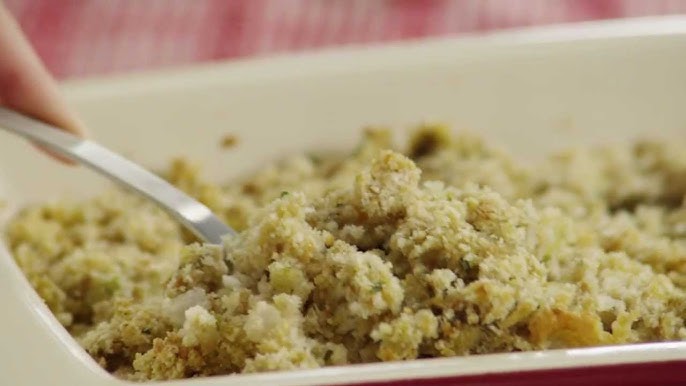
Once your mixture is complete, transfer it into a greased baking dish. Spread it evenly, but don’t pack it down too tightly—air pockets help keep the stuffing fluffy while it bakes. Cover the dish with foil and bake at 350°F (175°C) for about 25–30 minutes. Then, uncover it and let it bake for another 15–20 minutes until the top becomes golden brown and slightly crispy.
The aroma that fills your kitchen during this step is pure comfort—the mingling of buttery bread, savory herbs, and briny oysters signals that your stuffing is ready. The final dish should have a crispy top layer, a soft and moist interior, and bursts of oyster flavor in every bite. Serve it hot alongside your holiday roast, and watch it disappear quickly from the table.
Variations of Oyster Stuffing
Every family and region has its own take on oyster stuffing. Here are a few delicious variations you can try to personalize your recipe:
Southern-Style Oyster Stuffing
Southern oyster stuffing often uses cornbread instead of white bread, giving the dish a sweeter, heartier base. Some versions even include spicy sausage or jalapeños for a little kick. The combination of cornbread’s crumbly texture with the oysters’ brininess creates a uniquely Southern comfort dish that pairs perfectly with roast turkey or ham.
New England Oyster Stuffing
In New England, oyster stuffing tends to be simpler, focusing on fresh oysters, white bread, and traditional herbs. The flavors are cleaner, allowing the oysters to shine. Sometimes a splash of cream or sherry is added for richness, a nod to the region’s culinary traditions.
Gluten-Free Oyster Stuffing
For those avoiding gluten, you can easily substitute gluten-free bread or cornbread in the recipe. Since gluten-free breads can be denser, be sure to toast them well before mixing to prevent sogginess. The oysters, herbs, and vegetables still bring all the flavor, so nothing is lost in translation.
Oyster and Sausage Stuffing
If you want a truly hearty dish, consider adding sausage to your stuffing. The savory, meaty flavor of sausage pairs beautifully with the briny oysters, creating a rich, indulgent side that could almost stand alone as a meal. Opt for a mild Italian sausage or a spicy one if you enjoy a kick of heat.
Expert Tips for the Perfect Oyster Stuffing
Making oyster stuffing isn’t complicated, but a few expert tricks can take your dish from good to unforgettable. The goal is to balance moisture, flavor, and texture so that every forkful is rich, savory, and perfectly baked.
Balancing Moisture Levels
One of the most common challenges when making stuffing is finding the right moisture balance. Too much liquid, and you end up with a soggy mess; too little, and it becomes dry and crumbly. The trick is to add broth gradually, mixing as you go, until the bread cubes are just moist but not drenched. Remember, the stuffing will continue to absorb moisture as it bakes, so aim for a slightly damp consistency rather than overly wet. A good test is to squeeze a handful—if it clumps together without dripping liquid, you’re on the right track.
Getting the Right Texture
Texture is everything in stuffing. You want a soft interior balanced by a golden, slightly crisp top. To achieve this, make sure your bread is properly toasted before mixing. Soft bread will turn mushy, while toasted bread holds up against the liquid and maintains structure. Also, don’t mash the mixture too aggressively when folding in the oysters and vegetables—gentle mixing ensures the bread cubes stay intact and the dish retains variety in texture.
Adjusting Seasonings
Stuffing is all about layers of flavor, so seasoning matters. Taste the mixture before baking (yes, even with oysters in it). If it seems bland, add a little more salt, pepper, or herbs. Some cooks like to sprinkle extra fresh parsley or thyme just before baking for an aromatic finish. And if you enjoy a kick, a pinch of cayenne or red pepper flakes can liven things up without overpowering the oysters.
Common Mistakes to Avoid
Even experienced cooks can run into pitfalls when making oyster stuffing. Here’s how to sidestep the most common mistakes:
Overcooking the Oysters
Oysters are delicate and can become rubbery if cooked too long. Since they’ll bake in the stuffing, avoid pre-cooking them for more than 2–3 minutes. Lightly sauté them until they just start to firm up, then let the oven finish the job.
Making the Stuffing Too Soggy
This mistake happens when too much broth or liquid is added. Always pour slowly and mix thoroughly before adding more. Also, make sure your bread is dry or toasted—this helps absorb liquid without turning mushy.
Using the Wrong Bread Type
Not all breads are created equal when it comes to stuffing. Very soft sandwich bread can collapse into a pasty texture, while heavy rye or multigrain breads may overpower the delicate oyster flavor. The best options are white bread, cornbread, or a rustic loaf like sourdough.
What to Serve with Oyster Stuffing
Oyster stuffing is versatile and pairs beautifully with a variety of holiday dishes. Since it has both a savory and briny character, it complements roasted meats and hearty sides exceptionally well.
Pairing with Traditional Holiday Dishes
The most classic pairing is roast turkey, as the stuffing’s richness balances the bird’s mild flavor. It also works wonderfully with glazed ham, roasted chicken, or even a standing rib roast. For seafood lovers, pairing oyster stuffing with roasted salmon or baked cod can create a festive “from the sea” holiday spread.
On the side, creamy mashed potatoes, roasted vegetables, and cranberry sauce provide contrast in both flavor and texture. The stuffing’s briny-sweet profile works particularly well with sweet sides like candied yams or honey-glazed carrots.
Best Wines and Beverages
A dish as rich as oyster stuffing deserves the right drink pairing. For wine, go with a crisp white like Sauvignon Blanc or Chardonnay—the acidity balances the richness while complementing the oysters’ brininess. If you prefer red, a light Pinot Noir is a great choice, as it won’t overpower the dish. For beer lovers, a pale ale or pilsner works well, offering a refreshing contrast. And for non-alcoholic options, sparkling water with lemon or a festive apple cider keeps things light and refreshing.
Storage and Reheating Tips
One of the best things about oyster stuffing is that it can be made ahead and reheated without losing flavor. If you’re preparing for a big holiday dinner, this tip can save you valuable cooking time.
Refrigerating and Freezing Oyster Stuffing
Once baked, allow the stuffing to cool completely before covering it tightly with foil or transferring it to an airtight container. It will keep in the refrigerator for up to three days. If you want to freeze it, divide it into portions and wrap them securely. Frozen oyster stuffing can last up to two months.
Reheating Without Drying Out
To reheat, cover the stuffing with foil and place it in a 350°F (175°C) oven for about 20–25 minutes. If it seems a little dry, drizzle a small amount of broth over it before reheating. For single servings, the microwave works fine, but use short intervals and stir between heating to avoid uneven texture.
Health Benefits of Oysters in Your Diet
Aside from being delicious, oysters pack an impressive nutritional punch. Adding them to your stuffing means you’re sneaking in some health benefits along with the indulgence.
Nutritional Value of Oysters
Oysters are rich in protein, low in fat, and packed with vitamins and minerals. They’re one of the best natural sources of zinc, which supports immune function, and they also contain iron, selenium, and vitamin B12. Their omega-3 fatty acids promote heart health, making oysters a nutrient-dense choice.
Why Oysters are a Great Protein Source
Unlike heavier proteins, oysters provide a lean, easily digestible source of protein. This makes oyster stuffing not just flavorful but also slightly lighter compared to stuffings loaded with sausage or bacon. For anyone looking to add seafood to their diet in creative ways, oyster stuffing is a delicious option that doesn’t compromise nutrition.
FAQs about Oyster Stuffing Recipe
Q1: Can I use canned oysters instead of fresh?
Yes, canned oysters work fine if fresh ones aren’t available. Just be sure to include the liquid for extra flavor.
Q2: Can oyster stuffing be made vegetarian?
Technically, no, since oysters are seafood. But you can create a vegetarian-style stuffing with mushrooms for a similar savory, umami flavor.
Q3: Should I bake the stuffing inside the turkey or separately?
It’s safer and more consistent to bake it separately. Baking inside the bird can make the stuffing too wet and may cause uneven cooking.
Q4: Can I prepare oyster stuffing ahead of time?
Absolutely! You can assemble the mixture a day in advance, refrigerate it, and then bake it fresh before serving.
Q5: What bread is best for oyster stuffing?
White bread, sourdough, or cornbread are the best options. Avoid overly soft sandwich bread or dense whole-grain breads.
Conclusion
Oyster stuffing is more than just a side dish—it’s a flavorful piece of culinary history that brings the richness of the sea to your holiday table. With its briny oysters, buttery bread, and fragrant herbs, this dish elevates any meal, whether you’re celebrating Thanksgiving, Christmas, or a special family gathering. By choosing the right ingredients, preparing the oysters properly, and following the step-by-step guide, you’ll create a stuffing that’s golden, flavorful, and impossible to resist.
So, whether you stick to tradition or experiment with a Southern-style or sausage variation, oyster stuffing is sure to win a permanent spot in your holiday recipe collection. Give it a try this season—you just might discover a new family favorite.