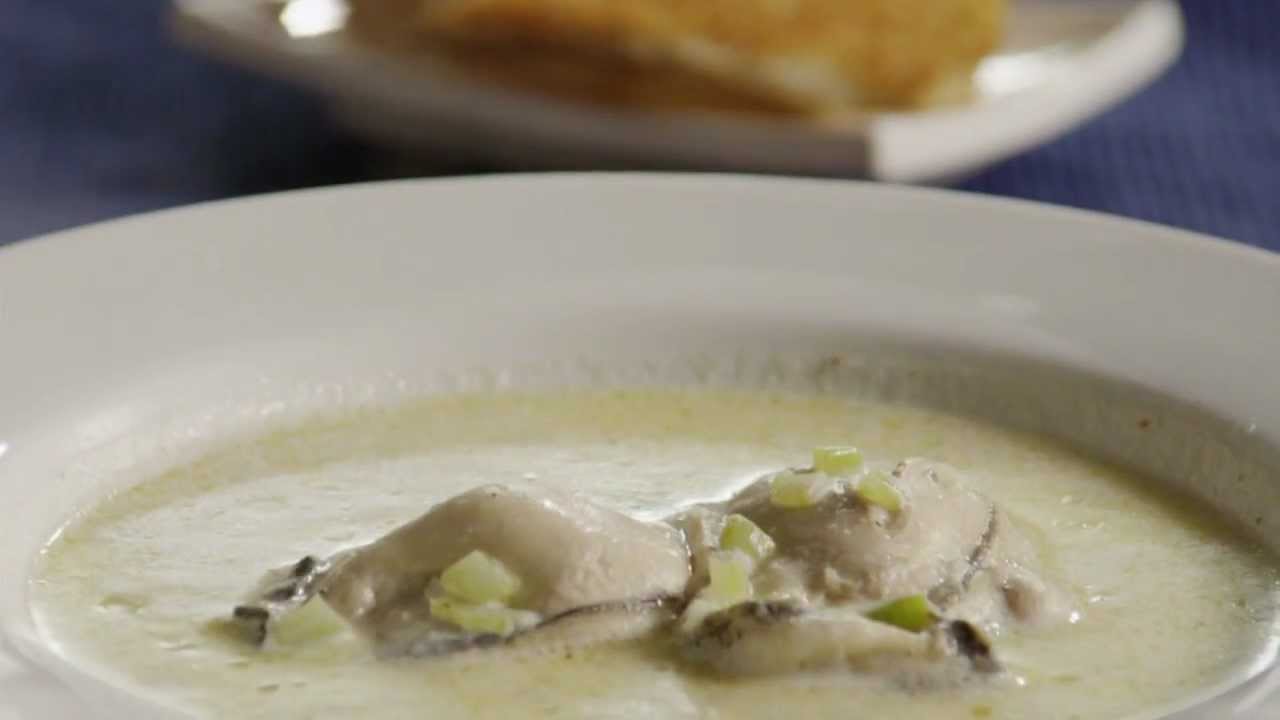
Oyster Soup Recipe: Oyster soup is one of those timeless recipes that warms both the body and soul. For generations, it has been enjoyed as a hearty meal on cold evenings, a festive dish during the holidays, and even as a special indulgence when fresh oysters are in season. This creamy, flavorful soup not only highlights the delicate taste of oysters but also combines it with the richness of cream and butter, creating a dish that feels both luxurious and comforting.
A Brief History of Oyster Soup
Oyster soup has roots stretching back centuries. In coastal regions, where oysters were abundant, locals created hearty stews and soups to make the most of this ocean delicacy. In the United States, oyster soup (often called “oyster stew”) became a holiday tradition, especially around Christmas Eve. This was partly due to the Catholic tradition of avoiding meat on certain holy days, with oysters providing a flavorful seafood alternative. Across Europe and Asia, variations of oyster soup developed, often seasoned with regional herbs and spices. Today, oyster soup remains a celebrated dish across the globe, admired for its creamy texture and briny depth of flavor.
Why Oyster Soup is a Comfort Food
What makes oyster soup such a comforting meal? It’s all about balance. The cream and butter provide richness and warmth, the oysters add a delicate seafood flavor, and the aromatics (like onions, garlic, and celery) enhance the overall taste. It’s a dish that feels cozy, filling, and indulgent all at once. For many families, oyster soup isn’t just food—it’s tradition. It’s what brings people together during chilly nights, holidays, or special gatherings. Think of it as the ocean’s answer to chicken soup—simple, nourishing, and heartwarming.
Ingredients You’ll Need for Oyster Soup
To make the perfect oyster soup, you’ll need a mix of fresh seafood, dairy, and aromatics. Let’s break down the essentials.
Fresh Oysters
The star of the dish is, of course, fresh oysters. While some recipes allow canned or frozen oysters, fresh is always best for flavor and texture. You’ll want about a pint of freshly shucked oysters (with their liquor) for a family-sized batch. Oyster liquor—the natural briny liquid inside the shell—adds depth to the soup, so never throw it away.
Dairy Essentials – Cream, Milk, and Butter
The creaminess of oyster soup comes from dairy. Whole milk and heavy cream create a silky base, while butter adds richness and a smooth mouthfeel. Using high-quality dairy ensures the soup tastes indulgent without being overly heavy.
Vegetables and Aromatics
Onions, garlic, celery, and leeks are classic choices to build the flavor foundation. They’re usually sautéed in butter before the liquids and oysters are added. Some variations also include potatoes for extra heartiness.
Herbs and Seasonings
A good oyster soup needs simple yet effective seasoning. Salt and black pepper are a must, but fresh parsley, thyme, and a touch of bay leaf elevate the flavor. Some cooks like to add a pinch of cayenne pepper for a subtle kick.
Optional Add-Ons for Extra Flavor
If you want to make your oyster soup more unique, you can add ingredients like bacon bits, mushrooms, or even a splash of dry white wine. These additions deepen the flavor and make the soup more complex without overpowering the oysters.
Kitchen Tools and Equipment Needed
Before cooking, it’s best to gather your tools so the process runs smoothly.
Pots and Pans
A heavy-bottomed soup pot or Dutch oven works best for even cooking. You’ll also need a smaller saucepan if you want to heat milk separately before adding it to the soup.
Knives and Cutting Boards
Since you’ll be chopping onions, celery, and herbs, make sure you have a sharp chef’s knife and a sturdy cutting board.
Serving Essentials
For presentation, oyster soup looks beautiful in deep bowls with a sprinkle of fresh herbs or a swirl of cream on top. You may also want a ladle for serving and warm bread on the side.
Preparing the Ingredients Before Cooking
Like any great recipe, success with oyster soup starts with preparation.
Cleaning and Shucking Oysters
If you’re using fresh oysters in the shell, you’ll need to shuck them carefully. Use an oyster knife and a thick cloth to protect your hand while prying open the shell. Once opened, collect the oyster meat and strain the liquor through a fine mesh to remove any grit.
Prepping Vegetables and Herbs
Dice the onions, slice the celery, and chop the herbs finely. Keeping everything uniform helps the soup cook evenly.
Setting Up for a Smooth Cooking Experience
Measure out all your ingredients before you start cooking. This ensures you don’t scramble to find ingredients mid-recipe and allows the cooking process to be calm and enjoyable.
Step-by-Step Guide to Making Oyster Soup
Now that everything is ready, let’s get cooking!
Step 1 – Sautéing Aromatics
In your soup pot, melt butter over medium heat. Add onions, garlic, and celery, and sauté until they turn soft and fragrant. This step lays the foundation for flavor, so take your time and don’t rush.
Step 2 – Adding the Base Liquids
Pour in milk and cream, stirring slowly to prevent curdling. Keep the heat low—boiling dairy can ruin the smooth texture of your soup.
Step 3 – Cooking the Oysters
Once the base is warm, add the oysters and their liquor. Cook gently until the edges of the oysters curl, which usually takes just a few minutes. Overcooking will make them tough, so watch closely.
Step 4 – Balancing Flavors with Herbs and Spices
Season with salt, pepper, and fresh herbs. Taste and adjust as needed. This is where you can add optional ingredients like white wine or a pinch of cayenne.
Step 5 – Serving Oyster Soup the Right Way
Ladle the soup into bowls, garnish with parsley or chives, and serve hot with crusty bread or crackers. A swirl of cream on top can make it extra appealing.
Pro Tips for Perfect Oyster Soup
Cooking oyster soup might sound intimidating at first, but with a few tricks up your sleeve, you can achieve restaurant-quality results at home. The beauty of this dish lies in its simplicity, and the key to mastering it is knowing when to stop. Here’s how to get the perfect bowl every time.
Avoiding Overcooking the Oysters
One of the most common mistakes people make is overcooking the oysters. Oysters are delicate, and they only need a short cooking time—just until their edges begin to curl. If you leave them in the pot for too long, they turn rubbery and chewy, which ruins the texture of the soup. Think of them like shrimp; once they curl slightly, they’re done. If you want to keep their flavor vibrant and fresh, add them at the last minute and remove the pot from heat right after they’re cooked through.
Getting the Right Consistency
The perfect oyster soup should have a smooth, velvety texture—not too thin, not too thick. If it’s too watery, you can let it simmer a bit longer to reduce and concentrate the flavors. If it turns too thick, add a splash of milk or cream to loosen it up. The balance of creaminess and brininess is what makes this soup shine, so don’t be afraid to adjust until it feels just right on your spoon.
Best Pairings with Oyster Soup
Oyster soup tastes wonderful on its own, but pairing it with the right sides can take it to another level. Freshly baked sourdough, buttery biscuits, or oyster crackers complement the creamy texture. For drinks, a crisp white wine like Sauvignon Blanc or a light Chardonnay balances the richness, while a cold lager or pilsner offers a refreshing contrast. If you’re serving oyster soup at a dinner party, you can also pair it with a light salad as a starter, making the meal feel both elegant and satisfying.
Common Mistakes to Avoid
Even though oyster soup is straightforward, a few missteps can ruin the experience. Knowing what not to do is just as important as knowing what to do.
Using Canned Oysters Instead of Fresh
Yes, canned oysters are convenient, but they can never compare to the flavor and texture of fresh ones. Canned oysters often have a dull, metallic taste that seeps into the soup, making it less enjoyable. If you absolutely must use them, rinse them lightly before adding, but whenever possible, go with fresh oysters from a trusted seafood market.
Over-Seasoning or Under-Seasoning
Because oysters have a natural briny flavor, it’s easy to go overboard with salt. On the flip side, under-seasoning can make the soup taste bland. The trick is to season gradually. Taste the soup after adding the oysters and herbs, then adjust carefully. Freshly cracked black pepper is almost always a safe addition, while a tiny pinch of cayenne can bring warmth without overpowering the delicate oyster taste.
Ignoring the Importance of Fresh Cream
The cream is just as important as the oysters in this recipe. Using low-quality or old cream can leave a sour aftertaste that spoils the whole dish. Always choose fresh, heavy cream or whole milk, and never let it boil once added. Scalding or boiling cream separates the fat, making the soup grainy instead of smooth and creamy.
Variations of Oyster Soup Around the World
One of the fascinating things about oyster soup is that it’s not limited to one style or culture. Different regions have their own versions, and each brings something unique to the table.
American Oyster Stew
In the United States, oyster stew is the most popular version. It’s typically made with milk, cream, butter, and a handful of simple seasonings. Many families enjoy it as a Christmas Eve tradition, especially in the South and along the East Coast. The simplicity of the dish highlights the natural flavor of oysters, making it a classic comfort food.
Asian-Inspired Oyster Soup
In Asian cuisine, oyster soup often takes on a lighter, broth-based style. Instead of cream, the base may consist of ginger-infused broth, soy sauce, and rice wine. Vegetables like bok choy, mushrooms, and scallions add freshness, while a drizzle of sesame oil enhances the aroma. This version is lighter than the American one but just as satisfying, offering a savory, umami-rich experience.
French-Style Oyster Bisque
Leave it to the French to add elegance to oyster soup. A bisque is a creamy, smooth, and often wine-enriched soup that’s pureed to perfection. French oyster bisque usually includes leeks, shallots, dry white wine, and sometimes a splash of cognac for depth. It’s a richer, more sophisticated take on the dish—perfect for dinner parties or romantic occasions.
Serving Suggestions and Pairings
When it comes to serving oyster soup, presentation and pairings matter just as much as the flavor.
Bread and Crackers
Oyster soup begs for something to scoop it up with. Classic oyster crackers are a timeless choice, but crusty bread, garlic toast, or even buttery biscuits make wonderful companions. If you’re aiming for elegance, serve the soup with toasted baguette slices topped with a light garlic butter spread.
Wine Pairings
Pairing wine with oyster soup can elevate the dining experience. Crisp, acidic wines like Sauvignon Blanc, Pinot Grigio, or a sparkling Champagne cut through the richness of the cream. If you prefer red wine, go with something light like Pinot Noir, which won’t overpower the delicate oyster flavor.
Garnishing Ideas
A simple garnish can transform a humble bowl of oyster soup into a restaurant-worthy dish. Fresh parsley or chives sprinkled on top add color and freshness. For an indulgent twist, add a few crispy bacon bits or a drizzle of truffle oil. Even a swirl of extra cream or a grind of fresh black pepper can enhance both the look and taste.
Storing and Reheating Oyster Soup
Leftovers are rare with oyster soup, but if you do have some, proper storage ensures you can enjoy it again without losing quality.
Refrigerating Oyster Soup Safely
Oyster soup should be cooled quickly and stored in an airtight container in the refrigerator. It will stay fresh for about 2–3 days. Beyond that, the texture of the oysters can deteriorate, and the dairy base may separate.
Freezing Oyster Soup – Is It Possible?
Freezing oyster soup is not recommended. The dairy tends to split, and the oysters become rubbery once thawed. If you must freeze it, try freezing only the base (without oysters) and adding fresh oysters later when reheating. This helps preserve both the texture and flavor.
Best Reheating Methods
When reheating, always do so gently over low heat. Avoid boiling, as this can curdle the cream and overcook the oysters. Stir frequently to maintain a smooth consistency, and if needed, add a splash of fresh cream or milk to restore richness.
Nutritional Value of Oyster Soup
Oyster soup is more than just a comforting dish—it’s also packed with nutrients that can give your body a healthy boost. While it feels indulgent because of the cream and butter, the oysters themselves are a nutritional powerhouse. Let’s break it down.
Protein and Healthy Fats
Oysters are rich in high-quality protein, which your body needs for muscle repair and overall health. Unlike red meats, oysters provide lean protein with minimal saturated fat, making them an excellent seafood choice. The cream and butter in the soup do add fat, but they also bring healthy fats that help with energy and satiety. The balance of seafood protein and dairy fat makes this soup filling and satisfying without being overly heavy.
Vitamins and Minerals from Oysters
One of the biggest nutritional benefits of oysters is their impressive mineral content. They are a top source of zinc, which is essential for immune function, wound healing, and skin health. Oysters also provide iron, magnesium, and selenium, all of which contribute to overall wellness. On the vitamin side, they’re loaded with B12, a nutrient crucial for nerve function and energy production. Pairing these with vegetables like onions, celery, and herbs in the soup adds a mix of antioxidants and fiber.
Caloric Breakdown
The calorie count of oyster soup depends on how it’s prepared. A traditional cream-based oyster soup can range between 250–400 calories per serving, depending on the amount of butter and cream used. If you make a lighter version with less cream or swap part of it for broth, you can reduce the calories significantly without losing too much flavor. This makes oyster soup flexible—it can be a hearty indulgence or a lighter, health-conscious meal depending on your preferences.
Health Benefits of Eating Oyster Soup
Beyond being delicious, oyster soup offers health perks that make it more than just comfort food.
Boosting Immunity
Thanks to its high zinc content, oyster soup supports a strong immune system. Zinc helps your body fight off colds, heal wounds, and maintain healthy cell growth. Combined with the vitamins and minerals in the vegetables and herbs, this soup becomes a natural immunity booster, especially comforting during the colder months when flu season hits.
Supporting Heart Health
Seafood in general is known for its heart-healthy benefits, and oysters are no exception. They contain omega-3 fatty acids, which reduce inflammation and promote good cardiovascular health. When paired with moderation in butter and cream, oyster soup can actually be part of a balanced, heart-friendly diet. Choosing whole milk or even partially replacing cream with broth can make it a lighter but still flavorful dish.
Promoting Healthy Skin and Hair
The zinc, vitamin B12, and protein in oysters also play a role in skin and hair health. Zinc promotes clear skin, helps fight acne, and supports healthy hair growth. The collagen-supporting properties of protein make oyster soup a tasty way to nourish your body from the inside out. Pair this with the hydration and antioxidants from herbs and vegetables, and you’ve got a meal that does more than just fill you up—it helps you glow.
Oyster Soup for Special Occasions
Oyster soup isn’t just for weeknight dinners; it has a special place in holiday traditions and celebratory meals.
Holiday Oyster Soup Tradition
In many households, especially along the American East Coast, oyster soup is a Christmas Eve staple. This tradition dates back to times when meat was avoided on holy days, and oysters provided a festive, filling alternative. Families continue this custom today, often serving oyster soup as a starter before the main holiday feast.
Oyster Soup for Romantic Dinners
There’s something undeniably romantic about oysters. Known as an aphrodisiac for centuries, oysters are often associated with love and luxury. Serving oyster soup at a candlelit dinner is a great way to bring elegance to the table. The creamy texture and rich flavor make it feel indulgent without being overly heavy, leaving room for dessert and conversation.
Oyster Soup in Festive Menus
If you’re hosting a party or special event, oyster soup makes an impressive first course. It sets a sophisticated tone for the meal and pairs beautifully with wine or champagne. Served in small cups or bowls as an appetizer, it gives your guests a taste of something rich and refined without overwhelming them before the main dishes arrive.
Oyster Soup vs Oyster Stew – What’s the Difference?
Many people use the terms “oyster soup” and “oyster stew” interchangeably, but they do have subtle differences.
Ingredients Comparison
Oyster stew traditionally uses very few ingredients: oysters, milk, butter, salt, and pepper. It’s intentionally simple so that the oyster flavor takes center stage. Oyster soup, however, often includes more aromatics—onions, celery, garlic, and herbs—making it slightly more complex in flavor.
Cooking Technique Differences
Oyster stew is usually prepared very quickly, often in under 15 minutes, with the oysters added right before serving. Oyster soup, depending on the recipe, may involve a longer process, such as sautéing vegetables, simmering the base, and layering flavors.
Which One Should You Make?
If you’re looking for something quick, light, and oyster-forward, go for oyster stew. If you prefer a heartier dish with more depth of flavor, oyster soup is the better choice. Both are delicious—it just depends on your mood and occasion.
FAQs about Oyster Soup Recipe
Q1: Can I Use Frozen Oysters?
Yes, but fresh is always best. If using frozen, thaw them completely and pat them dry before adding them to the soup.
Q2: What’s the Best Cream for Oyster Soup?
Heavy cream gives the richest flavor and texture. For a lighter option, you can use half-and-half or a combination of milk and broth.
Q3: How Do I Prevent a Fishy Taste?
Always use fresh oysters from a trusted source. Adding a splash of white wine, lemon juice, or fresh herbs can help balance the flavor if needed.
Q4: Can I Make It Ahead of Time?
You can prepare the base ahead, but add the oysters just before serving to keep them tender and fresh.
Q5: How Do I Make It Spicy?
A pinch of cayenne pepper, a dash of hot sauce, or even a sprinkle of chili flakes can give your oyster soup a gentle kick without overpowering it.
Conclusion
Oyster soup is more than just a dish—it’s tradition, comfort, and elegance all in one bowl. From its creamy, velvety texture to the delicate brininess of fresh oysters, it’s the kind of recipe that brings warmth and joy to the table. Whether you’re making it for a quiet dinner, a romantic evening, or a festive celebration, oyster soup never fails to impress. With the right ingredients, careful preparation, and a few helpful tips, you can master this timeless recipe and make it part of your own kitchen tradition.