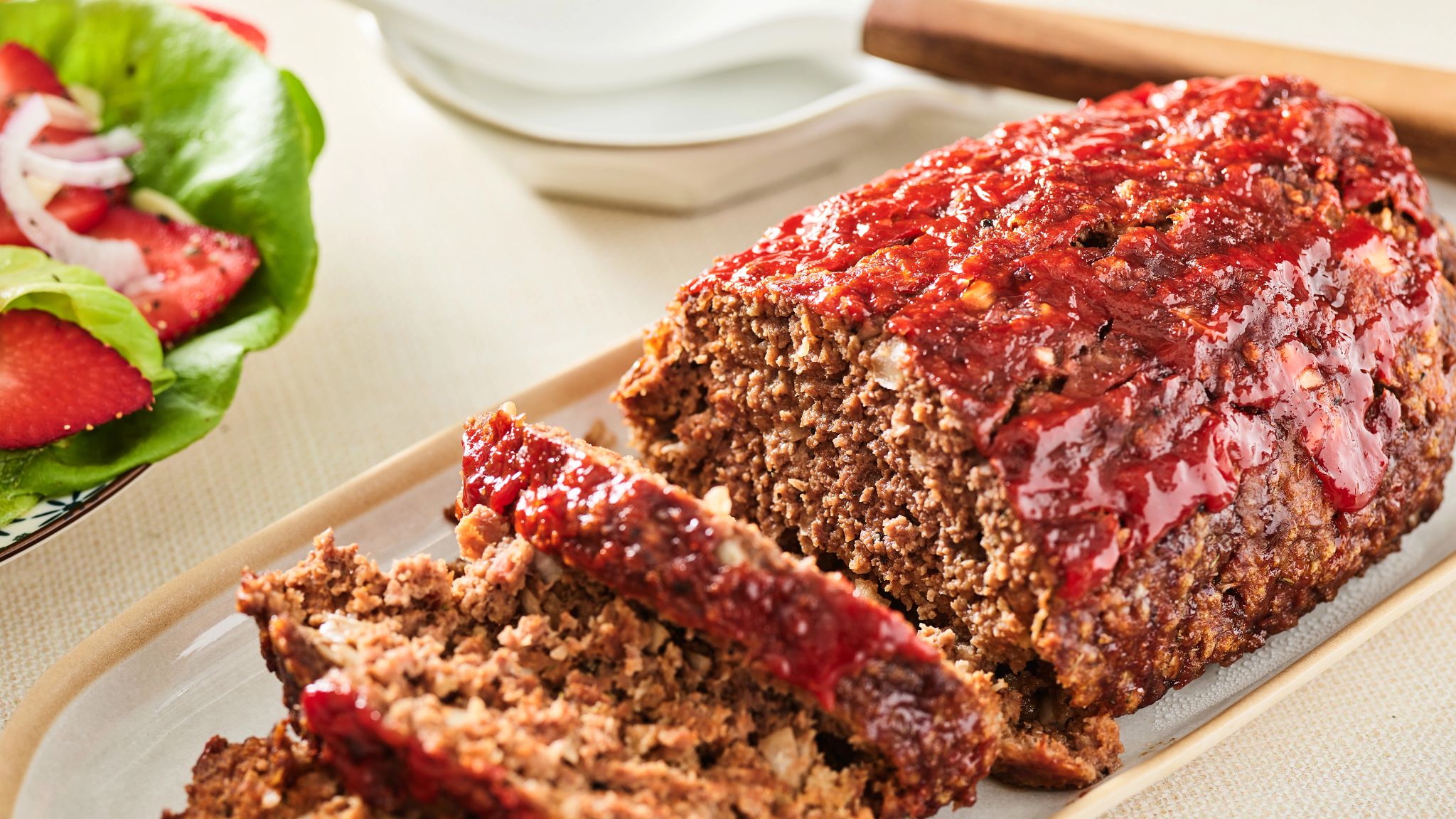
Old Fashioned Meatloaf Recipe: Meatloaf is one of those dishes that never really goes out of style. It’s hearty, satisfying, and has a way of bringing families together around the dinner table. Unlike fancy gourmet meals that require exotic ingredients, meatloaf is simple, budget-friendly, and versatile. You can serve it with mashed potatoes and gravy for that true comfort food experience, or with roasted vegetables if you want to keep it on the healthier side. Many people remember meatloaf as a staple in their childhood homes, where it was often served as a weekday dinner that everyone looked forward to. The beauty of meatloaf is that it feels both familiar and customizable, making it a recipe that gets passed down through generations. When prepared the old-fashioned way, it delivers that rich, homestyle taste that modern shortcuts often fail to capture.
A Quick History of Meatloaf
The origins of meatloaf go way back, even as far as the Romans, who had their own versions of minced meat mixed with spices. However, the dish as we know it today really took shape in the United States during the 19th century. It became especially popular during the Great Depression because it was an economical way to stretch ground meat by mixing it with breadcrumbs, oats, or vegetables. Families found that it was not only filling but also a way to use up leftovers. Over the years, meatloaf has evolved into countless variations, but the old-fashioned version remains the gold standard. It’s the kind of recipe that feels nostalgic, reminding us of simpler times when meals were made from scratch with love.
Why This Old Fashioned Recipe Still Works Today
Despite the availability of quick-fix meals and ready-made options, this old-fashioned meatloaf recipe continues to win hearts. Why? Because it delivers on every front—flavor, texture, and comfort. The combination of ground beef, onions, seasonings, and a tangy glaze makes it irresistible. It’s also incredibly forgiving, meaning even if you’re not the most experienced cook, you can still make a great meatloaf with ease. Plus, it’s versatile enough to adapt to different tastes and dietary needs. Whether you’re cooking for a family dinner, a potluck, or even prepping meals for the week, this recipe stands the test of time. It’s more than just food—it’s tradition on a plate.
Ingredients You’ll Need
Main Ingredients for the Meatloaf
To make an authentic old-fashioned meatloaf, you’ll need a handful of staple ingredients that you probably already have in your kitchen. Here’s the essential list:
- Ground beef (80/20 blend recommended) – provides the rich, juicy base.
- Breadcrumbs or crushed crackers – helps bind the mixture and prevents dryness.
- Eggs – the ultimate binder that keeps the loaf together.
- Milk – adds moisture and softness.
- Onion (finely chopped) – for flavor and texture.
- Garlic (minced) – gives depth to the flavor profile.
- Salt and black pepper – essential for seasoning.
- Worcestershire sauce – for that umami punch.
These ingredients come together to form the heart of the meatloaf. The ratio of beef to breadcrumbs and eggs is what makes or breaks the texture. Too many crumbs, and you’ll have a dry loaf. Too few, and it won’t hold its shape.
Optional Additions for Extra Flavor
While the classic recipe is delicious on its own, you can enhance it with a few optional add-ins:
- Grated carrots or zucchini – for added moisture and nutrition.
- Parsley or fresh herbs – to brighten up the flavors.
- Cheese (cheddar or parmesan) – adds richness and a slight tang.
- Bell peppers (diced) – for sweetness and crunch.
- Hot sauce or chili flakes – if you like a little heat.
These extras allow you to customize your meatloaf depending on your mood or the ingredients you have on hand. Think of them as flavor boosters rather than essentials.
Ingredients for the Glaze
No meatloaf is complete without a glossy glaze on top. It caramelizes beautifully in the oven and balances out the savory loaf with a touch of sweetness. The traditional glaze calls for:
- Ketchup – the base that gives it that classic taste.
- Brown sugar – for sweetness and caramelization.
- Mustard (yellow or Dijon) – for tang.
- A splash of vinegar or Worcestershire sauce – for extra zing.
This glaze not only enhances the flavor but also makes the presentation mouthwatering. It’s what gives meatloaf its signature old-school look.
Kitchen Tools and Equipment
Essential Tools
Before you get started, make sure you have the right tools on hand:
- Mixing bowls – one for the meat mixture and another for the glaze.
- Measuring cups and spoons – to ensure accuracy.
- Loaf pan or baking sheet – depending on how you want to shape your meatloaf.
- Knife and cutting board – for prepping veggies.
- Spatula or wooden spoon – for mixing.
- Meat thermometer – to check doneness.
These are the basics you’ll need to get the job done smoothly.
Optional Tools for Easier Cooking
If you want to make the process even more convenient, here are some extras you might appreciate:
- Food processor – to quickly chop onions and garlic.
- Silicone baking mat – for easy cleanup if baking on a sheet.
- Cooling rack – to let the meatloaf rest evenly.
- Mini loaf pans – if you prefer individual portions.
Having the right tools makes the experience not only easier but also more enjoyable. After all, cooking should feel fun, not frustrating.
Step-by-Step Guide to Making Old Fashioned Meatloaf
Step 1 – Preparing the Ingredients
Start by gathering all your ingredients so you have everything within reach. Chop the onion finely (nobody likes big chunks in their meatloaf unless intended), mince the garlic, and if you’re adding veggies like carrots or zucchini, grate them ahead of time. Preheat your oven to 375°F (190°C). This is the sweet spot for meatloaf—hot enough to cook it through without drying it out. Grease your loaf pan lightly or line a baking sheet with parchment paper if you prefer a free-form meatloaf. Prepping everything in advance makes the whole process smoother and ensures you won’t be scrambling halfway through.
Step 2 – Mixing the Meatloaf Base
Once your ingredients are prepped, it’s time to build the foundation of your meatloaf. In a large mixing bowl, combine the ground beef, breadcrumbs (or crushed crackers), eggs, milk, onion, garlic, Worcestershire sauce, salt, and pepper. The key here is balance. You want the mixture to hold together, but not be overly dense.
Use your hands to gently mix everything together. Yes, it can feel a little messy, but this is the best way to ensure the ingredients are evenly distributed without overworking the meat. Overmixing is the fastest route to a tough, dry meatloaf, so think of it like kneading dough—just enough to bring it all together. If the mixture feels too wet, add a few extra breadcrumbs. If it feels too dry, a splash more milk will help.
At this stage, you can also fold in any optional ingredients like grated vegetables, herbs, or cheese. This is where you make the meatloaf your own. Taste testing isn’t exactly safe since the mixture contains raw meat, but you can fry up a small portion in a skillet to check seasoning. It’s an extra step that ensures your loaf will be perfectly flavored once baked.
Step 3 – Shaping the Meatloaf
Now that the base is ready, it’s time to shape it. Transfer the mixture into a greased loaf pan for the classic shape, or form it into a free-form loaf on a lined baking sheet if you want a crispier exterior. Free-form loaves allow more of the glaze to caramelize on the outside, while loaf pans create a more uniform shape with juicier results.
When shaping, avoid packing the meat too tightly. Pressing it down firmly will make the loaf dense and heavy. Instead, gently shape it into a rounded rectangle, leaving a little space around the edges of the pan for the juices to circulate. Aim for even thickness so it cooks consistently throughout.
If you’re making smaller versions, like mini meatloaves or using muffin tins, the cooking time will be shorter, and you’ll get more glaze per bite. This method is great for meal prepping or serving at gatherings where individual portions make life easier.
Step 4 – Preparing the Glaze
The glaze is what takes meatloaf from good to unforgettable. In a small bowl, whisk together ketchup, brown sugar, mustard, and a splash of Worcestershire sauce or vinegar. This creates a tangy-sweet topping that caramelizes beautifully in the oven.
Spread about half of the glaze evenly over the top of the shaped meatloaf before baking. This first layer acts almost like a marinade, infusing flavor as the loaf cooks. Reserve the remaining glaze to brush on during the final 15 minutes of baking. This double-layer method ensures a glossy, sticky finish that clings to every slice.
Some people like to get creative here—adding barbecue sauce, sriracha, or honey for different flavor profiles. You can experiment, but the old-fashioned glaze really is hard to beat. It’s simple, classic, and instantly recognizable.
Step 5 – Baking the Meatloaf
Place your meatloaf in the preheated oven at 375°F (190°C). Bake for about 45 minutes to 1 hour, depending on the size and shape of your loaf. A standard loaf pan typically takes closer to an hour, while free-form loaves or minis cook faster.
The most important thing to remember is temperature. Use a meat thermometer to check the internal temperature—it should reach 160°F (71°C) for safe consumption. Checking the temp prevents undercooking while also ensuring you don’t leave it in too long, which can dry it out.
During the last 15 minutes of baking, pull the loaf out and brush on the remaining glaze. This final coat will bubble, caramelize, and give your meatloaf that mouthwatering presentation you remember from childhood dinners.
For an extra touch, you can place the meatloaf under the broiler for 2–3 minutes after baking. This gives the glaze a slightly sticky, barbecue-like texture without burning it.
Step 6 – Resting and Serving
When the timer dings and your meatloaf hits that perfect internal temperature, resist the urge to slice it right away. Instead, let it rest for about 10–15 minutes. This resting period allows the juices to redistribute, keeping the loaf moist instead of running out onto your cutting board.
Slice the loaf into even portions, about 1-inch thick. Meatloaf is best served warm, but it also makes fantastic leftovers for sandwiches or meal prepping. Pair it with mashed potatoes, gravy, roasted veggies, or even mac and cheese for the ultimate comfort food spread.
If you’re looking for presentation points, garnish with fresh parsley or chives. It may be a humble dish, but with a little effort, you can make it look as good as it tastes.
Tips for the Perfect Meatloaf
How to Keep Meatloaf Moist
A dry meatloaf is the ultimate letdown. To keep yours juicy:
- Use ground beef with some fat (80/20 blend works best).
- Don’t skimp on the milk and eggs—they add moisture and binding.
- Add finely grated vegetables like carrots or zucchini; they release water as they cook, keeping the loaf tender.
- Let it rest before slicing so the juices stay inside.
Flavor Variations to Try
Classic meatloaf is delicious as-is, but sometimes you want to mix things up:
- Swap ketchup for barbecue sauce in the glaze.
- Add shredded cheese inside for a gooey surprise.
- Mix in ground pork or turkey for different flavor profiles.
- Use Italian seasoning and parmesan for a Mediterranean twist.
Common Mistakes to Avoid
- Overmixing – makes it dense and tough.
- Skipping the thermometer – guessing leads to overcooked or undercooked meat.
- Not enough binder – the loaf falls apart.
- Cutting too soon – causes juices to leak out, leaving dry slices.
Master these tips, and you’ll never have a disappointing meatloaf again.
Side Dishes That Pair Well with Meatloaf
Classic Comfort Sides
When it comes to pairing meatloaf, nothing beats the classic sides that make you feel like you’re eating Sunday dinner at grandma’s table. Mashed potatoes with brown gravy are hands down the most iconic companion. The creamy potatoes soak up the rich glaze and meat juices, making each bite irresistible. Another old-school favorite is buttered corn or green beans with a touch of garlic and butter. These simple veggies balance the heaviness of the meatloaf, creating that perfect harmony on your plate. If you want to keep things traditional, dinner rolls or homemade biscuits are a great addition to mop up every last bit of glaze. These comfort sides not only taste incredible but also bring that nostalgic, homey feeling that makes meatloaf such a beloved dish.
Healthy Options
If you want to lighten things up, there are plenty of healthier sides that still complement meatloaf beautifully. Roasted vegetables like carrots, Brussels sprouts, or broccoli add flavor, fiber, and color to the meal. Cauliflower mash is a low-carb alternative to potatoes that still gives you that creamy texture. A fresh garden salad with vinaigrette can also cut through the richness of the meat, refreshing your palate between bites. For a wholesome twist, try serving meatloaf with quinoa, brown rice, or couscous instead of heavier starches. These options let you enjoy the comfort of meatloaf while keeping the meal balanced and nutritious.
Creative Pairings
Sometimes it’s fun to step outside the box. Instead of the usual mashed potatoes, pair your meatloaf with mac and cheese for the ultimate comfort food explosion. If you’re craving Southern flavors, serve it with collard greens, cornbread, and fried okra. For something a bit different, try roasted sweet potatoes or even a baked sweet potato casserole with a hint of cinnamon—it adds a sweet contrast to the savory meatloaf. Another unique option is to serve meatloaf with garlic bread and marinara sauce, turning it into an Italian-American fusion dish. With the right pairings, you can transform a simple meatloaf dinner into a full culinary experience.
Storage and Reheating Tips
How to Store Meatloaf Properly
One of the best things about meatloaf is how well it keeps. If you have leftovers, let the loaf cool completely before storing. Wrap slices tightly in plastic wrap or aluminum foil and place them in an airtight container. Properly stored, meatloaf will last up to 4 days in the refrigerator. If you want to keep it longer, freezing is a great option. Wrap the loaf (whole or in slices) in plastic wrap and then in foil, or place it in a freezer-safe bag. Frozen meatloaf can last for up to 3 months. Just make sure to label it with the date so you know when it’s time to use it.
Best Ways to Reheat Without Drying Out
Reheating meatloaf the wrong way can leave it dry and tough. To keep it moist, the oven is your best friend. Preheat to 300°F (150°C), place slices in a baking dish, and cover with foil. Add a splash of broth or water to the dish before covering to create steam and prevent drying. Bake until heated through, about 20–25 minutes.
If you’re short on time, the microwave works too, but use it carefully. Place slices on a microwave-safe plate, cover with a damp paper towel, and heat in short bursts to avoid overcooking. For a crispy glaze, you can finish slices in a skillet over medium heat, adding a little butter or oil. This method not only reheats but also caramelizes the outside, giving leftovers a freshly-cooked taste.
Nutritional Value of Meatloaf
Calories and Macronutrients
A traditional slice of old-fashioned meatloaf (about 4 oz) contains roughly 280–320 calories, depending on the fat content of the beef and the glaze used. On average, it provides:
- Protein: 18–22 grams
- Fat: 14–18 grams (with about 6–7 grams of saturated fat)
- Carbohydrates: 12–15 grams (mostly from breadcrumbs and glaze)
This makes meatloaf a hearty, protein-rich dish that’s very filling. However, the calorie count can add up quickly if you go heavy on the glaze or pair it with creamy sides.
Health Benefits and Considerations
While meatloaf is not the lightest meal, it does offer some nutritional benefits. The protein content helps with muscle repair and keeps you fuller longer. If you add vegetables like carrots, zucchini, or bell peppers, you boost the fiber and vitamin content. Using leaner meats like ground turkey or chicken can cut down on fat while keeping the dish flavorful.
For those watching sodium intake, be mindful of store-bought ketchup, Worcestershire sauce, and breadcrumbs, which often contain added salt. Opting for reduced-sodium versions or making your own substitutes at home can help. Meatloaf can be as indulgent or as health-conscious as you want it to be, depending on how you prepare it.
Variations of Old Fashioned Meatloaf
Mini Meatloaves
If you want a quicker cook time and more glaze per bite, mini meatloaves are the way to go. You can shape them into small loaves or bake them in a muffin tin. These are perfect for portion control, meal prepping, or serving at parties. Plus, they cook in about half the time of a full loaf.
Meatloaf Muffins
Meatloaf muffins are a fun twist on the classic dish. By baking the mixture in a muffin pan, you get perfectly portioned servings that are kid-friendly and easy to freeze. Each muffin can be topped with its own dollop of glaze, making them extra flavorful and convenient for lunchboxes.
Different Meat Combinations
While beef is the classic choice, meatloaf can be made with a variety of ground meats. A blend of beef, pork, and veal creates a rich, tender loaf with layers of flavor. For a lighter option, try ground turkey or chicken. You can even experiment with lamb or venison for something unique. Vegetarian versions also exist, using lentils, beans, or mushrooms as the base—proof that meatloaf truly can adapt to any diet.
FAQs about Old Fashioned Meatloaf Recipe
Q1: Can I make meatloaf ahead of time?
Yes! You can assemble the meatloaf mixture, shape it, and refrigerate it (covered) for up to 24 hours before baking. This makes it a great make-ahead meal for busy nights.
Q2: What’s the best meat blend for meatloaf?
An 80/20 ground beef blend is ideal for juiciness, but mixing in ground pork or veal adds even more depth of flavor.
Q3: How do I know when meatloaf is done?
Use a meat thermometer—the internal temperature should reach 160°F (71°C) for safe eating.
Q4: Can I freeze leftover meatloaf?
Absolutely. Wrap slices or the whole loaf tightly in foil and freeze for up to 3 months. Thaw in the refrigerator overnight before reheating.
Q5: How do I keep my meatloaf from falling apart?
Make sure to use enough binders like eggs and breadcrumbs, and don’t skip resting time after baking. This helps it firm up and hold its shape when sliced.
Conclusion
Old-fashioned meatloaf isn’t just a recipe—it’s a tradition. It’s a dish that carries memories of family dinners, cozy kitchens, and comfort that only a homemade meal can provide. With simple ingredients, a straightforward process, and endless customization options, it’s no wonder meatloaf has stood the test of time. Whether you stick with the classic or explore creative variations, this dish will always have a place at the table. So, roll up your sleeves, gather your ingredients, and bring this timeless favorite back into your kitchen. Your taste buds—and your family—will thank you.