Old Bay Crab Cake Recipe: There’s nothing quite like biting into a golden, crispy, and flavorful crab cake seasoned with Old Bay. Known for its unique spice blend, Old Bay seasoning has become the signature taste behind Maryland-style crab cakes, giving them that irresistible balance of savory, spicy, and slightly tangy flavors. These crab cakes are not only a seafood lover’s dream but also an impressive dish you can serve at family dinners, summer cookouts, or even as an elegant appetizer at parties.
Crab cakes are simple to make but mastering them requires a few tricks—especially making sure they’re packed with tender crab meat without falling apart. Unlike other seafood recipes, crab cakes are all about balance: you want just enough binding to hold everything together but not so much that it overshadows the delicate sweetness of the crab itself. That’s where Old Bay seasoning comes in—it ties everything together perfectly without overpowering the natural flavors.
Whether you’re a seasoned home cook or trying crab cakes for the first time, this step-by-step guide will walk you through the entire process. By the end, you’ll have restaurant-quality crab cakes made right in your kitchen.
What Makes Old Bay Crab Cakes Special
So, why Old Bay? Well, Old Bay seasoning has been around since 1939 and has earned a permanent spot in American kitchens, especially in Maryland and along the East Coast. The magic lies in its blend of celery salt, black pepper, crushed red pepper flakes, and paprika. It’s a seasoning designed to complement seafood—particularly crab and shrimp—without overwhelming it.
Crab cakes made with Old Bay aren’t just about taste; they’re about tradition. Maryland crab cakes are famous for their light, flaky texture and rich flavor, and Old Bay is at the heart of that. Many people say you can’t even call it a real crab cake unless it has Old Bay in it!
Another special thing about these crab cakes is their versatility. You can serve them as a main dish with a fresh salad, make them into sliders for game night, or serve bite-sized versions as cocktail appetizers. No matter how you prepare them, they always shine when Old Bay is part of the recipe.
The History of Old Bay Seasoning
Before we dive into the ingredients, let’s take a quick look at Old Bay’s history. This iconic spice mix was created by Gustav Brunn, a German immigrant who fled to the U.S. during World War II. Settling in Baltimore, Maryland, he came up with a spice blend specifically for seafood, which eventually became known as Old Bay.
The name itself comes from the Old Bay Line, a passenger ship line that ran on the Chesapeake Bay—tying the seasoning to its Maryland roots. Since then, Old Bay has become more than just a seasoning; it’s a cultural staple. Today, you’ll find it on fries, popcorn, chicken, and even in Bloody Mary cocktails, but crab cakes remain its most classic and beloved pairing.
Now that you know the story, let’s move on to what you’ll need to make the best Old Bay crab cakes at home.
Ingredients You’ll Need
Making crab cakes is surprisingly simple, but choosing the right ingredients makes all the difference. Let’s break down what you’ll need.
Fresh Crab Meat – The Star Ingredient
The type of crab meat you use will define the taste and texture of your crab cakes. Fresh lump crab meat is the best option—it’s tender, flavorful, and has large chunks that give your crab cakes that restaurant-quality bite. You can also use backfin crab meat or a mix of lump and claw meat if you want a more budget-friendly option.
Essential Binding Ingredients
To keep your crab cakes from falling apart, you need binders:
- Eggs – act as the glue.
- Mayonnaise – adds creaminess and moisture.
- Breadcrumbs or Cracker Crumbs – hold everything together without overpowering.
Flavor Boosters and Seasonings
- Old Bay Seasoning – the star flavor.
- Dijon Mustard – adds tang and sharpness.
- Worcestershire Sauce – enhances umami.
- Fresh Parsley – for freshness.
- Lemon Juice – for a zesty kick.
Optional Add-ins for Extra Taste
- Hot Sauce – for spice lovers.
- Celery or Bell Peppers – for crunch.
- Green Onions – for a mild onion flavor.
With your ingredients ready, it’s time to bring everything together in the step-by-step guide.
Step-by-Step Guide to Making Old Bay Crab Cakes
Step 1 – Preparing the Crab Meat
Start by gently picking through the crab meat to remove any bits of shell. Be careful not to shred the lumps—you want those big, juicy chunks to stay intact. Place the crab meat in a large mixing bowl and set it aside.
Step 2 – Mixing the Binding Ingredients
Now that your crab meat is ready, it’s time to create the mixture that will hold everything together. In a separate bowl, whisk together the egg, mayonnaise, Dijon mustard, Worcestershire sauce, lemon juice, and Old Bay seasoning. This wet mixture is crucial because it adds both flavor and structure to the crab cakes.
When mixing, keep in mind that balance is everything. Too much binding mixture, and your crab cakes will turn out heavy and overly bready. Too little, and they’ll fall apart during cooking. Aim for a consistency that lightly coats the crab meat without drowning it. Think of it like making a salad—you want just enough dressing to enhance, not smother.
One important tip here is to mix gently. Overbeating the mixture can lead to a dense texture. Instead, stir until just combined and smooth. You’ll notice that the mayonnaise and egg create a creamy base, while the mustard and Worcestershire sauce provide depth and tang. The Old Bay seasoning is, of course, the star of the show—giving that signature Maryland-style flavor.
This mixture is your “glue,” so once it’s ready, you’re halfway to making the perfect crab cakes.
Step 3 – Gently Folding in the Crab Meat
Here’s where you need to slow down and be extra gentle. Add the prepared crab meat to your binding mixture and fold it in carefully with a spatula or your hands. Unlike ground beef for burgers, crab meat is delicate, and rough mixing will shred it into tiny pieces.
Your goal is to keep those big, beautiful lumps of crab meat intact. Imagine folding whipped cream into a cake batter—you don’t stir aggressively; you fold with patience. The same principle applies here.
Once the crab meat is evenly coated, sprinkle in the breadcrumbs or cracker crumbs. These should be added gradually until the mixture feels firm enough to hold together when shaped. Don’t overdo it—crab cakes should be about crab, not bread. A common mistake many people make is adding too many fillers, which leads to dry, bland cakes. You want to taste the sweet, ocean-like flavor of the crab in every bite.
At this stage, you can also toss in optional extras like chopped parsley, green onions, or a splash of hot sauce for an extra kick. Just remember: less is more. The crab should always be the star.
Step 4 – Shaping the Crab Cakes
Once your mixture is ready, it’s time to shape the crab cakes. Using clean hands, scoop out a portion (about ½ cup for larger cakes or ¼ cup for smaller ones) and gently press it into a patty. Don’t pack it too tightly, or the cakes will become dense and heavy. Instead, aim for a loose but firm patty that holds its shape.
Lay the shaped crab cakes on a baking sheet lined with parchment paper. For best results, refrigerate them for at least 30 minutes before cooking. This chilling step is essential because it helps the cakes firm up and reduces the risk of them falling apart in the pan. Think of it as giving them time to “set” before hitting the heat.
If you’re planning ahead, you can even shape the crab cakes a day in advance and keep them chilled until you’re ready to cook. This makes them perfect for dinner parties or special occasions—you can prep everything early and then cook them fresh when it’s time to serve.
Step 5 – Cooking the Crab Cakes to Perfection
Now comes the best part—cooking those beautiful crab cakes. There are a few different methods, each with its own advantages.
- Pan-Frying (Most Popular) – Heat a skillet over medium heat and add a little oil or butter. Cook the crab cakes for about 4–5 minutes per side until golden brown and crispy. This method gives you that irresistible crunchy crust with a soft, moist interior.
- Baking (Healthier Option) – Preheat your oven to 375°F (190°C). Place the crab cakes on a greased baking sheet and bake for 12–15 minutes, flipping halfway. This method uses less oil but still delivers delicious results.
- Air Frying (Modern Twist) – Spray your crab cakes lightly with oil and place them in the air fryer at 375°F for 10–12 minutes. This method is great for achieving a crispy exterior without excess grease.
No matter which method you choose, avoid overcooking. Crab meat is delicate, and overcooking can dry it out quickly. You want a golden crust on the outside with tender, juicy crab inside. Once they’re cooked, let them rest for a minute before serving—they’ll firm up slightly and hold together better on the plate.
Tips for Perfect Crab Cakes
Even with a great recipe, a few tips can take your crab cakes from good to unforgettable.
How to Keep Crab Cakes from Falling Apart
The most common frustration with crab cakes is when they break apart during cooking. To prevent this:
- Always chill them before cooking.
- Don’t overmix the crab meat.
- Use just enough binder (egg + mayo + crumbs).
- Handle gently when flipping—use a wide spatula for support.
Best Cooking Methods – Pan-Frying vs. Baking vs. Air Frying
- Pan-frying is the classic choice for maximum flavor and texture.
- Baking is great if you’re making a large batch and want to cut down on oil.
- Air frying is perfect for a lighter, modern approach that still delivers crispiness.
Choosing the Right Crab Meat
Whenever possible, go for fresh lump crab meat. It’s pricier but worth every penny for its sweet, tender flavor. If fresh isn’t available, refrigerated pasteurized crab meat is the next best option. Canned crab meat works in a pinch but tends to be less flavorful.
Serving Suggestions
Crab cakes are incredibly versatile, which makes them an easy dish to serve in different settings—from casual dinners to fancy gatherings. The best part? They pair beautifully with a variety of sauces, sides, and presentations.
Best Sauces for Crab Cakes
A good sauce can elevate crab cakes to a whole new level. Here are some popular options:
- Classic Tartar Sauce – Creamy, tangy, and a little crunchy, tartar sauce is a timeless pairing.
- Lemon Aioli – A smooth, garlicky mayo-based sauce with a squeeze of lemon juice for freshness.
- Remoulade – A slightly spiced sauce from Louisiana with mustard, paprika, and pickles for a bold kick.
- Cocktail Sauce – Perfect for those who love a sharp, horseradish tang.
- Melted Butter with Lemon – Sometimes, simple is best.
The key is to choose a sauce that complements the crab without overpowering its delicate flavor.
Side Dishes That Pair Perfectly
Crab cakes shine on their own, but the right sides can make the meal complete. Some great choices include:
- Fresh Green Salad – A light, crisp salad balances the richness of crab cakes.
- Coleslaw – Creamy or vinegar-based slaw adds crunch and tang.
- Corn on the Cob – Sweet corn is a natural match for seafood.
- Garlic Mashed Potatoes – For a hearty, comforting side.
- Grilled Vegetables – Zucchini, asparagus, or bell peppers pair well with the smoky flavor of crab cakes.
How to Serve Crab Cakes as Appetizers or Main Course
- As an appetizer, make smaller, bite-sized crab cakes and serve them with toothpicks and dipping sauces.
- As a main course, serve 2–3 medium crab cakes with a couple of sides like salad and potatoes.
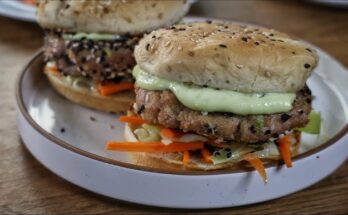
- As a sandwich or slider, tuck a crab cake into a bun with lettuce, tomato, and a drizzle of sauce.
No matter how you serve them, crab cakes always impress.
Storage and Reheating Tips
If you’ve made a big batch or have leftovers, don’t worry—crab cakes can be stored and reheated while still keeping their flavor and texture.
How to Store Leftover Crab Cakes
- Refrigerator – Place crab cakes in an airtight container, separated by parchment paper to prevent sticking. They’ll last for up to 3 days in the fridge.
- Freezer – For longer storage, freeze crab cakes before cooking. Place them on a tray until firm, then transfer to a freezer-safe bag. They’ll last up to 3 months.
Best Way to Reheat Without Drying Out
Reheating crab cakes can be tricky—you want them hot but not dry. Here’s how:
- Oven – Preheat to 350°F (175°C), place crab cakes on a baking sheet, and warm for 10–15 minutes. This keeps them crispy.
- Skillet – Heat a little oil in a pan and reheat each side for 2–3 minutes.
- Air Fryer – At 350°F, reheat for about 5 minutes for a crispy finish.
- Microwave – Not recommended, as it tends to make crab cakes soggy.
Nutritional Information
Crab cakes may be rich and indulgent, but they also offer some surprising health benefits.
Calories and Macronutrients
A typical medium-sized crab cake contains around:
- 200–250 calories
- 12–15g protein
- 10–12g fat (depending on how it’s cooked)
- 10–15g carbs (depending on filler used)
Pan-frying increases the fat slightly, while baking or air frying keeps them lighter.
Health Benefits of Crab Meat
- High in Protein – Crab is an excellent source of lean protein, which supports muscle growth.
- Rich in Omega-3s – Promotes heart health and reduces inflammation.
- Packed with Vitamins and Minerals – Crab contains vitamin B12, zinc, selenium, and copper.
- Low in Calories – Compared to other meats, crab is lighter and lower in saturated fat.
With mindful cooking methods, crab cakes can be part of a balanced diet without guilt.
Variations of Old Bay Crab Cakes
Classic crab cakes are amazing, but sometimes it’s fun to add a twist.
Spicy Crab Cakes with Jalapeños
Add finely diced jalapeños or a splash of hot sauce to the mix for a spicy kick. Perfect for those who like extra heat.
Mini Crab Cakes for Parties
Shape smaller, bite-sized cakes and serve them as finger food at gatherings. They’re always a crowd-pleaser.
Keto or Low-Carb Crab Cake Version
Swap out breadcrumbs for almond flour, crushed pork rinds, or coconut flour to make a low-carb version that’s just as delicious.
These variations keep things exciting while staying true to the classic Old Bay flavor.
Common Mistakes to Avoid
Even with a great recipe, mistakes can happen. Here’s how to avoid them.
Overmixing the Ingredients
The biggest mistake? Overmixing. This breaks up the crab meat and results in dense, tough cakes. Always fold gently.
Using Too Much Filler
Crab cakes should taste like crab—not bread. Use minimal breadcrumbs or cracker crumbs. Remember, less is more.
Overcooking the Crab Cakes
Overcooking dries out the crab meat and ruins the texture. Cook until just golden brown and heated through.
By avoiding these mistakes, your crab cakes will always turn out restaurant-quality.
FAQs about Old Bay Crab Cake Recipe
1. Can I use canned crab meat instead of fresh?
Yes, but fresh or refrigerated lump crab meat is always best. Canned crab meat works in a pinch but may lack the same sweetness and texture.
2. Can crab cakes be made ahead of time?
Absolutely! You can shape them and refrigerate for up to 24 hours before cooking. This actually helps them hold together better.
3. What’s the best oil for frying crab cakes?
Neutral oils like vegetable, canola, or avocado oil work best since they won’t overpower the flavor. Butter adds richness but can burn quickly.
4. How do I make gluten-free crab cakes?
Simply replace breadcrumbs with gluten-free crackers, almond flour, or crushed rice cakes.
5. Can I freeze crab cakes?
Yes, uncooked crab cakes freeze beautifully for up to 3 months. Cook from frozen, adding a few extra minutes to the cooking time.
Conclusion
Old Bay crab cakes are a true seafood classic—crispy on the outside, tender on the inside, and bursting with flavor. With the right crab meat, just enough binder, and the magic of Old Bay seasoning, you can make a dish that’s worthy of any seafood restaurant right at home. Whether you serve them as appetizers, main courses, or party bites, crab cakes always leave a lasting impression.
So grab some fresh crab meat, your Old Bay seasoning, and get cooking. Your taste buds (and your guests) will thank you!