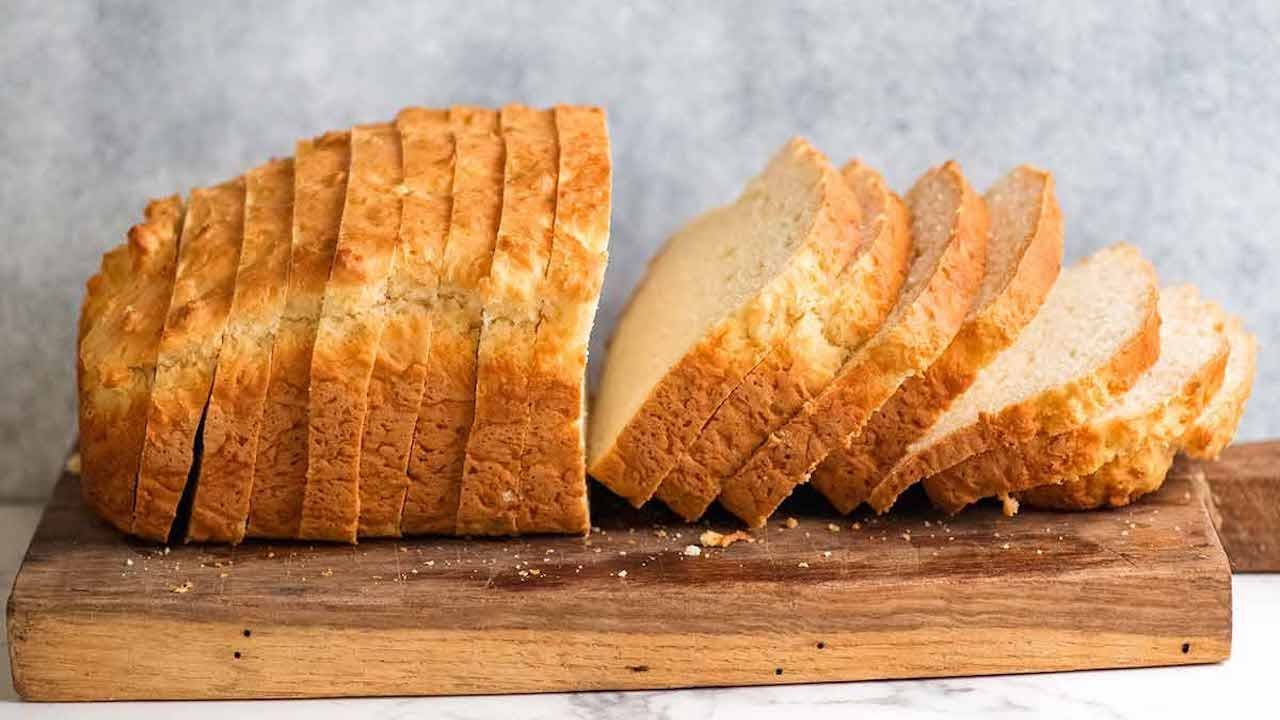
No Yeast Bread Recipe: No yeast bread, also known as “quick bread,” is a type of bread made without the traditional rising agent—yeast. Instead, it relies on baking powder, baking soda, or a combination of both to help the dough rise. This means you don’t have to wait hours for fermentation and proofing. You simply mix, shape, and bake. Sounds easy, right? That’s the beauty of this recipe.
Many people turn to yeast-free bread for different reasons. Maybe you ran out of yeast in your pantry, maybe you’re looking for a quick fix to satisfy your bread cravings, or perhaps you have yeast intolerance. No matter the reason, this bread gives you the same satisfaction of a warm loaf without the wait.
Choosing no yeast bread can also be a lifesaver for busy mornings or last-minute dinners. Imagine whipping up a fresh loaf in under an hour—it’s faster than ordering delivery! For people who struggle with yeast bloating, allergies, or digestive issues, this recipe is not just convenient but also health-friendly.
Ingredients You’ll Need
The beauty of no yeast bread lies in its simplicity. You don’t need fancy ingredients or a trip to a specialty store—everything is probably already in your kitchen.
Core Ingredients:
- 3 cups all-purpose flour (or whole wheat flour for a healthier version)
- 1 tablespoon baking powder
- 1 teaspoon baking soda (optional, for extra rise)
- 1 teaspoon salt
- 1 ½ cups buttermilk (or milk with 1 tablespoon lemon juice/vinegar as a substitute)
- 2 tablespoons olive oil or melted butter
Optional Add-Ins for Flavor:
- 1 tablespoon honey or sugar (for sweetness)
- ½ cup shredded cheese (for a savory loaf)
- 1 tablespoon dried herbs like rosemary, oregano, or thyme
- A handful of nuts or seeds for crunch
Substitution Ideas:
- Gluten-Free: Use gluten-free all-purpose flour blends.
- Dairy-Free: Swap buttermilk with almond milk + vinegar.
- Low-Fat: Use low-fat milk instead of whole milk or cream.
With these flexible options, this recipe can be tailored for nearly any diet or taste preference.
Essential Kitchen Tools
Making no yeast bread doesn’t require special baking gadgets. A few basic tools are enough, but having some extras can make the process smoother.
Must-Have Tools:
- Large mixing bowl
- Wooden spoon or spatula
- Measuring cups and spoons
- Baking sheet or loaf pan
- Oven
Helpful Extras:
- Parchment paper (for easy cleanup)
- Cooling rack (to prevent soggy bread bottoms)
- Pastry brush (to coat with melted butter for a golden crust)
Unlike artisan yeast bread, you don’t need a stand mixer or proofing basket. This recipe is meant to be rustic and fuss-free.
Step-by-Step Guide to Making No Yeast Bread
Now let’s get to the fun part—baking! This step-by-step guide will take you from mixing bowl to warm slices on your plate in less than an hour.
Step 1 – Preparing the Ingredients
Measure everything precisely. Too much flour can make your bread dry, and too much liquid can make it dense. If you’re using buttermilk substitute, let it sit for 5 minutes before adding.
Step 2 – Mixing Dry and Wet Ingredients
In a large bowl, whisk together the flour, baking powder, baking soda, and salt. Slowly pour in the buttermilk and oil, mixing until just combined. Don’t overmix—your dough should be shaggy, not smooth.
Step 3 – Shaping the Dough
Turn the dough onto a lightly floured surface. Gently knead for a minute, just enough to bring it together. Shape into a round loaf or place in a greased loaf pan.
Step 4 – Baking the Bread
Preheat your oven to 375°F (190°C). Bake for 35–40 minutes, or until the crust is golden brown and a toothpick inserted in the center comes out clean.
Step 5 – Cooling and Slicing
Allow the bread to cool for at least 15 minutes before slicing. This helps it firm up and prevents crumbling.
Tips for Perfect No Yeast Bread Every Time
Getting no yeast bread right is easy, but a few tricks can make your loaf even better.
- Don’t Overmix the Dough: Overworking it can lead to tough bread. Mix just until combined.
- Use Fresh Baking Powder: Old or expired baking powder won’t give your bread the rise it needs.
- Experiment with Flavors: Try garlic powder, cinnamon, or even dried fruit depending on whether you want savory or sweet bread.
- Storage: Wrap leftovers in a kitchen towel or airtight container. The bread stays fresh for 2 days at room temperature or up to a week in the fridge. You can also freeze it for up to 3 months.
This bread is forgiving and versatile, making it perfect for both beginners and seasoned bakers.
Variations of No Yeast Bread
One of the best things about no yeast bread is its adaptability. Think of it as a blank canvas—you can take the basic recipe and turn it into something entirely your own with just a few tweaks. From hearty whole wheat loaves to gluten-free options, and even sweeter versions for breakfast or dessert, this bread can go in any direction you’d like.
Whole Wheat No Yeast Bread
If you prefer a more wholesome and earthy flavor, swap out some or all of the all-purpose flour with whole wheat flour. Whole wheat flour adds extra fiber, making your loaf more filling and nutritious. Keep in mind that whole wheat flour absorbs more liquid, so you might need to increase the buttermilk slightly. Adding a spoonful of honey or molasses also enhances flavor while balancing the nutty taste.
Gluten-Free No Yeast Bread
For those with gluten sensitivity or celiac disease, you can easily adapt this recipe by using a gluten-free flour blend. Not all blends are created equal, though—look for one that includes xanthan gum or another binder to mimic the structure gluten provides. To improve texture, you can also add a tablespoon of ground flaxseed or chia seeds mixed with water (often called a “flax egg”). The result is a hearty, moist loaf that doesn’t crumble apart.
Sweet vs. Savory Variations
This bread can lean sweet or savory depending on your mood. For a sweet version, mix in raisins, cranberries, or chocolate chips. You can even add a sprinkle of cinnamon and nutmeg for a warm, dessert-like loaf. On the savory side, herbs like rosemary, thyme, or garlic powder transform it into the perfect bread to pair with soups and stews. Shredded cheese or olives also make tasty additions.
Experimenting with flavors makes baking fun, and once you find your favorite twist, you may never go back to store-bought bread again.
Nutritional Value of No Yeast Bread
When compared to traditional yeast bread, no yeast bread often has a simpler ingredient list and can be slightly denser. That said, it can still be quite nutritious depending on the ingredients you choose.
Calories and Macronutrients
On average, one slice of no yeast bread contains:
- Calories: 90–120
- Carbohydrates: 18–22g
- Protein: 3–5g
- Fat: 2–4g
- Fiber: 1–3g (higher if using whole wheat flour)
These values can vary depending on whether you use whole wheat flour, add seeds, or incorporate higher-fat ingredients like cheese or butter.
Health Benefits Compared to Regular Bread
- Easier to Digest: Without yeast fermentation, this bread tends to be gentler on sensitive stomachs.
- Fewer Additives: Since you’re making it at home, you avoid preservatives often found in packaged bread.
- Customizable Nutrition: By swapping ingredients, you can boost fiber, protein, or healthy fats. For example, adding chia seeds or sunflower seeds ups the nutritional game.
It’s important to note that while this bread may not be as airy as yeast bread, it makes up for it with versatility and wholesome potential.
Serving Suggestions
So you’ve baked your no yeast bread—now what? The great thing about this bread is how flexible it is in the kitchen. You can keep it simple or get creative depending on the occasion.
What to Serve With No Yeast Bread
- Soups and Stews: A warm slice of this bread is perfect for soaking up broths and gravies.
- Breakfast Toast: Spread butter, jam, or avocado on it for a quick breakfast.
- Sandwiches: The sturdy texture makes it ideal for grilled cheese or BLTs.
- Snack Time: Pair it with hummus, nut butter, or cheese for a quick bite.
Creative Uses Beyond Sandwiches
- Garlic Bread: Slice, butter, and toast with garlic for a quick side dish.
- French Toast: Use slightly stale bread to make a rich, custardy breakfast.
- Bread Pudding: Cube leftover bread and bake it into a sweet dessert.
- Croutons: Chop and toast pieces for salads or soups.
The beauty of this bread lies not just in how easy it is to make but also in how many ways it can enhance your meals.
FAQs about No Yeast Bread Recipe
1. Can I make this bread without baking powder?
Yes, but you’ll need an alternative leavening agent. Baking soda combined with an acidic ingredient like yogurt, lemon juice, or vinegar can work. Without any leavening, the bread will be very dense and flat.
2. How long does no yeast bread last?
At room temperature, it stays fresh for about 2 days. Stored in the fridge, it can last up to a week. For longer storage, freeze it for up to 3 months—just slice it first for easy reheating.
3. Can I freeze it for later use?
Absolutely! Wrap the loaf tightly in plastic wrap or foil, then place it in a freezer-safe bag. Thaw at room temperature or toast slices directly from frozen.
4. Is no yeast bread healthier than regular bread?
It depends on the ingredients. Whole wheat or gluten-free versions can offer higher fiber and nutrients compared to some store-bought breads. However, it’s usually denser and more filling.
5. Can I make this in a skillet instead of an oven?
Yes! Skillet bread is a quick and rustic option. Cook the dough on low to medium heat in a greased skillet, flipping once. It won’t rise as much, but you’ll still get a tasty, hearty bread.
Conclusion
No yeast bread is the perfect solution for anyone looking for a quick, easy, and versatile bread recipe. Whether you’re out of yeast, avoiding it for dietary reasons, or simply want fresh bread without the wait, this recipe has you covered. With just a few pantry staples, you can create a delicious loaf in under an hour.
From wholesome whole wheat variations to indulgent sweet versions, this bread can adapt to your taste and dietary needs. Plus, it pairs beautifully with everything—from hearty soups to sweet spreads. Once you try it, you’ll realize there’s no reason to rely solely on yeast bread ever again.
So, grab your mixing bowl, preheat your oven, and treat yourself to a homemade loaf today. Nothing beats the smell of fresh bread filling your kitchen!