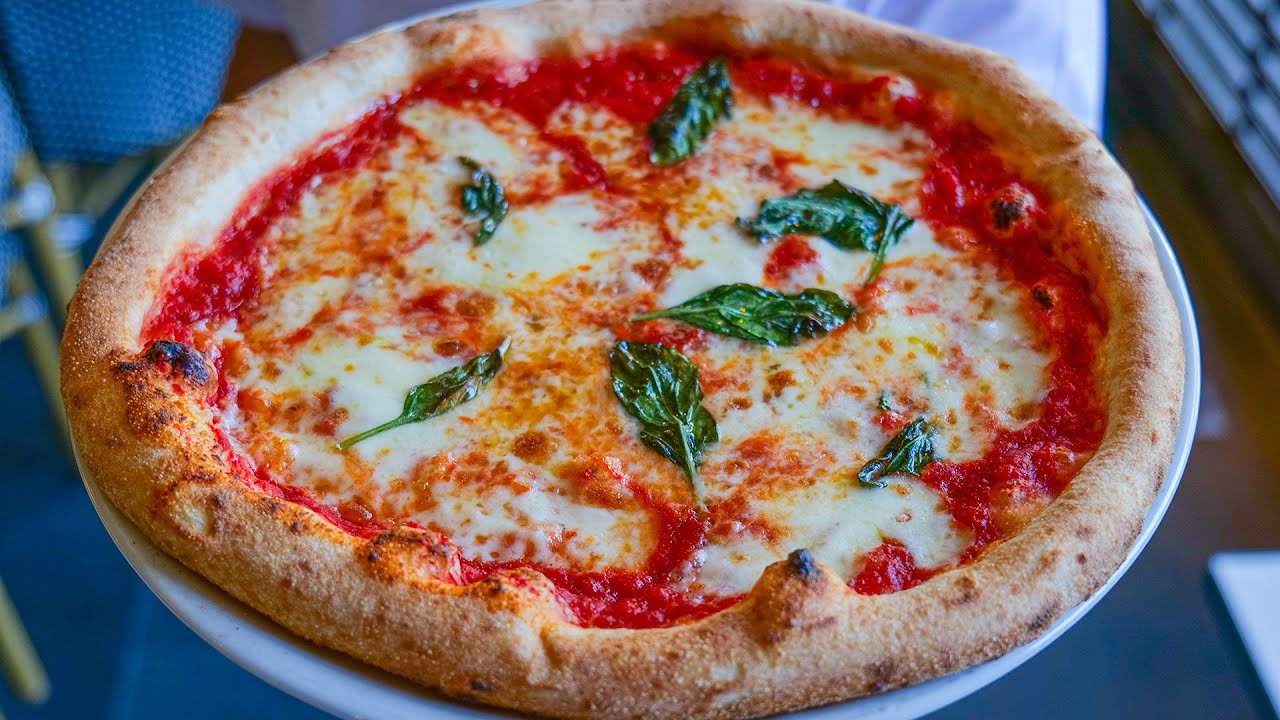
Neapolitan Pizza Recipe: If you’re a true pizza lover, then you’ve probably heard about Neapolitan pizza—the king of pizzas. Originating from Naples, Italy, this pizza is a cultural symbol and a culinary masterpiece that has been celebrated around the world. Unlike your typical takeout pizza that’s overloaded with cheese and toppings, Neapolitan pizza is all about simplicity, quality, and authenticity.
In this guide, we’ll walk through everything you need—from selecting the right ingredients to baking it to perfection—so you can recreate the magic of Naples right in your kitchen.
The Origins of Neapolitan Pizza
The story of Neapolitan pizza goes back to the 18th century in Naples, Italy. This was a time when flatbreads topped with simple ingredients became popular among the working class because they were inexpensive, filling, and delicious. What started as street food for the poor soon turned into a national treasure. By the late 1800s, pizza had evolved into the style we recognize today. Legend has it that in 1889, Queen Margherita of Savoy was served a pizza topped with tomatoes, mozzarella, and basil—ingredients chosen to represent the Italian flag. This creation became the world-famous Pizza Margherita, and it cemented Neapolitan pizza as a cultural icon.
What makes Neapolitan pizza truly special is not just its taste but also its recognition by UNESCO as part of the “Intangible Cultural Heritage of Humanity.” That’s how important it is to Italian tradition. So when you bake a Neapolitan pizza at home, you’re not just making dinner—you’re connecting to centuries of culture and passion.
Why Neapolitan Pizza is Special
So, what sets Neapolitan pizza apart from every other pizza you’ve tried? It all comes down to a few key factors:
- The Dough – Light, airy, and chewy, made with just four ingredients: flour, water, yeast, and salt. No oil, no sugar, no additives.
- The Sauce – Pure San Marzano tomatoes, crushed by hand or blended lightly, with nothing more than a pinch of salt. Simple, fresh, and vibrant.
- The Cheese – Traditionally mozzarella di bufala, which comes from water buffalo milk, known for its creamy and slightly tangy flavor. Fior di latte, a fresh cow’s milk mozzarella, is also common.
- The Cooking Method – A blistering hot wood-fired oven at around 900°F (480°C) that cooks the pizza in just 60–90 seconds, giving it a charred, leopard-spotted crust.
This combination of minimal ingredients, traditional technique, and fast cooking makes Neapolitan pizza stand out. It’s not about piling on toppings—it’s about showcasing balance, freshness, and craftsmanship.
Ingredients You’ll Need
Making Neapolitan pizza at home might feel intimidating, but don’t worry—you only need a handful of high-quality ingredients. The beauty of this pizza lies in its simplicity, so choosing the right elements is key.
Essential Ingredients for the Dough
A good dough is the backbone of Neapolitan pizza. It should be soft, elastic, and able to puff beautifully in the oven. Let’s break it down.
Flour Selection (Tipo “00” vs All-Purpose Flour)
The secret to authentic Neapolitan dough is Tipo “00” flour. This ultra-refined Italian flour has a lower protein content (around 11-12%), which gives the dough its light, airy structure while still allowing for good gluten development. The result? A crust that’s chewy, soft, and slightly crispy at the edges.
But what if you can’t find Tipo “00” flour in your local store? Don’t worry—you can use all-purpose flour as a substitute. It won’t be exactly the same, but you’ll still get a delicious crust. Bread flour is another option if you prefer a chewier bite, though it may make the dough a little tougher. For the best results, stick with Tipo “00” when possible—it’s worth the effort.
Yeast, Water, and Salt Balance
The rest of the dough ingredients are simple:
- Yeast – Traditionally, fresh brewer’s yeast is used, but instant or active dry yeast works fine. The key is slow fermentation, which develops flavor and texture.
- Water – Use room temperature water. Soft water (low in minerals) is preferred, as it helps with gluten development.
- Salt – Essential not only for taste but also for controlling yeast activity and strengthening the gluten network.
The perfect ratio is crucial. A classic Neapolitan dough hydration is around 60–65%, which means for every 100g of flour, you’ll use 60–65g of water. This level of hydration gives you a dough that’s soft and easy to stretch without tearing.
Ingredients for the Topping
Now comes the fun part—choosing toppings. Remember, Neapolitan pizza is about quality over quantity. Keep it simple, and let each ingredient shine.
San Marzano Tomatoes
No canned tomatoes will ever match the taste of San Marzano tomatoes grown in the volcanic soil near Mount Vesuvius. They are naturally sweet, less acidic, and have a rich, robust flavor that makes the perfect pizza sauce. Always look for “D.O.P.” certification on the can to ensure authenticity. If you can’t find San Marzano, use the best-quality canned plum tomatoes you can find.
Mozzarella di Bufala vs Fior di Latte
For cheese, you have two main options:
- Mozzarella di Bufala – Made from water buffalo milk, it’s creamy, tangy, and rich. Perfect for a luxurious, authentic experience.
- Fior di Latte – A fresh cow’s milk mozzarella that’s lighter, milder, and less expensive. It melts beautifully and is easier to find.
Whichever you choose, make sure to drain excess moisture before adding it to the pizza—too much water can make the crust soggy.
Fresh Basil and Olive Oil
The final touches are fresh basil leaves and a drizzle of extra virgin olive oil. Basil adds a fragrant herbal note, while olive oil enhances the richness of the toppings. These may seem like small details, but they make a world of difference.
Step-by-Step Guide to Making Neapolitan Pizza
Now that we’ve covered the background and gathered all the ingredients, it’s time to roll up our sleeves and get into the actual process of making Neapolitan pizza. This step-by-step guide will walk you through everything from dough preparation to pulling that golden, leopard-spotted pizza out of the oven.
Step 1 – Preparing the Dough
The first step in making authentic Neapolitan pizza is preparing the dough. Don’t rush this part—great pizza dough takes time and patience.
Start by measuring out your flour. For a standard home recipe, you’ll need about 500g of Tipo “00” flour, 325–350ml of water, 2g of fresh yeast (or 1g of dry yeast), and 10g of salt.
Here’s how to bring it all together:
- Dissolve the yeast in lukewarm water. Make sure the water is not too hot, or you’ll kill the yeast.
- Add the flour gradually into the water, mixing as you go to prevent lumps.
- Once the dough starts to form, sprinkle in the salt. Adding salt too early can interfere with yeast activity, so this timing is crucial.
- Mix until you get a sticky dough ball. Don’t worry if it feels rough at this stage; kneading will smooth it out.
The goal at this stage is to create a dough that is well-hydrated but not overly sticky. It should be soft to the touch and elastic enough to stretch without breaking.
Step 2 – Kneading and Resting the Dough
Kneading is where the magic happens. It’s what develops the gluten structure, which gives Neapolitan pizza its chewy, airy crust.
- Lightly flour your work surface and transfer the dough onto it.
- Knead the dough using the “push and fold” technique. Push the dough forward with the heel of your hand, fold it back, rotate, and repeat.
- Continue kneading for about 8–10 minutes, or until the dough becomes smooth and elastic.
Once kneaded, it’s time to let the dough rest and rise. Place it in a lightly oiled bowl, cover it with a damp cloth or plastic wrap, and leave it at room temperature.
For true Neapolitan pizza, a long fermentation process is key. Ideally, let the dough rest for 8–24 hours. This slow rise allows the yeast to develop complex flavors and improves the dough’s digestibility. If you’re short on time, a 2–3 hour rise will work, but the flavor won’t be as rich.
After the first rise, punch down the dough and divide it into smaller balls (about 250g each for individual pizzas). Place these on a tray, cover them again, and let them rest for another 2–4 hours before shaping.
Step 3 – Shaping the Pizza Base
When shaping Neapolitan pizza, forget the rolling pin. The dough needs a gentle hand to preserve the air pockets that make the crust light and airy.
- Take one dough ball and place it on a floured surface.
- Start pressing the center of the dough with your fingers, working outward.
- Gently stretch the dough by lifting and rotating it, letting gravity help.
- Aim for a base about 10–12 inches in diameter with a slightly thicker edge (the cornicione).
Avoid pressing too hard on the outer rim—it’s the puffy crust that gives Neapolitan pizza its signature look. If you stretch it too thin or unevenly, don’t panic; rustic shapes are part of the charm.
Step 4 – Making the Classic Tomato Sauce
The sauce for Neapolitan pizza is as simple as it gets, but its flavor is bold and unforgettable.
- Open a can of San Marzano tomatoes (or the best quality plum tomatoes you can find).
- Crush them by hand for a rustic texture or use a blender for a smoother sauce.
- Add just a pinch of sea salt—nothing else.
That’s it! No garlic, no onion, no herbs. The magic of Neapolitan pizza lies in the purity of the tomato flavor. When baked in a high-heat oven, the sauce caramelizes slightly, intensifying its sweetness.
Step 5 – Assembling the Pizza
Now comes the fun part—assembling your pizza.
- Place your shaped dough on a pizza peel (or a baking sheet lined with parchment if you don’t have one).
- Spread a thin layer of tomato sauce, leaving about an inch of crust around the edges.
- Tear pieces of mozzarella and scatter them evenly over the sauce.
- Add a few fresh basil leaves for fragrance.
- Drizzle a touch of extra virgin olive oil on top.
Keep toppings minimal—Neapolitan pizza is about balance. Too many toppings will weigh down the dough and prevent it from cooking properly.
Step 6 – Baking the Pizza (Oven vs Wood-Fired)
Traditionally, Neapolitan pizza is baked in a wood-fired oven at 900°F (480°C) for just 60–90 seconds. This intense heat creates the signature leopard-spotted crust, with charred bubbles and a soft, chewy center.
Of course, most of us don’t have a wood-fired oven at home. But don’t worry—you can still make an amazing Neapolitan-style pizza with a regular oven:
- Preheat your oven as high as it will go (usually 500–550°F / 260–290°C).
- Place a pizza stone or steel inside while preheating; this mimics the effect of a wood-fired oven floor.
- Once the oven is blazing hot, slide your pizza onto the stone. Bake for 7–10 minutes, or until the crust is puffed and lightly charred.
If you want an even better result, finish the pizza under the broiler for 1–2 minutes to achieve that classic charred look.
Step 7 – Serving the Perfect Neapolitan Pizza
Once your pizza is baked, it’s time to enjoy the fruits of your labor. But before you slice in, let it rest for about 1 minute—this allows the cheese and sauce to settle.
Cut into traditional wedges, serve immediately, and enjoy while it’s still hot and bubbling. Neapolitan pizza isn’t meant to be reheated—it’s best savored fresh out of the oven. Pair it with a glass of red wine or a refreshing Italian soda, and you’ll feel like you’re dining in the heart of Naples.
Tips for Authentic Neapolitan Pizza
Even with the best ingredients and steps, a few extra tricks can take your pizza from good to mind-blowing.
Common Mistakes to Avoid
- Overloading toppings – Too much cheese or sauce will weigh down the dough and make it soggy.
- Skipping dough fermentation – Rushing the rise means less flavor and tougher texture.
- Using cold ingredients – Always let cheese and dough come to room temperature before baking.
- Rolling the dough with a pin – This squeezes out air bubbles, leaving you with a flat crust.
Tricks for Home Ovens
- Preheat for at least 45 minutes before baking for maximum heat retention.
- Use a pizza stone or baking steel—it makes a huge difference in crispness.
- For a smoky, wood-fired flavor, add a few drops of liquid smoke to your tomato sauce or bake outdoors on a charcoal grill with a pizza stone.
- Experiment with higher hydration doughs (70%+) if you want a softer, airier crust.
With these tips, you can replicate that Neapolitan magic even without a wood-fired oven.
Variations of Neapolitan Pizza
While the original Neapolitan pizza is rooted in tradition and simplicity, there are a few variations that have earned their rightful place in pizza history. These variations maintain the integrity of the dough and cooking method but experiment with different toppings. Let’s take a closer look.
Pizza Margherita
Perhaps the most famous of all, Pizza Margherita is the epitome of Neapolitan pizza. It features a thin, soft crust topped with tomato sauce, mozzarella, basil, and a drizzle of olive oil. Its simplicity is its strength, and the combination of red, white, and green pays homage to the Italian flag.
The story behind the Margherita is tied to Queen Margherita of Savoy in 1889. When she visited Naples, a local pizzaiolo (pizza maker) created a pizza in her honor using tomatoes, mozzarella, and basil to represent Italy’s national colors. The queen loved it, and since then, it has been immortalized as Pizza Margherita.
When making it at home, stick to quality over quantity. Use San Marzano tomatoes, fresh mozzarella (either bufala or fior di latte), and hand-picked basil leaves. Resist the temptation to add garlic, oregano, or extra toppings—the Margherita thrives on purity.
Pizza Marinara
If you’re looking for something even simpler, Pizza Marinara is your go-to. It consists of tomato sauce, oregano, garlic, and olive oil—no cheese at all. Don’t underestimate it, though; when baked at high heat, the flavors of tomato, garlic, and herbs come together beautifully.
This was historically the pizza of the working class, affordable and nourishing for fishermen and laborers. In fact, “marinara” comes from the word “marinaro” (seafaring), as it was commonly eaten by sailors and dock workers.
Despite its simplicity, Pizza Marinara is bursting with flavor. The secret lies in using the freshest garlic, the finest olive oil, and a robust tomato base. It’s light, vegan-friendly, and incredibly satisfying.
Modern Creative Variations
Although Neapolitan tradition emphasizes simplicity, many modern pizzaiolos experiment with toppings while staying true to the dough and cooking method. Some popular creative variations include:
- Pizza Bianca (White Pizza): Instead of tomato sauce, it uses a base of olive oil, ricotta, or cream topped with mozzarella and herbs.
- Truffle Pizza: Topped with truffle oil, mushrooms, and creamy cheeses—an indulgent twist.
- Seasonal Veggie Neapolitan: Fresh vegetables like zucchini, eggplant, or roasted peppers highlight seasonal produce.
- Prosciutto and Arugula: A post-bake topping of thin prosciutto slices and fresh arugula for a peppery bite.
These modern versions show that Neapolitan pizza can evolve without losing its soul. The rule of thumb is to keep toppings light and balanced—no heavy meats or overloaded cheese.
Nutritional Value of Neapolitan Pizza
Pizza has often been criticized as unhealthy, but authentic Neapolitan pizza is surprisingly nutritious when compared to many fast-food versions. Because it uses natural, whole ingredients, it provides a balance of macronutrients and essential vitamins.
Calories and Macronutrients
Here’s a general breakdown of a classic Margherita Neapolitan pizza (about 250g serving size):
| Nutrient | Approximate Value |
|---|---|
| Calories | 500–600 kcal |
| Carbohydrates | 80–90g |
| Protein | 18–22g |
| Fat | 15–20g |
| Fiber | 3–4g |
The crust provides complex carbohydrates, which are the body’s primary energy source. The mozzarella adds protein and healthy fats, while tomatoes supply vitamin C, potassium, and antioxidants like lycopene. Basil contributes vitamin K and antioxidants as well.
Healthy Eating with Pizza
Unlike fast-food pizzas loaded with processed cheese, sugary sauces, and heavy meats, Neapolitan pizza is much lighter and easier to digest. Some benefits include:
- Lower Calories: Thanks to minimal toppings and thin dough, it’s less calorie-dense than deep-dish or American-style pizzas.
- No Added Sugar or Oil in Dough: Traditional Neapolitan dough contains just flour, water, yeast, and salt—no hidden sugars or unhealthy fats.
- Rich in Antioxidants: San Marzano tomatoes are full of lycopene, which has been linked to heart health.
- Portion Control: Since Neapolitan pizzas are small (10–12 inches), they’re usually intended for one person, but they naturally prevent overeating compared to a large, thick-crust pizza.
Of course, moderation is key. Eating pizza every day isn’t ideal, but enjoying authentic Neapolitan pizza once in a while can easily fit into a balanced diet.
FAQs about Neapolitan Pizza Recipe
1. What makes Neapolitan pizza different from regular pizza?
Neapolitan pizza uses a soft, airy dough, San Marzano tomatoes, fresh mozzarella, and a wood-fired cooking method. Unlike heavier styles, it’s light, simple, and focused on balance.
2. Can I use regular flour instead of “00” flour?
Yes, you can substitute with all-purpose or bread flour. However, “00” flour gives the best texture because of its fine grind and lower protein content.
3. Do I need a pizza stone for Neapolitan pizza?
A pizza stone or steel is highly recommended because it retains heat and creates a crisp base. Without one, your pizza may not bake evenly in a home oven.
4. How long should I let the dough rise?
For authentic results, allow the dough to ferment for at least 8–24 hours. This slow fermentation improves flavor and digestibility.
5. Can I freeze Neapolitan pizza dough?
Yes! After the first rise, portion the dough into balls, wrap them in plastic, and freeze. When ready to use, thaw in the fridge overnight and let rest at room temperature before shaping.
Conclusion
Neapolitan pizza is more than just food—it’s an experience, a tradition, and a celebration of simplicity. From its origins in Naples to its recognition by UNESCO, it stands as a symbol of Italian pride and culinary artistry. With just a handful of ingredients—flour, water, yeast, salt, tomatoes, mozzarella, basil, and olive oil—you can create something extraordinary.
By following the step-by-step guide, using the right techniques, and respecting the balance of flavors, you can bring a little taste of Naples into your own kitchen. Whether you stick to the classic Margherita, try a bold Marinara, or experiment with modern toppings, the key is to let each ingredient shine.
So next time you crave pizza, skip the takeout and make it yourself. You’ll not only enjoy a fresher, healthier meal, but also the satisfaction of mastering one of the world’s most iconic dishes.