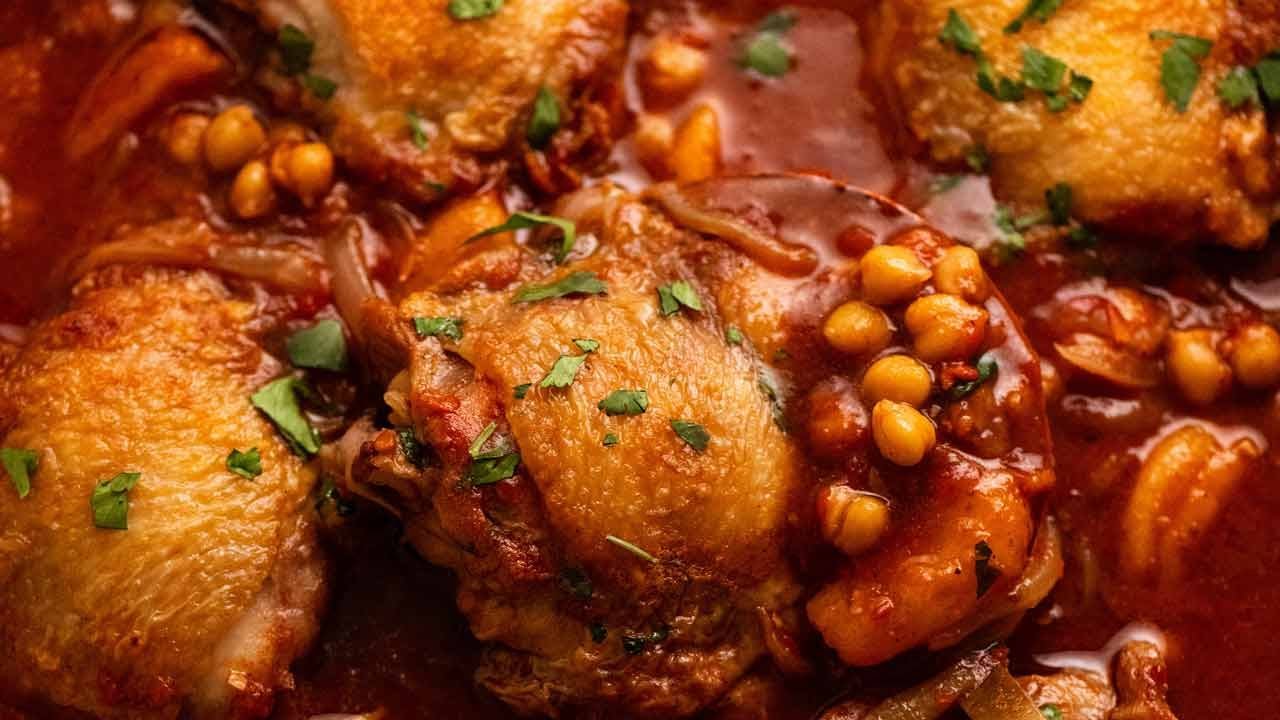
Moroccan Chicken Recipe: Moroccan chicken is more than just a meal—it’s a true culinary journey that blends bold spices, tender meat, and rich flavors into one comforting dish. This recipe is rooted in Moroccan culture, where meals are not only about satisfying hunger but also about sharing joy, warmth, and hospitality. Unlike plain roasted chicken recipes, Moroccan chicken takes things to another level with layers of flavor from spices like cumin, paprika, turmeric, ginger, and cinnamon. It’s an explosion of sweet, savory, and slightly tangy notes that leave your taste buds craving more.
What makes it so unique?
The beauty of Moroccan chicken lies in the balance of spices. You’ll find that Moroccan cuisine uses ras el hanout (a spice blend that can include up to 30 spices) or simple combinations of cumin, coriander, paprika, and ginger to create a fragrant base. Add preserved lemons, olives, dried fruits like apricots, or nuts like almonds, and suddenly the dish transforms into something unforgettable.
Another reason this dish is so popular worldwide is its flexibility. It can be cooked in a tagine, a traditional clay pot that slowly cooks the chicken and vegetables, or in a regular skillet or Dutch oven. Either way, the result is mouthwatering.
Whether you’re making it for a weeknight dinner or impressing guests, Moroccan chicken always delivers. In this guide, we’ll break down every step—from the ingredients you’ll need to the exact cooking process—so you can make an authentic, flavorful Moroccan chicken dish at home with ease.
Ingredients You’ll Need
The success of Moroccan chicken starts with fresh ingredients and the right spices. Here’s a complete list to guide you:
Essential Spices for Moroccan Chicken
- 1 tsp ground cumin
- 1 tsp paprika (smoked or sweet)
- 1 tsp turmeric
- 1 tsp ground ginger
- ½ tsp cinnamon
- ½ tsp coriander
- Salt and black pepper (to taste)
- 2 tbsp olive oil
These spices create the signature warmth and complexity of Moroccan flavors. If you have ras el hanout, you can use 2 teaspoons of it instead, since it already combines many of these spices in perfect balance.
Fresh Ingredients for the Base
- 4 bone-in, skin-on chicken thighs (or whole chicken cut into pieces)
- 1 large onion (thinly sliced)
- 3 cloves garlic (minced)
- 1 cup chicken broth (or water)
- 1 preserved lemon (rinsed, seeds removed, thinly sliced)
- ½ cup green or purple olives
- Fresh cilantro and parsley (for garnish)
Optional Add-ons to Elevate Flavor
- ½ cup dried apricots or raisins (for sweetness)
- ¼ cup toasted almonds (for crunch)
- 1 medium carrot or zucchini (for added vegetables)
- A drizzle of honey (to balance acidity)
With this combination of pantry staples and fresh ingredients, you’ll have everything you need to create a truly authentic Moroccan chicken dish at home.
Kitchen Tools You’ll Need
To prepare Moroccan chicken properly, you don’t need a fancy kitchen setup, but having the right tools makes the cooking process much smoother.
Basic Cooking Tools
- Large skillet or Dutch oven
- Sharp chef’s knife
- Wooden spoon for stirring
- Cutting board
- Measuring spoons and cups
These are the essentials you’ll need for a stovetop version of Moroccan chicken.
Traditional Moroccan Cookware (Tagine vs. Dutch Oven)
- Tagine: A cone-shaped clay pot that helps trap steam and circulate moisture, perfect for slow-cooking Moroccan chicken. If you want an authentic experience, this is the way to go.
- Dutch Oven: If you don’t have a tagine, a heavy-bottomed Dutch oven works just as well. It retains heat beautifully and allows for even cooking.
Pro tip: If you’re using a tagine, cook on low heat and use a diffuser (a metal plate that sits between the flame and the tagine) to avoid cracking the clay.
Step-by-Step Guide to Cooking Moroccan Chicken
Now, let’s dive into the actual cooking process. This is where the magic happens, and each step brings depth to the final dish.
Step 1 – Preparing the Chicken
Start by patting the chicken pieces dry with paper towels. This ensures the skin crisps up nicely and absorbs the marinade better. If you’re using bone-in thighs or drumsticks, keep the skin on for maximum flavor.
Season the chicken lightly with salt and pepper, then set it aside while you prepare the marinade.
Step 2 – Marinating with Moroccan Spices
In a large bowl, combine olive oil, cumin, paprika, turmeric, ginger, cinnamon, and coriander. Add minced garlic and a squeeze of lemon juice. Mix until it forms a paste-like marinade.
Rub this mixture all over the chicken pieces, making sure to coat them thoroughly. Cover the bowl with plastic wrap and refrigerate for at least 1 hour (overnight is best). This step allows the flavors to fully penetrate the meat, making it tender and aromatic.
Step 3 – Cooking the Chicken (Tagine or Pan Method)
Heat a skillet or Dutch oven over medium heat. Add a drizzle of olive oil and sear the chicken pieces skin-side down until golden brown (about 5–7 minutes per side). This locks in the juices and enhances the flavor.
If using a tagine, arrange the chicken pieces at the bottom after searing. If using a Dutch oven, keep them in the same pot.
Step 4 – Adding Vegetables and Broth
Next, add sliced onions and let them caramelize slightly. Stir in preserved lemon slices, olives, and optional vegetables like carrots or zucchini. Pour in chicken broth to create a flavorful cooking base.
Scrape the bottom of the pan to release any browned bits from searing—that’s where a lot of flavor hides!
Step 5 – Slow Simmering for Perfect Flavor
Cover the pot with a lid (or tagine top) and reduce the heat to low. Let the chicken simmer gently for 40–50 minutes, until the meat is tender and infused with all the aromatic spices.
During the last 10 minutes, you can add dried fruits like apricots or raisins if you want a sweet balance to the savory spices.
When done, garnish with chopped cilantro and parsley before serving. The result? Juicy, fragrant chicken with a rich, savory broth that pairs beautifully with couscous or warm bread.
Serving Suggestions
A dish as flavorful as Moroccan chicken deserves equally delicious side dishes and a presentation that does it justice. Serving isn’t just about filling plates—it’s about creating an experience that captures the spirit of Moroccan hospitality.
Best Side Dishes with Moroccan Chicken
Moroccan chicken pairs beautifully with several traditional accompaniments. Here are a few you can try:
- Couscous – The most classic pairing. Couscous is light, fluffy, and perfect for soaking up the rich sauce from the chicken. You can even make vegetable couscous with carrots, zucchini, and chickpeas for a complete meal.
- Flatbread (Khobz) – Freshly baked Moroccan bread is excellent for scooping up the flavorful broth. If you don’t have Moroccan bread, pita or naan works wonderfully.
- Rice Pilaf – A lightly spiced rice dish with raisins and almonds complements the flavors of the chicken.
- Roasted Vegetables – Carrots, eggplant, and bell peppers roasted with olive oil and spices make a healthy side.
- Salads – A fresh Moroccan salad with tomatoes, cucumber, parsley, and lemon dressing helps balance the richness of the dish.
If you want to create a true Moroccan feast, serve a combination of couscous, bread, and salad. This way, everyone can mix and match according to their tastes.
Presentation Tips for a Moroccan Feast
Moroccan cuisine is as much about presentation as it is about flavor. Meals are often served family-style, with large platters placed in the center of the table. Here are some tips:
- Use a large decorative platter or a tagine base to serve the chicken.
- Arrange the chicken pieces neatly in the center and surround them with vegetables, olives, and dried fruits.
- Drizzle a little of the sauce over the chicken, but keep some aside in a gravy bowl for serving.
- Garnish with fresh cilantro, parsley, and toasted almonds for a burst of color and texture.
- Serve with small bowls of couscous or bread on the side so guests can help themselves.
This not only makes the dish look stunning but also creates a warm, communal dining experience where everyone can enjoy the flavors together.
Tips and Tricks for the Perfect Moroccan Chicken
Even with a detailed recipe, there are always little tricks that can make your dish turn out even better. Cooking Moroccan chicken isn’t difficult, but paying attention to the small details helps elevate it from “good” to “absolutely unforgettable.”
Common Mistakes to Avoid
- Skipping the marinade – Don’t rush this step! Marinating ensures the chicken is flavorful from the inside out.
- Overcrowding the pan – When searing chicken, give each piece enough space. Overcrowding prevents a golden crust and makes the chicken soggy.
- Using too much broth – Moroccan chicken is not supposed to be soupy. Add just enough liquid to create a rich sauce, not a watery stew.
- Forgetting balance – Moroccan food is all about balancing savory, sweet, and tangy notes. Don’t leave out preserved lemons or dried fruits; they bring harmony to the dish.
- Cooking too fast – Low and slow cooking is key. If you rush it, the chicken won’t absorb all the flavors properly.
How to Adjust the Spice Level
Not everyone enjoys the same spice intensity, and the beauty of Moroccan chicken is its flexibility.
- For a milder version, reduce the amount of paprika and ginger, and skip the chili flakes if you use them.
- For a spicier kick, add a teaspoon of harissa paste or a pinch of cayenne pepper.
- If cooking for kids, you can keep the spice blend simple (just cumin, paprika, and turmeric) and leave out preserved lemons for a gentler flavor.
The dish should be flavorful, not overwhelming, so always taste as you go.
Nutritional Value of Moroccan Chicken
Moroccan chicken isn’t just a treat for your taste buds—it’s also packed with nutrients. Thanks to the lean protein from chicken and the powerhouse spices, it offers a well-rounded, wholesome meal.
Health Benefits of Key Ingredients
- Chicken – A rich source of lean protein, essential for muscle building and repair.
- Turmeric – Known for its anti-inflammatory properties.
- Cinnamon – Helps regulate blood sugar levels.
- Garlic – Boosts the immune system and supports heart health.
- Cilantro & Parsley – Packed with antioxidants and vitamins A, C, and K.
- Olive Oil – Provides healthy fats that support heart health.
- Preserved Lemons – Adds vitamin C and aids digestion.
Calories and Macronutrient Breakdown
(Per serving, approx. 1 chicken thigh with sauce)
- Calories: 350–400
- Protein: 28g
- Fat: 20g
- Carbohydrates: 12g
The numbers vary depending on whether you include dried fruits, nuts, or serve it with couscous or bread.
Overall, Moroccan chicken is a nutritious, balanced dish that can fit into most diets, including Mediterranean-style and low-carb eating plans.
Variations of Moroccan Chicken
One of the best parts about Moroccan chicken is that it can be customized in so many ways. Depending on your mood, ingredients, or occasion, you can try different variations while keeping the essence of Moroccan flavors.
Moroccan Lemon & Olive Chicken
This is the most traditional version, using preserved lemons and olives for a tangy, savory dish. It’s light yet incredibly flavorful and pairs perfectly with couscous.
Moroccan Chicken with Apricots & Almonds
This variation adds a touch of sweetness with dried apricots and a crunchy texture with toasted almonds. It’s perfect if you enjoy a sweet-and-savory balance. A drizzle of honey can make this version even more luxurious.
Moroccan Spiced Grilled Chicken
If you don’t feel like slow-cooking, try marinating chicken breasts or thighs with Moroccan spices and grilling them. This version is lighter and faster, ideal for summer barbecues or weeknight dinners.
You can serve it with a simple salad and flatbread for a quick Moroccan-inspired meal.
Storage and Reheating Instructions
Moroccan chicken is one of those dishes that actually tastes even better the next day. The flavors deepen as the spices continue to infuse the chicken and broth. To make the most of your leftovers, it’s important to store and reheat them properly.
How to Store Moroccan Chicken
- Refrigerator: Once cooled, transfer the chicken and sauce into an airtight container. It will stay fresh for up to 3–4 days.
- Freezer: If you want to keep it longer, place portions in freezer-safe containers or heavy-duty zip bags. Moroccan chicken freezes well for up to 3 months. Just be sure to leave a little space in the container to allow the liquid to expand.
Tip: If you’ve included olives, preserved lemons, or dried fruits, they hold up well in the fridge but may soften slightly after freezing.
Best Ways to Reheat Without Losing Flavor
- Stovetop: The best way is to reheat Moroccan chicken in a covered skillet or pot over low heat. Add a splash of water or broth to loosen the sauce and prevent sticking. Heat for about 10–15 minutes until warmed through.
- Oven: Place in a covered baking dish, add a bit of liquid, and warm at 325°F (160°C) for about 20 minutes.
- Microwave: While convenient, the microwave can dry out chicken. If you must use it, cover the dish and heat in short intervals, stirring occasionally to keep the sauce even.
Avoid reheating multiple times, as this can make the chicken tough and reduce flavor quality. Instead, reheat only the portion you plan to eat.
FAQs about Moroccan Chicken Recipe
1. What is the difference between tagine and Moroccan chicken stew?
A tagine refers both to the clay pot and the dish itself. Moroccan chicken stew can be cooked in a tagine or a Dutch oven. The difference lies in the cooking vessel, but both versions share similar flavors and ingredients.
2. Can I make Moroccan chicken ahead of time?
Yes! In fact, Moroccan chicken tastes even better when made ahead, as the flavors develop overnight. Simply refrigerate after cooking and reheat before serving.
3. What spices can I substitute if I don’t have ras el hanout?
You can make a simple substitute using cumin, paprika, turmeric, ginger, and cinnamon. These alone give you a classic Moroccan flavor.
4. How long should I marinate Moroccan chicken?
At least 1 hour is recommended, but overnight gives the best results. The longer the chicken sits in the marinade, the deeper the flavor.
5. Can Moroccan chicken be made vegetarian?
Absolutely! Replace chicken with chickpeas, lentils, or firm tofu. Use the same spice blend and cooking method with vegetables like carrots, zucchini, and potatoes for a vegetarian-friendly tagine.
Conclusion
Whether you serve it traditionally in a tagine with couscous or adapt it with modern cookware and your own creative twists, Moroccan chicken is always a showstopper. It’s ideal for family dinners, festive gatherings, or simply when you want to treat yourself to something extraordinary.
If you follow this step-by-step guide, you’ll not only master the recipe but also bring the warmth and hospitality of Moroccan dining into your own home.
So, next time you’re in the mood for something exciting, skip the ordinary roasted chicken and dive into this fragrant, flavorful Moroccan masterpiece. Trust me—you’ll want to make it again and again.