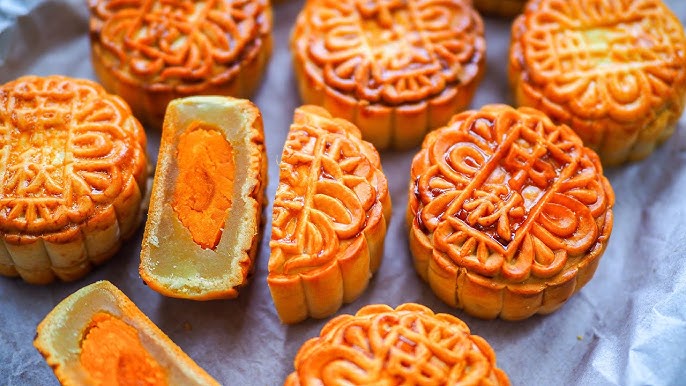
Mooncake Recipe: Mooncakes are more than just a dessert—they are a cultural treasure. Traditionally enjoyed during the Mid-Autumn Festival, these round pastries symbolize reunion, harmony, and prosperity. A typical mooncake is a delicately baked pastry with a golden crust and a rich filling inside. Depending on the style, the filling can range from sweet lotus seed paste with salted egg yolks to savory meat blends or even modern chocolate and ice cream versions.
When you hold a mooncake, you’re holding centuries of tradition. The round shape isn’t just aesthetic; it mirrors the full moon, which represents unity in Chinese culture. That’s why families gather to share mooncakes while admiring the moon on this special occasion.
While mooncakes are easily available at bakeries, there’s something magical about making them at home. It gives you the freedom to choose your favorite fillings, adjust sweetness levels, and most importantly, add a personal touch that store-bought ones simply can’t match.
The Cultural Significance of Mooncakes
The Mid-Autumn Festival, celebrated on the 15th day of the 8th lunar month, is one of the most cherished traditions in East Asia. Mooncakes play a central role in this festival, much like turkey during Thanksgiving. Families exchange mooncakes as gifts, making them a symbol of goodwill, respect, and love.
Historically, mooncakes even carried political significance. During the Yuan Dynasty, legends say that secret messages were hidden inside mooncakes to organize uprisings. Whether that’s fact or folklore, it adds to the mystique of this iconic pastry.
Today, mooncakes go beyond being just a festival food. They’re a cultural bridge, enjoyed worldwide by people who appreciate not only their taste but also their meaning.
Why Try Making Mooncakes at Home?
You might wonder: with so many bakeries selling them, why go through the effort of making mooncakes yourself? Well, here’s the truth—homemade mooncakes let you customize every bite. Want a healthier, less sweet version? You can adjust the syrup. Love extra salted egg yolks? Add two instead of one. Craving a modern twist? Try chocolate truffle fillings or matcha paste.
Making mooncakes is also a rewarding kitchen adventure. Sure, it requires patience and precision, but the process itself becomes a family bonding activity. Imagine working together to shape the dough, press it into molds, and pull out a tray of beautifully patterned mooncakes from the oven. It’s not just cooking—it’s creating memories.
Types of Mooncakes
Traditional Cantonese Mooncakes
The most iconic version is the Cantonese mooncake. Characterized by its golden-brown crust and rich fillings, it often contains lotus seed paste and salted egg yolks. These mooncakes are dense, flavorful, and visually stunning with their embossed patterns.
Suzhou-Style Mooncakes
Unlike the soft crust of Cantonese mooncakes, Suzhou-style ones are flaky, resembling puff pastry. They can be sweet or savory, often filled with minced pork, sesame, or red bean paste. If you prefer something buttery and flaky, this style is worth trying.
Snow Skin Mooncakes
Snow skin mooncakes are a no-bake variety made with glutinous rice flour. They are soft, chewy, and usually served chilled. Popular modern fillings include custard, chocolate, and even ice cream, making them a refreshing twist on tradition.
Modern Variations and Creative Fillings
In recent years, chefs have experimented with creative versions such as green tea mooncakes, durian mooncakes, and even fusion flavors like tiramisu or Oreo. These modern twists appeal to younger generations while keeping the tradition alive.
Ingredients You’ll Need
Essential Ingredients for the Dough
To make traditional Cantonese mooncakes, you’ll need:
- All-purpose flour – for the dough base
- Golden syrup – gives the crust its sweetness and golden color
- Lye water – balances acidity and enhances browning
- Vegetable oil – adds softness and flexibility
These ingredients may seem simple, but the proportions matter greatly in achieving that perfect mooncake crust.
Popular Fillings for Mooncakes
The filling is what makes mooncakes truly delightful. Some classic choices include:
- Lotus seed paste – smooth, sweet, and traditional
- Red bean paste – earthy and slightly less sweet
- Salted egg yolks – for a rich, savory contrast
- Mixed nuts and seeds – crunchy and aromatic
Optional Add-ons and Flavor Enhancers
To elevate your mooncakes, consider adding:
- Dried fruits such as dates or raisins
- Nuts like walnuts, almonds, or sesame seeds
- Green tea or matcha powder for an earthy note
- Chocolate or custard for a modern twist
Tools and Equipment Required
Apart from ingredients, you’ll need the right tools:
- Mooncake molds (wooden or plastic)
- Baking tray and parchment paper
- Kitchen scale for accuracy
- Oven with adjustable temperature control
Preparing the Mooncake Dough
Step 1 – Mixing the Golden Syrup
Golden syrup is the heart of mooncake dough. It not only sweetens the pastry but also gives it that deep amber color. If you don’t have ready-made syrup, you can make it by caramelizing sugar with water and lemon juice. This syrup needs to be made in advance, as it improves with time.
Step 2 – Creating the Dough Base
To prepare the dough, mix golden syrup, lye water, and vegetable oil until smooth. Gradually add sifted flour and knead until a soft dough forms. The dough should not be too sticky or too dry—aim for a smooth, pliable texture.
Step 3 – Resting the Dough for Better Texture
Patience pays off here. Wrap the dough in cling film and let it rest for at least an hour. This resting period allows the flour to absorb moisture, making the dough easier to shape later.
Preparing the Mooncake Filling
Lotus Seed Paste Filling
Lotus seed paste is the most beloved mooncake filling. To make it, dried lotus seeds are soaked, boiled, and blended into a smooth paste. It’s then cooked with sugar and oil until thick and aromatic. This filling pairs beautifully with salted egg yolks, creating a balance of sweet and savory flavors.
Red Bean Paste Filling
Red bean paste is another classic choice. Made by simmering red beans until soft, then sweetening and blending them into a paste, it has a deep, earthy sweetness that complements the crust perfectly.
Salted Egg Yolk Preparation
Salted egg yolks are essential for authentic mooncakes. They add a rich, savory dimension to the sweet filling. Before use, steam or bake the yolks for a few minutes to firm them up, then insert them into the filling balls before wrapping.
Nut and Seed Filling Variations
For those who prefer a crunchier bite, nut-based fillings are a great choice. A mixture of chopped walnuts, almonds, sesame seeds, and candied fruits bound with maltose syrup creates a delightful texture.
Shaping and Assembling Mooncakes
Dividing Dough and Filling
Once your dough and filling are ready, the fun part begins—assembling the mooncakes. The first step is portioning. For traditional Cantonese mooncakes, the ideal dough-to-filling ratio is about 3:7. This means the filling should take up most of the mooncake, with just enough dough to cover it in a thin, even layer.
Use a kitchen scale to weigh the dough and filling balls for consistency. For example, if you want a 100-gram mooncake, you might use 30 grams of dough and 70 grams of filling. Roll the filling into smooth, compact balls and do the same with the dough. Ensuring uniform sizes helps them bake evenly and fit neatly into the molds.
Wrapping the Filling Inside the Dough
This step requires patience and practice. Flatten the dough ball into a thin disc, then place the filling ball in the center. Gently stretch the dough to wrap around the filling, pinching the seams until it’s completely sealed. Roll it lightly between your palms to smoothen the surface.
If you’re adding salted egg yolks, tuck them inside the filling before wrapping. It’s important that the dough covers the filling completely, as any cracks will worsen during baking. Think of this step as wrapping a precious gift—the neater, the better the final result.
Using Mooncake Molds for Beautiful Patterns
Now comes the signature step: shaping with a mooncake mold. Lightly dust the mold with flour to prevent sticking, then place the filled ball inside. Press firmly but gently until the pattern imprints onto the dough. Release carefully to reveal your perfectly patterned mooncake.
Mooncake molds come in different sizes and designs—floral, geometric, or symbolic patterns. Each imprint tells a story, making your mooncakes not just food but edible art.
Baking the Mooncakes
Proper Oven Temperature and Timing
Baking mooncakes requires precision. Preheat your oven to 350°F (175°C). Place the shaped mooncakes on a parchment-lined baking tray, leaving space between each one. Bake for about 10 minutes, then remove them and let them cool for 5 minutes.
This partial baking helps the crust set before applying the egg wash. After resting, return them to the oven and bake for another 10–15 minutes, or until they turn golden brown. Timing may vary depending on your oven, so keep a close eye to avoid overbaking.
Egg Wash Technique for a Glossy Finish
The glossy, golden look of mooncakes comes from the egg wash. Mix one egg yolk with a teaspoon of water or milk, then lightly brush it onto the surface of the partially baked mooncakes. Be gentle—too much egg wash can blur the intricate patterns.
For an even finish, apply a thin coat using a soft pastry brush. Some bakers prefer two light coats instead of one heavy coat for better control. The egg wash not only enhances appearance but also adds a delicate sheen and flavor.
Cooling and Resting for the Best Flavor
Mooncakes aren’t meant to be eaten straight out of the oven. Freshly baked mooncakes may taste dry and crumbly, but after resting for 1–2 days, they “return oil.” This means the filling releases moisture, softening the crust and enriching the overall flavor.
Store them in an airtight container at room temperature during this resting period. Patience is key—your mooncakes will taste much better once the flavors have melded together.
Tips for Perfect Mooncakes
How to Prevent Cracking
Cracked mooncakes are a common beginner’s problem. To avoid this, make sure your dough isn’t too dry. Resting the dough properly also helps prevent breakage. Another trick is to avoid overfilling—leave just enough dough to seal the filling without straining it.
Achieving a Golden Color
The secret to that picture-perfect golden crust lies in the egg wash and proper baking. Don’t skip the initial bake-rest-bake cycle, as it allows the mooncake to set before applying the wash. Using golden syrup instead of honey also ensures a richer caramel-like color.
Storing Mooncakes for Freshness
Once rested, mooncakes can last for about 7–10 days at room temperature in an airtight container. For longer storage, refrigerate them, though this may slightly alter their texture. Snow skin and custard mooncakes should always be kept chilled.
If you plan to gift them, wrap each mooncake in food-safe packaging and place them in decorative boxes. Presentation is part of the tradition, making the gift even more meaningful.
Serving Suggestions
Pairing Mooncakes with Tea
Mooncakes are rich and dense, so pairing them with tea balances the flavors. Traditional choices include:
- Oolong tea – smooth with floral notes
- Pu-erh tea – earthy and strong, perfect with sweet fillings
- Green tea – refreshing, especially with modern matcha mooncakes
The bitterness of tea cuts through the sweetness of the filling, creating a harmonious combination.
Presenting Mooncakes for Festivals
Mooncakes are more than just food—they are also symbolic gifts. When presenting mooncakes during the Mid-Autumn Festival, they are often packaged in beautifully decorated boxes. These boxes sometimes become collectibles due to their artistic value.
If making them at home, you can use ribbon-wrapped boxes, tins, or eco-friendly wrapping. The effort you put into presentation makes the gift more personal and heartfelt.
Creative Ways to Enjoy Mooncakes
While mooncakes are usually eaten in slices with tea, you can also enjoy them in creative ways. Try warming them slightly before eating to enhance the aroma. Pair them with fruits like pears or apples for a refreshing contrast.
Some even crumble mooncakes into ice cream or yogurt as a topping. Modern foodies love experimenting, and mooncakes offer plenty of room for innovation.
Nutritional Value of Mooncakes
Caloric Content and Portion Control
Mooncakes are delicious, but they are also quite calorie-dense. A traditional lotus seed mooncake with salted egg yolks can pack anywhere from 700–1,000 calories in a single piece, depending on its size and filling. That’s why portion control is key. Instead of eating a whole mooncake at once, it’s common practice to cut it into wedges and share with family or friends.
Most of the calories come from the sugar in the filling, the golden syrup in the dough, and the fat used in cooking. While mooncakes are not an everyday snack, they are meant to be a festive treat enjoyed in moderation.
If you’re health-conscious, you don’t have to miss out completely. Try making smaller mooncakes (50g instead of 100g), which are perfect for individual servings. This way, you can still enjoy the tradition without overindulging.
Healthier Alternatives and Substitutions
If you want to make mooncakes a little healthier, there are several substitutions you can try:
- Use less sugar: Reduce the sugar in the filling or use natural sweeteners like honey or monk fruit.
- Opt for whole wheat flour: Replace part of the all-purpose flour with whole wheat flour for added fiber.
- Choose lighter fillings: Instead of heavy lotus paste, use fruit pastes like date, fig, or even pumpkin.
- Limit salted egg yolks: While delicious, they add a lot of cholesterol. Use fewer or smaller yolks.
- Bake smaller mooncakes: Mini mooncakes are not only adorable but also portion-friendly.
By tweaking the recipe, you can enjoy mooncakes guilt-free while keeping the essence of the tradition alive.
Common Mistakes to Avoid
Overbaking the Mooncakes
One of the most frequent mistakes is leaving mooncakes in the oven for too long. Overbaking causes the crust to harden and crack, losing the soft, tender bite that makes mooncakes so enjoyable. Always keep a close eye during the final minutes of baking—when they turn golden, they’re done.
Incorrect Dough-to-Filling Ratio
Mooncakes are filling-heavy pastries. If the dough is too thick, the texture feels heavy and doughy. If it’s too thin, the filling may break through during baking. Stick to the 3:7 ratio for the best results, and always weigh your portions with a kitchen scale.
Not Resting the Mooncakes Before Serving
Freshly baked mooncakes might look tempting, but eating them right away is a mistake. They often taste dry straight from the oven. Allowing them to rest for at least 24–48 hours lets the oil from the filling soften the crust, giving you that signature glossy look and balanced taste.
Mooncake Recipe Variations Around the World
Japanese Mooncakes
Japan has its own version of mooncakes, often filled with sweet bean paste or chestnut paste. They tend to be smaller, lighter, and less sweet compared to the Cantonese style. The crust is also softer, resembling manju (a type of Japanese pastry).
Vietnamese Mooncakes (Bánh Trung Thu)
Vietnam celebrates the Mid-Autumn Festival with Bánh Nướng (baked mooncakes) and Bánh Dẻo (snow skin mooncakes). Bánh Nướng is similar to Cantonese mooncakes, with mixed nut fillings and salted yolks, while Bánh Dẻo has a soft, sticky rice flour crust with mung bean or coconut fillings. Vietnamese mooncakes are often more colorful and intricately decorated.
Western-Style Fusion Mooncakes
In recent years, Western chefs have reimagined mooncakes with flavors like:
- Chocolate truffle fillings
- Cheesecake mooncakes
- Ice cream mooncakes
- Coffee-infused paste
These fusion mooncakes appeal to younger generations and international audiences, blending tradition with modern culinary creativity.
FAQs about Mooncake Recipe
Can I Make Mooncakes Without a Mold?
Yes! While molds create the classic patterned look, you can shape mooncakes by hand. Roll them into smooth balls and gently flatten them for a simple rustic version. You can also press patterns using forks, cookie cutters, or even decorative stamps.
How Long Do Homemade Mooncakes Last?
Baked mooncakes typically last 7–10 days at room temperature in an airtight container. Snow skin mooncakes should be refrigerated and eaten within 3–4 days. Always store them properly to maintain freshness.
Can I Freeze Mooncakes?
Yes, mooncakes can be frozen. Wrap each mooncake in cling film and place them in a freezer-safe bag. Thaw them at room temperature before serving. However, snow skin mooncakes do not freeze well and should always be enjoyed fresh.
What is the Best Tea to Serve with Mooncakes?
Oolong and Pu-erh teas are traditional favorites because their earthy bitterness balances the sweetness of mooncakes. Green tea is refreshing with lighter flavors like matcha or fruit fillings. Jasmine tea also pairs beautifully with delicate snow skin mooncakes.
Can I Make Mooncakes Without Golden Syrup?
Golden syrup is ideal because it gives mooncakes their rich color and texture. However, you can substitute honey or corn syrup in a pinch. Keep in mind that the flavor and color may differ slightly from traditional mooncakes.
FAQs about Mooncake Recipe
Why are mooncakes round?
The round shape represents the full moon, symbolizing unity, harmony, and family togetherness.
What is the most traditional mooncake filling?
Lotus seed paste with salted egg yolk is the most classic and widely loved filling.
Why do mooncakes have salted egg yolks inside?
The yolk represents the full moon, adding symbolism and a savory balance to the sweet filling.
Can mooncakes be made vegan?
Yes! You can use plant-based fillings like red bean paste or nuts and replace egg wash with soy milk.
Do mooncakes always have to be sweet?
Not at all. Suzhou-style mooncakes often feature savory fillings like minced pork or ham.
Conclusion
Making mooncakes at home is more than just a baking project—it’s a cultural journey. From preparing the golden syrup and kneading the dough to shaping with intricate molds and patiently waiting for the flavors to mature, every step is filled with meaning. Mooncakes are a symbol of togetherness, and sharing them with family and friends makes the Mid-Autumn Festival truly special.
Whether you stick with classic lotus seed paste and salted yolks or experiment with modern flavors like matcha and chocolate, homemade mooncakes let you create your own delicious tradition. So, gather your ingredients, roll up your sleeves, and start baking—you’ll find that the process is just as rewarding as the final bite.