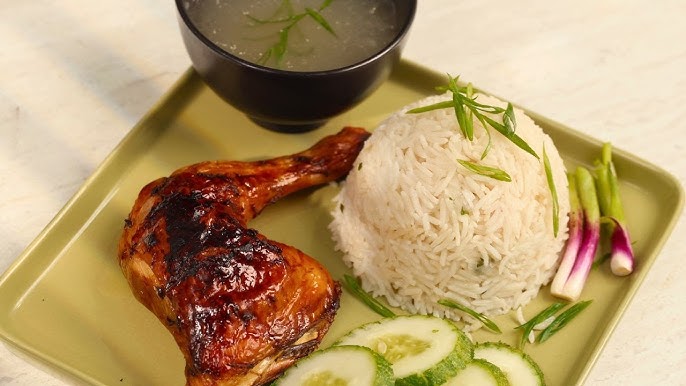
Malay Chicken Rice Recipe: Malay Chicken Rice is more than just a dish—it’s an experience deeply rooted in Malaysian food culture. You’ll find it served everywhere, from humble street food stalls to high-end restaurants. While its roots intertwine with Hainanese chicken rice, the Malay version stands out with its aromatic spices, robust chili sauce, and sometimes even a hint of lemongrass or pandan. Unlike other rice dishes, the real magic here is how every component—chicken, rice, soup, and sauce—is cooked with care and infused with bold, comforting flavors.
What makes Malay Chicken Rice so special is its simplicity combined with complexity. At first glance, it’s just poached chicken with rice. But when you dive deeper, you find layers of garlic, ginger, pandan leaves, chicken broth, and more—all balancing each other out. It’s a comfort food, a festive dish, and a go-to meal all in one. Whether it’s your first time making it or your hundredth, this recipe will help you nail the texture, flavor, and soul of Malay Chicken Rice.
Why You’ll Love This Recipe
This version of Malay Chicken Rice is designed for home cooks—simple, straightforward, but incredibly flavorful. You’ll love this recipe because it doesn’t require fancy ingredients, just a little patience and some kitchen basics. You’ll get juicy, tender chicken, rice that’s bursting with flavor, a light soup to sip on, and a fiery chili sauce to give everything that extra kick.
Even if you’re not a kitchen pro, this step-by-step guide will walk you through everything with ease. And here’s the bonus: it’s also a great dish to prep ahead. Make it once, and you’ll be hooked. It’s perfect for family dinners, meal preps, or even special occasions.
Ingredients You’ll Need
Before we dive into the actual cooking process, let’s make sure you have everything ready. Malay Chicken Rice relies on a few core ingredients, each playing an essential role in flavor and texture. Here’s the complete list:
For the Chicken
- 1 whole chicken (about 1.2–1.5 kg), cleaned
- Salt (for scrubbing and seasoning)
- 2–3 slices of ginger
- 2–3 cloves of garlic
- 2 stalks of spring onions
- Enough water to submerge the chicken
You want a fresh, plump chicken if possible. The poaching process will make it incredibly tender, so avoid frozen if you can.
For the Chicken Rice
- 2 cups jasmine rice (rinsed until water runs clear)
- 2 tbsp chicken fat or vegetable oil
- 2 cloves garlic (minced)
- 1-inch piece of ginger (minced)
- 2 pandan leaves (tied into a knot)
- 2.5 cups chicken stock (from boiling the chicken)
- Salt to taste
The rice is where much of the flavor comes in. It absorbs the chicken broth and aromatics, giving it a rich, savory taste that plain rice just can’t match.
For the Soup
- Reserved chicken broth from poaching
- Salt to taste
- A few slices of carrot or radish (optional)
- Spring onions or coriander for garnish
This light soup serves as a comforting side that balances out the richness of the rice and meat.
For the Chili Sauce
- 4–5 red chilies (adjust to heat preference)
- 3 cloves garlic
- 1-inch ginger
- 1 tbsp lime juice or vinegar
- 1 tsp sugar
- Salt to taste
- 2–3 tbsp chicken broth
The chili sauce is bold and spicy, with a sour tang that cuts through the richness of the rice. It’s essential—don’t skip it.
Optional Garnishes and Extras
- Cucumber slices (to serve on the side)
- Dark soy sauce (for drizzling)
- Fried shallots (for extra crunch)
- Fresh coriander (for garnish)
These extras elevate your dish from “great” to “restaurant-worthy.” Trust us—cucumbers may seem minor, but they bring balance and freshness.
Step-by-Step Guide to Making Malay Chicken Rice
Let’s get cooking! Follow these steps one at a time, and you’ll soon have an amazing plate of Malay Chicken Rice on your table.
Step 1: Preparing the Chicken
Start with cleaning your chicken thoroughly. Rub it with coarse salt to remove any impurities, then rinse well under cold water. Pat it dry with paper towels.
In a large pot, add enough water to submerge the chicken. Throw in the ginger slices, garlic cloves, and spring onions. Bring the water to a boil.
Once boiling, gently lower the chicken into the pot, breast side down. Cover with a lid and reduce the heat to a gentle simmer. Let it poach for about 40–50 minutes, depending on the size of your chicken. To test if it’s done, insert a chopstick or skewer into the thickest part of the thigh—the juices should run clear.
Once cooked, carefully remove the chicken and plunge it into a large bowl of ice water. This stops the cooking process and gives the skin that signature silky texture. Let it sit in the ice water for 10 minutes, then remove and pat dry.
Rub a bit of sesame oil or light soy sauce over the skin to keep it moist and flavorful. Chop the chicken into serving pieces, and set aside.
Step 2: Making the Fragrant Rice
This is where the soul of the dish really comes to life. Malay chicken rice is only as good as the rice itself. And no, we’re not just talking about plain steamed rice. This is a deeply fragrant, chicken-fat infused rice that gets its punch from garlic, ginger, pandan, and rich chicken stock.
Start by rinsing your jasmine rice thoroughly. This helps remove excess starch and gives your rice that fluffy, non-sticky texture we’re going for. Once the water runs clear, drain it and set it aside.
In a medium-sized pot or rice cooker, heat about 2 tablespoons of chicken fat (or vegetable oil if you prefer). Toss in your minced garlic and ginger and sauté until fragrant. Be careful not to burn them—they should be golden, not brown.
Now, add the rinsed rice and stir it around for a couple of minutes. This toasting step is key—it coats the rice grains in oil and infuses them with flavor. Drop in your tied pandan leaves, add your chicken stock (about 2.5 cups for 2 cups of rice), and a pinch of salt.
If you’re using a rice cooker, switch it on and let it do its thing. If you’re using a pot, bring the mixture to a boil, then reduce to a simmer, cover with a tight lid, and cook for 15–18 minutes until the rice is fully cooked and fluffy.
Once it’s done, fluff it gently with a fork and remove the pandan leaves. The result? Fragrant, flavorful rice that can easily stand alone as a meal—though it’s even better with the chicken and sauce.
Step 3: Cooking the Soup Base
The soup is often overlooked, but it’s a critical part of the Malay chicken rice experience. Light, clear, and comforting, it’s made from the broth used to poach the chicken. And since that broth is infused with chicken fat, ginger, and spring onions, you’ve already got a head start.
Strain the remaining poaching broth through a fine sieve to remove any impurities and solids. Pour it into a smaller pot and bring it to a gentle boil again. At this stage, you can choose to add a few slices of carrot or white radish for extra sweetness and texture.
Season the broth with salt to taste. Keep it simple—this isn’t a heavily seasoned soup, just something light to balance the richness of the rice and meat.
Just before serving, sprinkle in some chopped spring onions or coriander for freshness. If you have extra fried shallots, go ahead and toss a few on top for a savory crunch. Serve it hot alongside your chicken rice for that classic Malaysian touch.
Step 4: Making the Spicy Chili Sauce
Now let’s talk about the real flavor bomb in this dish—the chili sauce. It’s sharp, spicy, tangy, and totally addictive. Without it, your chicken rice would still be delicious, but this sauce? It elevates everything.
Start by blending your red chilies, garlic, ginger, lime juice (or vinegar), sugar, and a pinch of salt. Add a few tablespoons of warm chicken broth to thin it out and blend again until smooth.
Taste and adjust the balance. Too spicy? Add more sugar or lime juice. Not tangy enough? A splash more vinegar will do the trick. You want it bold and zesty—this sauce is meant to wake up your taste buds.
If you like your chili sauce with a bit of texture, you can pulse it just a little instead of pureeing it completely. Store in a jar in the fridge—it’ll keep for several days and tastes even better the next day once the flavors meld.
This isn’t just a side dip—it’s a vital part of the dish. Don’t be shy; drizzle it all over your chicken, mix it into your rice, or even add it to your soup. Trust the process—you’ll thank yourself later.
Step 5: Plating and Serving Like a Pro
Now comes the fun part—putting it all together. Presentation isn’t just about looking good; it actually enhances the eating experience. Here’s how to serve Malay Chicken Rice the right way:
Step-by-step plating:
- Start with a generous mound of the fragrant chicken rice in the center or side of your plate.
- Arrange the poached and sliced chicken pieces neatly beside the rice.
- Add a few slices of fresh cucumber for crunch and coolness.
- Place a small dipping dish of chili sauce on the side.
- Garnish with chopped coriander, a drizzle of dark soy sauce, or fried shallots.
- Serve with a small bowl of hot chicken soup on the side.
Serve everything warm, and let your guests customize each bite. Some like to drizzle soy sauce over the chicken. Others like to mix chili sauce directly into the rice. There’s no wrong way—just dig in and enjoy.
Malay Chicken Rice is best served fresh, but if you’re preparing for a dinner party or meal prep, you can cook the components ahead of time and assemble before serving. Just remember: warm everything up before plating to preserve the magic.
Tips for Perfect Chicken Rice
Choosing the Right Chicken
The foundation of a great Malay Chicken Rice is, unsurprisingly, the chicken. The better the chicken, the better the dish. If possible, go for a fresh, free-range chicken. These birds typically have better texture and flavor compared to mass-produced, frozen ones. If you’re limited to supermarket options, pick a smaller bird—around 1.2 to 1.5 kg is ideal. They cook more evenly and result in tender, juicy meat.
Before cooking, give your chicken a good scrub with coarse salt. This helps remove any impurities and tightens the skin, which leads to a better final texture after poaching. Rinse thoroughly and pat dry.
When poaching, the key is gentle heat. You don’t want a rapid boil—that’ll toughen the meat and make it stringy. A low simmer allows the chicken to slowly absorb the flavors of the broth, while staying succulent. Always plunge the bird into ice water after poaching—it might sound strange, but it locks in the juiciness and gives the skin a beautiful sheen and bounce.
Lastly, don’t forget the final seasoning. A rub of sesame oil, soy sauce, or a light drizzle of aromatic oil brings a subtle richness that makes every bite memorable.
Secrets to Fluffy and Flavorful Rice
Rice can make or break this dish. You could have the most tender chicken in the world, but if the rice is bland or mushy, the entire experience falls flat. So let’s get that rice right.
Start by using the right type of rice—jasmine rice is traditional and ideal. It’s fragrant, slightly sticky, and has the perfect mouthfeel for this dish. Rinse it thoroughly to remove excess starch; this step ensures that your rice won’t clump or get gummy.
Once rinsed, the rice needs to be toasted in oil—ideally, chicken fat rendered from the poached chicken. This infuses the rice with flavor and adds a nutty, aromatic base. Add garlic, ginger, and pandan leaves to deepen that fragrance.
The next key is using chicken stock instead of water to cook the rice. That stock is already rich with flavor from the poached chicken, and it transforms your rice into something utterly crave-worthy. Be mindful of the rice-to-liquid ratio—2 cups of rice to about 2.5 cups of stock usually hits the sweet spot.
And finally, let it rest after cooking. This helps the grains firm up and makes them easier to fluff. Remove the pandan leaves, stir gently with a fork, and your rice is ready to steal the spotlight.
How to Make Clear, Delicious Soup
The soup served with chicken rice is light but essential. It’s not supposed to be a rich stew—it’s more of a cleansing sip that balances the heavier flavors of the chicken and rice.
The base is simple: the leftover chicken poaching liquid. Don’t waste a drop of that golden broth—it’s liquid gold, filled with ginger, garlic, spring onion, and natural chicken flavor.
First, strain the broth. Use a fine-mesh sieve or cheesecloth to remove any bones, foam, or solids. This step gives you a clear, clean broth—no cloudy or gritty textures here.
Next, reduce and season. You can gently boil the strained broth for a few minutes to concentrate the flavor. Taste it, then season with just a pinch of salt or a dash of soy sauce. Add thinly sliced radish or carrot for natural sweetness.
Right before serving, garnish with spring onions or coriander. If you want to get fancy, a touch of fried garlic or shallot oil on top adds a bit of flair and richness. Serve hot, in small bowls, as the perfect companion to your chicken rice.
Variations and Regional Twists
Hainanese vs Malay Chicken Rice
If you’ve heard of Hainanese chicken rice, you might be wondering—what’s the difference?
Hainanese chicken rice originates from Hainan, China, but was made popular in Singapore and Malaysia. It’s typically very subtle in flavor, relying on pure chicken broth, minimal seasoning, and a clear chili-ginger sauce.
Malay Chicken Rice, on the other hand, brings bolder flavors to the table. The rice is often more aromatic thanks to pandan, sometimes lemongrass. The chili sauce is spicier, with a tangy kick from vinegar or lime. Some Malay versions even include a slightly fried or roasted chicken instead of just poached.
Both are delicious, but Malay chicken rice has that extra spice and personality that makes it stand out. It reflects the Malaysian palate—vibrant, layered, and bold.
Spicy vs Mild – Adjusting Heat Levels
One of the best things about making Malay Chicken Rice at home is that you can adjust the heat to your liking. Love spicy food? Load up that chili sauce with extra bird’s eye chilies. Prefer something milder? Tone down the chili count and lean more on the garlic and lime juice.
If you’re serving guests or kids, consider making two versions of the chili sauce—one mild and one fiery. This way, everyone gets to enjoy the dish their way. And remember, the chili sauce is a condiment—you can always add more, but you can’t take it away. Serve it on the side so each person can control the heat.
You can even experiment by adding a touch of sweet soy sauce or a splash of fish sauce to customize the flavor profile. Chicken rice is flexible like that—it welcomes your personal spin.
Common Mistakes to Avoid
Overcooking the Chicken
The biggest mistake people make with this dish? Overcooking the chicken. It’s easy to do, especially if you’re boiling it instead of simmering. Remember, gentle poaching is key. The moment you see bubbling, turn the heat down. A low, steady simmer is what you want.
Use a thermometer or skewer test to check doneness. The internal temperature should reach around 75°C (165°F). Once done, plunge it immediately into ice water to stop the cooking and preserve that perfect texture.
If your chicken turns out rubbery, dry, or stringy—odds are it cooked too fast or too long.
Not Rinsing the Rice Properly
Rice needs care too. One overlooked step is rinsing the rice. If you skip this, you’ll end up with sticky, clumpy rice that feels more like porridge than a side dish.
Rinse it in a bowl or sieve under cold water, swirling gently with your fingers. Do this until the water runs clear—this removes surface starch that can make your rice gummy.
Another mistake? Adding too much liquid. Stick to the proper ratio, and always fluff your rice gently with a fork after it’s done.
Skipping the Aromatics
The aromatics—garlic, ginger, pandan, and even spring onions—are what take this dish from average to authentic. Don’t skip them thinking they’re optional. Without them, your rice will taste flat, and your broth won’t have that comforting depth.
These ingredients don’t just add aroma—they infuse the entire dish with character. If you can’t find pandan, substitute with a tiny splash of pandan extract or skip it, but don’t skip both garlic and ginger.
Nutritional Value and Health Tips
Calories and Macros
Malay Chicken Rice might not scream “diet food,” but it’s surprisingly balanced. A typical serving contains:
- Calories: 500–700 (depending on portion size and added sauces)
- Protein: 30–40g (thanks to the poached chicken)
- Carbohydrates: 45–55g (from the rice)
- Fat: 15–25g (mostly from chicken skin and fat used in the rice)
It’s high in protein and carbs, which makes it a great option for a post-workout meal or a filling lunch. If you go easy on the chili sauce and skip any deep-fried extras, it’s actually a well-rounded dish with a good nutrient profile.
The broth and aromatics provide more than just flavor—they bring antioxidants and digestive benefits, especially from the ginger and garlic. And if you add fresh cucumber or leafy greens on the side, you’re getting a fiber boost too.
How to Make It Healthier
Want to make a lighter version? Try these tweaks:
- Remove the chicken skin after poaching to reduce fat.
- Use brown rice or mix with white rice for extra fiber.
- Limit the oil used in sautéing the rice—use 1 tbsp instead of 2.
- Serve with more veggies like bok choy, steamed broccoli, or a crunchy salad.
- Skip the soy sauce drizzle or opt for low-sodium versions.
With just a few small changes, you can enjoy all the bold flavors of Malay Chicken Rice without straying too far from your health goals.
Storage and Reheating Tips
Storing Leftovers Properly
Malay Chicken Rice makes excellent leftovers—but only if you store everything the right way. Here’s how:
- Chicken: Store chopped chicken in an airtight container in the fridge for up to 3 days. Keep any leftover broth separately.
- Rice: Let it cool before transferring to a container. Refrigerate for up to 3 days.
- Chili Sauce: Can last up to a week in the fridge. Store in a clean glass jar.
To avoid bacterial growth, never leave cooked rice out at room temperature for more than two hours. Always refrigerate promptly.
Best Way to Reheat without Losing Flavor
- Rice: Sprinkle a few drops of water over the rice, cover with a damp paper towel, and microwave for 1–2 minutes. This prevents it from drying out.
- Chicken: Steam gently or microwave with a lid. Avoid frying or overcooking it again.
- Soup: Bring to a gentle boil on the stove to freshen it up before serving.
- Chili Sauce: Serve cold or let it come to room temperature—no need to reheat.
Pro tip: If you have some leftover broth, use it to steam the rice while reheating—it’ll bring back that fresh, just-cooked flavor.
FAQs about Malay Chicken Rice Recipe
1. Can I use chicken breast instead of whole chicken?
Yes, but it won’t be as juicy or flavorful. Whole chicken gives you a richer broth and better texture. If using breast, reduce the poaching time and be extra careful not to overcook it.
2. What rice is best for chicken rice?
Jasmine rice is the traditional choice due to its fragrance and texture. Avoid sticky rice or short-grain types—they can get too mushy for this dish.
3. How spicy is the chili sauce?
It can be very spicy depending on the chilies used. If you’re sensitive to heat, reduce the number of chilies or remove the seeds. You can also blend in a little sugar or extra lime juice to mellow it out.
4. Can I freeze Malay Chicken Rice?
You can freeze the chicken and rice separately, but the texture may change slightly. The chili sauce freezes well in small containers. Reheat gently to preserve flavor.
5. What other sides go well with chicken rice?
Cucumber slices are a must. You can also serve it with stir-fried greens, steamed vegetables, or a fried egg on top. Want to go bold? Add a small bowl of sambal on the side.
Conclusion
Malay Chicken Rice is more than just a meal—it’s a beloved comfort food that blends tradition, flavor, and simplicity in every bite. From the juicy poached chicken to the aromatic, buttery rice and the fiery chili sauce, every component plays its part. Whether you’re cooking it for the first time or making it for the hundredth time, this dish always hits the spot.
With this complete guide, you now have everything you need to create an authentic, restaurant-quality experience right at home. It’s easy to customize, great for meal prepping, and absolutely guaranteed to impress. So go ahead—grab that chicken, rinse that rice, and get cooking. Your kitchen is about to smell amazing.