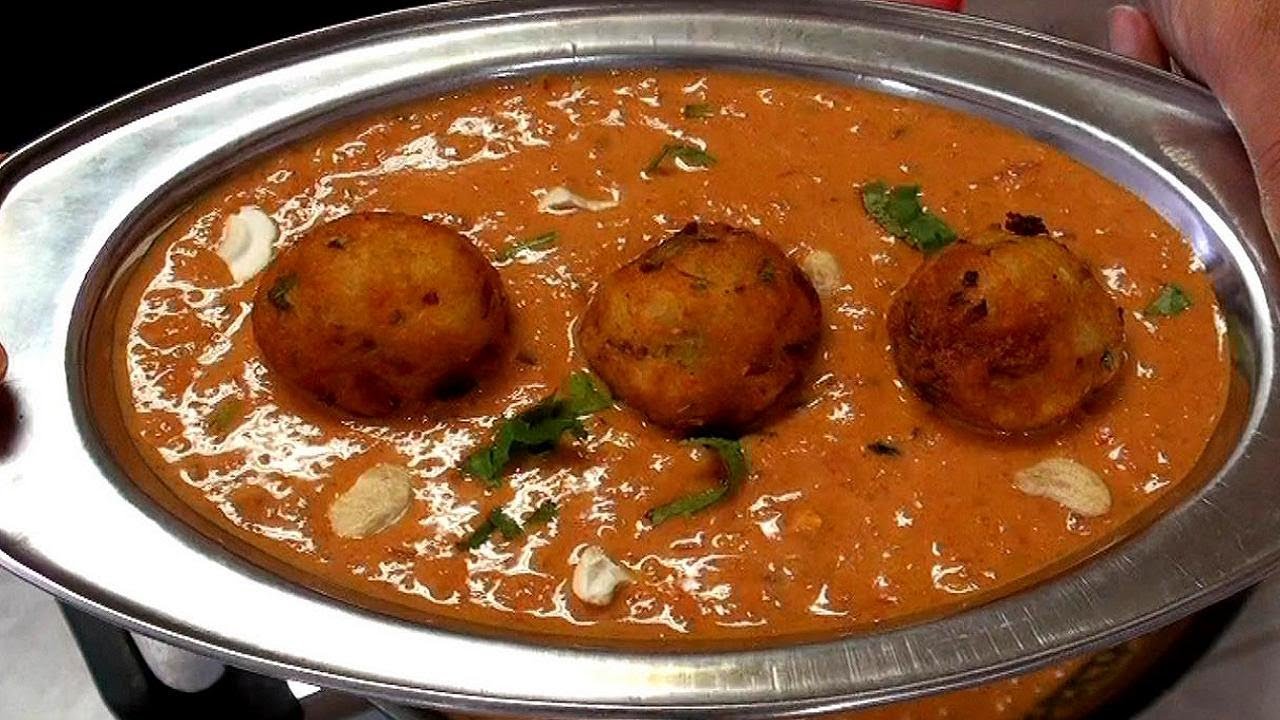
Malai Kofta Recipe: Malai Kofta is one of those dishes that instantly makes you think of celebration, richness, and indulgence. A classic North Indian dish, it’s creamy, flavorful, and so comforting that you’ll want to keep going back for seconds. Think of it as the Indian version of meatballs in a rich gravy—but instead of meat, we use a blend of paneer (Indian cottage cheese), potatoes, and nuts to create soft, melt-in-the-mouth dumplings. Then, these koftas are dunked in a velvety, spiced, tomato-cashew-based curry that’s nothing short of heavenly.
This recipe may seem intimidating at first glance, but don’t worry—I’ll walk you through everything step by step. From gathering the ingredients to frying those golden koftas and finally putting together the luscious gravy, you’ll be surprised at how approachable it actually is. By the end of this guide, you’ll have a restaurant-quality dish right from your kitchen.
What is Malai Kofta?
Malai Kofta is a vegetarian delicacy where “malai” refers to cream and “kofta” means dumpling. These dumplings are traditionally made from mashed potatoes, paneer, dry fruits, and spices, shaped into small balls, and deep-fried until golden brown. The gravy is creamy, mildly spiced, and full of rich flavors, often made with cashews, tomatoes, onions, and aromatic spices.
Unlike other gravies such as spicy curries or tangy masalas, Malai Kofta is all about subtle flavors and silky textures. It’s a royal dish that was once reserved for festive occasions but has now become a favorite in restaurants and households alike.
History and Origin of Malai Kofta
The origins of Malai Kofta can be traced back to Mughlai cuisine, known for its use of nuts, cream, and butter in gravies. The Mughals brought with them a style of cooking that emphasized richness, luxury, and slow-cooked delicacies. Koftas, originally made with meat, were adapted by vegetarian households in India using paneer, potatoes, and seasonal vegetables. Over time, Malai Kofta became a vegetarian masterpiece—keeping the essence of royal Mughlai flavors intact while catering to India’s large vegetarian population.
Why You’ll Love This Recipe
There are countless reasons why Malai Kofta wins hearts:
- Rich and Creamy: The gravy has a smooth texture that coats every bite beautifully.
- Mildly Spiced: Unlike fiery curries, Malai Kofta is soothing, making it perfect for all age groups.
- Restaurant Style at Home: Save money and customize the flavors to your liking by making it at home.
- Versatile Dish: It pairs well with naan, roti, or even rice, making it a perfect main course.
So, whether you’re cooking for family, guests, or just treating yourself, Malai Kofta guarantees smiles around the table.
Ingredients You’ll Need
The secret to a great Malai Kofta lies in balancing the flavors of the dumplings with the richness of the gravy. Below is a detailed list of ingredients you’ll need.
For the Kofta (Dumplings):
- 2 medium potatoes (boiled and mashed)
- 1 cup paneer (grated)
- 2 tbsp cornflour (for binding)
- 2 tbsp raisins and cashews (chopped, for stuffing)
- ½ tsp garam masala
- ½ tsp red chili powder
- Salt to taste
- Oil for deep frying
For the Gravy:
- 2 tbsp oil or ghee
- 2 medium onions (chopped)
- 3 medium tomatoes (chopped)
- 2 tbsp cashews (soaked)
- 1 tsp ginger-garlic paste
- ½ tsp cumin seeds
- 1 bay leaf
- ½ tsp turmeric powder
- 1 tsp coriander powder
- 1 tsp red chili powder
- ½ tsp garam masala
- ½ cup fresh cream
- Salt to taste
Optional Garnishes and Add-ons:
- Fresh coriander leaves (chopped)
- Extra cream for drizzling
- Crushed dried fenugreek leaves (kasuri methi)
Pro Tip: Always taste as you go. The beauty of cooking lies in adjusting the flavors according to your own palate.
Equipment Required
Cooking Malai Kofta doesn’t need fancy gadgets, but having the right tools makes the process smoother and more enjoyable.
Cooking Utensils:
- Deep frying pan or kadai (for frying koftas)
- Non-stick pan (for preparing the gravy)
- Mixing bowls (for kneading and mixing ingredients)
- Slotted spoon (for removing koftas from hot oil)
Must-Have Appliances:
- Blender or mixer (for making the smooth gravy paste)
- Potato masher (helps in mashing without lumps)
- Measuring spoons and cups (for accuracy in spices and ingredients)
A little organization goes a long way—if you keep everything prepped and handy before cooking, you’ll find yourself enjoying the process instead of stressing over it.
Step-by-Step Guide to Making Malai Kofta
Let’s break down the process into simple, manageable steps. Once you’ve got the hang of it, making Malai Kofta will feel like second nature.
Step 1 – Preparing the Kofta Mixture
Start with the base of your koftas. In a mixing bowl, add boiled and mashed potatoes, grated paneer, cornflour, garam masala, red chili powder, and salt. Mix everything well until the mixture feels smooth and pliable.
Now, take a small portion of the mixture in your hand, flatten it slightly, and place a little bit of chopped raisins and cashews in the center. Gently roll it back into a ball, sealing the stuffing inside. Repeat the same with the rest of the mixture.
Tips for Perfect Koftas:
- Ensure potatoes are completely dry before mashing to avoid a soggy mixture.
- If the mixture feels sticky, add a little more cornflour.
- Keep the koftas uniform in size so they cook evenly.
At this stage, your kitchen will already smell amazing—and trust me, once these hit the oil, you’ll be tempted to snack on them before they even make it to the gravy.
Step 2 – Shaping and Frying the Koftas
Once you’ve prepared the stuffed kofta balls, it’s time to fry them until golden brown and crispy. Heat oil in a deep frying pan or kadai on medium heat. Test the oil by dropping a tiny bit of the mixture into it—if it rises slowly without breaking apart, the oil is ready.
Now, gently slide 3–4 koftas at a time into the hot oil. Avoid overcrowding the pan, as it will reduce the temperature of the oil and make the koftas greasy. Fry them until they turn golden and crispy on the outside. Use a slotted spoon to remove the fried koftas and place them on a paper towel to absorb excess oil.
Pro Tips:
- Consistency is key: If the koftas break while frying, it means the mixture doesn’t have enough binding. Add more cornflour and reshape.
- Medium heat is ideal: Too hot, and they’ll burn outside while staying raw inside; too low, and they’ll soak up oil.
- Alternative cooking: If you prefer a healthier option, you can air-fry or shallow-fry the koftas instead of deep-frying.
By now, your kitchen is filled with the irresistible aroma of crispy dumplings, and it takes sheer willpower not to eat them straight away. But hold on—the magic truly happens once they are dunked in that luscious gravy.
Step 3 – Preparing the Gravy Base
The heart of Malai Kofta lies in its creamy, aromatic gravy. Begin by heating oil or ghee in a non-stick pan. Add cumin seeds and a bay leaf—let them splutter for a few seconds to release their aroma. Next, add chopped onions and sauté until they turn golden brown. This step is crucial because undercooked onions will leave a raw taste in the gravy.
Now, add ginger-garlic paste and sauté for another minute until the raw smell disappears. Toss in chopped tomatoes and cook until they soften and release oil from the sides. At this stage, add soaked cashews, turmeric powder, coriander powder, red chili powder, and salt. Mix everything well and let it cook for 5–6 minutes.
This mixture forms the foundation of your gravy. The onions bring depth, tomatoes add tanginess, and cashews lend that irresistible creamy texture.
Pro Tips:
- If you want an even richer flavor, you can add a few almonds along with cashews.
- To balance acidity, a pinch of sugar can be added to the tomato base.
- Always cook spices on low to medium heat to prevent burning.
The aroma of roasted spices and caramelized onions at this stage is nothing less than intoxicating—this is where your dish starts taking shape.
Step 4 – Blending the Gravy
Once the base mixture has cooled slightly, transfer it to a blender and grind it into a smooth, silky paste. Add a little water if needed to help with blending. This is the secret to restaurant-style Malai Kofta—the gravy should be completely smooth, without chunks of onion or tomato.
Now, pour this paste back into the same pan. Add a little more water to adjust the consistency and bring it to a gentle simmer. Stir in fresh cream and garam masala. Let the gravy simmer on low heat for 5–7 minutes, allowing all the flavors to meld together.
At this stage, you’ll notice the gravy turning a rich golden-orange color, with a velvety finish. If you like, crush some dried fenugreek leaves (kasuri methi) between your palms and add them for an extra layer of aroma.
Pro Tips:
- Use a high-powered blender to ensure the smoothest texture.
- For a lighter version, you can substitute cream with milk or yogurt, though the richness will vary.
- Always add cream towards the end to prevent curdling.
This step transforms the gravy from a simple onion-tomato base into a luxurious sauce fit for royalty.
Step 5 – Combining Koftas with Gravy
Here comes the most rewarding part—bringing together the crispy koftas and the creamy gravy. But here’s a golden rule: never add koftas directly into the gravy too early. If you do, they’ll soak up the sauce and turn mushy.
The right way is to place koftas in a serving bowl and gently pour the hot gravy over them just before serving. This way, the koftas stay intact and soft without falling apart. Garnish with a swirl of cream and freshly chopped coriander.
Pro Tips:
- If you’re serving immediately, you can simmer the koftas in gravy for 2–3 minutes for a softer texture.
- If serving later, always keep koftas and gravy separate and combine only at the time of serving.
- For an extra touch of elegance, sprinkle crushed cashews or almonds on top.
And there you have it—a dish that not only looks stunning but also tastes divine. The crispy outer shell of the kofta, the creamy nutty center, and the velvety gravy together create a mouthwatering harmony of flavors.
Serving Suggestions
Best Pairings with Malai Kofta
Malai Kofta is best enjoyed with Indian breads like naan, butter roti, or tandoori roti. The soft breads soak up the creamy gravy beautifully. If you prefer rice, pair it with jeera rice or simple steamed basmati rice for a complete meal.
Presentation Tips
- Serve in a deep bowl with gravy covering the koftas.
- Add a swirl of cream on top for a restaurant-style finish.
- Garnish with fresh coriander and a sprinkle of crushed nuts for extra elegance.
The combination of textures and flavors makes Malai Kofta a showstopper at any dinner table—perfect for family dinners, festive celebrations, or even weekend indulgence.
Tips for Perfect Malai Kofta
Even though Malai Kofta looks like a royal dish, it’s all about smart cooking techniques. A few small adjustments can make the difference between average koftas and restaurant-quality ones.
1. Kofta Mixture Consistency
The biggest challenge home cooks face is koftas breaking while frying. To avoid this, ensure that the potatoes are dry before mashing. Excess moisture will make the mixture sticky and unstable. Adding cornflour or bread crumbs helps bind everything together.
2. Frying Temperature
Always fry on medium heat. If the oil is too hot, koftas will brown too quickly and remain raw inside. If it’s too cool, they’ll absorb too much oil and become soggy. A medium flame ensures a crispy exterior and a fluffy interior.
3. Stuffing the Koftas
The dry fruit stuffing (raisins, cashews, almonds) gives the koftas a delightful burst of flavor when you bite into them. But don’t overstuff, or the koftas may crack while frying. A small pinch of filling per ball is enough.
4. Smooth Gravy Texture
The key to that silky restaurant-style gravy is blending the onion-tomato-cashew mixture until it’s absolutely smooth. Don’t skip straining it if you want an extra polished finish. This makes the curry luxurious and velvety.
5. Timing the Combination
As mentioned earlier, koftas should only meet the gravy just before serving. If you mix them too early, they’ll turn mushy. Keep them separate until it’s time to serve, and you’ll have perfect koftas with creamy gravy every time.
By following these little secrets, you’ll create Malai Kofta that not only tastes divine but also looks like it came straight from a five-star restaurant.
Variations of Malai Kofta
Malai Kofta is versatile, and you can play around with ingredients to make it suit your taste or dietary preferences. Here are a few variations you can try:
1. Vegetable Kofta
Instead of just paneer and potatoes, add grated carrots, beans, or peas to the mixture. This not only adds nutrition but also gives the koftas a slightly different flavor.
2. Paneer-Stuffed Kofta
For a richer version, stuff the koftas with small cubes of paneer mixed with herbs and spices. When you cut them open, the creamy paneer inside will melt in your mouth.
3. No-Onion, No-Garlic Version
For festive occasions or religious restrictions, you can prepare the gravy without onion and garlic. Substitute them with boiled pumpkin or bottle gourd (lauki) blended with tomatoes and cashews for a smooth base.
4. Healthier Kofta (Air-Fried or Baked)
If you want to skip deep frying, you can air-fry or bake the koftas. While they won’t be as indulgent as deep-fried ones, they’ll still taste amazing and keep the dish much lighter.
5. Vegan Malai Kofta
Replace paneer with tofu, cream with coconut cream or cashew cream, and ghee with oil. The result is just as creamy and delicious but completely plant-based.
Experimenting with these variations allows you to customize Malai Kofta for different occasions, diets, and moods.
Nutritional Value of Malai Kofta
Though Malai Kofta is considered a rich and indulgent dish, it also provides a decent nutritional profile when consumed in moderation. Let’s break it down:
| Nutrient | Per Serving (Approx.) |
|---|---|
| Calories | 320–350 kcal |
| Protein | 9–10 g |
| Carbohydrates | 18–20 g |
| Fats | 22–24 g |
| Fiber | 3–4 g |
| Sugar | 4–5 g |
Health Insights:
- Protein Source: Paneer provides good protein for vegetarians.
- Healthy Fats: Cashews and cream add richness along with beneficial fats.
- Micronutrients: Koftas with dry fruits add magnesium, iron, and vitamin E.
Of course, it is a heavy dish, so it’s best enjoyed occasionally rather than daily. Pairing it with lighter sides like salad, roasted veggies, or plain rice balances the richness.
Storage and Reheating Tips
Malai Kofta tastes best fresh, but you can store and reheat it if needed.
- Storing Koftas: Keep fried koftas in an airtight container in the fridge for up to 2 days. Do not add them to the gravy until serving.
- Storing Gravy: The gravy can be refrigerated for up to 3 days or frozen for up to 2 weeks.
- Reheating: Reheat the gravy on low flame, adding a splash of milk or water to loosen it if it thickens. Add cream only after reheating to keep it fresh.
- Assembling Later: When ready to serve, reheat the gravy, warm the koftas in an oven or air fryer for a few minutes, then combine.
This way, you can prepare Malai Kofta in advance for parties and simply assemble at the last moment without stress.
Common Mistakes to Avoid
Even experienced cooks sometimes go wrong with Malai Kofta. Here’s what to watch out for:
- Adding Koftas Too Early: Makes them soggy and fall apart.
- Not Mashing Potatoes Properly: Lumpy potatoes lead to uneven-textured koftas.
- Skipping Cashews: Without cashews (or almonds), the gravy won’t have the same creamy body.
- Using Too Much Oil: Over-frying the gravy base in excess oil makes the dish greasy.
- Overcooking Cream: If you boil the gravy after adding cream, it may curdle. Always simmer gently.
Avoid these mistakes, and your Malai Kofta will always be a star dish.
Serving Malai Kofta for Special Occasions
Malai Kofta isn’t just a dish—it’s a celebration on a plate. Whether it’s a family get-together, a festive holiday, or a dinner party, this dish always manages to impress. Here’s how you can elevate it for special occasions:
1. Elegant Plating
Instead of simply pouring gravy over the koftas, try serving them in individual bowls. Place two koftas in each bowl, gently ladle the gravy over, and top with a swirl of cream. Sprinkle chopped coriander and a few toasted cashews on top for that royal touch.
2. Accompaniments
Pair Malai Kofta with soft butter naan or garlic naan for maximum indulgence. If you want a lighter pairing, jeera rice or pulao works beautifully. Don’t forget a crunchy salad or pickled onions on the side to balance out the richness.
3. Festive Touch
During festivals like Diwali or Eid, garnish Malai Kofta with saffron strands soaked in warm milk. This not only adds an aromatic layer but also makes the dish look luxurious and festive.
4. Beverage Pairing
Pair this creamy dish with refreshing drinks like a chilled mango lassi or a sparkling lemonade. These beverages cut through the richness and refresh the palate.
When served with care and creativity, Malai Kofta becomes more than just food—it becomes an experience your guests will remember.
Regional Twists to Malai Kofta
India’s diverse food culture means that every region has its own interpretation of Malai Kofta. Here are some popular variations across the country:
1. North Indian Style (Delhi/Punjab)
This is the most common version you’ll find in restaurants—rich, creamy, and heavy on butter and cream. Cashews and cream dominate the gravy, making it luxuriously thick.
2. Rajasthani Malai Kofta
Rajasthanis often add a hint of yogurt to the gravy for tanginess and sometimes use gram flour (besan) in the koftas for binding. This gives the dish a slightly different texture and flavor.
3. Gujarati Malai Kofta
In Gujarat, sweetness is often added to the gravy. A little jaggery or sugar balances the spices, resulting in a mildly sweet and savory curry.
4. South Indian Twist
Though not traditional, some South Indian cooks experiment by adding coconut milk instead of cream to the gravy. This gives it a tropical, nutty flavor that pairs wonderfully with rice.
5. Street-Style Malai Kofta
In smaller dhabas or local eateries, the gravy is usually spicier, less creamy, and more tomato-forward. It’s budget-friendly, quicker to make, and appeals to those who prefer bold flavors.
Exploring these variations gives you a sense of how adaptable Malai Kofta is—it can be tweaked to suit different palates and cultural preferences.
Malai Kofta vs. Other Kofta Dishes
Koftas come in many forms across Indian cuisine, and Malai Kofta is just one among them. Let’s see how it compares with other popular varieties:
| Type of Kofta | Key Ingredients | Gravy Style | Flavor Profile |
|---|---|---|---|
| Malai Kofta | Paneer, potato, dry fruits | Creamy, cashew-tomato based | Mild, rich, slightly sweet |
| Lauki Kofta | Bottle gourd (lauki) | Tomato-onion base | Light, tangy, slightly spicy |
| Nargisi Kofta | Eggs (boiled, wrapped in meat/potato mixture) | Spicy onion-tomato base | Bold, rich, robust |
| Vegetable Kofta | Mixed vegetables, paneer | Tomato-based or cashew-based | Wholesome, hearty |
| Meat Kofta | Ground lamb/chicken | Spiced onion-tomato gravy | Savory, spicy, filling |
This comparison shows that Malai Kofta is the mildest and creamiest of all, which makes it perfect for those who enjoy rich yet subtle flavors.
Why Malai Kofta is a Restaurant Favorite
Ever wonder why Malai Kofta is always a highlight on restaurant menus? Here’s why it’s such a popular choice:
- Visually Appealing: The bright golden gravy with cream swirls and garnished koftas looks irresistible.
- Mild Flavors: It appeals to a wide audience since it’s not too spicy yet full of taste.
- Royal Heritage: Its Mughlai roots give it an air of luxury, making it feel festive.
- Versatility: It pairs equally well with rice and bread, suiting different dining preferences.
- Vegetarian Delight: Since many Indians prefer vegetarian meals, Malai Kofta becomes a star attraction as a special dish.
When you order Malai Kofta at a restaurant, you’re essentially indulging in a dish designed to satisfy both the eyes and the taste buds.
FAQs About Malai Kofta
Q1. Can I prepare Malai Kofta in advance?
Yes! You can make the koftas and gravy separately ahead of time. Store them in the fridge and combine them just before serving.
Q2. How can I make Malai Kofta less rich?
Replace cream with milk or yogurt, and shallow-fry the koftas instead of deep-frying.
Q3. My koftas break in the oil—what went wrong?
It usually happens if the mixture is too soft or moist. Add more cornflour or bread crumbs to improve binding.
Q4. Is Malai Kofta spicy?
Not at all. Malai Kofta is mild, creamy, and slightly sweet. You can adjust chili levels to taste.
Q5. What’s the best side dish to serve with Malai Kofta?
Butter naan, garlic naan, or jeera rice are the best companions. They soak up the creamy gravy beautifully.
Conclusion
Malai Kofta is more than just a curry—it’s comfort, celebration, and indulgence in every bite. With its crispy golden dumplings stuffed with dry fruits and paneer, paired with a smooth, creamy, nutty gravy, it represents the very best of Indian vegetarian cuisine. While it may take a little time and effort, the results are always worth it.
Whether you’re cooking for a festival, hosting a dinner party, or simply treating yourself, this dish is bound to impress. And with the step-by-step guide above, you now have all the tools to recreate restaurant-style Malai Kofta in your own kitchen. So roll up your sleeves, get your ingredients ready, and prepare to enjoy a dish that feels as royal as it tastes.