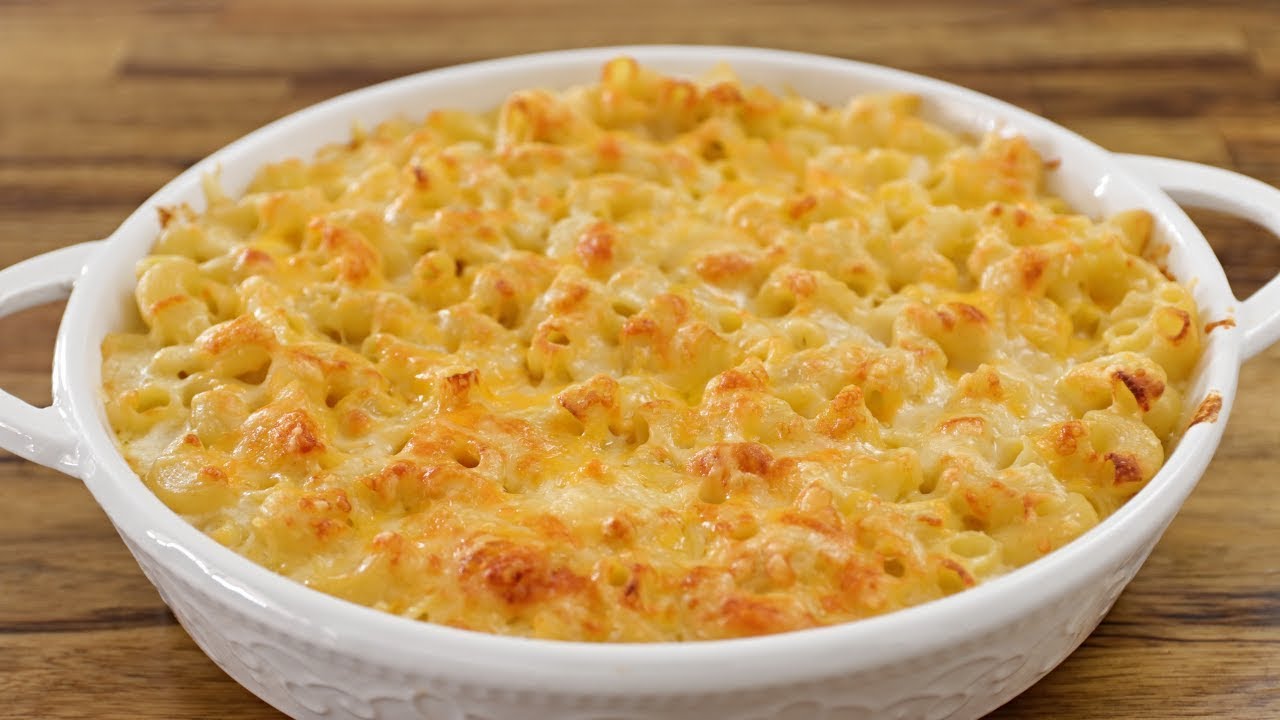
Macaroni Cheese Recipe: Macaroni cheese, or simply “mac and cheese,” is one of those dishes that feels like a warm hug on a plate. It’s creamy, cheesy, and filling—perfect for both kids and adults. When you think about comfort food, chances are mac and cheese makes the list. But while it looks simple, a truly delicious mac and cheese requires a perfect balance of pasta, cheese, and sauce.
The dish has roots in Europe, particularly in England and Italy, but it became widely popular in the United States in the 18th century. Today, it’s a staple side dish in family dinners, holidays like Thanksgiving, and even barbecues. Whether baked with a crispy breadcrumb topping or served hot and gooey from the stovetop, macaroni cheese remains a timeless favorite.
One of the reasons people love mac and cheese is its versatility. You can stick to a simple, classic recipe with just pasta and cheese sauce or elevate it with ingredients like bacon, caramelized onions, or even lobster. No matter how fancy or simple, it always hits the spot. In this guide, we’ll walk you through everything you need—from ingredients to a step-by-step method—to make the perfect macaroni cheese at home.
Ingredients You’ll Need
The secret to an unforgettable macaroni cheese lies in the ingredients. Using high-quality cheese, fresh milk, and perfectly cooked pasta makes all the difference. Let’s break down what you’ll need:
Core Ingredients
- Pasta – The traditional choice is elbow macaroni because it holds the sauce well, but you can use shells, penne, or fusilli.
- Butter – This is key for making the roux (the base of the sauce). Unsalted butter is preferred so you can control the saltiness.
- All-Purpose Flour – Works with butter to create the roux and thickens the cheese sauce.
- Milk – Whole milk gives creaminess, but you can use 2% or even heavy cream for a richer flavor.
- Cheese – Cheddar is the classic pick, but combining cheeses gives more depth.
- Salt and Pepper – For seasoning.
Optional Add-Ins for Flavor
- Breadcrumbs – Add a crunchy topping when baking.
- Mustard Powder – Enhances the cheesy flavor.
- Garlic Powder – Adds a subtle kick.
- Paprika or Chili Flakes – For a smoky or spicy twist.
- Vegetables – Broccoli, peas, or spinach can make it healthier.
- Protein – Bacon, ham, or chicken for extra heartiness.
Best Cheeses to Use for Creaminess and Taste
While cheddar is the classic base, mixing cheeses gives your sauce a luxurious taste. Consider these:
- Sharp Cheddar – Bold flavor that forms the base.
- Gruyère – Smooth and nutty, melts beautifully.
- Mozzarella – Stretchy and creamy.
- Parmesan – Salty and tangy for depth.
- Fontina – Mild and buttery.
The trick is to balance a cheese with strong flavor (like sharp cheddar) with one that melts smoothly (like Gruyère or mozzarella). This combination ensures your mac and cheese is both flavorful and creamy without being greasy.
Essential Kitchen Tools
Before you get cooking, it’s smart to have the right tools ready. Nothing ruins cooking like scrambling to find a whisk halfway through making sauce!
Pots, Pans, and Utensils
- Large Pot – For boiling pasta.
- Medium Saucepan – For making the cheese sauce.
- Whisk – Essential for a smooth, lump-free sauce.
- Wooden Spoon or Spatula – To stir pasta and combine with sauce.
- Measuring Cups and Spoons – Precision matters, especially for the roux.
Baking Dish and Alternatives
If you’re baking your mac and cheese, you’ll need:
- Oven-Safe Baking Dish – Glass or ceramic dishes work best.
- Cast-Iron Skillet – Perfect for stovetop-to-oven mac and cheese.
- Casserole Dish – Great for larger family meals.
If you prefer a stovetop-only mac and cheese, you can skip the baking dish altogether. That’s the beauty of this recipe—you can make it as simple or as fancy as you want.
Step-by-Step Guide to Making Macaroni Cheese
Now let’s get into the heart of the recipe. Follow these steps, and you’ll have a creamy, golden mac and cheese that’s better than any boxed version.
Step 1 – Boil the Pasta
Bring a large pot of salted water to a boil. Add your macaroni and cook according to package instructions, but stop 1–2 minutes short of fully cooked (known as al dente). This is especially important if you plan to bake the dish because the pasta will continue cooking in the oven. Drain the pasta and set it aside, tossing lightly with a drizzle of oil to prevent sticking.
Step 2 – Make the Cheese Sauce (Roux Method)
In a medium saucepan, melt butter over medium heat. Once melted, whisk in the flour to form a paste. Cook for about 1–2 minutes to remove the raw flour taste. Slowly add warm milk while whisking continuously. This prevents lumps and creates a smooth béchamel sauce. Once the mixture thickens, remove from heat and stir in your cheeses until melted and creamy. Season with salt, pepper, and optional spices like mustard powder or paprika.
Step 3 – Combine Pasta and Sauce
Pour the drained pasta into the sauce and stir until every piece is coated. At this point, you can serve it as a stovetop mac and cheese or move on to the next step for a baked version.
Step 4 – Baking vs. Stovetop Options
- Stovetop Version: Serve hot right away for a creamy, gooey dish.
- Baked Version: Preheat oven to 375°F (190°C). Transfer mac and cheese into a greased baking dish, sprinkle with breadcrumbs and extra cheese, then bake for 20–25 minutes until golden and bubbly.
Both versions are delicious, but the baked version offers a satisfying crunch that contrasts beautifully with the creamy inside.
Tips and Tricks for the Best Macaroni Cheese
The difference between average and outstanding mac and cheese often comes down to technique. Here are some pro tips:
Avoiding Grainy Cheese Sauce
Grainy sauce happens when cheese is added to overly hot sauce or when using pre-shredded cheese with anti-caking agents. Always lower the heat before adding cheese, and grate your own for the smoothest results.
How to Make it Extra Creamy
For a richer sauce, swap half the milk with heavy cream. Another trick is to stir in a spoonful of cream cheese—it adds body and tang. Some chefs also fold in a beaten egg for a custard-like texture when baking.
Adjusting Flavors for Kids vs. Adults
- For Kids: Stick to mild cheeses like cheddar and mozzarella. Skip the spices.
- For Adults: Experiment with sharper cheeses, spicy seasonings, or gourmet add-ins like truffle oil.
By customizing flavors, you can make one recipe suit any occasion—from picky eaters to a dinner party with friends.
Creative Variations of Macaroni Cheese
One of the best things about macaroni cheese is its adaptability. The classic recipe is already delicious, but with a few tweaks, you can create entirely new flavor experiences. Let’s explore some popular and creative variations.
Bacon and Caramelized Onion Mac and Cheese
Adding crispy bacon pieces and sweet caramelized onions gives a smoky and savory kick. The onions bring a slight sweetness that balances the richness of the cheese sauce, while the bacon adds crunch and saltiness. This version is a hit at gatherings and pairs beautifully with a fresh salad.
Spicy Jalapeño Mac and Cheese
If you enjoy heat, adding jalapeños or chili flakes to your mac and cheese takes it up a notch. You can fold in pickled jalapeños for tang or fresh ones for a sharp kick. Pair it with pepper jack cheese to really turn up the spice factor.
Lobster Mac and Cheese
This is the luxury version of the dish. Chunks of tender lobster folded into creamy cheese sauce transform humble mac and cheese into a restaurant-worthy dish. Often served in upscale steakhouses, this variation makes a perfect indulgence for special occasions.
Veggie-Packed Mac and Cheese
For a healthier twist, mix in roasted vegetables such as broccoli, cauliflower, spinach, or bell peppers. The vegetables add color, nutrition, and a nice texture contrast to the creaminess of the dish.
Buffalo Chicken Mac and Cheese
For fans of bold flavors, tossing in shredded buffalo chicken adds tang, spice, and extra protein. Top with blue cheese crumbles, and you’ll have the ultimate game-day comfort food.
These variations prove that macaroni cheese is more than just pasta and cheese—it’s a versatile dish that can fit any mood or occasion.
Healthier Alternatives for Macaroni Cheese
Macaroni cheese is undeniably indulgent, but that doesn’t mean it can’t be made healthier. With a few smart swaps, you can enjoy a lighter version without losing flavor.
Using Whole Wheat or Gluten-Free Pasta
Switching to whole wheat pasta boosts the fiber content, while gluten-free pasta makes the dish suitable for people with gluten sensitivities. Lentil or chickpea pasta also adds protein.
Lightening the Cheese Sauce
Instead of heavy cream, use low-fat milk or unsweetened almond milk. Greek yogurt or cottage cheese can also be blended into the sauce to add creaminess without excess fat.
Adding Vegetables
Incorporating vegetables is one of the easiest ways to make mac and cheese healthier. Pureeing butternut squash or cauliflower into the sauce adds nutrients and creaminess without extra calories.
Portion Control and Balance
Pairing mac and cheese with a side salad or roasted vegetables helps create a more balanced meal. Instead of eating a large portion as a main course, consider serving it as a side dish.
These swaps won’t make macaroni cheese a superfood, but they allow you to enjoy it more often without guilt.
Pairing Macaroni Cheese with Side Dishes
Macaroni cheese is delicious on its own, but pairing it with the right side dishes can elevate the whole meal.
Fresh and Light Options
- Green Salad – A crisp salad with lemon vinaigrette balances the richness of mac and cheese.
- Steamed Vegetables – Broccoli, asparagus, or green beans work perfectly.
Savory Complements
- Garlic Bread – Adds crunch and enhances the indulgence.
- Roast Chicken – A hearty protein to turn mac and cheese into a full meal.
Comfort Food Pairings
- BBQ Ribs or Pulled Pork – Smoky barbecue flavors pair beautifully with cheesy pasta.
- Fried Chicken – Classic soul food combo that never fails.
By pairing it thoughtfully, mac and cheese transforms from a simple dish into a well-rounded feast.
Common Mistakes to Avoid When Making Macaroni Cheese
Even though mac and cheese seems simple, there are pitfalls that can lead to disappointing results. Let’s go through the most common mistakes so you can avoid them.
Overcooking the Pasta
Since pasta continues cooking when baked, boiling it fully beforehand often leads to mushy results. Always cook until al dente.
Using Pre-Shredded Cheese
Pre-shredded cheese contains anti-caking agents that prevent smooth melting. Always grate your cheese fresh for the best sauce.
Adding Cheese to Overheated Sauce
High heat can cause cheese to separate and turn grainy. Lower the temperature before mixing cheese into the sauce.
Skipping Seasoning
Cheese alone isn’t enough—season with salt, pepper, and optional spices like mustard powder or paprika for depth of flavor.
Forgetting the Crunch
If you’re baking mac and cheese, a breadcrumb topping makes all the difference. Without it, the dish can feel one-dimensional.
Avoid these mistakes, and you’ll consistently end up with restaurant-quality macaroni cheese at home.
Storage and Reheating Instructions
Macaroni cheese is best eaten fresh, but it can be stored and reheated if you have leftovers.
Refrigerating
Store mac and cheese in an airtight container in the fridge for up to 3–4 days.
Freezing
For longer storage, portion the mac and cheese into freezer-safe containers. It will last up to 2 months. When ready to eat, thaw in the refrigerator overnight.
Reheating
- Stovetop – Add a splash of milk or cream while reheating to restore creaminess.
- Oven – Reheat in a covered baking dish at 350°F (175°C) for 20 minutes.
- Microwave – Quick option, but can dry out the pasta. Add a little milk before heating.
With proper reheating, your mac and cheese can taste almost as good as freshly made.
Macaroni Cheese for Special Occasions
While mac and cheese is often thought of as a casual family dinner, it can easily be transformed into a star dish for special occasions. With the right presentation and ingredient upgrades, this comfort food can become the highlight of any celebration.
Holiday Gatherings
At Thanksgiving or Christmas, baked macaroni cheese makes the perfect side dish. Its creamy texture pairs beautifully with roasted meats and vegetables. To make it festive, top with golden breadcrumbs, fresh herbs, or even a sprinkle of crispy fried onions.
Dinner Parties
For an elegant twist, serve mac and cheese in individual ramekins or small cast-iron skillets. Add gourmet touches like truffle oil, wild mushrooms, or lobster chunks to impress your guests. Presentation matters just as much as flavor in these settings.
Kids’ Parties
Children love mac and cheese, and it can be served in fun shapes like mini muffin-sized bites or with colorful add-ins such as peas and carrots. It’s both kid-friendly and easy for parents to prepare in large batches.
Potlucks and BBQs
Mac and cheese is always a crowd-pleaser at casual gatherings. Make a big casserole dish, top it with crunchy breadcrumbs, and let it be the first dish that disappears from the table. Its cheesy goodness pairs especially well with grilled foods like burgers and ribs.
With a little creativity, mac and cheese can shine at any event—whether formal or casual.
Kid-Friendly Macaroni Cheese Recipes
Kids can be picky eaters, but macaroni cheese almost always wins them over. To make it even more appealing and nutritious for children, try these ideas:
Simple and Mild Flavors
Stick to mild cheeses like mozzarella or mild cheddar. Avoid strong cheeses that may be too sharp for young taste buds.
Hidden Vegetables
Blend cooked carrots, squash, or cauliflower into the cheese sauce. The vegetables add creaminess and nutrients while staying “invisible” to kids who don’t like veggies.
Fun Shapes
Use pasta in fun shapes—spirals, shells, or even alphabet pasta. This makes mealtime more exciting for children.
Mac and Cheese Muffins
Bake portions of mac and cheese in muffin tins for easy, handheld servings. These are perfect for lunchboxes or party snacks.
Customizable Toppings
Let kids sprinkle on their favorite toppings like extra cheese, breadcrumbs, or even a few crunchy goldfish crackers. Giving them choices makes them more likely to eat happily.
By tailoring flavors and presentation, macaroni cheese becomes both a kid-pleasing dish and a nutritious option for parents.
Vegan and Dairy-Free Macaroni Cheese
Macaroni cheese doesn’t have to rely on dairy to be delicious. With the right ingredients, you can make a vegan version that’s creamy, cheesy, and just as comforting.
Plant-Based Cheese Alternatives
Many stores now carry vegan cheeses made from cashews, almonds, or coconut oil. Nutritional yeast is also a favorite among vegans for its nutty, cheesy flavor.
Dairy-Free Milk and Cream
Unsweetened almond milk, oat milk, or soy milk can replace cow’s milk. For extra richness, coconut milk or cashew cream works wonderfully.
Vegan Butter and Flour Roux
Use plant-based butter to make the roux with flour, just as you would in the traditional version.
Flavor Boosters
Since vegan cheese often lacks sharpness, spices like garlic powder, onion powder, and mustard can enhance flavor. A dash of turmeric can also give the sauce that classic golden color.
Vegan mac and cheese proves that comfort food can be inclusive—rich, creamy, and satisfying for everyone, regardless of dietary choices.
Gluten-Free Macaroni Cheese
For those with gluten sensitivities or celiac disease, macaroni cheese can still be enjoyed with simple substitutions.
Gluten-Free Pasta
Choose pasta made from rice, quinoa, or chickpeas. These alternatives hold up well to cheese sauce and taste close to traditional pasta.
Gluten-Free Flour
When making the roux, swap all-purpose flour with gluten-free flour blends or cornstarch as a thickener.
Breadcrumb Alternatives
For the crunchy topping, use gluten-free breadcrumbs or even crushed gluten-free crackers or cornflakes.
The result is a dish that’s every bit as creamy and comforting as the classic, but safe for those avoiding gluten.
FAQs about Macaroni Cheese Recipe
1. Can I make macaroni cheese ahead of time?
Yes! Prepare the pasta and cheese sauce, combine them, and store in the fridge. When ready, bake with toppings for a fresh, hot dish.
2. What’s the best cheese for macaroni cheese?
Sharp cheddar is classic, but mixing it with Gruyère, mozzarella, or parmesan creates a richer, creamier flavor.
3. How can I make my mac and cheese creamier?
Use a blend of milk and heavy cream, and consider adding cream cheese or Greek yogurt for extra richness.
4. Can macaroni cheese be frozen?
Yes, portion it into freezer-safe containers and freeze for up to 2 months. Reheat in the oven with a splash of milk to restore creaminess.
5. What protein goes well with mac and cheese?
Bacon, ham, chicken, or even seafood like lobster all make excellent additions to macaroni cheese.
Conclusion
Macaroni cheese is more than just pasta and cheese—it’s a dish that carries warmth, nostalgia, and endless possibilities. From the classic stovetop version to gourmet takes with lobster or truffle, it adapts to every taste and occasion. Whether you’re cooking for kids, hosting a dinner party, or making a cozy weeknight meal, mac and cheese always delivers comfort in every bite.
With the right ingredients, smart cooking techniques, and creative variations, you can make macaroni cheese that’s not only satisfying but unforgettable. So grab your favorite cheeses, boil that pasta, and get ready to enjoy one of the world’s most beloved comfort foods.