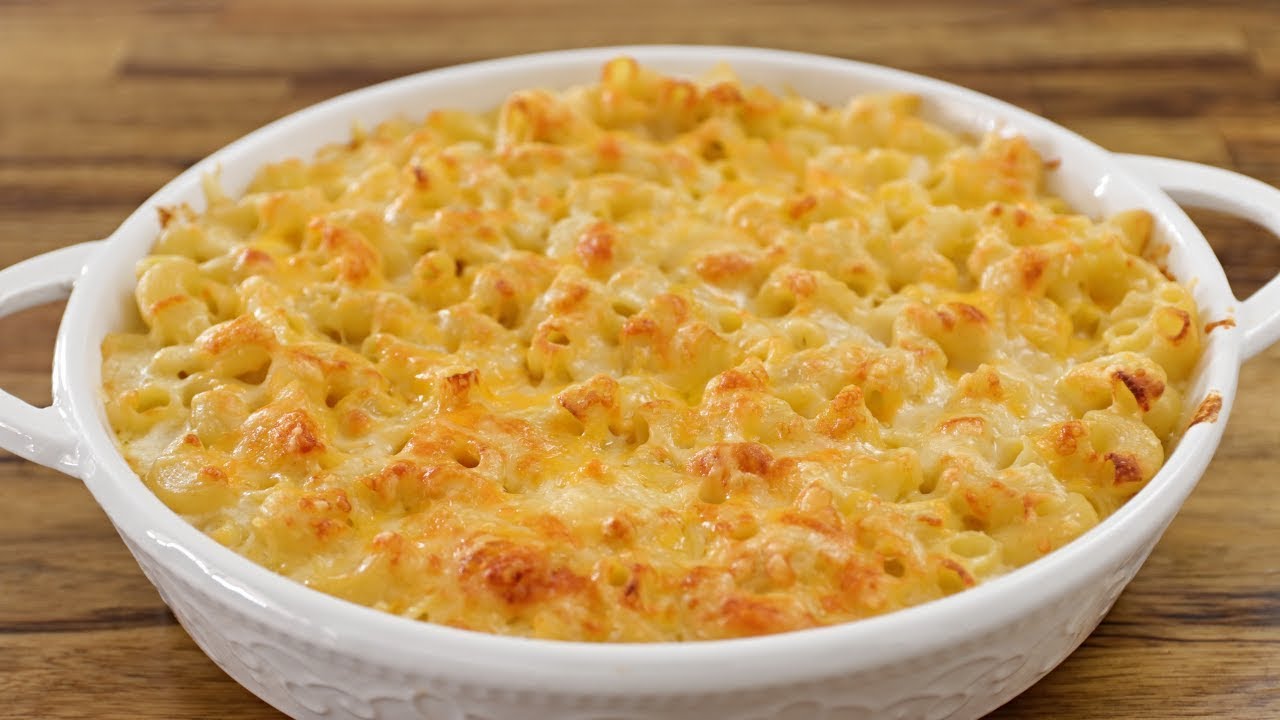
Mac and Cheese Sauce Recipe: There’s something magical about a creamy, cheesy mac and cheese sauce that instantly brings comfort and warmth to the table. While boxed mac and cheese may be quick, nothing compares to the richness and flavor of a homemade sauce. The secret to a perfect mac and cheese lies in the sauce—smooth, velvety, and packed with cheesy goodness.
Why homemade is better? When you make your own mac and cheese sauce, you control the quality of ingredients, the level of creaminess, and the type of cheese used. Store-bought mixes often rely on powdered cheese and artificial flavoring, while homemade sauce uses real, fresh cheese that melts beautifully. This makes the flavor more authentic, satisfying, and customizable.
Mac and cheese isn’t just a meal—it’s comfort food at its finest. Whether you’re cooking for kids, serving guests, or just indulging in a cozy night at home, this dish never disappoints. With the right balance of butter, milk, and cheese, you’ll create a sauce that coats every piece of pasta perfectly.
In this guide, we’ll walk you through everything from the essential ingredients to step-by-step instructions, plus tips and variations to make your mac and cheese sauce truly irresistible.
Ingredients You’ll Need
To make the perfect mac and cheese sauce, you’ll need a few simple yet essential ingredients. These ingredients form the base of your sauce and allow you to customize it according to your taste preferences.
Essential Dairy Products
The creaminess of mac and cheese starts with dairy. Butter is the base for the roux, which thickens the sauce. Whole milk or half-and-half gives the sauce its rich texture, while heavy cream adds extra decadence. Using skim or low-fat milk is possible, but keep in mind that it may result in a thinner sauce.
Cheeses That Work Best
Cheese is the star of the show. Cheddar is the most popular choice because of its sharp flavor and smooth melting ability. However, mixing different cheeses can take your sauce to the next level. Mozzarella adds stringy creaminess, Gruyère brings nuttiness, and Parmesan enhances depth. A blend of sharp cheddar, Monterey Jack, and Parmesan is a winning combination for many.
Pantry Staples and Spices
Flour is needed to make the roux, while salt enhances overall flavor. Black pepper adds a touch of spice, and a pinch of mustard powder can brighten up the taste. Some cooks also like to add paprika for a smoky flavor or garlic powder for depth.
Optional Add-ins for Extra Flavor
If you want to elevate your mac and cheese sauce, consider add-ins like crumbled bacon, caramelized onions, roasted garlic, or even hot sauce for a kick. These small touches can transform a simple mac and cheese into a gourmet dish.
Kitchen Tools Required
Making mac and cheese sauce doesn’t require fancy equipment, but having the right tools ensures the process is smooth and hassle-free.
Must-Have Utensils
- Medium-sized saucepan – for cooking the roux and sauce.
- Whisk – essential for creating a lump-free, smooth sauce.
- Wooden spoon – for stirring the sauce as it thickens.
- Measuring cups and spoons – to ensure accurate ingredient proportions.
Nice-to-Have Tools for Better Results
- Cheese grater – freshly grated cheese melts better than pre-shredded, which often contains anti-caking agents.
- Silicone spatula – helpful for scraping every bit of sauce from the pan.
- Fine mesh strainer – if lumps appear, straining the sauce can save it.
Having these tools ready before you start cooking makes the process easier and guarantees a creamy, consistent sauce every time.
Step-by-Step Guide to Making Mac and Cheese Sauce
Now comes the fun part—actually making the sauce. This step-by-step guide will walk you through each stage so you can achieve a silky, flavorful mac and cheese sauce every time.
Step 1 – Preparing Your Ingredients
Before turning on the stove, gather and measure all your ingredients. Shred the cheese instead of buying pre-shredded—it melts faster and gives a creamier result. Have your milk ready at room temperature; cold milk can make the sauce seize up. By prepping in advance, you’ll avoid rushing during cooking.
Step 2 – Making the Roux
The roux is the base of the sauce. Melt butter in a saucepan over medium heat, then whisk in flour. Keep whisking until the mixture forms a smooth paste and begins to bubble slightly. This step usually takes 1–2 minutes. The goal is to cook off the raw flour taste without browning the mixture. A good roux ensures your sauce thickens properly without lumps.
Step 3 – Adding Milk and Cream for the Base
Slowly pour in warm milk while whisking continuously. This helps the mixture stay smooth and prevents lumps. Allow the sauce to simmer until it thickens, which usually takes 4–5 minutes. At this stage, you’ll see the sauce start to resemble a creamy base. If you prefer extra richness, add a splash of cream along with the milk.
Step 4 – Melting in the Cheese
Reduce the heat to low before adding cheese. Stir in shredded cheese one handful at a time, allowing it to melt completely before adding more. Adding all the cheese at once can make the sauce grainy. Continue stirring until you get a silky, cheesy consistency.
Step 5 – Seasoning and Adjusting Flavor
Once the cheese is fully melted, season your sauce with salt, black pepper, and any other spices you like. Taste as you go—remember, cheeses like Parmesan and cheddar are already salty, so don’t overdo it. This is also the time to add optional ingredients like mustard powder, paprika, or garlic powder for extra flavor depth.
Tips for the Perfect Mac and Cheese Sauce
Even with a good recipe, mac and cheese sauce can sometimes turn out grainy, too thin, or bland. These tips will help you avoid common pitfalls and create a sauce that’s smooth, flavorful, and irresistible.
How to Prevent Grainy Sauce
The number one reason cheese sauce turns grainy is overheating. Always lower the heat before adding cheese and stir gently until it melts. Using pre-shredded cheese can also cause issues because of anti-caking agents. Freshly grated cheese is the best choice.
Adjusting Thickness and Consistency
If your sauce is too thick, whisk in a splash of milk until you reach the desired consistency. If it’s too thin, let it simmer for a few extra minutes to thicken naturally. Avoid adding more flour at this stage—it can make the sauce clumpy.
Best Cheese Combinations
For a flavorful sauce, combine cheeses instead of relying on just one. Sharp cheddar provides boldness, mozzarella gives creaminess, Gruyère adds nuttiness, and Parmesan boosts overall flavor. Experiment with combinations until you find your favorite.
Variations of Mac and Cheese Sauce
While the classic mac and cheese sauce is already delicious, sometimes you might crave a twist to make it more exciting. Luckily, this recipe is versatile and can be adapted to fit your taste buds. Whether you want it spicier, creamier, or a little healthier, there’s always a way to customize it.
Spicy Mac and Cheese Sauce
If you love a bit of heat, turn your sauce into a fiery delight. You can add cayenne pepper, chili flakes, or even a splash of hot sauce while stirring the cheese. For a smoky kick, try chipotle powder or smoked paprika. Jalapeños or diced green chilies also blend beautifully with the creamy base. Spicy mac and cheese is perfect for game nights or when you want to give your comfort food an extra punch.
Extra Creamy Version
Some people love mac and cheese so creamy that it feels like velvet in every bite. To achieve this, simply replace part of the milk with heavy cream or half-and-half. Adding a bit of cream cheese also makes the sauce incredibly smooth. If you want it extra decadent, toss in a spoonful of mascarpone. The result? A sauce that hugs every pasta shell and feels like pure indulgence.
Healthy Alternatives
If you’re aiming for a lighter version, you can still enjoy a tasty mac and cheese without compromising too much. Use skim milk instead of whole milk, and swap butter with olive oil. For cheese, go with reduced-fat cheddar or try a blend of nutritional yeast for a dairy-free alternative. You can also sneak in some pureed vegetables like cauliflower or butternut squash into the sauce—it adds creaminess, nutrients, and a subtle sweetness without overpowering the cheese flavor.
Serving Suggestions
Mac and cheese is versatile, and the way you serve it can elevate it from a simple dish to a complete meal. Pairing it with the right pasta and toppings can make all the difference.
Best Pasta Shapes for Mac and Cheese
Not all pasta shapes are created equal when it comes to holding cheese sauce. Elbow macaroni is the classic choice, but other shapes like cavatappi, shells, and penne work beautifully too. These shapes have ridges or curves that trap the sauce inside, giving you more flavor with every bite. If you’re feeling fancy, try using fusilli or rigatoni for an upgraded version.
Creative Toppings to Try
While creamy mac and cheese is delicious on its own, toppings add crunch, texture, and extra flavor. Some popular options include:
- Breadcrumbs – Toasted in butter and sprinkled on top for a golden, crispy finish.
- Bacon Crumbles – Adds a smoky, savory crunch.
- Caramelized Onions – Sweetness that pairs beautifully with sharp cheese.
- Fresh Herbs – Parsley, thyme, or chives can brighten up the richness.
- Hot Sauce Drizzle – Perfect for spice lovers who want a kick in every bite.
These little touches turn a humble mac and cheese into a gourmet experience.
Storage and Reheating Guide
One of the best things about mac and cheese sauce is that it can be made ahead and stored for later use. However, proper storage is key to keeping it creamy and flavorful.
Refrigerating Tips
If you’re planning to eat it within a few days, store your sauce in an airtight container in the refrigerator. It usually stays fresh for 3–4 days. Make sure to let it cool before storing, as sealing it while hot can cause condensation and make the sauce watery.
Freezing the Sauce
Yes, you can freeze mac and cheese sauce! To do this, transfer the cooled sauce into a freezer-safe bag or container. It will last up to 2 months in the freezer. When freezing, avoid adding pasta until reheating—the texture of thawed pasta can get mushy.
Reheating Without Losing Creaminess
Reheating can sometimes cause the sauce to separate, but there’s a trick to fix it. Warm the sauce slowly over low heat, adding a splash of milk or cream while stirring constantly. This helps bring back its silky texture. If reheating from frozen, thaw the sauce overnight in the fridge before reheating.
Common Mistakes to Avoid
Even the best recipes can go wrong if you’re not careful. Here are some common pitfalls and how to steer clear of them.
Overheating the Cheese
One of the quickest ways to ruin a cheese sauce is to let it get too hot. High heat makes the cheese oils separate, leaving you with a grainy or greasy mess. Always melt cheese on low heat and stir gently until smooth.
Adding Milk Too Quickly
When making the roux, it’s important to add milk gradually while whisking. Pouring it all in at once can create lumps that are difficult to smooth out. Patience is key—add a little at a time, whisking constantly until it blends well.
Skipping the Roux
Some people try to skip the roux and go straight to melting cheese in milk. While this might work in some cases, it usually results in a thin, runny sauce that won’t coat pasta properly. The roux is the foundation of a thick, creamy sauce and shouldn’t be skipped.
Nutritional Breakdown
Mac and cheese is known for being indulgent, but knowing the nutritional profile helps you enjoy it wisely.
Calories and Macros per Serving
A classic serving of mac and cheese sauce (without pasta) contains roughly:
- Calories: 250–300
- Carbohydrates: 10–12g
- Protein: 10–15g
- Fat: 18–22g
These numbers vary depending on the type of cheese, milk, and add-ins you use.
Healthier Ingredient Swaps
If you’re looking to cut calories or fat, try these swaps:
- Use low-fat milk instead of whole milk.
- Substitute Greek yogurt for part of the cream.
- Choose reduced-fat cheese or mix in nutritional yeast for flavor without extra calories.
- Add pureed vegetables like cauliflower or carrots for nutrients and fiber.
By making a few adjustments, you can enjoy mac and cheese more often without feeling guilty.
FAQs about Mac and Cheese Sauce Recipe
Q1: Can I add meat to my mac and cheese sauce?
Yes! Cooked bacon, shredded chicken, or even ground beef can be mixed into the sauce for a heartier dish.
Q2: What’s the secret to making mac and cheese extra cheesy?
Use a combination of cheeses and don’t be shy with the amount. Just make sure you add it slowly to avoid clumping.
Q3: Can I use plant-based milk for the sauce?
Yes, almond milk, oat milk, or soy milk can work. Just be sure to choose unsweetened varieties so the flavor stays savory.
Q4: Why does my sauce taste bland?
It likely needs seasoning. Salt, black pepper, mustard powder, or even a dash of hot sauce can bring out the cheesy flavor.
Q5: How do I make baked mac and cheese with this sauce?
Simply mix the sauce with cooked pasta, transfer to a baking dish, sprinkle with breadcrumbs and extra cheese, and bake until golden and bubbly.
Conclusion
The beauty of homemade mac and cheese sauce is its flexibility. You can stick to the traditional sharp cheddar or experiment with a mix of cheeses for deeper flavors. Add a touch of spice, make it extra creamy, or sneak in some veggies—it’s entirely up to you. With the right ingredients, tools, and techniques, you’ll never go back to boxed mac and cheese again.
Next time you’re in the mood for comfort food, try this step-by-step guide and watch how quickly it becomes a family favorite. Pair it with your favorite pasta, sprinkle on toppings, or serve it as a side to a main dish. Either way, it’s a recipe that will always hit the spot.