Low Carbohydrate Pizza Crust Recipe: Pizza is one of those comfort foods that most people can’t resist, but if you’re following a low carbohydrate or keto-friendly diet, the traditional flour-based crust may not fit your lifestyle.
The good news? You don’t have to give up pizza at all. With the right ingredients and methods, you can make a delicious low carbohydrate pizza crust that’s crispy, flavorful, and satisfying without the heavy carb load.
In this guide, we’ll take you through the entire process—ingredients, preparation, and tips—to make your own low carb pizza crust at home.
Introduction to Low Carb Pizza Crust
The concept of low carb eating has become incredibly popular in recent years, especially with the rise of ketogenic, paleo, and diabetic-friendly diets. Traditional pizza crust is made from wheat flour, which is packed with carbohydrates. While this might give the crust its classic chewy texture, it also spikes blood sugar levels and can leave you feeling sluggish afterward.
A low carb pizza crust, on the other hand, offers all the satisfaction of pizza but without the carb overload. Instead of wheat flour, alternatives such as almond flour, coconut flour, cheese, or even cauliflower are used to create a base that is low in carbs but still holds up well under toppings. The result? You get to enjoy pizza without breaking your diet plan.
But it’s not just about carbs. Low carb pizza crusts can also be higher in protein, fiber, and healthy fats, making them more nutrient-dense. Plus, because these crusts are gluten-free, they’re suitable for people with gluten sensitivities or celiac disease.
Who should try it? Pretty much anyone who loves pizza but wants a healthier option. Whether you’re managing weight, blood sugar, or just looking to make better food choices, a low carb pizza crust is a delicious way to stick to your goals.
Ingredients You’ll Need
To make a great low carb pizza crust, you need the right ingredients. Here’s a breakdown of the essentials:
1. Almond Flour or Coconut Flour
Almond flour is the most popular choice for low carb crusts because it has a nutty flavor, is rich in protein, and provides a soft but firm texture. Coconut flour, on the other hand, absorbs more moisture, so you’ll need less of it but more eggs or liquid to balance. Some recipes even combine both for the best results.
2. Cheese Selection
Mozzarella is a favorite because of its stretchiness and mild flavor. Parmesan can be added for extra sharpness, while cream cheese is often used in “fathead” dough recipes to bind the crust together and add creaminess.
3. Binding Agents
Since you won’t be using gluten (which normally gives dough its structure), you’ll need something else to hold your crust together. Eggs are the most common binding agent. For a firmer crust, psyllium husk powder or xanthan gum can also be added.
4. Herbs and Spices
To make your crust taste more like pizza and less like plain bread, seasonings are key. Garlic powder, onion powder, oregano, basil, and Italian seasoning all work well. A pinch of salt enhances the flavor balance.
5. Optional Additions
- Olive oil or avocado oil for extra moisture
- Ground flaxseed for fiber
- Nutritional yeast for a cheesy, nutty flavor without adding extra cheese
By preparing these ingredients in advance, you’ll make the pizza-making process smooth and enjoyable.
Step-by-Step Guide to Making Low Carb Pizza Crust
Making a low carb pizza crust isn’t complicated, but it does require a little attention to detail. Follow these steps to ensure your crust turns out perfectly every time.
Step 1 – Preparing the Ingredients
Start by measuring out all your dry and wet ingredients. Preheat your oven to around 375°F (190°C) so it’s ready by the time your crust is shaped. Line a baking sheet or pizza pan with parchment paper to prevent sticking.
If you’re using almond flour, sift it to avoid clumps. For cheese, shred fresh mozzarella instead of using pre-shredded (which often contains anti-caking agents that affect melting). Crack your eggs into a small bowl and beat them lightly.
Step 2 – Mixing the Dough
In a mixing bowl, combine almond flour (or coconut flour), shredded mozzarella, cream cheese (if using), and eggs. Microwave the cheese mixture for 30–45 seconds until it softens, then stir until a sticky dough forms. Add seasonings, and if the dough feels too wet, sprinkle in a little more almond flour.
This is where patience is key—mixing too fast or too long can make the dough tough, while undermixing leaves it uneven. You want a smooth, pliable dough that you can roll or press easily.
Step 3 – Shaping the Crust
Place the dough on the parchment paper and use your hands or a rolling pin to spread it out into a thin circle or rectangle, depending on your preference. Aim for about ¼ inch thickness; too thick and it won’t crisp properly, too thin and it may burn.
To make the edges look like traditional pizza crust, pinch and shape them slightly higher than the rest of the dough.
Step 4 – Pre-Baking the Crust
Before adding toppings, pre-bake the crust for about 8–10 minutes. This helps it set and become firm enough to hold your toppings later. Check halfway through to make sure it’s not browning too quickly.
Step 5 – Adding Toppings and Final Baking
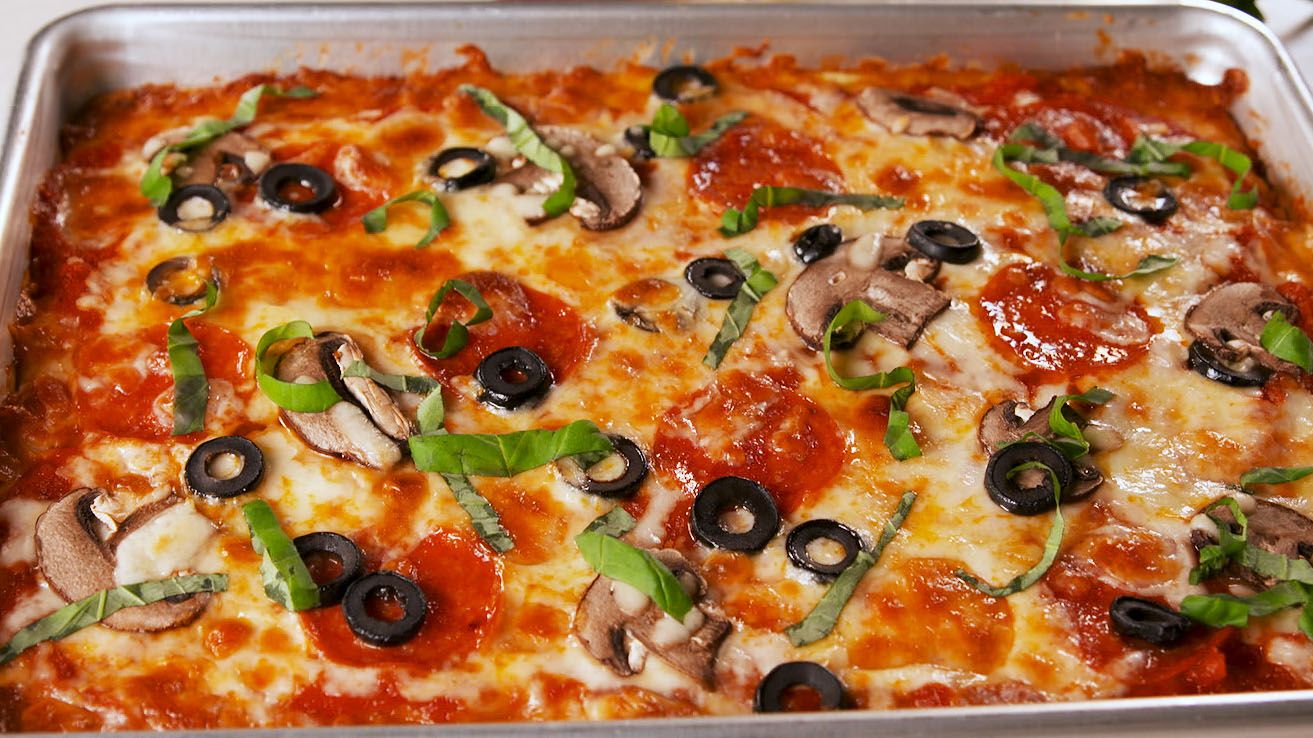
Once your crust is pre-baked, remove it from the oven and let it cool for a couple of minutes. Then, spread your sauce, cheese, and toppings evenly. Return it to the oven and bake for another 8–12 minutes until the cheese is bubbly and golden.
That’s it—you now have a homemade low carb pizza that’s ready to enjoy!
Variations of Low Carb Pizza Crust
One of the best things about making your own low carb pizza crust is the ability to customize it to your taste and dietary needs. There isn’t just one way to do it—there are several variations, each with its unique flavor, texture, and nutritional profile. Let’s break down the most popular options:
1. Cauliflower Crust
This version is perfect for those who want a vegetable-rich option. To make it, finely grated cauliflower is steamed or microwaved, then squeezed thoroughly to remove moisture. Once dry, it’s combined with eggs, cheese, and seasoning to form a dough. When baked, the result is a slightly softer crust with a mild flavor that pairs beautifully with fresh toppings. Cauliflower crust is lower in calories than almond flour or cheese-based crusts, making it great for weight management.
2. Almond Flour Crust
Almond flour crust is perhaps the most classic low carb option. It gives a slightly nutty flavor, holds up well under toppings, and delivers a crispy texture when baked properly. Since almonds are naturally rich in healthy fats and protein, this crust is very filling. It’s also gluten-free, which makes it suitable for those with wheat sensitivities.
3. Cheese-Based “Fathead” Dough
Fathead dough is a keto community favorite. It’s made primarily from mozzarella cheese, cream cheese, almond flour, and eggs. This crust is rich, cheesy, and sturdy enough to handle heavy toppings. It’s the closest you’ll get to the texture of traditional pizza dough while keeping carbs extremely low. The fathead version is perfect for anyone on a ketogenic diet who wants a satisfying, indulgent pizza.
4. Coconut Flour Crust
Coconut flour absorbs much more liquid than almond flour, so recipes usually require extra eggs to balance it out. The result is a slightly softer and breadier crust with a subtle coconut undertone. It’s higher in fiber than almond flour, which can help with digestion and keeping you full longer.
5. Mixed-Flour Crust
Some recipes combine almond flour and coconut flour to achieve the best of both worlds. This hybrid crust has a balanced texture, avoids being too dense, and crisps up nicely without falling apart.
With so many variations available, you can experiment to find the one that best suits your preferences.
Tips and Tricks for the Perfect Low Carb Pizza Crust
Even though low carb pizza crust is simple to make, a few small mistakes can turn it soggy, crumbly, or flavorless. To help you succeed every time, here are some essential tips and tricks:
1. Don’t Skip Pre-Baking
The most common mistake is skipping the pre-baking step. If you add toppings to raw dough, the crust will absorb too much moisture and stay soggy. Always pre-bake for at least 8–10 minutes before adding sauce and cheese.
2. Drain Excess Moisture
When making cauliflower crust, squeezing out moisture is critical. Use a cheesecloth or clean kitchen towel to press out as much water as possible. For almond or coconut flour crusts, too much cheese or oil can also make them greasy.
3. Watch the Thickness
Too thin, and your crust will burn or break apart. Too thick, and it’ll be heavy and undercooked in the center. Aim for around ¼ inch thickness for the perfect balance.
4. Use Fresh Cheese Instead of Pre-Shredded
Pre-shredded cheese often contains anti-caking agents that prevent it from melting smoothly. Shredding fresh mozzarella or parmesan gives you better consistency and flavor.
5. Add Seasoning to the Dough
Plain almond or cauliflower crust can taste bland without seasonings. Mix in garlic powder, oregano, basil, or Italian seasoning to give your crust that authentic pizzeria taste.
6. Let It Rest Before Cutting
After baking, let the pizza rest for a few minutes. This helps the crust firm up, making it easier to slice without falling apart.
7. Store and Reheat Properly
If you make extra, store slices in the fridge for up to 3 days. For the best texture, reheat in a skillet or oven instead of the microwave to restore crispiness.
These little hacks can make the difference between an average low carb pizza and one that rivals your favorite restaurant version.
Nutritional Information of Low Carb Pizza Crust
One of the biggest advantages of low carb pizza crust is the nutritional upgrade compared to traditional dough. Let’s take a closer look at the numbers.
1. Traditional Pizza Crust (per slice, plain, no toppings)
- Calories: ~220
- Carbohydrates: 35–40g
- Protein: 6g
- Fat: 4g
- Fiber: 2g
2. Almond Flour Crust (per slice, plain, no toppings)
- Calories: ~150–170
- Carbohydrates: 5–6g (net carbs: ~2g after fiber)
- Protein: 7–9g
- Fat: 12–14g
- Fiber: 3–4g
3. Cauliflower Crust (per slice, plain, no toppings)
- Calories: ~120–140
- Carbohydrates: 6–8g (net carbs: ~3–4g)
- Protein: 5–7g
- Fat: 8–9g
- Fiber: 2–3g
4. Fathead Dough (per slice, plain, no toppings)
- Calories: ~200–220
- Carbohydrates: 4–5g (net carbs: ~2g)
- Protein: 9–10g
- Fat: 16–18g
- Fiber: 2–3g
Compared to traditional crust, the low carb versions drastically cut down carbohydrates, which helps keep blood sugar stable. They’re also higher in fat and protein, making them more satisfying and reducing the urge to overeat.
For those on keto, fathead or almond flour crusts are ideal. If you’re aiming for fewer calories overall, cauliflower crust is the best option.
Common Mistakes to Avoid
Making your own low carb pizza crust can be a fun and rewarding experience, but a few common errors can ruin your hard work. Here’s what to avoid:
1. Overmixing the Dough
When mixing almond or coconut flour dough, overworking it can make it tough. Unlike regular wheat dough, there’s no gluten to develop, so keep mixing minimal—just enough to combine everything evenly.
2. Forgetting to Remove Moisture (Cauliflower Crust)
Cauliflower holds a lot of water, and failing to remove it results in a soggy, falling-apart crust. Always take the time to drain it properly before mixing.
3. Using Too Much Cheese or Oil
While cheese adds flavor and structure, too much can make the crust greasy and floppy. Stick to recipe measurements for balance.
4. Baking at the Wrong Temperature
Too low of a temperature won’t crisp the crust, while too high may burn it before it’s cooked through. Around 375–400°F (190–200°C) is usually the sweet spot.
5. Adding Toppings Too Early
If you load up the crust with sauce and toppings before pre-baking, it won’t set properly. Always pre-bake, then add toppings, then bake again.
By avoiding these mistakes, you’ll get a golden, crispy, and perfectly balanced low carb crust every time.
Serving Suggestions and Pairings
Now that you’ve mastered the art of making a low carbohydrate pizza crust, it’s time to think about what to serve it with. The beauty of homemade pizza is that you can top it however you like, but when you’re aiming for a low carb lifestyle, it helps to have some smart pairing ideas ready. Here’s how to take your low carb pizza night to the next level:
1. Low Carb Toppings
Choosing the right toppings is key to keeping your pizza both delicious and low in carbs.
- Proteins: Pepperoni, sausage, grilled chicken, ground beef, bacon, or even smoked salmon all work beautifully. They add richness and make your pizza more filling.
- Cheeses: Mozzarella is a classic, but try mixing in goat cheese, feta, parmesan, or provolone for more depth of flavor.
- Vegetables: Bell peppers, onions, mushrooms, spinach, olives, zucchini, and artichokes bring freshness and balance. Keep starchy vegetables like corn or potatoes off the list, as they’ll raise carb counts.
2. Healthy Sauces
Instead of sugar-laden store-bought sauces, make your own. A simple blend of crushed tomatoes, garlic, olive oil, and Italian herbs makes a perfect low carb pizza sauce. If you want something different, try pesto for a burst of basil flavor or an Alfredo-style cream sauce for a richer, indulgent option.
3. Pair with Fresh Sides
A pizza night feels even better when you pair your slices with sides that complement the flavors.
- Salads: A crisp Caesar salad with parmesan shavings, a Greek salad with olives and feta, or a simple arugula salad with lemon vinaigrette are all perfect partners.
- Vegetable Sides: Roasted zucchini, garlic green beans, or sautéed spinach add extra nutrients without overloading on carbs.
4. Drinks That Pair Well
If you’re keeping things low carb, swap soda and beer for smarter choices. Sparkling water with lemon, unsweetened iced tea, or even a dry red wine in moderation pairs beautifully with pizza without ruining your diet.
By putting thought into toppings, sides, and pairings, you transform a simple low carb pizza into a satisfying, restaurant-quality meal at home.
FAQs about Low Carbohydrate Pizza Crust Recipe
1. Can I make low carb pizza crust without cheese?
Yes, but it’s trickier. Cheese helps bind and add flavor, especially in fathead dough. If you want a dairy-free option, try cauliflower crust with flax eggs and almond flour, or use psyllium husk as a binder.
2. How do I make my crust crispier?
Bake it longer during the pre-baking stage. You can also place the crust directly on a pizza stone or baking steel to draw out moisture and create a crisp bottom.
3. Can I freeze low carb pizza crust?
Absolutely! Bake the crust, let it cool completely, then freeze it flat. When you’re ready to use it, thaw, add toppings, and bake as usual. This is great for meal prep.
4. Is cauliflower crust better than almond flour crust?
It depends on your goals. Cauliflower crust is lower in calories and lighter, while almond flour crust is richer, denser, and more filling. Both are delicious—it just comes down to personal preference.
5. Can I use store-bought low carb crusts instead of making my own?
Yes, many grocery stores now carry pre-made low carb crusts made from almond flour, cauliflower, or other blends. While convenient, homemade versions often taste fresher and let you control the ingredients.
Conclusion
Making a low carbohydrate pizza crust at home is not only easy but also incredibly rewarding. By using ingredients like almond flour, coconut flour, cauliflower, or cheese-based fathead dough, you can create a crust that’s flavorful, satisfying, and perfectly suited to a low carb or keto lifestyle.
The key lies in choosing the right variation for your preferences, mastering the preparation steps, and avoiding common mistakes. With the right toppings, sauces, and sides, your pizza night will never feel like a compromise. Instead, you’ll enjoy a healthier version of a classic comfort food that keeps you on track with your dietary goals.
So, the next time a pizza craving hits, skip the delivery and make your own low carb crust from scratch. You’ll be amazed at how easy, customizable, and delicious it can be.