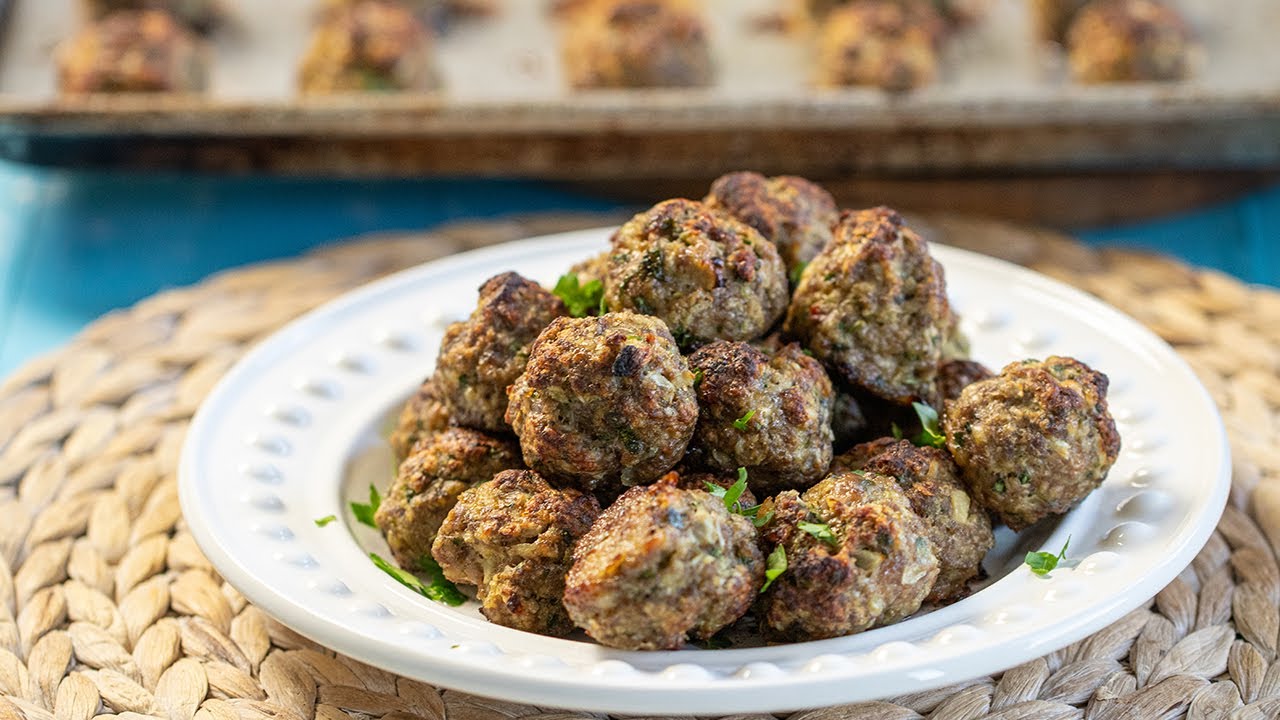
Lamb Meatballs Recipe: There’s something irresistibly rich and deeply satisfying about lamb meatballs. Unlike beef or chicken, lamb has a naturally bold, earthy flavor that instantly elevates any dish it touches. When you roll it into tender, juicy meatballs with fragrant herbs and spices, magic happens. These meatballs are not just a tasty main dish; they’re a full-on flavor experience.
Lamb is especially popular in Mediterranean, Middle Eastern, and North African cuisines. The way it soaks up spices like cumin, coriander, and paprika gives it a flavor depth that’s hard to beat. That means whether you’re serving them with a classic tomato sauce, tangy yogurt dip, or spicy harissa, these meatballs will always be the star of the show.
Why You’ll Love This Recipe
- Super easy to make – You only need a handful of ingredients.
- Versatile – Serve them with pasta, pita bread, or even over a salad.
- Great for meal prep – They freeze and reheat beautifully.
- Packed with flavor – Every bite is savory, spiced, and juicy.
This guide walks you through each step with no fluff, just the juicy details. Let’s dive into what you’ll need.
Ingredients You’ll Need
Before you start rolling meatballs, it’s important to gather everything in one place. Here’s a detailed list of all the components to make the perfect lamb meatballs.
For the Lamb Meatballs
Main Ingredients:
- 1 lb (450g) ground lamb – Preferably 80/20 for the right balance of flavor and moisture.
- 1 egg – Helps bind the ingredients together.
- 1/2 cup breadcrumbs – For texture and binding.
- 2 cloves garlic, minced – Fresh is best.
- 1 small onion, finely chopped or grated – Adds sweetness and moisture.
- 2 tbsp fresh parsley, chopped – Brings brightness.
- 1 tsp ground cumin – Earthy and aromatic.
- 1 tsp paprika – Adds color and a hint of warmth.
- Salt and pepper to taste
Optional Extras:
- 1/4 tsp cinnamon or allspice – For a more exotic flavor.
- 1 tbsp fresh mint or dill – Pairs beautifully with lamb.
- 1 tbsp olive oil – Helps keep the meat tender and moist.
For the Sauce (Optional But Recommended)
Whether you’re in the mood for something creamy, tangy, or spicy, sauces can completely change the vibe of your meatballs.
1. Tomato-Based Sauce:
- 1 tbsp olive oil
- 2 cloves garlic, minced
- 1 can (14 oz) crushed tomatoes
- Salt, pepper, and oregano to taste
2. Greek Yogurt & Herb Dip:
- 1 cup plain Greek yogurt
- 1 tbsp lemon juice
- 1 tbsp fresh dill or mint
- Salt and garlic powder to taste
3. Spicy Harissa Sauce:
- 2 tbsp harissa paste
- 1 tbsp olive oil
- 1 tsp lemon juice
- A touch of honey for balance
Garnish and Serving Options
Don’t underestimate the power of garnishes. A little green and a splash of citrus can take this dish from good to gourmet.
- Fresh parsley or cilantro
- Lemon wedges
- Chili flakes or sumac
- Flatbread, rice, or couscous – Ideal for soaking up all that flavor
Kitchen Tools and Equipment
Having the right tools makes this whole process smoother. Here’s what you’ll need:
- Large mixing bowl – For combining meatball ingredients.
- Knife and cutting board – For chopping herbs and aromatics.
- Garlic press or grater – Optional, but handy.
- Measuring spoons and cups – Accuracy matters in seasoning.
- Skillet or baking tray – Depending on your preferred cooking method.
- Tongs or spatula – For flipping meatballs.
- Meat thermometer – Optional, but helpful for perfect doneness (target: 160°F or 71°C for ground lamb).
Prepping the Ingredients
Choosing Quality Lamb
The quality of your lamb will define the taste of your meatballs. Always go for fresh, bright-pink lamb with a firm texture. Avoid anything with a sour odor or sticky feel. If you’re buying from a butcher, ask for lamb that’s ground fresh in-house. Preferably, opt for grass-fed lamb—it has a richer, cleaner taste and is often more sustainable.
Also, consider the fat ratio. You want something around 80% lean, 20% fat. Too lean, and the meatballs will be dry. Too fatty, and they’ll fall apart and become greasy.
Chopping and Measuring Herbs and Spices
Use fresh herbs when possible—parsley, mint, dill, or cilantro. Fresh herbs brighten up the strong flavor of lamb, while dry herbs add depth.
For garlic and onion, you want them finely minced or even grated. This ensures they incorporate smoothly into the mixture, preventing chunks and uneven cooking.
Spices like cumin, paprika, and cinnamon should be measured carefully. A little goes a long way, especially with bold flavors like lamb. Pre-mixing your dry spices before adding them to the meat helps distribute flavor more evenly.
Step-by-Step Guide to Making Lamb Meatballs
Step 1 – Mixing the Meatball Ingredients
Alright, let’s get our hands dirty—in the best way. This step is all about building that rich, complex flavor from the inside out.
Start with your base: Place the ground lamb in a large mixing bowl. Break it up gently with your fingers or a fork. This ensures everything else gets evenly mixed in without overworking the meat, which can make the meatballs tough.
Add the aromatics: Toss in your finely chopped onion, minced garlic, and chopped parsley. If you’re using mint or dill, add them now too. These fresh ingredients help balance the rich, fatty taste of lamb.
Spice it up: Sprinkle in your cumin, paprika, salt, pepper, and any optional spices like cinnamon or allspice. Don’t forget, the spices should enhance the lamb—not overpower it.
Time to bind: Crack in the egg and add the breadcrumbs. These binders are essential to hold everything together and absorb moisture from the meat and onion.
Mix with care: Use your hands to gently fold the mixture together. Don’t mash or squeeze—just fold until everything is just combined. Overmixing can make the meatballs dense and chewy instead of tender and juicy.
Pro Tip: Take a small amount of the mix, cook it in a skillet, and taste it. This lets you adjust seasoning before shaping the full batch. A little extra salt or spice here can take the whole dish from good to great.
Step 2 – Shaping the Meatballs
Shaping the meatballs properly ensures even cooking and that perfect bite every time.
Forming the perfect ball: Wet your hands lightly with water or a drop of olive oil to prevent the mixture from sticking. Scoop about 1.5 tablespoons of mixture per meatball (think golf-ball size) and roll it gently between your palms.
Consistency matters: Try to keep them uniform in size. Uneven meatballs will cook at different rates—some may burn, while others stay raw in the middle.
Chill if needed: If your mixture feels too soft or sticky, pop it in the fridge for 10–15 minutes before shaping. This makes the mixture easier to handle and helps the meatballs keep their shape during cooking.
Pro Tip: Place your shaped meatballs on a parchment-lined tray so they don’t stick. You can prep them ahead of time and refrigerate or freeze them until you’re ready to cook.
Step 3 – Cooking Methods
There are multiple ways to cook lamb meatballs, and each brings out different textures and flavors. Choose the method that best suits your vibe (or the time you’ve got!).
Pan-Frying (Best for Crispy Edges)
- Heat 1–2 tbsp of oil in a large skillet over medium heat.
- Add the meatballs, making sure not to overcrowd the pan.
- Cook for 8–10 minutes, turning occasionally, until browned on all sides and cooked through.
- Internal temp should reach 160°F (71°C).
This method gives you a golden-brown crust, locking in juices and delivering that satisfying sizzle.
Baking (Best for Big Batches)
- Preheat your oven to 400°F (200°C).
- Place meatballs on a greased or parchment-lined baking sheet.
- Bake for 20–25 minutes, turning once halfway through.
Baking is great if you’re making a lot at once or want to avoid standing over a hot stove.
Grilling (Great for Smoky Flavor)
- Preheat your grill or grill pan on medium-high heat.
- Lightly oil the grates and place the meatballs carefully.
- Grill for about 10 minutes, turning once or twice for even cooking.
Grilling gives your meatballs a smoky char that’s especially nice if you’re serving them with Mediterranean sides.
Step 4 – Making the Sauce (Optional)
Your meatballs are juicy and flavorful on their own, but a good sauce takes them to another level. Here are three quick options, depending on your mood.
1. Tomato-Based Sauce (Classic Comfort)
- Heat olive oil in a saucepan.
- Add garlic and sauté until golden.
- Pour in crushed tomatoes, a pinch of salt, pepper, and dried oregano.
- Simmer for 15–20 minutes until slightly thickened.
Serve the lamb meatballs simmered in this sauce for a rustic, homey feel. Ideal with spaghetti, polenta, or crusty bread.
2. Greek Yogurt Herb Sauce (Cool and Creamy)
- Combine Greek yogurt with lemon juice, chopped dill or mint, and a pinch of salt.
- Mix well and chill until serving.
This sauce is perfect when serving meatballs with pita bread, couscous, or a cucumber-tomato salad. It cools the palate and adds a tangy contrast.
3. Spicy Harissa Sauce (For Heat Lovers)
- Stir harissa paste with olive oil, lemon juice, and a touch of honey.
- Add salt to taste.
This North African-inspired sauce packs heat, earthiness, and just a hint of sweetness—excellent with rice, grilled veggies, or on a mezze platter.
Step 5 – Serving Suggestions
Now for the fun part—how to serve these beauties. You’ve got plenty of options, depending on the occasion and your mood.
Weeknight Dinner Idea:
- Serve with a side of rice or couscous.
- Add a simple green salad or grilled vegetables.
- Drizzle with yogurt or tomato sauce.
Party Platter or Appetizer:
- Skewer meatballs with toothpicks.
- Serve with multiple dipping sauces.
- Garnish with herbs, chili flakes, and lemon wedges.
Mediterranean Bowl:
- Base of hummus, tabbouleh, or couscous.
- Top with meatballs, feta cheese, olives, and a drizzle of tahini.
Stuffed Pita Wraps:
- Slice open warm pita bread.
- Add meatballs, lettuce, tomato, red onion, and yogurt sauce.
Pro Tip: A sprinkle of sumac or a squeeze of lemon right before serving can really brighten the whole dish. Don’t skip the garnish—it adds freshness and a pop of color.
Tips and Tricks for the Perfect Lamb Meatballs
Achieving the perfect lamb meatballs isn’t just about following a recipe—it’s about knowing the little tricks that bring it all together. Here’s how to make sure every batch comes out juicy, flavorful, and flawless.
Keep Them Moist and Juicy
- Don’t overwork the meat: Gently mix until the ingredients are just combined. Overmixing will lead to dense meatballs.
- Use onion and breadcrumbs wisely: Grated onion releases moisture, which keeps the meatballs tender. Breadcrumbs absorb fat and juices, preventing dryness.
- Add fat if necessary: If your lamb is too lean, add a tablespoon of olive oil or a small amount of grated cheese like feta to boost richness.
- Don’t skip the egg: This little guy is your glue. It holds everything together and adds moisture.
Shape Matters
- Uniform size = even cooking. Use a cookie scoop or tablespoon for consistency.
- Chill before cooking: This helps the meatballs firm up and hold their shape in the pan or oven.
- Wet hands trick: Lightly dampen your hands with water or oil to prevent sticking when rolling meatballs.
Boost Flavor with Seasonings
- Lamb pairs exceptionally well with bold spices like cumin, coriander, cinnamon, paprika, and garam masala.
- Herbs like parsley, mint, rosemary, and oregano bring freshness and balance to the richness of lamb.
- A little acid—like a squeeze of lemon juice or a dash of vinegar—brightens up the final dish.
Avoid These Common Mistakes
- Overcooking: Dry, tough meatballs are usually the result of cooking them too long. Use a thermometer if you’re unsure.
- Underseasoning: Lamb has a strong flavor, so don’t be afraid to go bold with your spices and herbs.
- Skipping a test patty: Cook a small piece first to check seasoning before shaping the whole batch.
- Using the wrong breadcrumbs: Avoid overly coarse crumbs—they can make the texture gritty. Stick to fine breadcrumbs or soak a slice of fresh bread in milk for a softer texture.
Remember, cooking is part science, part art. Trust your instincts and don’t be afraid to adjust ingredients based on your preferences.
Nutritional Information
Understanding what goes into your food is just as important as how it tastes. Here’s a general breakdown for one serving (about 4 meatballs) without sauce:
| Nutrient | Amount per Serving |
|---|---|
| Calories | 280–320 kcal |
| Protein | 22g |
| Total Fat | 21g |
| Saturated Fat | 8g |
| Carbohydrates | 6g |
| Fiber | 0.5g |
| Sugars | 1g |
| Cholesterol | 90mg |
| Sodium | 420mg |
Key Notes:
- Lamb is rich in protein and essential nutrients like iron, zinc, and B vitamins.
- Using Greek yogurt or a tomato-based sauce can increase calcium or lycopene content.
- If you’re watching fat intake, bake instead of fry and use leaner lamb cuts or a mix of lamb and turkey.
Want to make it even healthier?
- Swap breadcrumbs for oats or almond flour for a low-carb option.
- Serve with roasted vegetables or over greens instead of bread or rice.
Variations and Substitutes
Lamb meatballs are just the beginning. You can tweak this recipe in tons of ways to suit your mood, diet, or pantry situation.
Using Different Meats
- Beef: A classic alternative—choose 85/15 for best results.
- Chicken or Turkey: Lighter in flavor and lower in fat. Add a splash of olive oil to keep them moist.
- Plant-Based: Try lentils, chickpeas, or ground meat alternatives like Impossible™ or Beyond® with a flaxseed egg substitute.
Flavor Twists
Mediterranean Style:
- Use oregano, thyme, lemon zest, and feta cheese.
- Serve with hummus, olives, and roasted vegetables.
Moroccan-Inspired:
- Add ras el hanout or a mix of cumin, cinnamon, coriander, and cayenne.
- Pair with couscous, preserved lemons, and harissa.
Indian Style:
- Use garam masala, turmeric, garlic-ginger paste, and fresh cilantro.
- Serve with naan, basmati rice, and raita.
Asian Fusion:
- Use ginger, garlic, green onion, and soy sauce in the mix.
- Glaze with hoisin or teriyaki and serve with jasmine rice.
Keto or Paleo? Replace breadcrumbs with almond flour or coconut flour, and skip sugary sauces.
Storage and Reheating
Cooked a big batch? No problem—lamb meatballs are meal prep-friendly and perfect for leftovers.
Refrigeration
- Store cooked meatballs in an airtight container in the fridge for up to 4 days.
- Keep sauce separate if possible to prevent sogginess.
Freezing
- Freeze raw or cooked meatballs in a single layer on a tray.
- Once frozen solid, transfer to freezer bags or containers.
- Lasts up to 3 months.
Reheating Tips
From Fridge:
- Reheat in the oven at 350°F (175°C) for 10–15 minutes.
- Or microwave in 30-second bursts until hot.
From Freezer:
- Thaw overnight in the fridge or reheat directly from frozen.
- Bake at 375°F (190°C) for 20–25 minutes, or until heated through.
Pro Tip: If reheating with sauce, add a splash of broth or water to prevent drying out.
FAQs about Lamb Meatballs Recipe
Let’s clear up some of the most common questions people ask when cooking lamb meatballs.
Can I Make Them Ahead of Time?
Absolutely! You can shape them a day ahead and store them in the fridge. Just be sure to cover them tightly. You can also freeze them raw or cooked for later use.
Can I Use Frozen Lamb?
Yes—but make sure it’s completely thawed and patted dry before mixing. Excess moisture can mess with the meatball texture.
How Do I Make Them Gluten-Free?
Use gluten-free breadcrumbs, oat flour, almond flour, or even mashed potatoes instead of traditional breadcrumbs. And always double-check your sauces and seasonings for hidden gluten.
Can I Cook These in an Air Fryer?
Definitely. Preheat your air fryer to 375°F (190°C), spray meatballs lightly with oil, and cook for 10–12 minutes, shaking halfway through. They’ll be crispy outside and juicy inside.
What If My Meatballs Fall Apart While Cooking?
They might need more binder (breadcrumb or egg), or your mix was too wet. Try chilling the meatballs before cooking and make sure they’re handled gently.
Conclusion
If you’ve made it this far, congratulations—you’re now fully equipped to master one of the most delicious, versatile dishes out there: lamb meatballs. Whether you’re looking for a crowd-pleasing appetizer, a cozy dinner, or a meal prep champion, these little flavor bombs deliver every time.
Cooking lamb can feel intimidating at first, especially if you’re used to beef or chicken. But once you embrace its rich, deep flavor and learn how to balance it with herbs, spices, and acid—it becomes one of the most rewarding meats to cook with.
So go ahead—get creative, get messy, and most importantly, have fun with it. With this guide in hand, you’ll be serving up juicy, mouthwatering lamb meatballs that your friends and family won’t stop talking about.
Happy cooking!