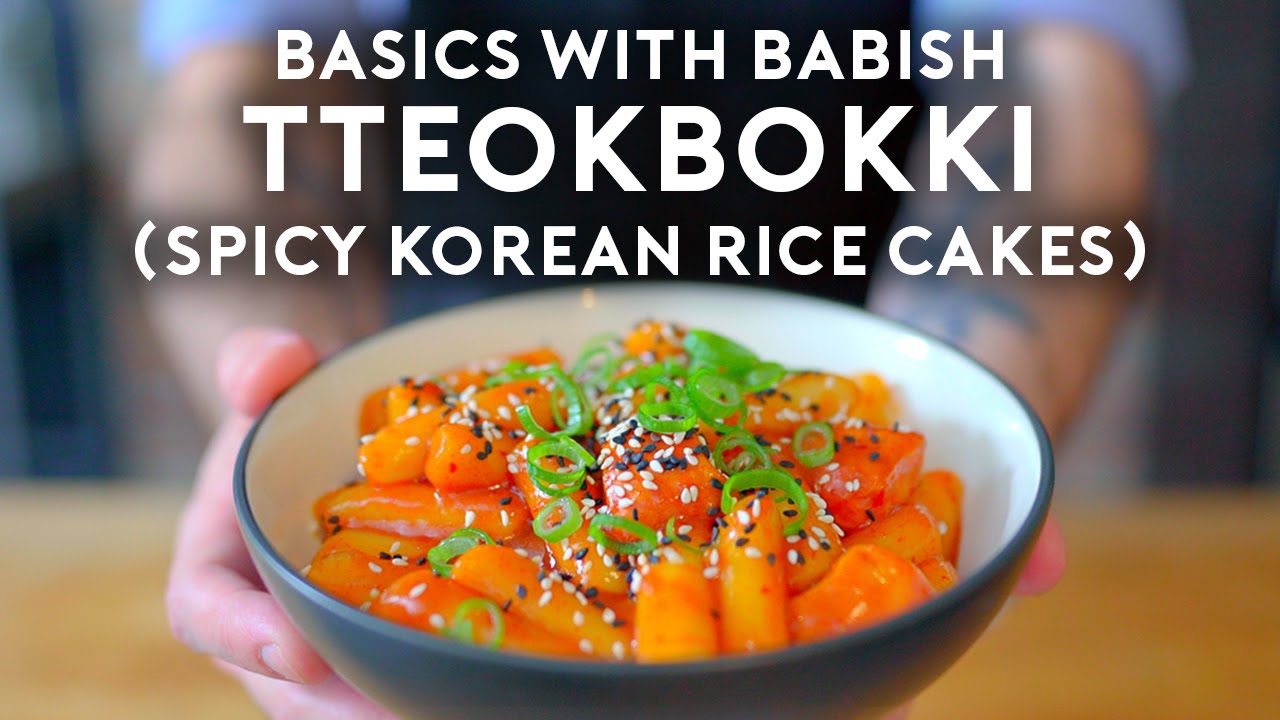
Korean Rice Cake Recipe: Korean rice cakes, known as tteok (떡), are a beloved and iconic part of Korean cuisine. These chewy, dense, and versatile treats have a long history in Korean culture, often associated with holidays, celebrations, and ancestral rituals. They can be sweet or savory, steamed or pan-fried, and made from glutinous rice (chapssal) or non-glutinous rice (mepssal). While some rice cakes are made entirely from scratch, others utilize pre-ground rice flour for convenience.
Tteok can be found in many different forms—round, flat, layered, or even filled. They serve various purposes, from being an everyday snack to centerpiece dishes during important ceremonies like weddings and birthdays. The texture of Korean rice cakes is unlike any Western dessert—they’re sticky, chewy, and satisfying, offering a unique mouthfeel that has won over fans globally.
Whether you’re new to Korean cuisine or a seasoned home cook, mastering the art of making tteok opens up a world of possibilities—from sweet treats like injeolmi to savory street food like tteokbokki. Ready to get your hands doughy? Let’s dive in.
Popular Types of Korean Rice Cakes (Tteok)
Here’s a brief rundown of the most well-known types of tteok you might want to explore:
- Injeolmi – Glutinous rice cake coated in roasted soybean powder.
- Tteokbokki – Cylindrical rice cakes stir-fried in a spicy red chili sauce.
- Baekseolgi – A fluffy, steamed white rice cake often served during birthdays or memorials.
- Songpyeon – Half-moon-shaped rice cakes filled with sweetened sesame or red beans, traditionally made during Chuseok (Korean Thanksgiving).
- Yaksik – A sweet rice cake made with nuts, jujube, and honey, flavored with soy sauce and cinnamon.
Each type has its unique charm and preparation method, but for this guide, we’re focusing on a traditional steamed tteok using rice flour—simple, delicious, and beginner-friendly.
Ingredients You’ll Need
Basic Ingredients for Traditional Korean Rice Cakes
Making traditional Korean rice cakes doesn’t require a long grocery list, but using the right type of rice or rice flour is essential for authenticity and texture. Here’s what you need:
- Rice Flour (Sweet Glutinous Rice Flour): This is the star of the show. You can either soak and grind short-grain glutinous rice or buy commercially available sweet rice flour (chapssalgaru). Brands like Mochiko or Erawan are great.
- Salt: A small amount brings out the subtle sweetness of the rice.
- Water: Helps create the right consistency in the flour mixture.
- Sugar (Optional): You can add a bit for a mildly sweet flavor, especially for snack-style or dessert rice cakes.
These core ingredients form the base of many tteok recipes. The simplicity allows for easy customization depending on whether you’re going for a sweet or savory version.
Optional Ingredients for Flavor and Texture Variations
Want to take your rice cakes to the next level? These optional ingredients add color, texture, and unique taste profiles:
- Red Bean Paste (Pat): For filling or layering sweet rice cakes.
- Roasted Soybean Powder (Kinako): Perfect for coating injeolmi.
- Sesame Seeds (Black or White): Add nuttiness and crunch.
- Dried Fruit (Jujubes, Raisins): Great for festive or ceremonial rice cakes.
- Matcha Powder or Pumpkin Puree: To create colorful rice cakes naturally.
These additions are not only delicious but also make your rice cakes visually striking—a great way to impress guests or elevate a simple homemade snack.
Where to Buy Korean Rice Cake Ingredients
Finding authentic Korean ingredients might seem tricky, but it’s become much easier with global markets and online stores. Here’s where you can source your supplies:
- Asian Supermarkets: Stores like H Mart, Lotte Plaza, or local Korean markets carry rice flour and traditional ingredients.
- Online Stores: Amazon, H Mart online, and even Etsy have a wide range of specialty ingredients.
- Health Food Stores: Glutinous rice flour is sometimes available in the international or baking section.
Always double-check the label to ensure you’re getting sweet rice flour (glutinous) rather than regular rice flour, as the wrong type will significantly alter the texture.
Equipment and Preparation Tips
Tools and Equipment Needed
Before you dive into the recipe, it’s important to gather the right kitchen tools. Korean rice cakes require a steaming process, so you’ll need:
- Steamer Basket or Steamer Pot: Bamboo steamers work beautifully, but any steaming setup will do.
- Cheesecloth or Steamer Liner: Prevents sticking and helps steam circulate.
- Mixing Bowl: For combining ingredients.
- Sifter or Fine Mesh Strainer: Essential if you’re making your own rice flour.
- Measuring Cups and Spoons: Accuracy matters when it comes to moisture balance.
These tools ensure a smooth cooking process and a better final result. If you’re serious about making tteok regularly, consider investing in a quality steamer setup.
Prepping Your Workspace and Ingredients
Success in tteok-making comes down to preparation. Here’s how to get your kitchen ready:
- Clean and Clear Counter Space: You’ll need room for steaming, mixing, and cutting.
- Line Your Steamer: Use parchment paper or cheesecloth to prevent sticking.
- Pre-Measure Ingredients: This keeps things moving and reduces mistakes.
- Use Boiling Water to Activate Steam Fast: Get your steamer hot before placing the batter in.
By staying organized, you reduce the chances of soggy rice cakes or uneven steaming. It’s a small detail that makes a big difference.
Step-by-Step Guide to Making Korean Rice Cakes
Step 1: Soaking the Rice or Using Rice Flour
Here’s where your recipe begins in earnest.
If you’re starting from scratch:
- Soak 2 cups of glutinous rice in water for at least 8 hours or overnight.
- Drain completely and let it sit for another 30 minutes to ensure all moisture is out.
- Use a food processor or high-speed blender to grind it into a fine, powdery texture.
If you’re using pre-made glutinous rice flour:
- Sift the flour into a bowl.
- Add a pinch of salt and about 1/4 to 1/2 cup of water, depending on your desired texture.
- Mix until the flour feels like moist sand—clumpy but not sticky.
Pro Tip: Don’t over-saturate the mixture. Too much water leads to gummy, wet rice cakes. The goal is a damp but fluffy texture that holds together when squeezed lightly.
Step 2: Grinding or Sifting the Rice Flour
If you’ve opted for soaking and grinding the rice yourself, this step is crucial to achieving the right texture.
- After soaking, drain the rice thoroughly.
- Use a high-powered blender or food processor to grind the rice in small batches. The goal is a fine, almost powder-like consistency—no big chunks.
- After grinding, sift the flour using a fine mesh sieve or cheesecloth to remove any coarse granules. This step ensures a smooth, uniform texture in the final cake.
If you’re using store-bought rice flour, sifting is still essential. Even pre-packaged flours can form clumps due to moisture in storage. Run the flour through a sieve into a dry bowl, breaking up any lumps with a spoon or spatula.
Consistency is king here. You want a soft, dry, crumbly mixture—when you press it between your fingers, it should hold its shape slightly but fall apart easily. This balance is what gives Korean rice cakes that distinct chewiness.
Helpful Tip: If your mixture is too dry and falls apart instantly, add a teaspoon of water at a time and mix again until it clumps just enough to hold form.
Step 3: Preparing the Steamer
This is one of the most overlooked—but critical—steps when making perfect tteok.
Start by selecting your steamer setup. You can use:
- A bamboo steamer, which gives a more traditional touch.
- A metal steamer or multi-tier pot.
- Even a DIY steamer using a pot with a steaming rack or colander.
Now prep your steamer:
- Fill the pot with boiling water—enough to steam for at least 30–40 minutes.
- Line the steamer basket or tray with parchment paper or cheesecloth to prevent sticking. Make sure there are holes to let steam rise evenly.
- Place a lid on the steamer and let it heat up while you prep your flour mix.
Steaming works best when the steamer is already hot. If you place your rice cake mixture into a cold steamer, you risk uneven cooking and soggy bottoms.
Also, make sure the lid is wrapped in a clean towel to prevent water droplets from dripping back onto the rice cake. Wet rice cakes can develop an unappetizing gummy texture or lose their shape.
This step might seem like a lot, but it’s what separates chewy, fluffy rice cakes from soggy disasters.
Step 4: Mixing and Layering the Ingredients
Now it’s time to bring everything together.
Take your prepared rice flour mixture and begin layering it into your lined steamer tray or pan.
- Spoon a layer of flour mix (about ½ inch thick) evenly across the bottom of the tray.
- Use a spatula or the back of a spoon to gently press it down—just enough to create a flat surface.
- If you’re adding sweet red bean paste, dried fruits, or nuts, now is the time. Spoon a thin layer over the rice flour.
- Add another layer of flour on top and repeat the process until all ingredients are used.
You can create beautiful layered designs by alternating between rice flour and colored powders—matcha for green, beetroot for pink, or pumpkin puree for golden yellow.
Once your final layer is done, give it a light press to make the top even. Don’t over-press; tteok should have a delicate bounce, not become dense like mochi.
For a traditional sweet rice cake, sprinkle a few raisins or jujube slices on top for visual flair.
Note: If your flour mixture was too wet or too dry during layering, the cake may not steam properly. Keep the mix lightly crumbly but cohesive.
Step 5: Steaming the Rice Cake
Now the magic happens.
Place the steamer tray into the fully preheated steamer. Keep the lid tightly closed and steam on medium-high heat for about 30 to 40 minutes, depending on the size and thickness of your cake.
Do not open the lid during steaming. The sudden drop in temperature can ruin the texture and prevent even cooking. If you need to check the water level, do it quickly and carefully, ideally by lifting the pot—not the lid—if possible.
Around the 30-minute mark, check if the top looks dry and slightly springy. Insert a toothpick or skewer into the center. If it comes out clean and the cake feels firm to the touch, it’s done.
If not, steam for another 5–10 minutes, checking occasionally.
Once done, turn off the heat and let the cake sit in the steamer for 5–10 minutes with the lid slightly open. This resting phase helps the texture firm up and prevents it from collapsing when moved.
Step 6: Cooling and Cutting the Cake
Now comes the rewarding part.
Carefully lift the steamer tray out and allow the cake to cool completely at room temperature—this may take 30 to 60 minutes. Don’t rush this step; hot rice cakes are sticky and nearly impossible to slice cleanly.
Once cool, transfer the cake to a cutting board lined with parchment paper. Use a plastic knife or oiled metal knife to cut it into squares or rectangles. Traditional tteok shapes vary by region and occasion—some people prefer thin slices while others go for chunky pieces.
To avoid sticking:
- Dip the knife in water or oil before each cut.
- Wipe the blade between slices.
You can now dust the rice cakes with roasted soybean powder, sesame seeds, or a touch of sugar if you want a decorative touch.
And that’s it—you’ve made authentic Korean rice cake from scratch!
Tips for Perfect Korean Rice Cakes
How to Avoid Common Mistakes
Even with simple ingredients, Korean rice cakes can be tricky. One small misstep can result in a sticky mess or a dry, crumbly block. Let’s break down the most common mistakes—and how to avoid them.
- Using the Wrong Flour: Not all rice flours are created equal. Sweet glutinous rice flour (chapssalgaru) is essential for that chewy, bouncy texture. Regular rice flour will make the cake brittle or sandy.
- Too Much or Too Little Water: Water control is everything. If the mixture is too wet, your rice cake will turn out soggy or rubbery. If it’s too dry, it won’t hold together after steaming. Aim for a damp, clumpy texture—like damp sand.
- Skipping the Sifting Step: Sifting your rice flour might feel optional, but it’s crucial. It removes lumps and ensures even steaming.
- Opening the Steamer Lid Too Early: This is a big no-no. Opening the lid mid-steam lets out steam and drops the temperature, resulting in uneven texture or collapsed cakes.
- Not Resting the Cake After Steaming: Letting your cake cool gradually helps set the structure. Cutting it while hot will make it gooey and shapeless.
- Skipping the Lid Towel Trick: Wrapping your steamer lid in a towel prevents condensation from dripping back onto the rice cake, which can create soggy spots or uneven steaming.
Avoid these pitfalls and your rice cakes will turn out tender, chewy, and full of flavor every time.
Texture Tips for Different Preferences
Texture is everything in tteok. Some people like it super chewy, others prefer a softer bite. Here’s how to tweak your recipe based on your texture preferences:
- For Softer Rice Cakes: Use slightly more water when mixing your flour. Don’t overdo it—just a few tablespoons more. Also, steaming a few minutes longer at a lower temperature can help soften the cake without making it soggy.
- For Chewier Rice Cakes: Stick to glutinous rice flour and reduce water slightly. Let the cake cool completely before cutting—it becomes chewier as it rests.
- For Dense, Mochi-Like Texture: Mix in a tiny bit of cornstarch or tapioca flour with the rice flour. This gives the cake more bounce and elasticity, closer to Japanese mochi.
- For Crumbly or Drier Cakes: Use non-glutinous rice flour or reduce steaming time. This is common for certain ceremonial rice cakes, like baekseolgi.
You can also play with layering and fillings. Adding red bean paste, fruits, or nuts in between layers gives the cake a contrast in textures—creamy, crunchy, or chewy—all in one bite.
Texture is a matter of personal taste, and once you’ve made tteok a few times, you’ll find your favorite version. Don’t be afraid to experiment with different flours, steaming times, or moisture levels.
Serving Suggestions and Pairings
Sweet vs. Savory Serving Styles
Korean rice cakes are incredibly versatile—they can be eaten as sweet treats or savory dishes, depending on how they’re flavored and served. Let’s explore both styles.
Sweet Rice Cake Ideas:
- Injeolmi Style: Dust the steamed cake with roasted soybean flour and serve with honey or sugar syrup. It’s nutty, soft, and mildly sweet.
- Fruit Pairing: Serve rice cake slices with fresh fruit like strawberries, oranges, or kiwis. Drizzle a little honey or condensed milk for extra sweetness.
- Traditional Sweets: Some rice cakes are filled with sweetened red bean paste or chestnuts. Serve with Korean tea for a traditional touch.
Savory Rice Cake Ideas:
- Tteokbokki: Cut the rice cake into cylindrical or oval slices and stir-fry in a gochujang-based (red chili paste) sauce with fish cakes and boiled eggs.
- Garaetteok: Long, tubular rice cakes that can be grilled, pan-fried, or added to soups like tteokguk (rice cake soup).
- Pan-Fried: Sliced rice cakes can be lightly pan-fried with sesame oil and topped with soy sauce and green onions for a quick snack.
You can also get creative and treat tteok like a base for other dishes—slice it thin and use as a gluten-free alternative in stir-fries, or serve with cheese and herbs for a fusion twist.
Beverage Pairings:
- Sweet Tteok: Pairs well with barley tea, yuzu tea, or a cold matcha latte.
- Savory Tteok: Complements well with kimchi, cold buckwheat noodles, or a light soup.
What to Serve with Korean Rice Cakes
Rice cakes are great on their own, but they shine even more when paired with complementary sides or toppings. Here are some ideas:
- Korean Side Dishes (Banchan): Serve with pickled radish, seasoned spinach, or spicy cucumber salad for a full meal experience.
- Kimchi: The sour, spicy kick of kimchi cuts through the dense, chewy texture of rice cakes, especially the savory kinds.
- Eggs and Protein: Add soft-boiled eggs or slices of grilled tofu for protein-rich pairings. This works especially well with tteokbokki.
- Sweet Dips: For dessert-style tteok, offer dips like sweetened condensed milk, cinnamon syrup, or honey-ginger glaze.
- Nuts and Seeds: Sprinkle chopped almonds, pine nuts, or sesame seeds on top for crunch and added nutrition.
Rice cakes are like a blank canvas—they can go sweet or savory, simple or sophisticated. It all depends on your toppings, sides, and imagination.
Storing and Reheating Rice Cakes
Best Practices for Storage
Korean rice cakes taste best the day they’re made, but they can be stored for later—if done right.
- Room Temperature: Store in an airtight container for up to 1 day. Make sure they’re fully cooled and kept in a cool, dry place. Avoid humidity, which can make them sticky or moldy.
- Refrigeration: Not ideal, as refrigeration hardens the rice cakes and alters the texture. If you must, wrap them tightly in plastic wrap and place in an airtight container. Eat within 2–3 days.
- Freezing: The best long-term option. Wrap individual pieces in cling film or parchment, then place in a freezer-safe zip bag. They’ll keep for up to 1 month.
When ready to eat, don’t thaw them at room temperature—it turns them gummy. Instead, reheat straight from the freezer using the methods below.
How to Reheat Without Losing Texture
Rice cakes can be tricky to reheat. Do it wrong, and they’ll turn hard, mushy, or overly sticky. Here’s how to revive them:
1. Steaming:
- Place frozen rice cakes in a steamer and steam for 5–10 minutes.
- This restores the soft, chewy texture without overcooking.
2. Microwave:
- Wrap rice cakes in a damp paper towel and microwave for 20–30 seconds.
- Watch carefully—they overcook fast and become rubbery.
3. Pan-Frying:
- Add a light coating of sesame oil or neutral oil.
- Pan-fry until the edges are crisp and golden. Great for savory dishes.
4. Soup or Stew:
- Drop frozen rice cakes directly into hot broth (like tteokguk).
- Simmer until soft—usually 3–5 minutes.
Avoid reheating multiple times. Rice cakes degrade quickly after reheating, so only heat what you plan to eat.
Variations of Korean Rice Cakes
Injeolmi (Soybean Powder Rice Cake)
One of the most beloved and classic versions of Korean rice cake is Injeolmi. This variation is soft, chewy, and coated in a generous layer of roasted soybean powder (called konggaru in Korean). Its nutty flavor, subtle sweetness, and satisfying texture make it a perfect introduction to traditional Korean sweets.
How to Make Injeolmi:
- Start by steaming the glutinous rice cake as outlined earlier.
- Once it’s fully cooked and slightly cooled, transfer it to a lightly oiled surface.
- Use a pestle or your hands (wear gloves!) to knead and pound the hot rice cake until it becomes elastic and smooth. This step gives it a delightfully chewy texture.
- Cut into bite-sized pieces.
- Roll each piece in roasted soybean powder mixed with a bit of sugar and salt.
Flavor Variations:
- Add matcha powder to the soybean coating for a green tea twist.
- Mix in crushed nuts or black sesame for added crunch and flavor depth.
Injeolmi is typically enjoyed as a dessert or snack and pairs beautifully with tea. Its soft chew and nutty finish make it a hit with kids and adults alike.
Tteokbokki (Spicy Stir-Fried Rice Cake)
Tteokbokki is probably the most internationally famous Korean rice cake dish. It’s spicy, saucy, slightly sweet, and absolutely addictive. Unlike other rice cakes that are steamed and eaten as-is, tteokbokki uses garaetteok—long, cylindrical rice cakes that are stir-fried in a bold red sauce.
Key Ingredients:
- Garaetteok (sliced into 2-inch pieces)
- Gochujang (Korean red chili paste)
- Gochugaru (Korean red chili flakes)
- Sugar, soy sauce, garlic
- Fish cakes, boiled eggs, scallions
How to Make Tteokbokki:
- In a pan, combine water with gochujang, sugar, soy sauce, and garlic. Bring to a simmer.
- Add sliced rice cakes and cook for 10–15 minutes until soft and the sauce thickens.
- Stir in fish cakes, boiled eggs, and green onions.
Tips:
- If your rice cakes are frozen, soak them in warm water for 10 minutes before cooking.
- Add mozzarella or cheddar for a cheesy version—very popular in Korean street food stalls.
Tteokbokki is spicy comfort food at its best. Perfect for a cold day, midnight snack, or anytime you’re craving something bold and flavorful.
Baekseolgi (Steamed White Rice Cake)
Baekseolgi is a pure white, fluffy steamed rice cake traditionally made for birthdays, celebrations, or ancestral rites. Its name translates to “white snow cake,” and its soft, light texture makes it a favorite among all age groups.
How to Make Baekseolgi:
- Use fine rice flour (sifted thoroughly).
- Mix with a little sugar and water to form a soft, crumbly dough.
- Steam in a square or round pan lined with parchment paper.
- Steam for about 30–40 minutes until puffed and firm.
Optional Add-ins:
- Add dried jujubes or raisins on top for decoration.
- Mix in sweet red bean paste for a more flavorful variation.
Baekseolgi is usually not overly sweet, making it a great companion to other dishes or tea. It symbolizes purity and good fortune, making it ideal for gifting or ceremonial use.
Health Benefits and Nutritional Info
Are Korean Rice Cakes Healthy?
The healthiness of Korean rice cakes depends on the ingredients and preparation. Here’s a breakdown of the nutritional value and health perks:
The Good:
- Low in Fat: Traditional tteok contains almost no fat, especially when steamed.
- Gluten-Free: Made with rice flour, these cakes are naturally gluten-free—great for those with gluten sensitivity.
- Low Sugar (Traditionally): Many versions are low in sugar, unless modified for dessert.
The Cautions:
- High in Carbs: Since they’re made from rice, these cakes are carbohydrate-rich, which might spike blood sugar if consumed in large quantities.
- Caloric Density: While low in fat, the sticky rice can be calorie-dense, so portion control is key.
- Sodium in Savory Versions: Tteokbokki and other spicy versions can be high in sodium due to sauces.
Pro Tip: You can make rice cakes healthier by:
- Using natural sweeteners like honey or dates.
- Adding chia seeds, nuts, or whole grains.
- Limiting sodium-heavy sauces and focusing on steamed versions.
Moderation is the name of the game. As part of a balanced diet, Korean rice cakes can be a wholesome snack or meal addition.
Gluten-Free and Vegan Options
Korean rice cakes are naturally suited for many dietary needs.
Gluten-Free:
- Since they are made from rice, all basic forms of tteok are gluten-free.
- Just double-check sauces, especially store-bought gochujang or soy sauce—some contain wheat.
Vegan:
- Traditional tteok is vegan when made with rice, water, and salt.
- Avoid tteok made with fillings like honey, dairy, or meat broths.
- Tteokbokki can be made vegan by using plant-based fish cake alternatives and skipping eggs.
For anyone with food sensitivities or preferences, homemade rice cakes offer a lot of flexibility. You control the ingredients, so you can tweak them to suit your needs without sacrificing taste or texture.
FAQs about Korean Rice Cake Recipe
Can I make Korean rice cakes without a steamer?
Yes! If you don’t have a steamer, you can create a DIY version using a large pot, a colander or rack, and a tight-fitting lid. Just ensure the rice cake doesn’t touch the water directly.
How long do homemade rice cakes last?
They’re best eaten fresh, but you can store them at room temperature for 1 day, refrigerate for 2–3 days, or freeze them for up to a month.
What kind of rice should I use for Korean rice cakes?
Use short-grain glutinous rice (chapssal) for the best results. Alternatively, use glutinous rice flour labeled as “sweet rice flour.”
Can I freeze Korean rice cakes?
Yes! Wrap them individually and freeze for up to 1 month. Reheat by steaming or microwaving with a damp paper towel.
Are Korean rice cakes spicy?
Only certain variations, like tteokbokki, are spicy. Most steamed rice cakes are mild or slightly sweet.
Conclusion
There you have it—a complete, step-by-step guide to making authentic Korean rice cakes from scratch. Whether you’re preparing a simple steamed baekseolgi or diving into spicy, street-style tteokbokki, you now have the knowledge, tools, and tips to get it right.
Korean rice cakes are more than just food—they’re a part of tradition, celebration, and culture. They bring people together during holidays, mark important milestones, and satisfy cravings for something chewy, hearty, and comforting.
So next time you’re looking to try something new in the kitchen, don’t overlook these humble yet delicious treats. With just a few ingredients and a little steam, you’ll open the door to a whole new world of flavor and texture.
Happy cooking!