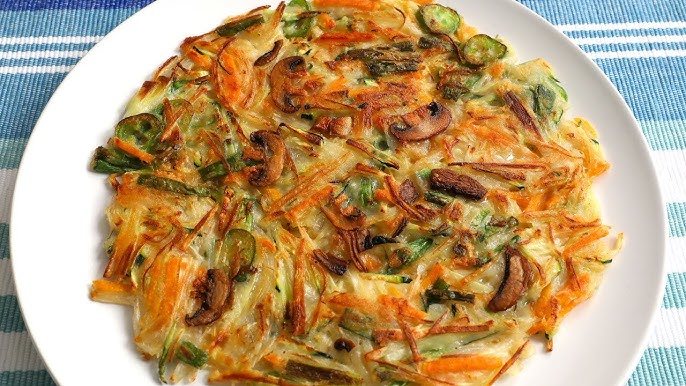
Korean Pancake Recipe: Korean pancakes, known as jeon (전), are savory, crispy pan-fried delights that are deeply rooted in Korean cuisine and culture. Unlike the typical sweet Western pancakes, Korean pancakes are more like fritters — a mixture of various vegetables, proteins, and batter, shallow-fried until golden brown. Whether you’re in Seoul or in your kitchen halfway across the world, a bite into a freshly made jeon transports you to a bustling Korean street market.
These pancakes are incredibly versatile. You can make them with just scallions (Pajeon), fermented kimchi (Kimchi Jeon), seafood (Haemul Pajeon), or even with potatoes or zucchinis. The ingredients are usually combined with a flour-and-egg batter and fried until crispy on the outside while soft on the inside. It’s comfort food, snack, appetizer, or even a full meal — all in one.
In Korea, jeon is often enjoyed during festive occasions such as Chuseok (Korean Thanksgiving) or Lunar New Year, but it’s also a go-to for everyday comfort food. One of the best parts? They’re incredibly simple to make at home, even for beginners.
Why They’re a Must-Try
Korean pancakes are more than just food — they’re an experience. They bring together the perfect blend of texture and flavor: crispy edges, savory fillings, and that umami kick from dipping sauces or kimchi. Whether you’re vegan, vegetarian, a seafood lover, or a meat enthusiast, there’s a jeon for you.
Plus, they’re:
- Quick and easy to whip up with everyday ingredients.
- Great for using up leftover vegetables or proteins.
- Perfect for meal prep — reheat and eat!
Trying your hand at Korean pancakes means diving into Korean culinary culture, embracing comfort, simplicity, and bold flavors all at once.
Types of Korean Pancakes (Jeon)
Pajeon (Green Onion Pancake)
Pajeon is one of the most popular types of Korean pancakes. The name comes from “pa” meaning green onion and “jeon” meaning pancake. The flavor of scallions intensifies when grilled, creating a savory-sweet taste that pairs perfectly with the mild batter. This pancake is usually long and flat, with whole scallions layered in the batter for maximum aroma and taste.
You can keep it simple or make it more elaborate by adding ingredients like squid or shrimp for a seafood twist. It’s a staple in Korean restaurants and homes alike, especially on rainy days — because there’s a Korean saying that “pajeon tastes better when it rains.”
Haemul Pajeon (Seafood Pancake)
Haemul Pajeon is like Pajeon’s big, bolder cousin. It includes green onions and a generous mix of seafood like shrimp, squid, oysters, and clams. This combination gives the pancake a rich, umami-filled flavor that’s hard to resist.
Each bite delivers a crisp texture, the freshness of the seafood, and the caramelized sweetness of the scallions. It’s best served hot, cut into wedges, and dunked in tangy soy-based dipping sauce. It’s often served as anju (food to pair with alcohol), especially with makgeolli, a traditional Korean rice wine.
Kimchi Jeon (Kimchi Pancake)
Kimchi Jeon or Kimchijeon is the go-to pancake when your kimchi is extra fermented and you’re craving something spicy, tangy, and satisfying. This version mixes chopped kimchi into the batter along with kimchi juice, giving the pancake a fiery red color and bold flavor.
This jeon is especially popular among students and young adults because it’s inexpensive, quick to make, and deeply comforting. It’s perfect for using up old kimchi that’s too sour to eat raw but ideal for cooking.
Gamja Jeon (Potato Pancake)
Gamja Jeon is made almost entirely of grated potatoes. It’s golden and crispy on the outside, but moist and chewy on the inside. Unlike other jeon which rely on flour and eggs, Gamja Jeon highlights the humble potato and typically doesn’t require any other filler ingredients.
These pancakes are mild, which makes them a great base for pairing with sauces or savory sides. Kids especially love them for their crispy texture and subtle taste.
Hobak Jeon (Zucchini Pancake)
Hobak Jeon is light, delicate, and made from thin slices or shreds of Korean zucchini (or any summer squash). It’s often battered lightly and pan-fried until golden brown. This pancake is ideal when you want something less greasy but still satisfying.
Zucchini’s natural sweetness shines when it’s caramelized slightly during frying. Often served as a side dish in Korean meals, Hobak Jeon is easy to make and pairs wonderfully with spicy or tangy dipping sauces.
Ingredients You’ll Need
Basic Pantry Ingredients
To make most types of Korean pancakes, you’ll need just a few pantry staples. Here’s a general list of ingredients that forms the foundation of the batter:
- All-purpose flour – The base of your batter. You can also use Korean pancake mix (buchim garu) if available.
- Water – Cold water helps make the batter lighter and crispier.
- Eggs – They bind the batter and give it structure.
- Salt – Enhances flavor subtly.
- Vegetable oil – For pan-frying. You want a neutral oil with a high smoke point like canola or sunflower oil.
For dipping sauce:
- Soy sauce
- Rice vinegar
- Sesame oil
- Chili flakes or chopped chili
- Minced garlic
- Toasted sesame seeds
- Sliced scallions
Optional Add-ins for Variety
Once you have the base ready, you can customize your pancake with a variety of delicious additions:
- Vegetables: Carrots, onions, scallions, mushrooms, bell peppers
- Seafood: Shrimp, squid, clams, oysters
- Meat: Thinly sliced beef or pork
- Fermented kimchi
- Tofu or mushrooms for vegan options
Mix and match based on what you have in your fridge. That’s the beauty of jeon — it’s endlessly flexible.
Best Dipping Sauce Combination
The dipping sauce is essential for Korean pancakes. It adds a salty, tangy, spicy kick that perfectly complements the crispy pancake. Here’s a quick DIY dipping sauce recipe:
Korean Pancake Dipping Sauce (Yangnyeom Jang):
- 2 tbsp soy sauce
- 1 tbsp rice vinegar
- ½ tsp sesame oil
- ½ tsp sugar (optional)
- 1 tsp chopped scallions
- 1 clove garlic, minced
- ½ tsp Korean chili flakes (gochugaru) or fresh chili
- Sprinkle of sesame seeds
Mix everything in a small bowl. Adjust to taste — make it tangier with more vinegar or spicier with extra chili.
Essential Kitchen Tools
Tools You Must Have
Making Korean pancakes doesn’t require any special gadgets, but a few key tools make the process smoother:
- Mixing bowls – For preparing your batter and fillings.
- Whisk or fork – For mixing the batter smoothly.
- Non-stick skillet or cast-iron pan – For even frying and crisp results.
- Spatula – For flipping your pancake without breaking it.
- Knife and cutting board – To prep your veggies and proteins.
Alternatives You Can Use
Don’t have a non-stick pan? Use a well-oiled stainless steel or carbon steel skillet. No whisk? Use chopsticks or a fork. You don’t need fancy equipment to get it right — just a bit of patience and attention to heat control.
Step-by-Step Guide to Making Korean Pancakes
Step 1: Prepare Your Ingredients
Before you even touch the stove, prepping your ingredients is key to making perfect Korean pancakes. Chop everything evenly so your pancake cooks uniformly. If you’re making Pajeon, slice your green onions lengthwise. For Kimchi Jeon, chop your kimchi into bite-sized pieces and squeeze out excess liquid so your batter isn’t watery.
Here’s a basic prep checklist:
- Wash and dry your vegetables.
- Thinly slice proteins like seafood or meat (if using).
- Crack and beat your eggs in a small bowl.
- Prepare the dipping sauce in advance so it’s ready when the pancakes are hot.
Pro tip: Keep all ingredients dry, especially seafood and vegetables, to avoid a soggy pancake. Moisture is your enemy if you’re chasing that perfect crispy edge.
Step 2: Make the Batter
The batter is the soul of your pancake. Too thick and you’ll get a doughy middle. Too thin and your ingredients won’t bind together. The consistency should be similar to pancake batter — not runny but not gloopy.
Basic Batter Recipe:
- 1 cup all-purpose flour (or Korean pancake mix)
- 1 egg
- ¾ cup cold water
- ½ tsp salt
Mix everything gently in a bowl. Overmixing activates the gluten in the flour, which can make the pancake chewy instead of crisp. If you’re using kimchi, add a spoonful of the kimchi juice to the batter — it adds color and flavor. You can also toss your vegetables and proteins directly into the batter or layer them separately in the pan, depending on the type of jeon you’re making.
For Haemul Pajeon, lightly flour your seafood before mixing it into the batter — this helps it stick better and fry up crispier.
Step 3: Heat the Pan Just Right
Now comes the most crucial part: getting your pan hot. A hot pan ensures your pancake cooks fast and gets that lovely golden crust. Preheat your pan over medium-high heat and add a generous amount of oil — the base should be coated fully.
Drop a tiny bit of batter into the pan — if it sizzles right away, your pan is ready. Reduce the heat to medium to avoid burning the outside before the inside cooks. If your pancake sticks or looks oily, your pan either wasn’t hot enough or you didn’t use enough oil.
Non-stick or cast iron pans work best here because they distribute heat evenly and help develop that crust we all crave.
Step 4: Pour and Spread the Batter
Carefully pour the batter into the pan. If your batter already contains all the ingredients, just spread it out with a spoon or spatula into an even circle. If you’re layering, place scallions or other ingredients first, then ladle the batter over the top to bind everything together.
The pancake should be around ½ inch thick — thick enough to hold its shape but thin enough to crisp up. Don’t overcrowd the pan. If you’re making multiple pancakes, cook them one at a time unless your pan is large enough to handle two without overlap.
Let it cook undisturbed for 3–4 minutes. Resist the urge to flip early — the longer it cooks untouched, the crispier the base will be.
Step 5: Cook Until Crispy
This is where the magic happens. You’ll see the edges turn golden brown first. Gently lift a corner with your spatula to check the bottom. Once it’s crispy and golden, it’s time to flip.
Flip it confidently in one motion. If it’s too heavy, use two spatulas or cut the pancake in half and flip each side. Press down lightly to make sure it cooks evenly on the second side.
Cook for another 3–4 minutes. You want both sides to be browned and crispy, with no wet spots in the middle. Don’t flip multiple times — that will ruin the crust and make it greasy.
You can also flip once more for an extra crisp finish, cooking each side for 1–2 more minutes. If oil runs low in the pan, add a touch more to maintain the crisp texture.
Step 6: Flip and Finish
Once both sides are crispy, transfer the pancake to a paper towel-lined plate to absorb excess oil. Let it rest for a minute to set the texture. Then, slice it into wedges or squares using a knife or kitchen scissors — just like a pizza.
Serve immediately while still hot. That crispy texture starts to fade quickly, so timing is everything. You can sprinkle a few scallions or sesame seeds on top for presentation.
If you’re making several pancakes, keep them warm in the oven at low heat (around 200°F or 90°C) until ready to serve. Avoid stacking them — the steam will make them soggy.
Step 7: Serve with Dipping Sauce
You’ve made the pancakes, now let’s talk about dipping sauce. Korean pancakes need dipping sauce — it elevates the entire experience. Pour your pre-made sauce into small individual dishes so everyone gets their own.
Dip the crispy pancake wedge into the tangy, garlicky soy sauce, and you’ll understand what all the fuss is about. The combination of crispy texture, warm savory batter, and spicy-tangy sauce is unbeatable.
Bonus: You can even drizzle a little sauce on top if you like it extra juicy. Or if you’re feeling fancy, serve with a small bowl of kimchi or pickled radish on the side.
Cooking Tips for Perfect Pancakes
Getting That Perfect Crisp
Crispiness is non-negotiable when it comes to Korean pancakes. Here’s how to make it happen:
- Use cold water: Cold water in the batter keeps gluten from forming too much, helping the pancake stay light and crispy.
- Don’t skimp on oil: A generous amount of oil helps fry the pancake evenly and creates a golden crust.
- Hot pan = crisp results: Always preheat your pan before pouring the batter.
- Avoid crowding: Cook one pancake at a time so steam doesn’t build up and soften the edges.
Also, don’t cover the pan while cooking — it traps moisture and prevents the edges from crisping.
Avoiding Soggy Centers
A common problem with thicker pancakes is a soggy or undercooked center. To avoid this:
- Spread your batter thinly and evenly.
- Use medium heat to allow the inside to cook fully without burning the outside.
- Don’t add too much filling — overcrowded pancakes won’t cook evenly.
- Pat dry all your ingredients, especially watery vegetables and seafood.
Flavor Boosting Hacks
Want to take your Korean pancakes to the next level? Try these easy flavor upgrades:
- Add gochujang (Korean chili paste) to the batter for a spicy kick.
- Mix in grated cheese for a fusion twist — it melts beautifully and adds a creamy touch.
- Use toasted sesame oil for richer, nuttier flavor.
- Sprinkle furikake or seaweed flakes on top for a Japanese-Korean hybrid.
Experiment with sauces too — mix in a splash of lemon juice or a dab of wasabi for a creative take.
Serving Suggestions
Best Side Dishes to Pair
Korean pancakes are delicious on their own, but pairing them with the right side dishes takes the meal from simple to spectacular. Since jeon is rich and savory, it goes well with lighter, acidic, or fermented sides that cut through the oil and balance the flavors.
Here are perfect Korean side dishes (banchan) to serve with your pancakes:
- Kimchi – The classic choice. Spicy, tangy, and crunchy.
- Pickled radish (danmuji) – Its sweet-sour flavor refreshes the palate.
- Seasoned spinach (sigeumchi namul) – A garlicky, sesame-dressed vegetable side.
- Bean sprouts (kongnamul muchim) – Light, nutty, and mildly seasoned.
- Cucumber salad (oi muchim) – Spicy and crisp, perfect for cleansing the palate.
A simple bowl of hot steamed rice can also help balance out the richness of the pancake. Serve it all on one platter, Korean style, for a communal eating experience.
Beverage Pairings
Korean pancakes and alcohol are a match made in culinary heaven. In Korea, they’re often enjoyed as anju, or food served with drinks. If you’re planning a cozy night or a Korean-style dinner party, these drinks are your best bet:
- Makgeolli (Korean rice wine) – Slightly fizzy, sweet, and tangy. Traditionally paired with Pajeon, especially on rainy days.
- Soju – Smooth and strong, soju pairs especially well with Kimchi Jeon or Haemul Pajeon.
- Beer – Light lagers complement the crispiness of jeon without overpowering the flavor.
- Green tea or barley tea (boricha) – Non-alcoholic, earthy beverages that cleanse the palate.
Hosting a Korean pancake night? Offer a tray of jeon, a dipping sauce bar, and your choice of drinks for an unforgettable meal.
Storing and Reheating Leftovers
Best Storage Practices
Got leftovers? Korean pancakes store surprisingly well when handled properly. Here’s how to keep them crispy and delicious for later:
- Refrigeration: Store cooled pancakes in an airtight container with parchment paper between each piece to prevent sticking. They’ll stay fresh in the fridge for 2–3 days.
- Freezing: You can also freeze them. Wrap each pancake in plastic wrap or foil, then place them in a ziplock freezer bag. They’ll last up to a month.
- Dipping sauce: Store separately in a sealed jar or small container in the fridge for up to a week.
Avoid stacking warm pancakes directly in a container — the steam will make them soggy fast. Always let them cool fully first.
How to Reheat Without Losing Crunch
The key to reheating is reviving that crunch. Skip the microwave — it’ll make your pancake soft and chewy. Instead, use one of these methods:
- Stovetop: Heat a skillet over medium heat with a splash of oil. Re-fry the pancake for 2–3 minutes on each side until heated through and crispy again.
- Oven or toaster oven: Preheat to 375°F (190°C), place pancakes on a wire rack over a baking sheet, and bake for 10–12 minutes.
- Air fryer: Set at 375°F (190°C) for 4–5 minutes. This is a fast and reliable method for crisp results.
Serve immediately after reheating and refresh your dipping sauce for best flavor.
Healthier Variations
Gluten-Free Options
If you’re gluten-intolerant or just trying to reduce wheat in your diet, there are easy substitutions to make gluten-free Korean pancakes:
- Gluten-free flour blend: Use a 1:1 baking mix made for pancakes or fritters.
- Rice flour: Adds a nice chewiness and is naturally gluten-free.
- Chickpea flour (besan): Great for a nutty flavor and crispy finish.
Make sure to also use gluten-free soy sauce or tamari in your dipping sauce. These swaps work especially well in Gamja Jeon and Hobak Jeon, which have fewer ingredients to begin with.
Low-Oil or Air Fryer Methods
Trying to cut down on oil? While traditional Korean pancakes are pan-fried in generous oil, you can still enjoy them with less fat:
- Non-stick pans: Use a non-stick skillet and spray a light layer of oil instead of pouring.
- Air fryer: Scoop small pancakes into the air fryer tray, flatten slightly, spray with oil, and cook at 375°F (190°C) for about 6–8 minutes, flipping halfway.
- Bake it: Spread the batter thinly on a parchment-lined baking sheet, brush the top with oil, and bake at 400°F (200°C) until golden.
You’ll miss a little of that classic crisp, but gain a healthier version that’s still satisfying.
Common Mistakes to Avoid
Overmixing the Batter
A thick, overworked batter is the number one enemy of crispy pancakes. When you overmix flour and water, gluten forms and the texture becomes gummy instead of airy and crisp.
Fix: Stir the batter just until combined. It’s okay if it’s a little lumpy — don’t worry about making it smooth like cake batter.
Also, resist the urge to keep adjusting. Let the batter rest for 5–10 minutes before cooking to let the flour fully hydrate and settle.
Using the Wrong Oil or Pan
The oil and pan you use can make or break your pancake. Olive oil burns too quickly, and thin pans distribute heat unevenly.
Fix:
- Use oils with a high smoke point: vegetable, canola, sunflower, or avocado oil.
- Choose heavy-bottomed or cast iron pans for the best heat retention and even frying.
- Avoid butter — it burns easily and adds moisture, making the pancake soggy instead of crisp.
Also, don’t skimp on oil — you’re pan-frying, not deep-frying, but a dry pan won’t give you that golden brown crust.
Korean Pancake Recipe (Printable Version)
Quick Printable Recipe Card – Pajeon (Scallion Pancake)
Ingredients:
- 1 cup all-purpose flour
- ¾ cup cold water
- 1 egg
- ½ tsp salt
- 6 scallions, halved lengthwise
- Oil for frying
Instructions:
- Mix flour, water, egg, and salt in a bowl. Don’t overmix.
- Heat a skillet with oil on medium-high heat.
- Lay scallions in the pan. Pour batter over them evenly.
- Fry for 4 minutes, flip carefully, cook another 3–4 minutes until golden.
- Slice and serve with dipping sauce.
Dipping Sauce:
- 2 tbsp soy sauce
- 1 tbsp vinegar
- 1 tsp sesame oil
- 1 clove garlic, minced
- Chopped scallions, sesame seeds, chili flakes (optional)
FAQs about Korean Pancake Recipe
1. Can I make Korean pancakes without eggs?
Yes! You can skip the eggs entirely and add a tablespoon of cornstarch or a little more flour to help bind the ingredients. It won’t affect the taste too much and still crisps up beautifully.
2. What is the best dipping sauce for jeon?
A classic soy-vinegar dipping sauce with sesame oil, garlic, and chili flakes. You can also tweak it with honey, lemon, or even a dab of gochujang for a spicy version.
3. Can I freeze Korean pancakes?
Absolutely. Wrap each cooled pancake in foil or plastic wrap and store in freezer-safe bags. To reheat, pan-fry or use an oven or air fryer for best results.
4. How do I make them spicy?
Add chopped chili peppers or gochujang to the batter. Kimchi Jeon is naturally spicy thanks to the fermented chili in kimchi.
5. Are Korean pancakes eaten for breakfast or dinner?
Both! They’re flexible and can be served as an appetizer, side dish, main course, or even late-night snack. Traditionally, they’re also enjoyed with drinks on rainy days.
Conclusion
Korean pancakes are a beautiful blend of comfort food and culinary versatility. Whether you’re a kitchen rookie or a seasoned cook, whipping up a batch of jeon is both satisfying and fun. With endless combinations — from scallion-loaded Pajeon to spicy Kimchi Jeon — you’ll never run out of ways to enjoy them.
Don’t be afraid to experiment. Jeon is as much about creativity as it is tradition. So raid your fridge, mix up a batter, and sizzle your way to one of Korea’s most beloved comfort foods.