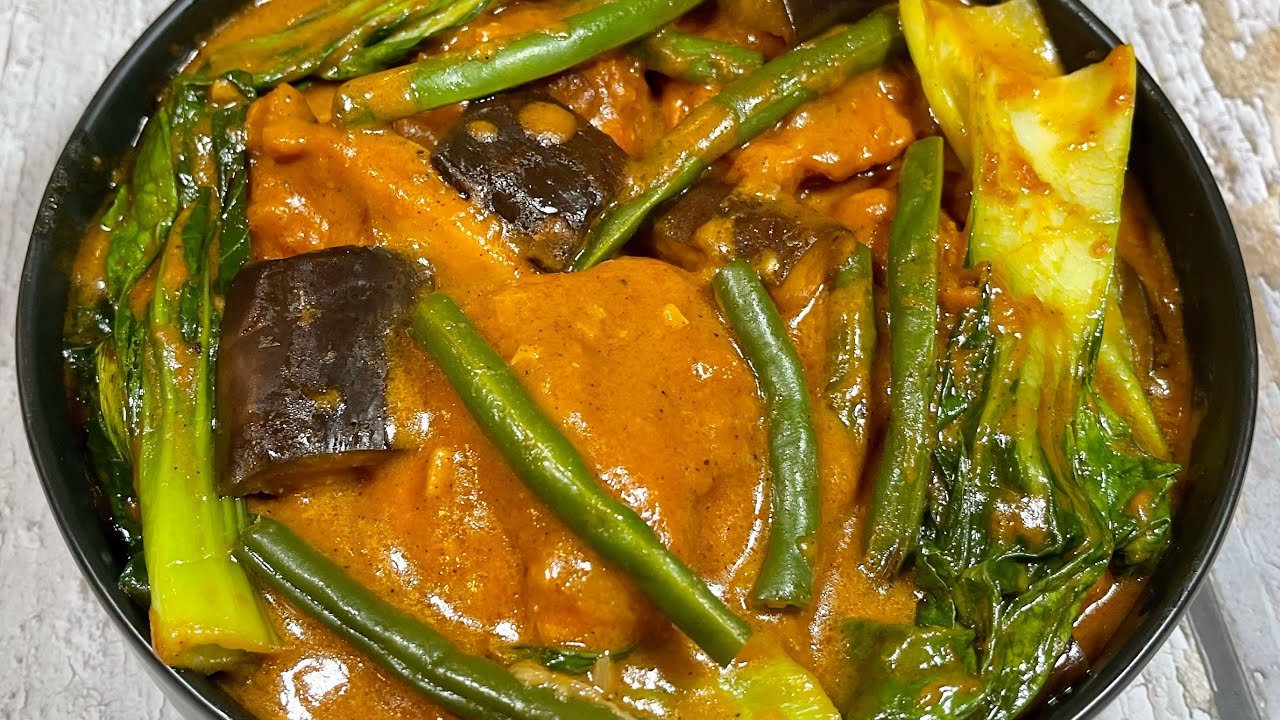
Kari Kare Recipe: Kari Kare, also known as Kare-Kare, is a traditional Filipino stew well-loved for its rich, creamy, and savory peanut sauce. Unlike spicy curries from other Asian cuisines, this dish focuses on a deep, nutty flavor that pairs beautifully with tender meats and fresh vegetables. The base of the dish is always a peanut sauce made from roasted peanuts, peanut butter, or ground rice, giving it a distinct, comforting taste. Typically, it’s served as a family meal and enjoyed with steamed rice and bagoong (fermented shrimp paste), which adds an extra layer of umami.
This dish stands out because of its balance of flavors—savory from the sauce, richness from the meat, freshness from the vegetables, and saltiness from the bagoong. It’s hearty, satisfying, and has become a staple in Filipino celebrations, from fiestas to Sunday lunches.
History and Origin of Kari Kare
The roots of Kari Kare trace back to pre-colonial times, with many food historians believing it originated in Pampanga, a region in the Philippines known for its culinary heritage. The dish’s name is believed to have come from the word “curry,” introduced through Indian traders and later adapted by Filipinos into their own unique version. Unlike Indian curries that rely heavily on spices like turmeric and cumin, Kari Kare highlights roasted peanuts as its star ingredient.
During the Spanish colonial period, it became even more popular as Filipinos adapted it to fit festive gatherings. Over time, it evolved with variations using beef, oxtail, pork hock, seafood, and even vegetables to cater to different tastes and preferences. Today, it’s a dish that represents Filipino creativity—taking inspiration from external influences and making it distinctly their own.
Why Kari Kare is Loved Around the World
Kari Kare may have started as a Filipino specialty, but its appeal has gone global. Food lovers admire it for its comforting texture, rich flavor, and versatility. Its peanut-based sauce gives it a mild sweetness that’s perfect for anyone who doesn’t enjoy overly spicy dishes. The balance between protein and vegetables makes it wholesome, while its thick sauce clings to rice beautifully, making every bite satisfying.
Another reason it’s beloved is its adaptability. Vegetarians can enjoy it by skipping meat and using hearty vegetables like eggplant and banana blossom. Seafood lovers prepare it with prawns, squid, or crabs. Plus, with the growing availability of Filipino ingredients worldwide, home cooks from different countries are now able to prepare Kari Kare in their own kitchens.
Ingredients You’ll Need
Main Ingredients for Kari Kare
To cook an authentic Kari Kare, the ingredients are crucial. Traditionally, oxtail is used for its gelatinous texture that melts into the sauce. Some prefer beef shank, pork hock, or even tripe for added depth. Here are the typical proteins:
- Oxtail (about 1 kg, chopped into serving portions)
- Beef shank or short ribs (optional)
- Pork hock (optional substitute)
- Tripe (optional for added texture)
These meats are usually simmered until tender, creating a rich broth that enhances the peanut sauce. If you prefer a lighter version, chicken or seafood can also be used.
Vegetables and Optional Add-ons
The vegetables add freshness and balance to the dish. The most common ones include:
- Banana blossom (puso ng saging)
- Eggplant (sliced into thick wedges)
- String beans (cut into 3-inch lengths)
- Bok choy or pechay (Filipino Chinese cabbage)
Optional add-ons may include okra, pumpkin, or even spinach depending on availability. The vegetables are usually blanched or boiled separately to preserve their vibrant color and texture before being mixed with the peanut sauce.
Condiments and Garnishes
The star condiment of Kari Kare is bagoong alamang—fermented shrimp paste sautéed with garlic, onion, and a little sugar. This is served on the side, allowing diners to adjust the saltiness and flavor to their liking. Some people also garnish with toasted ground rice or crushed peanuts for extra thickness.
Substitutes for Hard-to-Find Ingredients
If you live outside the Philippines, some ingredients might be hard to find. Don’t worry—you can still make a delicious version at home.
- Instead of banana blossom, use zucchini or cabbage.
- Bok choy can be replaced with kale or spinach.
- If bagoong is unavailable, use anchovy paste or fish sauce for umami.
- Peanut butter (unsweetened) works well if roasted peanuts aren’t available.
The beauty of Kari Kare lies in its flexibility—no matter what substitutions you use, the dish still delivers the same comforting flavors.
Preparing for the Recipe
Kitchen Tools and Utensils Required
Before starting, make sure you have the following tools ready:
- Large stockpot (for boiling the meat)
- Skillet or saucepan (for making the peanut sauce)
- Strainer (for separating meat from broth)
- Wooden spoon (for stirring the sauce)
- Knife and chopping board (for prepping ingredients)
These tools ensure cooking is smooth and efficient, saving you time in the kitchen.
Tips for Choosing Fresh Ingredients
The secret to a flavorful Kari Kare lies in fresh and quality ingredients. Choose well-marbled meat for tenderness. Look for vegetables that are firm and brightly colored. For the peanut base, fresh roasted peanuts (if you can grind them at home) give a more authentic taste than store-bought peanut butter. If you’re buying shrimp paste, opt for one that’s not overly salty and doesn’t have artificial flavors.
Pre-Cooking Preparations
Prepping ingredients ahead saves time and avoids stress while cooking. Cut the vegetables into uniform sizes for even cooking. Wash and pat dry leafy greens to prevent sogginess. If using tripe, boil it first with vinegar and water to remove its strong odor. Measure all your seasonings and place them within reach before you start cooking. This “mise en place” method ensures a smoother cooking experience.
Step-by-Step Guide to Cooking Kari Kare
Step 1: Preparing the Meat or Main Protein
Start by boiling your chosen protein (oxtail, beef, or pork) in a large stockpot filled with enough water to cover the meat. Add onions, garlic, and peppercorns for flavor. Simmer slowly until the meat is fork-tender—this may take 2–3 hours for oxtail or shank. For a faster option, use a pressure cooker, which cuts cooking time significantly.
Once the meat is tender, set it aside and strain the broth. This flavorful liquid will be used later to blend with the peanut sauce. Removing impurities from the broth ensures a clean, rich base for your dish.
Step 2: Preparing the Vegetables
Vegetables are an essential part of Kari Kare because they balance the richness of the peanut sauce and meat with freshness and crunch. The goal is to prepare them in such a way that they remain vibrant and firm instead of turning mushy. Traditionally, the vegetables used are banana blossom, eggplant, string beans, and pechay (Filipino bok choy). Each one brings something unique to the dish.
Start by washing the vegetables thoroughly under running water. Cut the eggplant into thick wedges so that they hold their shape during cooking. String beans should be cut into three-inch pieces for easier serving. For banana blossom, peel off the tough outer layers until you reach the tender core. Slice this into wedges and soak them in salted water for about 15 minutes to prevent discoloration. As for bok choy, simply trim the base and separate the leaves.
Cooking the vegetables is straightforward. Blanch them separately in boiling water for a minute or two, then immediately transfer them to a bowl of ice water. This process keeps their colors bright and prevents overcooking. Alternatively, you can steam them lightly. Avoid overcooking because mushy vegetables can ruin the overall texture of the dish.
By preparing the vegetables this way, you ensure that every bite of Kari Kare has a mix of creamy sauce, tender meat, and crisp vegetables—a perfect harmony of flavors and textures.
Step 3: Making the Peanut Sauce Base
The peanut sauce is the soul of Kari Kare. Without it, the dish would lose its identity. Traditionally, the sauce is made from freshly ground roasted peanuts combined with toasted ground rice for thickening. However, many modern recipes use unsweetened peanut butter for convenience.
Start by toasting uncooked rice in a dry pan over medium heat until golden brown. Once cooled, grind it into a fine powder using a food processor or mortar and pestle. This rice powder will give the sauce its distinct thickness and nutty undertone. Next, roast peanuts (if using fresh ones) until fragrant, then grind them until smooth. If you’re using peanut butter, choose an unsweetened, creamy variety to avoid overpowering sweetness.
To make the sauce, sauté onions and garlic in a little oil until soft. Stir in the ground peanuts or peanut butter, then add annatto seeds (atsuete) soaked in water for a few minutes to extract their bright orange color. Strain the liquid and pour it into the sauce for that signature golden hue. Slowly pour in the strained meat broth while stirring constantly to prevent lumps. Finally, add the ground toasted rice as a thickener.
Simmer the sauce gently for 10–15 minutes until it becomes smooth and velvety. Season with salt and pepper to taste. The result should be a rich, creamy peanut sauce that coats the back of a spoon. This luscious sauce is what sets Kari Kare apart from other stews—it’s nutty, savory, and slightly sweet, a true comfort food flavor.
Step 4: Combining the Ingredients
Once the meat and sauce are ready, it’s time to bring everything together. Return the tender meat into the pot with the simmering peanut sauce. Stir gently so that the sauce coats every piece of meat. Let it simmer for another 10 minutes, allowing the flavors to meld. At this stage, taste the sauce and adjust seasoning if needed—sometimes, a pinch more salt or a splash of fish sauce can elevate the flavor.
Add the blanched vegetables just before turning off the heat. This ensures they stay crisp and fresh rather than absorbing too much sauce and turning soggy. Arrange them beautifully on top or around the meat, as many Filipino households prefer to present the dish with vegetables neatly placed for an attractive appearance.
The dish should now be aromatic, rich, and vibrant. The sauce should be thick enough to cling to the meat but not overly pasty. The combination of tender meat, creamy peanut sauce, and colorful vegetables creates a dish that looks as delightful as it tastes.
Step 5: Simmering to Perfection
The final simmer is where the magic happens. Allow the pot to bubble gently on low heat for an additional 10–15 minutes. This step deepens the flavors and ensures the sauce fully absorbs into the meat. The aroma of peanuts, annatto, and broth will fill your kitchen, making it hard to resist sneaking a taste before it’s served.
Keep an eye on the consistency of the sauce. If it’s too thick, add a little more broth. If it’s too thin, let it simmer uncovered until it reduces to your desired thickness. Stir occasionally to prevent the sauce from sticking to the bottom of the pot.
Once ready, Kari Kare should have a luxurious, creamy consistency with every element blending harmoniously. The meat should be tender enough to cut with a fork, and the vegetables should retain their shape and color. At this point, your Kari Kare is ready to be served hot alongside rice and bagoong for the ultimate Filipino comfort meal.
Serving and Enjoying Kari Kare
Best Side Dishes to Pair with Kari Kare
No Kari Kare experience is complete without steamed white rice. The neutral taste of rice balances the richness of the peanut sauce and helps soak up every bit of flavor. Another must-have is bagoong alamang, a sautéed fermented shrimp paste that provides a salty, umami contrast to the mild sweetness of the stew.
Other great side pairings include garlic fried rice for extra aroma, crispy fried fish for texture, or lumpia (Filipino spring rolls) for variety. For celebrations, many Filipinos serve Kari Kare alongside lechon (roast pig) or grilled seafood, making the meal a true feast.
Presentation and Plating Tips
Presentation plays a big role in making Kari Kare more appetizing. Traditionally, the dish is served in a deep clay pot to retain heat. Place the meat at the center, ladle the sauce generously over it, and arrange the vegetables around the sides. Garnish with a sprinkle of crushed peanuts or annatto oil for added color. On the side, serve a small bowl of bagoong so each person can adjust the flavor to their preference.
Storing and Reheating Leftovers
Kari Kare is one of those dishes that tastes even better the next day as the flavors continue to develop. To store leftovers, let the dish cool completely before transferring it into an airtight container. Refrigerate for up to three days or freeze for up to one month.
When reheating, place it in a pot and warm over low heat, adding a splash of water or broth to loosen the sauce if it has thickened too much. Avoid microwaving as it may cause uneven heating. With proper storage, you can enjoy the comforting flavors of Kari Kare more than once.
Nutritional Value of Kari Kare
Health Benefits of the Ingredients
Kari Kare is more than just a comfort food; it’s also packed with nutrients when prepared with balanced ingredients. Oxtail and beef shank, commonly used in this dish, are excellent sources of protein, iron, and collagen. Collagen is known for promoting healthy skin and joints, making this meal more than just a treat for your taste buds.
The vegetables in Kari Kare also contribute essential vitamins and minerals. Eggplant is rich in antioxidants and dietary fiber, string beans are loaded with vitamin C and folate, while bok choy provides calcium and vitamin K for strong bones. Banana blossoms, on the other hand, are high in potassium and dietary fiber, aiding digestion and maintaining heart health.
The peanut-based sauce may be rich, but peanuts are actually a great source of healthy fats, protein, and vitamin E. They help lower bad cholesterol and provide energy. When eaten in moderation, the peanut sauce makes Kari Kare a satisfying yet nourishing dish.
Calories and Nutritional Breakdown
On average, a serving of Kari Kare (with meat, vegetables, and sauce) contains around 450–600 calories, depending on the type of protein used. Beef and pork versions are slightly higher in calories, while seafood or vegetable versions are lighter. Here’s a rough breakdown per serving:
| Nutrient | Amount (Approx.) | Benefit |
|---|---|---|
| Calories | 500 kcal | Provides energy |
| Protein | 28 g | Builds and repairs muscles |
| Fat | 30 g | Source of healthy fats from peanuts |
| Carbohydrates | 25 g | Energy source, mostly from rice pairing |
| Fiber | 5 g | Aids digestion |
| Iron | 15% DV | Supports blood health |
| Vitamin C | 20% DV | Boosts immune system |
This balance makes Kari Kare a hearty yet nutritious dish, especially when eaten with rice and paired with other healthy side dishes. Moderation is key—since the sauce is rich, portion control helps you enjoy its flavors without overindulgence.
Expert Tips and Tricks
How to Enhance the Flavor
The key to a memorable Kari Kare lies in layering flavors. Instead of using plain water, always use the broth from the meat to make the peanut sauce—it adds depth and richness. Toasting rice and peanuts before grinding them gives a nutty aroma that enhances the sauce significantly.
Another pro tip is to sauté the shrimp paste (bagoong) before serving. Cooking it with onions, garlic, and a little sugar balances its strong salty flavor, making it the perfect partner for Kari Kare. For extra creaminess, some cooks add a splash of coconut milk toward the end of cooking, giving the sauce a more luxurious texture.
If you want to impress, drizzle a bit of annatto oil on top before serving. Not only does it add a beautiful golden color, but it also gives the dish a subtle earthy flavor.
Common Mistakes to Avoid
Many first-timers make the mistake of rushing the cooking process. Kari Kare requires patience—the meat must be simmered slowly until tender. If cooked too quickly, it becomes tough and chewy. Another common mistake is overcooking the vegetables, which leads to mushiness and loss of color. Always blanch or steam them lightly.
Using sweetened peanut butter is another pitfall. The dish should be savory with just a hint of natural sweetness from peanuts, not overly sugary. Lastly, don’t skip the bagoong—it may seem optional, but it’s actually essential for balancing the rich peanut sauce with a punch of umami flavor.
Variations of Kari Kare
Vegetarian or Vegan Kari Kare
For those who prefer a plant-based diet, Kari Kare can easily be adapted into a vegetarian or vegan version. Replace the meat with hearty vegetables like pumpkin, mushrooms, eggplant, and okra. You can also add tofu for protein. Instead of shrimp paste, use a vegan-friendly umami condiment like miso paste or soy sauce to replicate the savory depth.
The peanut sauce remains the same, except you’ll use vegetable broth instead of meat broth. The result is just as flavorful, rich, and satisfying, making it a favorite among health-conscious eaters and those who want a lighter version of the dish.
Seafood Kari Kare
Seafood lovers can enjoy this dish by using prawns, squid, or crabs as the main protein. The natural sweetness of seafood pairs wonderfully with the creamy peanut sauce. To prepare, simply steam or lightly sauté the seafood and add it to the sauce toward the end of cooking. This prevents it from overcooking and becoming rubbery.
Seafood Kari Kare is especially popular in coastal regions and adds a refreshing twist to the traditional recipe. It’s lighter, quicker to prepare, and still captures the essence of the dish.
Regional Variations
Different regions in the Philippines have their own take on Kari Kare. In Pampanga, considered the culinary capital, Kari Kare is rich, thick, and made with oxtail and tripe. In some parts of Mindanao, coconut milk is added for extra creaminess and a tropical touch. Urban households, on the other hand, often simplify the recipe using store-bought peanut butter and modern shortcuts.
Each version reflects the local culture and available ingredients, proving that Kari Kare is a versatile dish that adapts beautifully to different tastes and traditions.
FAQs about Kari Kare Recipe
1. Can I cook Kari Kare without peanut butter?
Yes, you can use freshly ground roasted peanuts instead. This actually gives the dish a more authentic and robust flavor.
2. How long does it take to prepare Kari Kare?
It usually takes 2–3 hours if simmering meat traditionally. With a pressure cooker, the cooking time can be reduced to under an hour.
3. Can Kari Kare be made in advance?
Absolutely! In fact, it tastes better the next day as the flavors develop further. Store it properly and reheat with a little broth.
4. What’s the best meat to use for Kari Kare?
Oxtail is the most traditional choice because of its rich, gelatinous texture. However, beef shank, pork hock, or even seafood work wonderfully.
5. How to thicken the sauce if it’s too watery?
You can add more ground toasted rice or simmer it uncovered until the sauce reduces. Some also use cornstarch slurry, though traditionalists stick to rice.
Conclusion
Kari Kare is more than just a Filipino dish—it’s a celebration of family, tradition, and the art of slow cooking. Its creamy peanut sauce, tender meat, and fresh vegetables create a harmony of flavors that’s both comforting and festive. Whether you enjoy it the traditional way with oxtail and bagoong or experiment with seafood or vegan variations, this dish will always bring warmth to the table.
Cooking Kari Kare may take time and effort, but the result is worth every step. It’s not just food—it’s an experience, a story passed down through generations, and a reminder of the Filipino love for hearty, flavorful meals. So gather your ingredients, take your time, and enjoy the rewarding process of preparing this beloved classic.