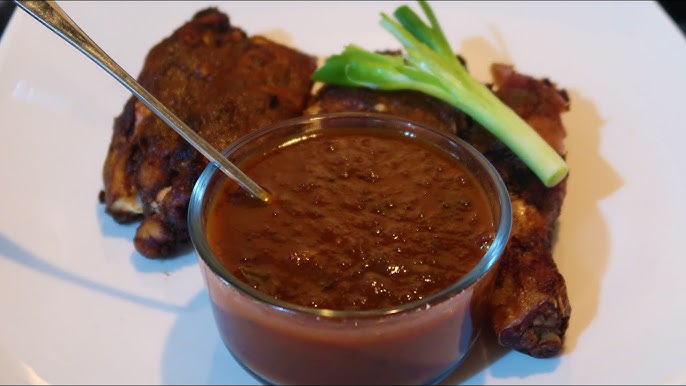
Jerk Sauce Recipe: Jerk sauce is one of the most flavorful and fiery condiments to ever come out of the Caribbean kitchen. Packed with heat, spice, sweetness, and a little tang, it’s a sauce that brings life to grilled meats, roasted vegetables, and even dips. If you’ve ever tasted authentic Jamaican jerk chicken, you’ve already had a taste of this sauce in action. What makes jerk sauce special is the perfect balance of spicy Scotch bonnet peppers, earthy allspice, and refreshing herbs like thyme and scallions.
This isn’t just a spicy sauce—it’s a cultural expression. Jamaican cuisine uses jerk sauce not only for flavor but also for preserving and marinating meats. The result is smoky, spicy, and aromatic dishes that carry a unique kick. Whether you’re a spice lover or just looking for a new marinade to elevate your cooking, learning to make jerk sauce at home is a must.
What Makes Jerk Sauce Unique
Unlike other sauces, jerk sauce doesn’t just rely on one flavor profile. It combines heat, sweetness, acidity, and earthiness into one bold taste. The Scotch bonnet pepper provides fiery heat, but it’s balanced by the sweetness of brown sugar or honey. The tang from lime juice and vinegar keeps it fresh, while garlic, ginger, and allspice bring depth and complexity.
Another thing that makes jerk sauce stand out is its versatility. You can use it as a marinade, a basting sauce, or even a dip. Some people like it fiery hot, while others tone it down with fruits like pineapple or mango. No matter how you adjust it, jerk sauce always has that unmistakable Caribbean kick.
The History and Origin of Jerk Sauce
Jerk cooking has deep roots in Jamaica’s history, tracing back to the Maroons, African slaves who escaped and developed unique cooking methods. They preserved meats with spices and slow-cooked them over pimento wood, which gave jerk its signature smoky flavor. Over time, this evolved into jerk seasoning and later into jerk sauce, which carries the same flavors in a convenient, spreadable form.
Today, jerk sauce has spread beyond the Caribbean. From street food stalls in Kingston to high-end restaurants worldwide, this sauce has become a global favorite. But to really appreciate it, making it fresh at home is the best way to capture its authenticity.
Ingredients You’ll Need for Jerk Sauce
The beauty of jerk sauce is that it’s made with simple yet powerful ingredients. Each one plays a role in creating its bold, balanced flavor. Below is a breakdown of what you’ll need.
Fresh Herbs and Spices
- Thyme (fresh preferred) – Adds earthy, herbal depth.
- Scallions (green onions) – For freshness and mild onion flavor.
- Allspice (pimento berries or ground) – The signature spice of jerk, warm and slightly sweet.
- Nutmeg and cinnamon (optional) – Add a subtle warmth that enhances the sauce.
These herbs and spices are the foundation of jerk sauce, giving it that authentic Caribbean taste.
Main Flavor Builders (Scotch Bonnet, Garlic, Ginger)
- Scotch Bonnet Peppers – The fiery heart of jerk sauce. If you can’t find them, habaneros are a good substitute.
- Garlic – Sharp, aromatic, and essential for savory depth.
- Ginger – Adds warmth and a little sweetness, balancing the heat.
This trio brings the bold punch that jerk sauce is famous for.
Liquids and Acidity (Soy Sauce, Lime Juice, Vinegar)
- Soy Sauce – Adds saltiness and umami.
- Lime Juice – Bright and tangy, cutting through the spice.
- Vinegar – Preserves the sauce and adds a sharp tang.
Without acidity, jerk sauce would be too heavy, so these liquids are essential.
Sweetness and Balance (Brown Sugar, Honey, or Molasses)
- Brown Sugar – Traditional choice for balancing heat.
- Honey – Adds natural sweetness and smooth texture.
- Molasses – Darker, richer flavor for a more complex sauce.
This sweetness is what keeps jerk sauce from being overwhelming. It balances the fire with a touch of comfort.
Essential Tools and Equipment
Making jerk sauce is simple, but having the right tools makes the process much smoother.
Blender or Food Processor
The most important tool for jerk sauce is a blender or food processor. Since the sauce includes whole peppers, herbs, and spices, you’ll need a strong machine to break everything down into a smooth, thick paste.
Measuring Tools
Accuracy is important when balancing flavors. Using measuring cups and spoons ensures your sauce isn’t too salty, too sweet, or too spicy.
Storage Containers
Once made, jerk sauce should be stored properly. Airtight glass jars or containers are best for keeping the flavors fresh.
Step-by-Step Guide to Making Jerk Sauce
Now that you know the ingredients and tools, let’s walk through the process step by step.
Step 1 – Prepare the Ingredients
Start by washing your fresh herbs, chopping scallions, peeling garlic and ginger, and seeding the Scotch bonnet peppers if you want less heat. Gather all spices, liquids, and sweeteners before blending.
Step 2 – Blend Everything Smooth
Add all ingredients into your blender or food processor. Blend until smooth but slightly textured. You want it to be a thick sauce, not too watery.
Step 3 – Taste and Adjust Seasoning
Taste your sauce before storing it. If it’s too spicy, add more lime juice or a little honey. If it feels flat, add extra allspice or soy sauce. The goal is balance.
Step 4 – Store Properly for Best Flavor
Pour the sauce into a glass jar, seal tightly, and refrigerate. It tastes even better after sitting overnight as the flavors meld together.
How to Use Jerk Sauce
Jerk sauce is more than just a marinade—it’s a versatile, flavor-packed condiment that can completely transform your meals. Once you’ve mastered making it, the fun part begins: finding different ways to use it in your cooking. From grilling meats to serving it as a dipping sauce, jerk sauce is a true game-changer in the kitchen.
As a Marinade for Meats
The most common and authentic use for jerk sauce is as a marinade. Traditionally, chicken and pork are marinated in jerk sauce for several hours (sometimes overnight) before being grilled or roasted. The bold flavors of Scotch bonnet, garlic, thyme, and allspice soak deep into the meat, creating a juicy, spicy, and flavorful dish that’s hard to resist.
Here’s how to use it:
- Clean and pat dry your chicken, pork, or even beef.
- Coat generously with jerk sauce, making sure it gets into every cut and fold.
- Place in a sealed container or zip bag and refrigerate for at least 4–12 hours.
- Cook using your preferred method (grilling, baking, or smoking).
Marinating not only enhances flavor but also tenderizes the meat, making it juicy and delicious.
In Grilling and Smoking
If you’re planning a BBQ, jerk sauce is the perfect partner for grilling. Brush it over your meats while they cook to create a caramelized, smoky crust that locks in flavor. For an authentic Jamaican experience, try smoking your meat over pimento wood or substitute with hickory or applewood. The smoky heat combined with jerk sauce is pure magic.
Pro tip: Keep some sauce aside (separate from the marinade) to use as a basting sauce while grilling. This prevents cross-contamination and ensures your dish stays safe to eat.
As a Table Sauce or Dip
Don’t limit jerk sauce to just cooking—use it as a dipping sauce too. It pairs beautifully with fried plantains, roasted potatoes, and even as a spicy twist for fries. You can also drizzle it over sandwiches, burgers, or tacos for a fiery Caribbean kick.
Some people even use jerk sauce as a pizza topping base instead of tomato sauce. Imagine a jerk chicken pizza with melted cheese, sweet pineapple, and fresh herbs—it’s a flavor bomb!
Tips for Perfecting Jerk Sauce
Even though jerk sauce is fairly easy to make, there are some insider tips that can take your recipe from good to outstanding.
Adjusting Heat Levels
Not everyone can handle the full heat of Scotch bonnet peppers. If you want to tone it down:
- Remove the seeds and membranes before blending (where most of the heat is).
- Mix in a little fruit like mango, pineapple, or papaya to sweeten the sauce naturally.
- Replace some Scotch bonnets with milder peppers like jalapeños.
If you’re a spice lover, you can add extra Scotch bonnets or even leave the seeds intact for maximum heat.
Achieving Authentic Caribbean Flavor
The secret to getting that real Jamaican jerk flavor lies in a few key ingredients:
- Allspice (Pimento) – Don’t skip this one. It’s the heart of jerk seasoning.
- Fresh Thyme – Dried thyme can work, but fresh herbs always give better aroma and taste.
- Smokiness – If you can’t grill over pimento wood, add a little smoked paprika or liquid smoke to your sauce for that authentic island vibe.
Also, let your sauce sit overnight before using—it allows the flavors to deepen and blend together.
Variations of Jerk Sauce
One of the best things about jerk sauce is how adaptable it is. While the classic recipe is fiery and bold, you can create variations that suit your taste buds or match the dish you’re making.
Traditional Jamaican Jerk Sauce
This version sticks to the roots—Scotch bonnet peppers, scallions, thyme, allspice, garlic, ginger, soy sauce, and a touch of sugar. It’s hot, aromatic, and earthy, exactly how it’s meant to be. If you’re new to jerk sauce, start here for the most authentic experience.
Mild Jerk Sauce for Beginners
If you love the flavor but can’t handle the heat, a mild version is the way to go. Simply reduce the Scotch bonnet peppers (or replace them with milder chilies) and add extra sweetness with honey or brown sugar. You’ll still get the jerk flavor without the burn.
Fruity Jerk Sauce (Pineapple or Mango Twist)
Want something tropical? Add fresh pineapple, mango, or even orange juice to your jerk sauce blend. The natural sweetness of the fruit balances the spice beautifully, creating a sauce that’s perfect for seafood, shrimp, or even vegetarian dishes.
This fruity variation is especially great for summer BBQs because it adds a refreshing, tangy twist that pairs well with grilled meats and sides.
Common Mistakes to Avoid
Even the best cooks can mess up jerk sauce if they’re not careful. To make sure your sauce turns out perfect every time, here are some mistakes to avoid.
Using the Wrong Peppers
Scotch bonnets are the signature pepper of jerk sauce. Using regular chili peppers or jalapeños might give you heat, but you’ll miss the authentic fruity kick that Scotch bonnets bring. If you can’t find them, habaneros are the closest substitute.
Overpowering with Salt or Sugar
Balance is everything in jerk sauce. Adding too much salt makes it harsh, while too much sugar makes it cloyingly sweet. Remember, the magic of jerk sauce is in how the flavors complement each other. Taste as you go, and adjust little by little.
Another common mistake is adding too much liquid. If your sauce is watery, it won’t stick to meats properly. Keep it thick and rich for the best results.
Pairing Ideas with Jerk Sauce
One of the most exciting things about jerk sauce is that it pairs beautifully with so many different foods. Its bold flavors—spicy, tangy, sweet, and smoky—all come together in a way that enhances nearly any dish you put it on. Whether you’re a meat lover, seafood fan, or vegetarian, jerk sauce has something to offer.
Best Meats and Seafood
- Chicken – The most classic pairing. Jerk chicken is famous for its smoky, spicy flavor. Marinate overnight for the juiciest results.
- Pork – Pork shoulder or tenderloin takes on jerk flavors exceptionally well. The richness of pork balances the spice perfectly.
- Beef – Skirt steak or short ribs marinated in jerk sauce make for a bold, hearty dish.
- Seafood – Shrimp, salmon, and snapper shine when cooked with jerk sauce. The fruity heat enhances their natural sweetness.
If you’re hosting a barbecue, a platter of jerk chicken wings and jerk shrimp skewers will impress everyone.
Vegetarian and Vegan Pairings
Jerk sauce isn’t just for meat lovers—it’s also a fantastic addition to vegetarian and vegan meals.
- Grilled Veggies – Zucchini, eggplant, bell peppers, and mushrooms soak up jerk sauce beautifully.
- Tofu & Tempeh – Marinate tofu or tempeh in jerk sauce and grill or bake for a plant-based protein option.
- Jackfruit – Perfect for making jerk jackfruit tacos or sandwiches.
- Roasted Potatoes or Sweet Potatoes – Toss them in jerk sauce before baking for a spicy twist on a classic side dish.
Pairing jerk sauce with plant-based dishes shows just how versatile and exciting this Caribbean classic can be.
Storage and Shelf Life
Like any homemade sauce, jerk sauce has a limited shelf life, but if stored correctly, you can enjoy it for weeks—or even months.
Refrigeration Tips
After making your jerk sauce, pour it into an airtight glass jar or container. Store it in the refrigerator, where it will last about 2–3 weeks. Always use a clean spoon when scooping sauce to prevent contamination and spoilage.
Over time, the flavors actually deepen, so don’t be surprised if it tastes even better after a few days. Just give it a quick stir before using.
Freezing for Long-Term Use
If you’ve made a large batch, freezing is your best bet. Pour the sauce into ice cube trays, freeze, then transfer the cubes into a freezer bag. This way, you can grab a cube whenever you need just a small amount.
Frozen jerk sauce can last up to 3 months without losing flavor. To use, simply thaw in the refrigerator overnight or microwave gently.
Health Benefits of Jerk Sauce
Beyond its bold flavor, jerk sauce also brings surprising health benefits. Because it’s made with natural herbs, spices, and peppers, it’s loaded with nutrients that support your well-being.
Nutritional Value of Key Ingredients
- Scotch Bonnet Peppers – High in vitamin C, antioxidants, and capsaicin (which boosts metabolism and reduces inflammation).
- Garlic and Ginger – Known for their immune-boosting and anti-inflammatory properties.
- Thyme and Scallions – Rich in vitamins A and C, plus antioxidants.
- Allspice – Contains compounds that may help digestion and improve circulation.
Together, these ingredients create a sauce that’s not only delicious but also nourishing.
Why Homemade is Healthier
Store-bought sauces often contain preservatives, excess salt, and artificial flavor enhancers. Making jerk sauce at home means you control every ingredient—no hidden additives, just pure flavor. You can also adjust the spice level, sugar content, and salt to match your dietary needs.
Homemade jerk sauce isn’t just a taste upgrade—it’s a health upgrade too.
FAQs about Jerk Sauce Recipe
Can I Make It Without Scotch Bonnet?
Yes, though it won’t taste exactly the same. Habanero peppers are the closest substitute since they share the same fruity heat. For a milder version, use jalapeños or even red chili peppers.
How Long Should I Marinate Meat in Jerk Sauce?
For best results, marinate meat for at least 4 hours, but overnight is ideal. This allows the flavors to deeply penetrate, making the dish more flavorful and tender.
Is Jerk Sauce Always Spicy?
Traditionally, yes—but you can adjust the heat. Removing seeds from Scotch bonnets or substituting with milder peppers will reduce the spice while keeping the flavor.
Can I Use Jerk Sauce as a Dip?
Absolutely! It works great as a dipping sauce for fries, plantains, or even grilled veggies. Just remember, it’s bold—so a little goes a long way.
Does Jerk Sauce Taste Better Cooked or Fresh?
Both ways are delicious. When cooked, the flavors mellow and blend into meats. When used fresh as a condiment, it’s sharper and more intense.
Conclusion
Jerk sauce is more than just a condiment—it’s a taste of the Caribbean in every bite. Its unique blend of heat, sweetness, tang, and spice makes it one of the most versatile sauces you can add to your cooking repertoire. From classic jerk chicken to vegan-friendly grilled veggies, there’s no limit to what you can do with it.
Making jerk sauce at home is simple, cost-effective, and healthier than store-bought alternatives. With just a blender and some fresh ingredients, you can capture the authentic flavors of Jamaica in your own kitchen.
So, the next time you want to spice up your meals, skip the bottled stuff and make your own jerk sauce from scratch. Trust me—it’ll be the star of your table.