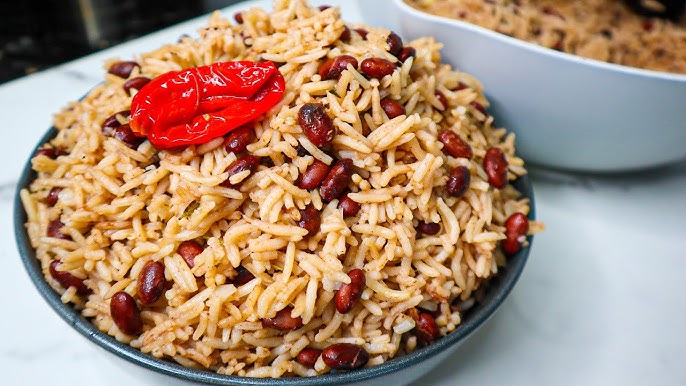
Jamaican Rice and Peas Recipe: If there’s one dish that embodies the heart and soul of Jamaican cuisine, it’s rice and peas. This savory side dish is much more than just rice cooked with beans.
It’s a flavorful, coconut-infused creation seasoned with herbs, spices, and a touch of heat that makes it an essential part of every Sunday dinner and festive gathering across the island.
Whether you’ve tasted it in Jamaica before or you’re trying it at home for the first time, this recipe will give you a step-by-step guide to making authentic Jamaican rice and peas.
Introduction to Jamaican Rice and Peas
A Staple in Jamaican Cuisine
Jamaican rice and peas is a dish you’ll find on almost every dining table across the island. It’s not just food—it’s tradition. Sunday dinners in Jamaica aren’t complete without a big pot of rice and peas alongside a meat dish, whether it’s oxtail, curry chicken, or jerk pork. What makes it so special is the way it blends simple ingredients into something extraordinary. The creamy richness of coconut milk, the earthy flavor of kidney beans, the herbal aroma of thyme, and the subtle kick from Scotch bonnet pepper all come together in perfect harmony.
Why It’s Called “Rice and Peas” Instead of “Rice and Beans”
One of the most common questions outsiders ask is, “Why peas? Those look like beans!” In Jamaica, kidney beans are often referred to as “peas.” It’s part of the local dialect and culture, and the name has stuck for generations. So when you hear “rice and peas,” don’t expect green garden peas—what you’re really getting are kidney beans cooked in seasoned coconut broth with rice.
Cultural Significance of the Dish
Beyond its taste, rice and peas carry deep cultural significance. It’s a dish tied to family gatherings, holidays, and special occasions. Many Jamaicans associate the smell of coconut milk and thyme simmering on the stove with childhood memories of family meals. It’s also seen as a symbol of togetherness because it’s traditionally prepared in large pots to feed big families. This dish has also spread across the Caribbean, with variations in Trinidad, Barbados, and Guyana, each adding their own twist while keeping the essence of rice cooked with peas.
Ingredients You’ll Need
Main Ingredients for Authentic Jamaican Flavor
To make authentic Jamaican rice and peas, you’ll need the following ingredients:
- 2 cups long-grain white rice (preferably jasmine or basmati for fluffiness)
- 1 cup dried red kidney beans (or 1 can of kidney beans)
- 2 cups coconut milk (fresh or canned)
- 2–3 sprigs fresh thyme
- 2 cloves garlic, minced
- 1 medium onion, chopped
- 2 stalks scallion (green onion), chopped
- 1 whole Scotch bonnet pepper (do not cut, unless you want more heat)
- 2 cups water or chicken/vegetable broth
- 1 teaspoon allspice (pimento)
- 1 teaspoon salt (adjust to taste)
- ½ teaspoon black pepper
Optional Add-Ons for Extra Taste
- A small piece of fresh ginger (grated) for a warm undertone
- Bay leaf for extra fragrance
- Butter for a richer texture
- Coconut oil instead of vegetable oil
Ingredient Substitutions if You Can’t Find Traditional Items
- Coconut Milk: If fresh or canned isn’t available, you can mix coconut cream with water.
- Kidney Beans: You can use pigeon peas (popular in some Caribbean islands) or even black beans.
- Scotch Bonnet Pepper: Replace with habanero for similar heat, or jalapeño for a milder option.
- Thyme: Use dried thyme if fresh is unavailable, though the fresh herb is preferred for aroma.
The key here is balance—you want the richness of coconut milk, the heat of the pepper, and the freshness of thyme to shine through.
Choosing the Right Peas (Beans)
Why Red Kidney Beans Are Preferred
Traditionally, Jamaican rice and peas are made with red kidney beans. Their color bleeds slightly into the rice, giving it a beautiful tint, while their earthy taste blends perfectly with coconut milk. They also hold their shape well during cooking, unlike softer beans that may turn mushy.
Canned vs Dried Beans – Which Is Better?
If you want the most authentic flavor, dried beans are the way to go. They require soaking overnight and a longer cooking time, but the payoff is worth it. The soaking water often becomes part of the cooking liquid, enriching the overall flavor. However, if you’re pressed for time, canned beans work just fine—just rinse them thoroughly to remove excess sodium and preservatives.
Other Types of Peas Used in the Caribbean
In Jamaica, red kidney beans are king, but across the Caribbean, you’ll find variations. Pigeon peas are popular in Trinidad and Guyana, while black-eyed peas sometimes make an appearance in festive versions. Each brings a slightly different flavor and texture, but the cooking method remains mostly the same.
Preparing the Coconut Milk Base
Fresh Coconut Milk vs Canned Coconut Milk
Traditionally, coconut milk was extracted by grating fresh coconut and squeezing out the liquid with water. This yields a thicker, creamier milk that infuses the rice with unmatched richness. However, most home cooks today rely on canned coconut milk for convenience, and it works perfectly fine. If using canned, choose a good-quality brand with minimal additives.
How Coconut Milk Enhances Flavor
The coconut milk is what makes Jamaican rice and peas truly unique. It adds creaminess, balances the spices, and gives the rice a slightly sweet undertone that complements the heat of Scotch bonnet. Without it, the dish would just be rice and beans—not Jamaican rice and peas.
Common Mistakes to Avoid with Coconut Milk
- Adding too much coconut milk, which can make the rice soggy.
- Using sweetened coconut milk (never use the one meant for desserts).
- Not balancing coconut milk with enough salt and spice, which can leave the dish bland.
When done right, the coconut milk base transforms a simple pot of rice into something deeply flavorful and unforgettable.
Step-by-Step Guide to Cooking Jamaican Rice and Peas
Now that you’ve got your ingredients ready, it’s time to start cooking. Jamaican rice and peas is all about layers of flavor—each step builds upon the previous one, so don’t rush the process.
Step 1 – Soaking and Preparing Peas
If you’re using dried kidney beans, soak them overnight in plenty of water. This reduces cooking time and helps the beans cook evenly. When ready to cook, drain and rinse the beans, then add them to a large pot with fresh water, garlic, and a pinch of salt. Boil until tender—this usually takes about 45–60 minutes. If you’re using canned beans, skip this step and go straight to seasoning.
Step 2 – Cooking Peas with Seasoning
Once your beans are tender, it’s time to build the flavor base. This step is where Jamaican rice and peas starts to come alive. Add your chopped onion, scallion, thyme, and garlic to the pot of cooked beans. Stir in a teaspoon of allspice (pimento), black pepper, and salt to taste. At this stage, you’ll also add the coconut milk and let everything simmer together for about 15–20 minutes.
One of the most important things here is not to stir too much once the coconut milk is added. You want the flavors to slowly infuse into the beans and liquid, creating a rich broth. Drop in the whole Scotch bonnet pepper (don’t cut it open unless you want a fiery dish). This pepper isn’t just for heat—it gives a fruity, floral flavor that defines authentic Jamaican cooking.
The combination of coconut milk, thyme, scallion, and Scotch bonnet is what transforms plain rice and beans into the soul-warming dish Jamaicans call rice and peas. Be patient here—this simmering step ensures your rice will be deeply flavored.
Step 3 – Adding Rice and Coconut Milk
Now comes the most important part: adding the rice. Rinse your rice thoroughly under cold water until the water runs clear. This step removes excess starch, ensuring your rice comes out fluffy instead of sticky. Add the rice directly into the simmering pot of beans and coconut milk.
The key here is to make sure the liquid level is just right—usually about one inch above the rice. Too much liquid, and you’ll end up with mushy rice. Too little, and the rice won’t cook through. A good rule of thumb is 2 cups liquid for every 1 cup of rice, but since the beans have already absorbed some liquid, adjust carefully.
Give the mixture one gentle stir, then place the whole Scotch bonnet pepper back on top. Cover the pot with a tight-fitting lid and reduce the heat to low. From here, resist the temptation to stir—the rice should steam and absorb the coconut-infused broth without being disturbed.
Step 4 – Perfect Simmering and Steaming Method
This stage is where patience pays off. Let the rice cook on low heat for 20–25 minutes. Don’t lift the lid too often, as the trapped steam is crucial for perfectly cooked rice. Instead, let the gentle simmer do its work. After about 15 minutes, you can check once to see if the liquid has mostly absorbed. If the rice looks dry but still feels undercooked, splash in a little warm water and cover again.
You’ll know it’s ready when the grains of rice are tender yet firm, and the peas are evenly distributed throughout. The coconut milk should have been fully absorbed, leaving behind a fragrant, slightly creamy texture. At this stage, remove the Scotch bonnet pepper carefully—it has done its job of flavoring the dish.
Step 5 – Final Touches Before Serving
Before serving, give the rice a gentle fluff with a fork. This separates the grains and ensures the peas are evenly mixed. Taste and adjust seasoning if needed—a little extra salt or a drizzle of butter can elevate the dish even more.
Some Jamaican cooks like to let the rice “rest” for 5–10 minutes after cooking, allowing the flavors to settle. This resting time also helps the rice firm up, making it easier to serve.
And that’s it—you’ve made authentic Jamaican rice and peas! It should be fluffy, fragrant, and full of rich, coconut flavor. Pair it with jerk chicken, curry goat, or even fried plantains for a true Jamaican feast.
Tips for Perfect Jamaican Rice and Peas Every Time
Getting the Texture Right – Not Too Dry, Not Too Mushy
The biggest challenge when making rice and peas is achieving the right texture. The rice should be fluffy and separate, not sticky or clumpy. To avoid mushiness, always rinse your rice before cooking, and be mindful of liquid measurements. If you’re using canned beans (which already contain liquid), reduce the water or broth slightly.
Balancing Flavors with Scotch Bonnet Pepper
The Scotch bonnet pepper is a signature ingredient in Jamaican cooking, but it must be handled carefully. Leaving it whole adds flavor without overwhelming heat, while piercing it or chopping it will increase the spice level dramatically. If you’re cooking for people who don’t tolerate spice well, keep it whole and remove it before serving.
Mistakes Beginners Often Make
- Using too much coconut milk, which makes the rice heavy.
- Stirring the rice too often, which releases starch and creates stickiness.
- Overcooking the beans until they break apart, resulting in a mushy texture.
- Forgetting fresh herbs like thyme and scallion, which are essential for authentic flavor.
If you follow these tips, your rice and peas will taste just like the ones made in Jamaican homes—rich, aromatic, and perfectly balanced.
Variations of Jamaican Rice and Peas
Vegan and Vegetarian Versions
Good news—Jamaican rice and peas is naturally vegan! Since it’s cooked with coconut milk instead of animal fat, you don’t need to make many adjustments. Just be sure to use vegetable broth if you want a deeper flavor.
Using Pigeon Peas Instead of Kidney Beans
In some Caribbean islands, pigeon peas (also called “gungo peas”) are used instead of red kidney beans. This gives the dish a slightly nuttier flavor and is especially popular around Christmas in Jamaica. The cooking method remains the same, so you can swap out kidney beans for pigeon peas if you want to try a festive twist.
Festive Versions with Extra Spices
Some families add extra spices for special occasions, such as nutmeg, ginger, or even a splash of rum in the coconut milk base. These little touches turn a humble side dish into something fit for a celebration.
What to Serve with Jamaican Rice and Peas
Traditional Pairings Like Jerk Chicken
Rice and peas is rarely eaten alone—it’s usually served alongside flavorful main dishes that complement its creamy, coconut-rich taste. One of the most iconic pairings is jerk chicken. The spicy, smoky flavor of jerk seasoning perfectly balances the mild richness of the rice. Together, they create a meal that’s hearty, satisfying, and unmistakably Jamaican.
Other traditional pairings include curry goat, oxtail stew, and fried fish. These dishes are bold in flavor and need a starchy, mellow partner to balance them out. That’s exactly where rice and peas shines—it soaks up sauces, balances spice, and adds its own subtle depth to the plate.
Vegetarian Side Dish Options
If you’re vegetarian or vegan, don’t worry—rice and peas pairs beautifully with plant-based dishes too. You can serve it with fried plantains, callaloo (Jamaican spinach), or roasted vegetables. A simple avocado salad also works well, adding freshness to the creamy rice.
For a complete vegetarian Caribbean plate, try rice and peas with jerk tofu or a rich vegetable curry. The flavors will still transport you straight to the islands without any meat on the plate.
Beverage Pairings for a Complete Meal
No Jamaican meal is complete without a refreshing drink. Pair your rice and peas with a tall glass of sorrel drink (hibiscus tea), ginger beer, or even a cold bottle of Red Stripe beer if you want the authentic island experience. For a non-alcoholic option, coconut water is perfect—it complements the coconut flavor in the dish while refreshing the palate.
Health Benefits of Jamaican Rice and Peas
Nutritional Value of Kidney Beans
Kidney beans are packed with protein, fiber, and essential vitamins like folate and iron. They help keep you full for longer, making rice and peas not just tasty but also a balanced meal. The high fiber content supports digestion and helps regulate blood sugar levels.
Benefits of Coconut Milk
Coconut milk is rich in healthy fats known as medium-chain triglycerides (MCTs), which provide quick energy and may support brain health. It also contains important minerals like magnesium and potassium. While coconut milk does add calories, it’s a natural source of nutrients compared to processed cream or butter.
Why It’s a Balanced Caribbean Meal
When you put it all together, rice and peas is a well-rounded dish. The beans provide protein, the rice gives you carbohydrates for energy, and the coconut milk adds healthy fats. Combined with fresh herbs and spices, you’re getting a wholesome, flavorful dish that nourishes both body and soul.
Storage and Reheating Tips
How Long Jamaican Rice and Peas Last in the Fridge
If you make a big pot, don’t worry—rice and peas store well. Once cooled, place leftovers in an airtight container and refrigerate. They’ll last about 3–4 days without losing much flavor.
Freezing and Reheating Instructions
You can also freeze rice and peas for longer storage. Portion it into freezer-safe containers and store for up to 3 months. To reheat, let it thaw in the fridge overnight, then warm on the stovetop with a splash of water or coconut milk to bring back moisture.
Keeping the Flavor Intact When Reheating
The trick to reheating is low heat and a little patience. High heat can dry out the rice, so always reheat gently. If you want to freshen up the flavors, toss in a few sprigs of thyme or a dash of allspice while reheating—it makes the dish taste like it was just cooked.
Expert Tips from Jamaican Home Cooks
Secrets Passed Down from Generations
Jamaican home cooks often say the secret to perfect rice and peas is patience. Don’t rush the simmering process—let the beans, coconut milk, and herbs slowly build layers of flavor.
Using Fresh Herbs for Richer Flavor
Fresh thyme, scallion, and garlic are non-negotiable for authentic taste. Dried substitutes can work in a pinch, but nothing compares to the fragrance of fresh herbs.
How to Know When It’s Truly Authentic
The test of good rice and peas is in the aroma. If your kitchen smells of coconut, thyme, and that fruity note from Scotch bonnet, you’re on the right track. The rice should be fluffy, the beans tender, and the flavors perfectly balanced—not overpowering, but comforting and soulful.
Quick Jamaican Rice and Peas Recipe (For Busy Weeknights)
Using Canned Beans and Canned Coconut Milk
If you’re short on time, you can still make rice and peas in under 40 minutes. Use canned kidney beans and canned coconut milk. Rinse the beans well, then sauté with onion, garlic, thyme, and scallion before adding coconut milk and rice.
One-Pot Cooking Method
The beauty of this dish is that it can be cooked in a single pot. Once you’ve sautéed your aromatics, add the beans, coconut milk, and rice all together. Simmer until the rice is fluffy, and you’re done!
Time-Saving Shortcuts
- Use pre-washed rice to skip rinsing.
- Replace fresh thyme with dried thyme.
- Use bouillon cubes instead of homemade stock for quick seasoning.
This version may not carry the depth of flavor of the traditional method, but it’s still delicious and perfect for busy weeknights.
FAQs about Jamaican Rice and Peas Recipe
1. Can I make Jamaican rice and peas without coconut milk?
Yes, but it won’t taste authentic. Coconut milk is what gives the dish its signature flavor. If you must, replace it with vegetable or chicken broth, but expect a different taste.
2. What’s the difference between Jamaican rice and peas and Trinidadian pelau?
Rice and peas is cooked separately from the meat, while pelau combines rice, peas, and meat all in one pot, creating a deeper, caramelized flavor.
3. Is it gluten-free?
Yes! Jamaican rice and peas is naturally gluten-free, making it suitable for those with gluten intolerance.
4. Can I use basmati rice instead of long-grain rice?
Yes, basmati rice works well and will give you a slightly different aroma. Just be sure to rinse it thoroughly before cooking.
5. What’s the best way to reduce the fat from coconut milk?
Use light coconut milk or dilute regular coconut milk with water. You can also use less coconut milk and substitute part of the liquid with broth.
Conclusion
Jamaican rice and peas is more than just a side dish—it’s a symbol of Jamaican culture, family, and tradition. From the creamy coconut milk to the fragrant thyme and the subtle heat of Scotch bonnet, every spoonful tells a story of the island’s rich culinary heritage. Whether you stick to the traditional slow-cooked version or whip up a quick weeknight meal, this dish is guaranteed to bring warmth and flavor to your table.
So, next Sunday, why not try cooking a pot of Jamaican rice and peas? Pair it with jerk chicken or curry goat, pour yourself a glass of sorrel drink, and enjoy a taste of the Caribbean right at home.