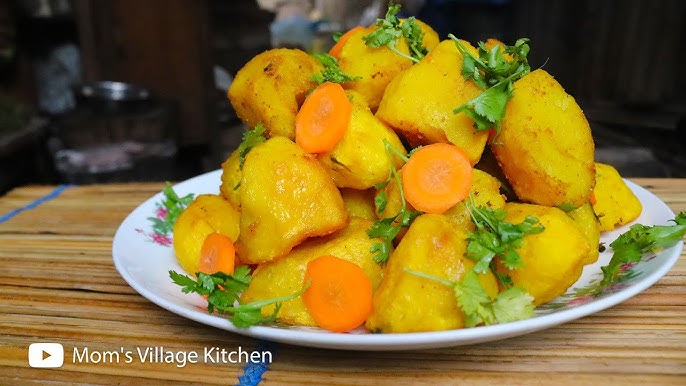
Irish Potatoes Recipe: Irish potatoes may sound like they are directly from Ireland, but the recipe we know today is a delightful sweet treat that originated in the United States, particularly in Philadelphia. Interestingly, these “Irish potatoes” are not actual potatoes at all in their dessert form—they’re small, bite-sized candies shaped like tiny potatoes, made with a creamy coconut filling and coated in cinnamon. However, there’s also a traditional savory Irish potato recipe, which refers to buttery, seasoned potatoes served alongside hearty meals. For this guide, we’ll cover the classic dessert-style Irish potatoes, which are perfect for St. Patrick’s Day, holidays, or just when you want something sweet and easy to make.
But why are they called Irish potatoes if they contain no potatoes? The name comes from their resemblance to small, dusty potatoes. They’re rolled in cinnamon, which gives them that earthy potato-skin look, while the inside is creamy, sweet, and full of flavor. This little treat has become a staple in many Irish-American households and remains one of the most fun recipes to make with kids.
Ingredients You’ll Need
To prepare Irish potatoes, you don’t need complicated ingredients—just a handful of common kitchen staples. Below is a full list of what you’ll need:
Main Ingredients for Irish Potatoes
- 4 cups powdered sugar (for sweetness and texture)
- 1 stick (½ cup) unsalted butter, softened
- 1 package (8 oz) cream cheese, softened
- 2 teaspoons vanilla extract
- 2 ½ cups sweetened shredded coconut
- Ground cinnamon (for rolling and coating)
Optional Add-Ons for Extra Flavor
- Chopped nuts (like pecans or walnuts) for crunch
- A sprinkle of cocoa powder for a richer taste
- A touch of nutmeg or allspice for added spice
Substitutes for Dietary Preferences
- Use dairy-free butter and vegan cream cheese for a vegan version
- Unsweetened coconut flakes for a less sweet version
- Stevia or powdered monk fruit sweetener for a low-sugar version
What makes this recipe so appealing is its flexibility—you can easily customize it to your taste and dietary needs.
Kitchen Tools and Equipment
Making Irish potatoes doesn’t require advanced cooking skills or expensive equipment. A few basic kitchen tools will make the process simple and enjoyable.
Essential Cooking Tools
- Mixing bowls (one large and one medium)
- An electric hand mixer or stand mixer (to blend ingredients smoothly)
- A spatula (for scraping down sides and mixing)
Measuring and Preparation Tools
- Measuring cups and spoons (to ensure accuracy)
- A cookie scoop or teaspoon (to keep sizes consistent)
- A clean surface or baking sheet lined with parchment paper
Storage Containers for Leftovers
- Airtight containers (to keep them fresh)
- Wax paper or parchment paper (to prevent sticking)
- A refrigerator or freezer for extended storage
These tools not only make the job easier but also help ensure your Irish potatoes come out looking uniform and professional.
Preparing the Ingredients
The secret to delicious Irish potatoes lies in proper preparation. While this dessert is relatively simple, taking the time to prepare ingredients correctly will make your final product smoother, creamier, and more flavorful.
Cleaning and Peeling Potatoes (If Making Savory Version)
If you’re preparing the traditional savory version with real potatoes, wash them thoroughly and peel them before cooking. For the sweet candy version, there’s no peeling involved—just soften your butter and cream cheese at room temperature.
Properly Boiling the Potatoes (Savory Version Only)
For savory Irish potatoes, boil the potatoes until fork-tender, ensuring they don’t become too mushy. For the dessert version, skip this step and focus on mixing the butter, cream cheese, and sugar until fluffy.
Mashing Techniques for Best Texture
For the savory dish, use a potato masher or fork for a slightly chunky texture, or a hand mixer for extra creaminess. For the candy version, mix everything until it’s smooth enough to roll into balls that hold their shape.
This preparation ensures your Irish potatoes—whether sweet or savory—come out perfect every time.
Step-by-Step Guide to Making Irish Potatoes
Now comes the fun part—assembling and shaping your Irish potatoes. Follow these steps carefully, and you’ll have a tray full of little potato-shaped treats in no time.
Step 1: Gather All Ingredients
Start by placing all your ingredients on the counter. Make sure the butter and cream cheese are softened, as this makes mixing much easier.
Step 2: Prepare the Potatoes
In a large bowl, cream together the butter and cream cheese until smooth. Gradually add the powdered sugar and vanilla extract, mixing until everything is well combined. Stir in the shredded coconut until the mixture is thick and dough-like.
Step 3: Mix and Season the Potatoes
Once the dough is formed, taste-test it for sweetness. If you prefer a richer flavor, add a little cocoa powder or nutmeg. Adjust the consistency—if too sticky, add more powdered sugar.
Step 4: Shape or Serve the Potatoes
Use a teaspoon or small scoop to portion out the mixture. Roll each portion into a ball, then roll it in cinnamon until fully coated. The cinnamon coating gives it the classic potato look.
Step 5: Final Garnishing and Serving Tips
Place the finished Irish potatoes on a parchment-lined tray and refrigerate for at least 30 minutes before serving. This helps them firm up and hold their shape. Serve chilled, either as a festive snack or dessert.
Different Variations of Irish Potatoes
Irish potatoes are wonderfully versatile, and the best part is you can experiment with both sweet and savory versions depending on your mood or occasion. Below are some of the most popular variations you can try at home.
Sweet Version with Coconut and Cinnamon
The traditional Philadelphia-style Irish potatoes are candy-like treats made with coconut, cream cheese, butter, and cinnamon. This sweet version is the most well-known and resembles little dusted potatoes. If you want to make them extra decadent, you can dip them halfway into melted chocolate before rolling them in cinnamon. The chocolate coating not only enhances the flavor but also gives them a delightful texture contrast.
Another fun twist is to add a touch of almond extract instead of vanilla. This subtle change transforms the flavor and gives it a nutty, bakery-style finish. Kids especially love these, and they make a fantastic addition to holiday platters, party trays, or St. Patrick’s Day celebrations.
Savory Version with Garlic and Herbs
For those who prefer something less sweet, the savory Irish potato version is a classic side dish. Start by boiling real potatoes until soft, then mash them with butter, cream, and roasted garlic. Add chopped parsley, chives, or rosemary for freshness. This version pairs perfectly with roasted meats, chicken, or even fish.
You can also shape them into patties or croquettes, then pan-fry them for a crispy outer crust and fluffy interior. This gives you a dish that’s hearty enough to serve as a main course or as a satisfying side.
Vegan and Dairy-Free Alternatives
If you’re vegan or lactose-intolerant, you don’t have to miss out on Irish potatoes. For the sweet version, replace butter with coconut oil or vegan margarine, and use dairy-free cream cheese. Unsweetened coconut flakes can balance the sweetness, especially if you’re cutting down on sugar.
For the savory type, swap out regular milk and butter with almond milk, oat milk, or olive oil. Nutritional yeast adds a cheesy flavor without using dairy, making it a great substitute. With these small adjustments, you can still enjoy creamy, delicious Irish potatoes without sacrificing taste.
Tips and Tricks for Perfect Irish Potatoes
Even though Irish potatoes are simple to make, a few tips can make them absolutely flawless. These tricks will help you avoid common mistakes and give your dish a professional touch.
Avoiding Common Mistakes
- Too much moisture: If your sweet mixture is too sticky, add more powdered sugar or coconut until it firms up. For savory versions, drain your boiled potatoes well to avoid watery mash.
- Skipping refrigeration: Always chill sweet Irish potatoes before serving. This helps them hold shape and makes them easier to roll.
- Overmixing: For savory mash, overmixing can make the potatoes gluey. Mash gently for the right fluffy consistency.
Making Them Creamier and Softer
For candy Irish potatoes, cream cheese is key—it gives the filling a smooth, creamy texture. If you want extra richness, you can add a spoonful of heavy cream or condensed milk.
For savory versions, warm your butter and milk before adding them to the potatoes. This ensures everything blends smoothly and results in ultra-creamy mashed potatoes.
Best Time to Serve Them
Sweet Irish potatoes are ideal for holidays, especially around St. Patrick’s Day. They also make great edible gifts because they store well and look adorable in little candy boxes.
Savory Irish potatoes, on the other hand, are best served hot alongside hearty dishes like roasted beef, turkey, or lamb. They make any dinner table look and taste complete.
What to Serve with Irish Potatoes
Irish potatoes, whether sweet or savory, can be the star of the table or the perfect companion to other dishes. Pairing them well enhances their flavor and makes your meal more balanced.
Pairing with Meat Dishes
Savory Irish potatoes pair beautifully with roasted chicken, beef stew, corned beef, or lamb chops. Their creamy, buttery texture complements the richness of meat-based dishes. If you’re making croquette-style potatoes, serve them with grilled fish for a crispy-and-tender combination.
Vegetarian Pairings
For a vegetarian meal, pair savory Irish potatoes with roasted vegetables like carrots, Brussels sprouts, and asparagus. A fresh garden salad with vinaigrette can also balance out the richness of the potatoes.
Sweet Irish potatoes can be paired with coffee, tea, or hot cocoa for a comforting treat. They’re especially popular as after-dinner desserts or snacks during tea time.
Festive and Holiday Serving Ideas
During St. Patrick’s Day, sweet Irish potatoes can be served in decorative bowls, arranged to look like tiny potatoes freshly “harvested” from the ground. Adding green sprinkles or shamrock decorations makes them more festive.
For Thanksgiving or Christmas, savory Irish potatoes are a must-have side dish. Their creamy texture pairs wonderfully with turkey, gravy, and stuffing, making them a holiday staple.
Nutritional Value of Irish Potatoes
Irish potatoes can be either indulgent or nutritious, depending on how you prepare them. Let’s break down the nutritional profile for both sweet and savory versions.
Calories and Macronutrients
- Sweet Irish potatoes (candy): Each piece contains about 100–120 calories, depending on size. They are rich in carbohydrates and fats due to sugar, butter, and coconut.
- Savory Irish potatoes: A serving (1 cup mashed) contains roughly 200 calories, with a balance of carbs, fiber, and healthy fats if olive oil or herbs are added.
Health Benefits of Ingredients
- Potatoes (savory version): High in potassium, vitamin C, and fiber.
- Coconut (sweet version): Provides healthy fats and fiber, though high in calories.
- Cinnamon: Known for anti-inflammatory properties and blood sugar regulation.
- Butter and Cream Cheese: Source of calcium and fat, though should be enjoyed in moderation.
Things to Keep in Mind
While both versions are delicious, moderation is key. Sweet Irish potatoes are high in sugar and best enjoyed as a treat. For a healthier approach, try reducing sugar, using unsweetened coconut, or swapping butter for lighter alternatives.
Savory versions can be made healthier by using olive oil instead of butter and adding plenty of herbs instead of heavy cream. This way, you still enjoy creamy potatoes without overloading on calories.
Storage and Reheating Tips
Irish potatoes are so good that it’s rare to have leftovers—but if you do, you’ll want to store them properly so they stay fresh and tasty. The storage method differs slightly depending on whether you’re making the sweet candy version or the savory mashed variety.
How to Store Properly
- Sweet Irish potatoes (candy): Place them in an airtight container lined with parchment paper. They’ll last up to 2 weeks in the refrigerator without losing flavor or texture.
- Savory Irish potatoes (mashed or croquettes): Store in a sealed container in the fridge for up to 4 days. Make sure they’re completely cooled before storing to prevent condensation and sogginess.
Best Ways to Reheat
- Sweet version: These don’t really need reheating. Simply take them out of the fridge a few minutes before serving so they soften slightly.
- Savory version: Reheat gently on the stovetop with a splash of milk or butter to restore creaminess. Alternatively, microwave in short intervals, stirring in between. If you’ve made croquettes or patties, reheat them in the oven at 350°F (175°C) for 10 minutes to keep them crispy.
How Long Do They Last?
- Sweet Irish potatoes can stay fresh for about 2 weeks refrigerated and up to 3 months frozen.
- Savory mashed Irish potatoes last 4 days refrigerated and about 1 month in the freezer. If freezing, portion them into smaller containers for easier reheating later.
FAQs about Irish Potatoes Recipe
Can I Freeze Irish Potatoes?
Yes! Both sweet and savory versions can be frozen. For sweet candy-style potatoes, freeze them on a tray first, then transfer to a freezer bag to prevent sticking. For savory mash, scoop into airtight containers or freezer bags. Always thaw overnight in the fridge before reheating.
Are They the Same as Mashed Potatoes?
Not exactly. While savory Irish potatoes may resemble mashed potatoes, they usually include extra herbs, garlic, or cream for more flavor. The sweet Irish potato candies, on the other hand, are a completely different treat—dessert-style balls made with coconut and cinnamon.
What’s the Difference Between Irish Potatoes and Other Potato Recipes?
Irish potatoes are unique because of their cultural background and festive nature. Unlike plain mashed potatoes or roasted potatoes, savory Irish potatoes often come with extra seasoning or are shaped into croquettes. Sweet Irish potatoes stand out because they’re not even made from potatoes but still carry the Irish name due to their look and association with St. Patrick’s Day.
Can I Make Irish Potatoes Ahead of Time?
Absolutely! In fact, making them ahead is recommended, especially the sweet version, as they need refrigeration to firm up. Savory mashed potatoes can be made a day ahead and reheated before serving.
Why Are They Called Irish Potatoes if They Don’t Have Potatoes?
The sweet version is named after Ireland because they look like little potatoes covered in dirt. They’re a traditional Irish-American treat, especially around St. Patrick’s Day. The savory version actually uses potatoes, which are a staple in Irish cuisine.
Conclusion
From gathering simple ingredients to rolling them into potato-like shapes, the process is fun, family-friendly, and incredibly rewarding. Plus, with endless variations—from vegan alternatives to festive chocolate-dipped versions—you’ll never run out of ways to enjoy them.
So, whether you’re celebrating St. Patrick’s Day or just craving a delicious homemade treat, Irish potatoes deserve a place on your menu. Try both the sweet and savory styles, share them with loved ones, and let these little bites of tradition bring a smile to your face.