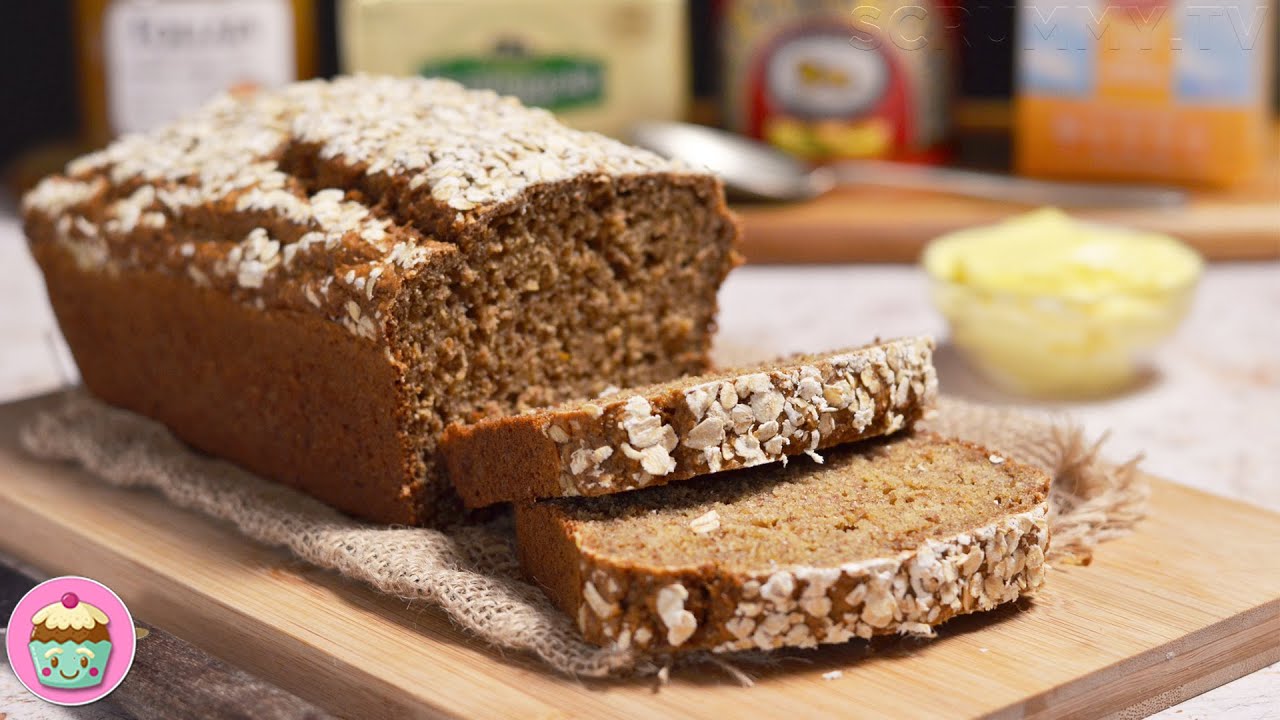
Irish Brown Bread Recipe: Irish Brown Bread is more than just a bread recipe—it’s a slice of Irish tradition passed down through generations. Unlike typical yeasted loaves, Irish Brown Bread is a type of soda bread, made with baking soda as the leavening agent instead of yeast. This makes it quick to prepare and gives it a unique texture and flavor that’s earthy, hearty, and full of rustic charm.
What sets this bread apart is its wholesome ingredients. Wholemeal flour, buttermilk, and a touch of sweetness from molasses or brown sugar combine to create a dense yet tender loaf that pairs beautifully with soups, stews, or simply a slab of Irish butter. It’s the kind of bread that feels like comfort on a plate.
Beyond its taste, Irish Brown Bread holds cultural importance in Ireland. It was traditionally made daily in Irish homes, often baked on an open hearth. Today, it remains a symbol of hospitality and warmth, making it not only a staple at Irish tables but also a treasured recipe worldwide.
What Makes Irish Brown Bread Unique
Irish Brown Bread stands out for its simplicity and wholesome flavor. Unlike many breads that require long proofing times with yeast, this recipe is quick and hassle-free. The use of buttermilk and baking soda creates a natural rise, giving the bread a slightly tangy taste and tender crumb.
The key to its unique character lies in the flour. Wholemeal flour (similar to whole wheat) gives the bread its signature nutty, earthy flavor. Combined with oats, it adds texture and makes every bite hearty and satisfying. This makes the bread not only delicious but also nutritious, packed with fiber and minerals.
Another unique aspect is its rustic look. Irish Brown Bread doesn’t need to look perfect; in fact, its uneven crust and dense structure are what make it authentic. The traditional cross cut on top before baking isn’t just for looks—it allows the bread to cook evenly and has roots in Irish folklore, where it was said to “let the fairies out.”
A Glimpse into Its Irish Heritage
To truly appreciate Irish Brown Bread, you need to understand its roots. Bread has always been central to Irish cuisine, with recipes passed down in families for centuries. Soda bread, in particular, became popular in the mid-19th century when baking soda was introduced to Ireland. It allowed families to make bread quickly without relying on expensive yeast.
Brown soda bread specifically became common in rural households, as wholemeal flour was more accessible than refined white flour. It was affordable, filling, and made with ingredients most Irish homes had on hand: flour, buttermilk, salt, and soda.
The bread was often baked daily, either in a traditional bastible pot (a type of cast-iron pot) over an open fire or on a griddle. Over time, variations developed depending on region and family tradition. Some added oats for texture, others used treacle for sweetness. Regardless of the version, it became a symbol of Irish comfort food—something to be enjoyed fresh from the oven, slathered with butter, and shared with family.
Ingredients You’ll Need
Making Irish Brown Bread doesn’t require fancy ingredients—just a handful of pantry staples. Here’s what you’ll need to get started:
Core Ingredients for Authentic Flavor
- Wholemeal flour (2 cups): The heart of the recipe, providing that nutty, rustic taste.
- All-purpose flour (1 cup): Helps lighten the texture so the bread isn’t too dense.
- Rolled oats (½ cup): Adds crunch and texture, plus a boost of fiber.
- Baking soda (1 teaspoon): The leavening agent that makes the bread rise.
- Salt (1 teaspoon): Enhances flavor.
- Buttermilk (1 ¾ cups): The key liquid that activates the baking soda and gives tang.
Optional Additions for Extra Taste
- Brown sugar or molasses (2 tablespoons): Adds sweetness and depth.
- Butter (2 tablespoons, melted): For extra richness.
- Seeds (sunflower, flax, sesame): A crunchy topping or mix-in.
Ingredient Substitutions for Dietary Needs
- Gluten-free version: Use gluten-free wholemeal flour and oats.
- Dairy-free option: Substitute buttermilk with plant-based milk mixed with lemon juice or vinegar.
- Sugar-free: Skip the sugar or molasses for a more savory loaf.
Kitchen Tools and Preparation
Before you start baking, it’s important to gather the right tools and prepare your ingredients. This will make the process smooth and stress-free.
Essential Tools for Baking
- Large mixing bowl: For combining dry and wet ingredients.
- Measuring cups and spoons: Accuracy matters for baking.
- Wooden spoon or spatula: To mix the dough without overworking it.
- Loaf pan or baking sheet: Depending on whether you want a shaped loaf or a free-form rustic round.
- Sharp knife: To score the traditional cross on top before baking.
Tips for Preparing Ingredients Ahead of Time
- Pre-measure dry ingredients: Combine flours, oats, salt, and soda in advance.
- Room-temperature buttermilk: Cold liquids can slow down baking reactions.
- Prepare the oven early: Preheat fully before mixing, since soda bread must be baked right away for best rise.
- Grease or line the pan: Prevents sticking and makes removal easier.
Step-by-Step Guide to Making Irish Brown Bread
Now that you have your ingredients and tools ready, it’s time to bake!
Step 1 – Preheat and Prepare
Preheat your oven to 425°F (220°C). Grease your loaf pan or line a baking sheet with parchment paper. This ensures your bread doesn’t stick and will have a nice crust.
Step 2 – Mixing Dry Ingredients
In a large bowl, combine the wholemeal flour, all-purpose flour, rolled oats, baking soda, and salt. Stir well to ensure the baking soda is evenly distributed. This step is crucial because uneven mixing can cause parts of the bread to rise unevenly.
Step 3 – Adding Wet Ingredients
Make a well in the center of the dry mix and pour in the buttermilk (and melted butter or molasses, if using). Mix gently with a wooden spoon until just combined. The dough should be sticky but not overly wet. Avoid overmixing, as it will make the bread tough.
Step 4 – Kneading and Shaping
Turn the dough out onto a lightly floured surface. Knead very briefly—about 30 seconds—just enough to bring it together. Shape into a round loaf or place into the loaf pan. With a sharp knife, cut a deep cross on the top. This isn’t only traditional but also helps the bread bake evenly.
Step 5 – Baking the Bread
Place the bread in the preheated oven. Bake for 15 minutes at 425°F, then reduce the heat to 400°F (200°C) and continue baking for 25–30 minutes. The bread is done when it sounds hollow when tapped on the bottom. Let it cool on a wire rack before slicing.
Serving and Storing Irish Brown Bread
Irish Brown Bread is best enjoyed fresh from the oven, but it’s also versatile enough to pair with a wide variety of meals. Knowing how to serve and store it properly will ensure that every slice tastes as good as the first.
Best Ways to Serve with Meals
One of the most traditional ways to enjoy Irish Brown Bread is with a thick spread of butter. The richness of the butter melts into the warm, nutty bread, creating a simple yet heavenly bite. Pair it with a bowl of hearty Irish stew or vegetable soup, and you’ve got yourself a comforting meal that feels straight out of an Irish cottage.
Another popular option is serving it with smoked salmon and cream cheese. The bread’s dense texture holds up beautifully against rich toppings, making it perfect for open-faced sandwiches. If you prefer something sweet, try drizzling honey or topping slices with jam for a quick breakfast or afternoon snack.
In Irish households, this bread is also commonly served alongside breakfast. A slice or two with eggs, bacon, and sausages turns an ordinary breakfast into a full Irish feast. Because of its wholesome, nutty flavor, it also works well with cheese platters, balancing out sharp cheddar or creamy brie.
To make it even more special, consider toasting slices lightly and serving with garlic butter or herb spreads. Its sturdy texture means it toasts beautifully, developing a crunchy crust while staying soft inside.
Storage Tips for Freshness
Irish Brown Bread doesn’t contain preservatives, so it’s best enjoyed within two to three days of baking. To keep it fresh, let it cool completely after baking before storing. Wrap the loaf tightly in a clean kitchen towel or parchment paper to prevent it from drying out while still allowing some airflow to avoid sogginess.
If you want it to last longer, store it in an airtight container at room temperature. For even better results, slice the bread, wrap individual pieces, and freeze them. That way, you can simply pop a slice into the toaster whenever you crave a taste of homemade bread.
Avoid refrigerating the bread, as it tends to dry out faster in the fridge. Freezing is a much better option. Properly wrapped, Irish Brown Bread can last up to two months in the freezer without losing its flavor or texture.
Nutritional Benefits of Irish Brown Bread
Beyond its delicious taste, Irish Brown Bread is also surprisingly healthy. It’s packed with nutrients thanks to its use of wholemeal flour and oats, making it a much better option compared to many store-bought breads.
High in Fiber
Wholemeal flour and oats are rich in dietary fiber, which is essential for digestive health. Fiber helps keep you full longer, making this bread an excellent choice if you’re looking for a more satisfying alternative to white bread.
Rich in Minerals and Vitamins
Whole grains naturally contain iron, magnesium, and B vitamins, all of which play important roles in energy production and overall well-being. Unlike heavily processed flours, wholemeal retains these nutrients, making your bread more nourishing.
Lower in Sugar and Fat
Traditional Irish Brown Bread recipes don’t call for much sugar or fat, making it a heart-healthy choice. Any sweetness usually comes from a touch of brown sugar or molasses, which is optional.
Protein Content
While not as high in protein as meat or beans, the oats and wholemeal flour do contribute a decent amount, making this bread a good addition to balanced meals.
Great for Energy
The combination of complex carbohydrates and fiber makes this bread a slow-releasing energy food. It won’t spike your blood sugar the way refined white bread does, keeping your energy levels stable throughout the day.
Tips for Perfect Irish Brown Bread Every Time
Even though Irish Brown Bread is a simple recipe, a few tips and tricks can help you make the perfect loaf every single time.
Don’t Overmix the Dough
Overmixing is one of the most common mistakes. Soda bread dough should be handled as little as possible. Mix just until the flour is incorporated—lumps are okay. Overworking the dough will make it tough instead of tender.
Use Fresh Baking Soda
Since baking soda is the only leavening agent, make sure yours is fresh. Old baking soda loses effectiveness, and your bread may turn out dense and flat. A quick test is to mix a pinch with vinegar—if it fizzes, it’s still active.
Cut the Cross Deep Enough
The cross cut on top isn’t just decorative—it helps the bread bake evenly by allowing heat to penetrate the center. Make sure it’s at least ½ inch deep.
Don’t Delay Baking
Once you mix the wet and dry ingredients, the chemical reaction between the buttermilk and baking soda begins immediately. For the best rise, get your dough into the oven as quickly as possible.
Experiment with Flavors
Once you’ve mastered the classic recipe, try experimenting. Add seeds, nuts, or dried fruit for variety. A touch of honey or treacle can give the bread a rich sweetness, while herbs like rosemary or thyme can make it savory and fragrant.
Variations of Irish Brown Bread
One of the joys of Irish Brown Bread is that it’s easy to adapt. Depending on your preferences or dietary needs, there are many variations you can try.
Seeded Brown Bread
Adding sunflower seeds, sesame seeds, or pumpkin seeds not only boosts nutrition but also adds crunch. Sprinkle some on top before baking for extra appeal.
Sweet Brown Bread
Mix in a handful of raisins, currants, or cranberries for a naturally sweet loaf. A drizzle of honey on top makes it even more delightful.
Gluten-Free Brown Bread
With the growing need for gluten-free options, you can substitute wholemeal flour with gluten-free flour blends. Oats should also be gluten-free certified. Though the texture may differ slightly, it still captures the rustic charm of the bread.
Vegan Brown Bread
Instead of buttermilk, use plant-based milk (such as almond or soy milk) mixed with a tablespoon of vinegar or lemon juice to mimic the tang of traditional buttermilk. Replace butter with coconut oil or olive oil.
Savory Brown Bread
Herbs like dill, parsley, or chives can be mixed into the dough for a savory twist. Adding grated cheese such as cheddar can also make the loaf richer and more filling.
Common Mistakes to Avoid When Baking Irish Brown Bread
Even though Irish Brown Bread is simple compared to yeast breads, there are a few pitfalls that beginners often run into. By avoiding these mistakes, you’ll ensure your loaf comes out perfect every time.
Using the Wrong Flour
One of the biggest mistakes is substituting wholemeal flour with only white flour. While you can use a mix of both, using just white flour will change the bread’s flavor and texture completely. Wholemeal flour gives the bread its nutty taste and hearty bite, so it’s important to include it.
Overmixing the Dough
Unlike yeast bread, soda bread does not need kneading. Overmixing activates too much gluten, making the bread chewy instead of tender. Always mix gently and stop as soon as the dough comes together.
Not Scoring the Bread
The cross cut isn’t optional. Skipping this step can lead to uneven baking and a dense center. Not only does the cut help the loaf expand, but it also ensures the inside cooks evenly.
Delaying Baking After Mixing
Once the wet and dry ingredients are combined, the baking soda reacts immediately with the buttermilk. If you let the dough sit before baking, you’ll lose that initial burst of rise, and the bread will come out flat.
Incorrect Oven Temperature
Irish Brown Bread needs a high initial temperature to rise properly, followed by a slightly lower temperature to finish baking. Skipping this temperature adjustment can result in an undercooked loaf or a crust that’s too hard.
Pairing Ideas for Irish Brown Bread
Irish Brown Bread is incredibly versatile. Whether you prefer savory or sweet pairings, there are endless ways to enjoy it.
Traditional Pairings
- Irish Stew: Nothing pairs better than a warm slice of brown bread with lamb or beef stew.
- Seafood Chowder: The dense bread is perfect for soaking up creamy chowders.
- Full Irish Breakfast: Eggs, sausages, bacon, and a side of brown bread make for a hearty meal.
Savory Pairings
- Smoked Salmon & Cream Cheese: A classic Irish favorite, balancing smoky, creamy, and nutty flavors.
- Cheese Platter: Pairs beautifully with sharp cheddar, brie, or blue cheese.
- Avocado & Tomato: A modern twist that works surprisingly well with rustic bread.
Sweet Pairings
- Butter & Jam: A timeless combination, especially with berry jams.
- Honey Drizzle: For a naturally sweet touch.
- Nut Butter & Banana: Perfect for breakfast or a quick snack.
Cultural Importance of Irish Brown Bread
Irish Brown Bread isn’t just food—it’s part of Ireland’s cultural fabric. For centuries, breadmaking has been at the heart of Irish households. Every region has its own variation, and many families proudly pass down recipes through generations.
A Symbol of Hospitality
In Ireland, offering bread and tea to guests is a tradition that symbolizes warmth and generosity. Sharing a loaf of freshly baked brown bread is more than nourishment—it’s a gesture of welcome.
Folklore Around the Cross
The traditional cross cut on the loaf has cultural significance. While it ensures even baking, folklore says the cross was made to “let the fairies out” or to bless the bread, protecting the household.
A Daily Staple
Unlike special occasion foods, Irish Brown Bread was baked almost daily in many homes. Families relied on it because it was quick, affordable, and filling. Even today, many Irish families still consider it a must-have on the dinner table.
Global Popularity
Thanks to Irish emigrants, brown bread traveled across the world. Today, it’s baked in Irish pubs, bakeries, and households far beyond Ireland, continuing its legacy as a humble yet iconic food.
Irish Brown Bread vs. Irish Soda Bread
At first glance, Irish Brown Bread and Irish Soda Bread seem similar, but they have distinct differences worth noting.
| Feature | Irish Brown Bread | Irish White Soda Bread |
|---|---|---|
| Flour Used | Wholemeal flour | White flour |
| Texture | Dense, hearty | Lighter, softer |
| Flavor | Nutty, earthy | Mild, slightly tangy |
| Nutrition | High in fiber | Lower in fiber |
| Appearance | Dark brown loaf | Pale, rustic loaf |
Brown Bread is essentially the wholemeal version of soda bread. Both rely on baking soda and buttermilk for leavening, but the use of wholemeal flour gives Brown Bread its signature nutty flavor and dense texture. Soda Bread made with white flour tends to be lighter and softer, making it more like a quick bread.
Both have their place in Irish cuisine, but Brown Bread is often seen as the more traditional and hearty choice, especially for pairing with savory dishes.
Health Benefits of Eating Irish Brown Bread Regularly
Eating Irish Brown Bread regularly can contribute positively to your diet. Unlike refined white breads, it provides lasting energy and nutrients.
Promotes Digestive Health
The high fiber content aids digestion and helps maintain regular bowel movements. It also supports gut health by feeding beneficial bacteria.
Supports Weight Management
Because it’s more filling than white bread, Irish Brown Bread can help curb overeating. It keeps you satisfied longer, reducing the need for constant snacking.
Boosts Heart Health
Whole grains are linked to lower cholesterol levels and a reduced risk of heart disease. Eating Brown Bread in moderation can support cardiovascular health.
Stabilizes Blood Sugar
Unlike refined carbs that cause quick sugar spikes, the complex carbs in Brown Bread release energy slowly, keeping blood sugar stable.
Provides Essential Nutrients
From iron and magnesium to B vitamins, Brown Bread delivers nutrients essential for energy production, metabolism, and overall health.
How to Store and Freeze Irish Brown Bread for Long-Term Use
One of the great things about Irish Brown Bread is that it freezes beautifully, making it easy to bake in batches and enjoy later. With the right storage methods, you can always have a slice of homemade bread ready when you need it.
Storing at Room Temperature
Freshly baked Irish Brown Bread can be stored at room temperature for up to three days. To keep it from drying out, wrap it in a clean kitchen towel or parchment paper instead of plastic, which can trap moisture and make the crust soggy. Store it in a breadbox or a cool, dry cupboard.
Freezing the Loaf
If you want to save it for longer, freezing is the best option. Allow the loaf to cool completely before wrapping. You can freeze it whole or slice it first for convenience. Wrap it tightly in plastic wrap, then place it in a freezer-safe bag. This prevents freezer burn and keeps the bread fresh for up to two months.
Reheating After Freezing
To enjoy frozen bread, thaw it at room temperature. For slices, pop them directly into the toaster or oven. If you froze the whole loaf, warm it in a preheated oven at 350°F (175°C) for about 10 minutes to restore its fresh-baked taste and texture.
Why Buttermilk is Essential in Irish Brown Bread
Buttermilk is the star ingredient in Irish Brown Bread, and it’s not just for flavor—it’s a crucial part of the recipe’s chemistry.
Activates the Baking Soda
The acidity in buttermilk reacts with baking soda to produce carbon dioxide, which makes the bread rise. Without this reaction, the bread would remain flat and dense.
Adds Tangy Flavor
Buttermilk gives the bread its subtle tang, balancing out the nutty wholemeal flavor. This makes the bread taste richer and more complex.
Improves Texture
The natural acidity softens the gluten in the flour, creating a tender crumb. This is especially important since wholemeal flour can sometimes make bread dense.
Substitutes for Buttermilk
If you don’t have buttermilk, you can make your own by adding one tablespoon of vinegar or lemon juice to a cup of milk and letting it sit for 10 minutes. For a dairy-free option, use almond or soy milk with vinegar. While the flavor may be slightly different, the chemical reaction with baking soda will still occur.
Making Irish Brown Bread Without an Oven
Believe it or not, Irish Brown Bread can be made without an oven. Traditionally, some Irish households baked it over an open fire in a cast-iron pot called a bastible. If you don’t have access to an oven, here are alternative methods:
Stovetop Method
- Place a heavy cast-iron skillet or Dutch oven on low heat.
- Put the shaped dough inside, cover with a lid, and let it cook slowly.
- Flip halfway through to ensure even cooking.
Slow Cooker Method
- Line the slow cooker with parchment paper.
- Place the dough inside and cook on high for 2–3 hours.
- The bread won’t have the same crust as oven-baked, but it will still be moist and delicious.
Air Fryer Method
- Preheat the air fryer to 350°F (175°C).
- Place the dough in a parchment-lined basket.
- Bake for 25–30 minutes, checking occasionally.
These alternative methods may slightly change the bread’s texture, but they’re excellent options if you want homemade bread without a conventional oven.
Irish Brown Bread as a Part of Modern Diets
While rooted in tradition, Irish Brown Bread fits beautifully into modern healthy eating habits. Its combination of whole grains, fiber, and minimal sugar makes it a bread that aligns with today’s nutrition-conscious lifestyles.
For Fitness Enthusiasts
The slow-releasing carbs in Brown Bread provide long-lasting energy, making it ideal for athletes and active individuals. It’s great fuel before workouts and helps with recovery afterward.
For Weight Watchers
Because it’s so filling, Brown Bread can be part of a weight management plan. A single slice keeps hunger at bay, reducing the urge for unhealthy snacking.
For Families
Brown Bread is a wholesome alternative to store-bought loaves, which often contain preservatives and hidden sugars. It’s a way to bring healthier options to the dinner table without compromising on taste.
For People with Dietary Restrictions
With simple ingredient substitutions, it can be made vegan, dairy-free, or gluten-free, making it accessible to almost anyone.
Step-by-Step Recap in Short
For quick reference, here’s a summarized version of the recipe steps:
- Preheat oven to 425°F (220°C).
- Mix dry ingredients: wholemeal flour, white flour, oats, salt, and baking soda.
- Add wet ingredients: buttermilk (and optional molasses/butter). Mix lightly.
- Shape the dough into a round or loaf pan. Score a deep cross on top.
- Bake for 15 minutes at 425°F, then lower heat to 400°F (200°C) and bake 25–30 minutes.
- Cool on a rack before slicing and serving.
Simple, quick, and incredibly rewarding!
FAQs about Irish Brown Bread Recipe
1. Can I make Irish Brown Bread without buttermilk?
Yes, you can substitute buttermilk with milk mixed with lemon juice or vinegar. For a dairy-free version, use almond or soy milk with vinegar.
2. How long does Irish Brown Bread last?
It lasts 2–3 days at room temperature. For longer storage, freeze it for up to two months.
3. Can I add sweeteners like honey to the bread?
Absolutely! Honey, molasses, or brown sugar can be added for a touch of sweetness.
4. Why is my bread too dense?
This usually happens if the dough was overmixed or if the baking soda was old. Be gentle when mixing and always use fresh soda.
5. Is Irish Brown Bread healthier than white bread?
Yes, it’s higher in fiber, vitamins, and minerals, making it a more nutritious choice compared to refined white bread.
Conclusion
Irish Brown Bread is more than a recipe—it’s a taste of Irish culture, history, and tradition. With just a handful of wholesome ingredients, you can create a bread that is hearty, nutritious, and deeply satisfying. Whether you enjoy it with butter, jam, or a hearty stew, it’s guaranteed to bring comfort and warmth to your table.
This bread isn’t just about eating—it’s about connecting with tradition while enjoying something nourishing and delicious. So why not try baking it today? You’ll see just how simple and rewarding it is to bring a little piece of Ireland into your home.