Hot Dog Recipe: Hot dogs are one of those foods that never go out of style. Whether it’s a summer barbecue, a quick street snack, or a stadium treat while watching your favorite team, hot dogs fit almost any occasion. They’re quick, delicious, customizable, and comforting. But despite being so common, not everyone knows how to prepare the perfect hot dog at home. That’s what this guide is all about—helping you master the art of making a mouthwatering hot dog with step-by-step instructions.
A Quick History of Hot Dogs
The origins of the hot dog go way back to Germany and Austria, where sausages like “frankfurters” and “wieners” were already popular. German immigrants brought these sausages to the United States in the 1800s, and over time, they evolved into the American hot dog we know today. Hot dogs became a staple at baseball games, street food stands, and backyard barbecues. They quickly became more than just food—they turned into a cultural icon. Today, hot dogs are enjoyed worldwide, each region adding its own twist and toppings.
Why Hot Dogs Are a Classic Favorite
What makes hot dogs so popular? It’s their simplicity and versatility. Unlike some recipes that require hours in the kitchen, hot dogs can be ready in minutes. Plus, they’re budget-friendly, portable, and endlessly customizable. From ketchup and mustard to gourmet toppings like caramelized onions, jalapeños, or even mac and cheese, there’s a hot dog variation for everyone. They’re also great for feeding crowds because you can prepare a lot in one go without much fuss. That’s why hot dogs remain a timeless classic.
Ingredients You’ll Need
The beauty of hot dogs is that you don’t need a long grocery list to get started. At its core, a hot dog is just a sausage in a bun. But to make it truly special, the right choice of ingredients and toppings can make all the difference.
Core Ingredients for the Classic Hot Dog
- Hot dog sausages (beef, pork, chicken, or plant-based options)
- Hot dog buns (soft, fresh, slightly sweet buns work best)
- Condiments like ketchup, mustard, mayonnaise, and relish
These three ingredients form the heart of the classic hot dog. However, not all sausages are created equal. Some people prefer all-beef hot dogs for their smoky flavor, while others enjoy chicken or turkey for a lighter version. If you’re vegetarian, you can easily find plant-based or soy sausages that taste just as good.
Optional Toppings and Add-Ons
Here’s where creativity shines. Hot dogs are like a blank canvas waiting for your toppings. Some popular add-ons include:
- Onions (raw, grilled, or caramelized)
- Pickles or relish
- Cheese (melted cheddar, shredded mozzarella, or even nacho cheese sauce)
- Chili for a hearty chili dog
- Sauerkraut for a tangy kick
- Fresh veggies like tomatoes, jalapeños, or coleslaw
By experimenting with toppings, you can create a completely different hot dog experience each time.
Choosing the Right Bun and Sausage
A hot dog is only as good as its bun and sausage. The bun should be soft but sturdy enough to hold the toppings without falling apart. Steamed or toasted buns make a big difference in flavor and texture. As for the sausage, try to pick one with natural casings for that satisfying “snap” when you bite into it. If you’re grilling, opt for sausages with a smoky flavor; if you’re boiling, lighter sausages may work better.
Tools and Equipment Required
Making hot dogs doesn’t require a fancy kitchen setup, but a few tools can help you prepare them more efficiently and with better results.
Essential Kitchen Tools
- A pot (for boiling sausages)
- A grill or grill pan (for smoky flavors)
- A frying pan or skillet (for quick cooking)
- Tongs (for handling hot sausages and buns)
- A small knife (for chopping toppings)
- A cutting board
These are everyday tools you probably already have at home, which makes hot dogs so convenient to prepare.
Grilling vs. Boiling vs. Pan-Frying – What Works Best?
- Grilling: This method adds a smoky, charred flavor that many people love. Perfect for outdoor barbecues.
- Boiling: The quickest method. Drop sausages in hot water for a few minutes, and they’re ready. However, boiling may not add much flavor.
- Pan-Frying: A middle ground between grilling and boiling. You get a nice sear and caramelization without needing a grill.
Each method has its own charm, so it really depends on your personal preference and the occasion.
Step-by-Step Guide to Making the Perfect Hot Dog
Now let’s get into the heart of the recipe. This step-by-step guide will take you from raw ingredients to a ready-to-serve hot dog that will impress your family and friends.
Step 1 – Preparing the Sausage
Start by choosing your cooking method. If you’re grilling, preheat your grill to medium heat and cook the sausages until they develop those beautiful grill marks. If you’re boiling, fill a pot with water, bring it to a boil, and simmer the sausages for 4–6 minutes. For pan-frying, heat a little oil in a skillet and cook the sausages until golden brown on all sides. The key is not to overcook, as this can make the sausage tough.
Step 2 – Toasting or Steaming the Bun
Never underestimate the bun—it’s half the hot dog experience. Lightly toast your buns on the grill or in a skillet with a touch of butter for extra flavor. If you prefer softer buns, steam them by placing them over a pot of simmering water for a few minutes. This helps the bun stay warm and pillowy, ready to hold the sausage and toppings.
Step 3 – Adding Condiments and Toppings
Once your sausage and bun are ready, it’s time for the fun part: toppings! Start with a base of ketchup or mustard, then add layers like onions, cheese, or pickles. Don’t overload it, though—too many toppings can make the hot dog fall apart. Strike a balance between flavor and texture.
Step 4 – Serving Suggestions
Serve hot dogs with a side of fries, chips, or coleslaw for a complete meal. If you’re hosting a party, consider setting up a “hot dog bar” with different toppings so guests can build their own creations. Pair with a cold soda, lemonade, or even beer for adults.
Variations of Hot Dogs Around the World
One of the best things about hot dogs is how easily they adapt to different cultures and cuisines. While the American classic with ketchup and mustard is world-famous, countless other variations exist across the globe. Each style reflects local traditions, flavors, and ingredients, making hot dogs a universal yet diverse food. Let’s explore some of the most popular variations.
American Style (Classic New York Hot Dog)
When people think of hot dogs, the New York version often comes to mind. It’s simple, quick, and packed with flavor. Typically, a New York hot dog is served with just a steamed bun, a boiled sausage, and a topping of yellow mustard, sauerkraut, or onions sautéed in tomato sauce. This straightforward approach highlights the sausage while keeping the flavors balanced.
Street vendors in New York have been selling these hot dogs for decades, making them a part of the city’s culture. They’re the go-to snack for busy New Yorkers and tourists alike. If you want to make one at home, keep it classic: boiled sausage, steamed bun, and a topping of mustard and sauerkraut. It doesn’t get more authentic than that.
Chicago-Style Hot Dog
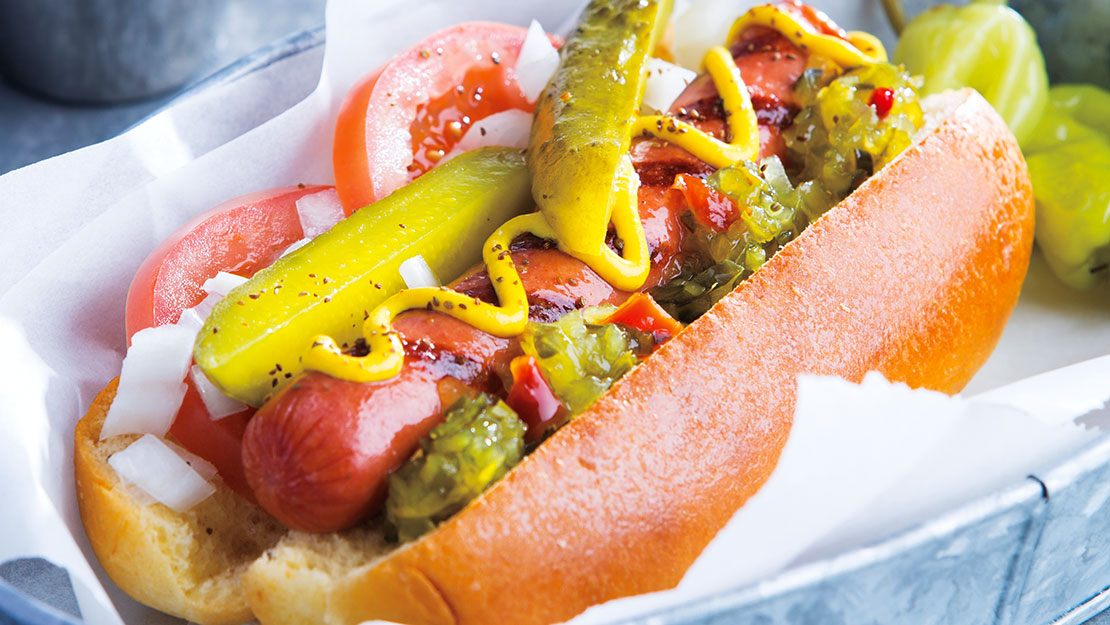
Now, if New York is simple, Chicago is extravagant. The Chicago-style hot dog is famously known as being “dragged through the garden” because of the sheer number of toppings piled on top. It includes:
- An all-beef frankfurter
- A poppy seed bun
- Yellow mustard
- Chopped onions
- Sweet pickle relish (bright green in color)
- Tomato slices
- Pickle spear
- Pickled sport peppers
- A dash of celery salt
What makes this version unique is that it completely avoids ketchup—Chicagoans consider it almost a crime to put ketchup on their hot dog. Instead, the combination of tangy, spicy, and fresh toppings creates a flavor explosion. It’s practically a meal in itself and represents the city’s love for bold and hearty food.
German Bratwurst Dog
Since the origins of hot dogs trace back to Germany, it’s no surprise that bratwursts became a popular variation. A bratwurst hot dog is often grilled rather than boiled, giving it a smoky flavor and juicy texture. It’s typically served on a crusty roll instead of a soft bun, topped with sauerkraut, spicy mustard, or even caramelized onions.
This version feels heartier and more rustic compared to the American hot dog. It’s a perfect match for beer festivals, family gatherings, or Oktoberfest celebrations. The bratwurst’s seasoning—often including nutmeg, ginger, or caraway—adds a depth of flavor that makes it distinct.
Asian Fusion Hot Dogs
In recent years, hot dogs have gone global with creative Asian-inspired versions. These fusion dogs often combine traditional sausages with unique toppings like:
- Kimchi (for a spicy Korean twist)
- Teriyaki sauce with grilled pineapple (a Japanese-Hawaiian mix)
- Sriracha mayo for a punch of heat
- Seaweed flakes or sesame seeds as garnishes
These variations bring bold flavors and textures, transforming the humble hot dog into something gourmet. Food trucks and trendy restaurants often serve these modern versions, proving how versatile hot dogs can be. If you’re bored with the usual ketchup and mustard, experimenting with Asian fusion toppings can completely reinvent your hot dog experience.
Tips for Making Hot Dogs Healthier
While hot dogs are often seen as indulgent comfort food, they don’t always have to be unhealthy. With a few smart swaps and choices, you can enjoy delicious hot dogs without the guilt.
Choosing Lean or Plant-Based Sausages
Instead of traditional pork or beef sausages, you can go for leaner options like turkey or chicken hot dogs. Plant-based sausages made from soy, peas, or other legumes are also widely available and taste surprisingly close to the real thing. These alternatives cut down on saturated fat while still delivering flavor.
Using Whole Grain or Gluten-Free Buns
Regular hot dog buns are usually made from refined flour, which isn’t very nutritious. By switching to whole grain buns, you get added fiber, which helps keep you fuller for longer. If you’re gluten-sensitive, there are now excellent gluten-free buns available in most supermarkets.
Adding Fresh Veggies as Toppings
Instead of loading your hot dog with heavy cheese and sauces, try fresh, crisp vegetables. Add lettuce, tomatoes, cucumbers, or even shredded carrots. Not only does it boost the nutritional value, but it also adds refreshing crunch and color.
Limiting Sugary and Fatty Condiments
Ketchup often contains hidden sugars, and mayonnaise can be high in fat. Instead, try mustard, salsa, or homemade yogurt-based sauces. These lighter options provide flavor without the extra calories.
By making these small changes, you can turn your hot dog into a balanced meal that satisfies your cravings without sacrificing health.
Creative Hot Dog Toppings to Try
Tired of the same old ketchup and mustard? Hot dogs are the perfect food for experimenting with toppings. By mixing different flavors, textures, and sauces, you can create gourmet-level hot dogs right at home.
Cheesy Creations
- Melted cheddar or mozzarella
- Nacho cheese with jalapeños
- Cream cheese spread (popular in Seattle-style hot dogs)
Spicy Kicks
- Jalapeños (fresh or pickled)
- Hot sauce or Sriracha
- Spicy chili flakes
Savory Additions
- Crispy bacon bits
- Caramelized onions
- BBQ pulled pork or shredded chicken
Sweet and Tangy Twists
- Pineapple chunks with teriyaki glaze
- Honey mustard drizzle
- Cranberry relish (great for holidays)
These combinations show just how versatile hot dogs can be. You can make them fun for kids with simple cheese and ketchup or elevate them into a gourmet dish with bold flavors.
Serving Ideas and Pairings
Hot dogs are incredibly versatile, which makes them perfect for all kinds of occasions. But what really elevates a hot dog meal is what you serve alongside it. Pairing your hot dog with the right sides and drinks turns it from a simple snack into a full, satisfying dining experience.
Classic Sides to Serve with Hot Dogs
- French Fries or Potato Wedges – Crispy, salty, and a match made in heaven for hot dogs.
- Onion Rings – Crunchy and flavorful, they add a great texture contrast.
- Coleslaw – Creamy and tangy, coleslaw balances out the richness of the sausage.
- Baked Beans – A sweet and smoky option often seen at barbecues.
- Pickles – The sharp tanginess cuts through the savory sausage perfectly.
Refreshing Drinks to Pair
A hot dog pairs well with a cold, refreshing drink. For kids, soda, lemonade, or iced tea are perfect. Adults can enjoy craft beers, light lagers, or even cocktails like margaritas with their hot dogs. The carbonation and acidity from these drinks help balance out the richness of the sausage and toppings.
Perfect for Parties and Gatherings
Hot dogs are a crowd-pleaser, making them a staple at barbecues, birthday parties, or casual family dinners. One fun idea is to set up a “hot dog bar” where guests can customize their hot dogs with a wide variety of toppings. It’s interactive, fun, and ensures everyone gets exactly what they like.
Mistakes to Avoid When Making Hot Dogs
Even though hot dogs seem simple, a few mistakes can ruin the experience. Let’s go through the most common ones and how to avoid them.
Overcooking the Sausage
Overcooked sausages can turn rubbery and dry, taking away the juicy bite everyone loves. Keep an eye on your cooking time—whether boiling, grilling, or pan-frying. Aim for a golden-brown exterior while keeping the inside tender and moist.
Neglecting the Bun
Many people focus solely on the sausage and forget about the bun. A cold, stale bun can ruin even the best hot dog. Always toast, grill, or steam your buns so they’re warm, soft, and slightly crispy.
Overloading with Toppings
While toppings are fun, piling on too many can make your hot dog messy and hard to eat. Choose a few that complement each other instead of trying to add everything at once. A well-balanced hot dog is more enjoyable than one overloaded with too many flavors.
Using Low-Quality Ingredients
Cheap sausages or stale buns will never make a great hot dog. If possible, invest in high-quality sausages with natural casings and fresh bakery buns. It makes a huge difference in taste and texture.
How to Store and Reheat Hot Dogs
Hot dogs are best enjoyed fresh, but if you’ve made too many or want to prep ahead, storing them properly is essential to keep them tasty and safe.
Storing Cooked Hot Dogs
- In the fridge: Place leftover sausages and buns in airtight containers. They’ll last up to 3–4 days.
- In the freezer: You can freeze cooked sausages for up to 2 months. Wrap them individually to prevent freezer burn.
Reheating Methods
- Microwave: Quick but may make sausages rubbery. Wrap them in a damp paper towel to prevent drying out.
- Oven: Reheat at 350°F (175°C) for about 10–12 minutes. This keeps the sausage juicy.
- Skillet or Grill: The best way to reheat hot dogs while maintaining their flavor and texture. Heat until warm and slightly crispy.
Storing Toppings and Condiments
Keep sauces like ketchup, mustard, or mayonnaise refrigerated and tightly sealed. Fresh toppings like onions, tomatoes, and lettuce should be stored in separate containers to stay crisp.
FAQs about Hot Dog Recipe
1. Can I make hot dogs in an air fryer?
Yes! Air fryers work great for cooking hot dogs. Simply place the sausages in the air fryer basket and cook at 375°F (190°C) for 5–6 minutes. You’ll get a nice crisp without needing oil.
2. What’s the best way to keep hot dogs warm for a party?
You can keep them warm in a slow cooker set to low heat or wrap them in foil and store in an insulated container. This way, they stay juicy and ready to serve.
3. Are plant-based hot dogs healthy?
Most plant-based hot dogs are lower in fat and calories than traditional meat sausages. However, some may contain additives, so always check the label before buying.
4. Can I bake hot dogs instead of grilling or boiling?
Yes, you can bake them in the oven. Place them on a baking sheet and bake at 400°F (200°C) for about 12–15 minutes, flipping halfway through for even cooking.
5. What’s the difference between a hot dog and a bratwurst?
Hot dogs are usually made with finely ground meat and have a smooth texture. Bratwursts are coarser, spicier, and often larger. They’re also typically grilled rather than boiled.
Conclusion
Hot dogs may be one of the simplest foods out there, but when done right, they can be absolutely unforgettable. From choosing the right sausage and bun to experimenting with toppings and global variations, there’s so much more to hot dogs than meets the eye. They’re quick, fun, and perfect for all occasions—from casual family dinners to lively backyard parties.
By following this step-by-step guide, you’ll be able to create the perfect hot dog every time. Whether you stick to the classic ketchup-and-mustard combo or go bold with fusion flavors, the key is balance and quality. So fire up the grill (or stove), grab your buns, and get ready to enjoy one of the world’s most beloved comfort foods.