Herb Butter Recipe: Herb butter is one of those simple yet magical kitchen creations that can completely transform the flavor of your dishes. Imagine a warm piece of bread melting with buttery goodness infused with fresh herbs—or a juicy steak topped with a dollop of herby butter that slowly melts, spreading flavor all over the meat. Herb butter, also known as compound butter, is essentially regular butter that’s been enhanced with fresh or dried herbs, spices, and sometimes a touch of zest or garlic.
The best part? Herb butter is not complicated. It requires minimal effort, basic kitchen tools, and just a few fresh ingredients. Once prepared, it can be stored in the fridge or freezer, making it a ready-to-use flavor bomb whenever you need it.
So, if you’ve ever wanted to add a touch of gourmet flair to your everyday meals without spending hours in the kitchen, this guide is for you. In this article, we’ll explore the ingredients, the step-by-step process, variations, storage tips, and all the best ways to enjoy herb butter. By the end, you’ll not only know how to make it but also how to experiment with flavors that suit your taste buds perfectly.
Ingredients You’ll Need
The beauty of herb butter lies in its simplicity. You only need a few basic ingredients to whip up this delightful spread, and you likely already have some of them in your kitchen. Here’s what you’ll need:
Fresh Herbs Selection
Fresh herbs are the soul of herb butter. They add aroma, freshness, and depth of flavor that dried herbs just can’t match. Common choices include:
- Parsley – Fresh and slightly peppery.
- Chives – Mild onion-like flavor.
- Thyme – Earthy and slightly minty.
- Rosemary – Strong and fragrant.
- Basil – Sweet and aromatic.
- Dill – Perfect for seafood and light dishes.
Of course, you don’t have to limit yourself. Mix and match according to your taste. For example, parsley and garlic are a classic combo, while dill and lemon zest pair beautifully with fish.
Butter – The Base Ingredient
Choose unsalted butter if possible. This way, you can control the salt level better. Opt for high-quality butter—it really makes a difference. If you prefer a slightly tangier flavor, you can even use cultured butter. Make sure your butter is at room temperature before mixing, as this makes blending much easier.
Optional Add-ins for Flavor Boost
Want to take your herb butter to the next level? Consider adding:
- Garlic (fresh or roasted) for a punchy flavor.
- Lemon or lime zest for freshness.
- Crushed red pepper flakes for heat.
- Parmesan cheese for richness.
- Honey or maple syrup if you’re making a sweet variation.
These add-ins are optional, but they can transform a simple herb butter into something truly unique.
Tools and Equipment Required
While you don’t need a professional kitchen to make herb butter, having the right tools makes the process smoother.
Mixing Essentials
- Mixing bowl – Medium-sized, enough to hold the butter and herbs comfortably.
- Spatula or spoon – For mixing the ingredients evenly.
- Knife and chopping board – To finely chop your fresh herbs.
Storing and Preserving Tools
- Plastic wrap or parchment paper – To shape the butter into a log for easy slicing.
- Airtight container – For storing smaller portions.
- Freezer-safe bags – If you plan to freeze your herb butter.
That’s it—nothing fancy, just simple kitchen staples that make preparation and storage easier.
Step-by-Step Guide to Making Herb Butter
Now that you know the ingredients and tools, let’s get into the exciting part—actually making herb butter. Follow this step-by-step process, and you’ll have a batch ready in no time.
Step 1 – Preparing the Herbs
Wash your herbs thoroughly under cold water to remove any dirt or pesticides. Pat them dry completely with a paper towel or kitchen cloth—moisture can ruin the texture of your butter. Next, finely chop the herbs. The finer you chop, the better they’ll blend into the butter. Aim for small, uniform pieces so every bite of butter carries a burst of flavor.
Step 2 – Softening the Butter
Take your butter out of the fridge and let it sit at room temperature until it’s soft but not melted. This usually takes about 30 minutes. You should be able to press it with a spoon and see it yield without breaking apart. Avoid using melted butter—it won’t hold the herbs well and will result in a greasy mess.
Step 3 – Mixing Herbs and Butter
Place the softened butter in a mixing bowl. Add your chopped herbs and mix thoroughly with a spatula. Make sure the herbs are evenly distributed. This is also the stage where you can add salt, pepper, and any additional flavorings you want. Taste as you go to make sure the seasoning is just right.
Step 4 – Adding Optional Flavors
If you’re adding garlic, lemon zest, chili flakes, or cheese, fold them in gently at this point. Keep in mind that strong flavors like garlic or chili can easily overpower, so add them gradually and taste along the way.
Step 5 – Shaping and Storing Herb Butter
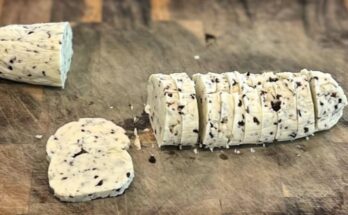
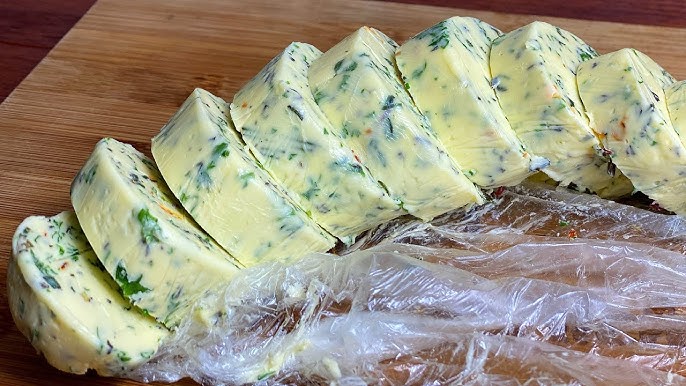
Once everything is mixed, scoop the butter onto a sheet of parchment paper or plastic wrap. Roll it into a log shape, twisting the ends to seal. Place it in the fridge for at least 1 hour to firm up. Once chilled, you can slice off pieces as needed. For long-term storage, freeze the log, and it will keep for months without losing flavor.
Different Variations of Herb Butter
One of the best things about herb butter is how customizable it is. You don’t have to stick with just parsley or chives—you can create endless variations to suit your meals and mood. Here are some of the most delicious twists you can try:
Garlic Herb Butter
This is the classic version everyone loves. It’s perfect for garlic bread, steaks, or grilled chicken. To make it, simply add minced garlic (raw for a bold punch or roasted for a mellow sweetness) to your butter mix. Pair it with parsley, chives, or thyme for the ultimate flavor combination. Garlic herb butter is one of those essentials that you’ll always want to keep in your fridge.
Lemon Herb Butter
If you love bright, fresh flavors, this one’s for you. Add freshly grated lemon zest and a squeeze of juice to your herb butter, along with herbs like dill, basil, or tarragon. Lemon herb butter works beautifully on seafood, especially salmon, shrimp, and scallops. It also adds a refreshing twist when spread over steamed vegetables or corn on the cob.
Spicy Herb Butter
For those who like a little heat, spicy herb butter can be a game-changer. Mix in crushed red pepper flakes, finely chopped chili, or even a dash of hot sauce. Combine it with herbs like cilantro or oregano for a bold and fiery butter that works wonders on grilled meats, roasted potatoes, or even as a spread for sandwiches.
Sweet Herb Butter for Desserts
Yes, herb butter can even go sweet! Instead of garlic or chili, add a touch of honey or maple syrup along with herbs like mint or lavender. This version pairs wonderfully with pancakes, waffles, scones, or even freshly baked bread. It’s a creative way to enjoy butter beyond savory dishes.
With these variations, you can experiment endlessly. Start with the basic herb butter recipe and then tweak it according to your taste preferences or the dish you’re preparing.
How to Store Herb Butter Properly
Making herb butter is only half the job—knowing how to store it ensures it stays fresh and flavorful for as long as possible. Luckily, herb butter is quite forgiving and stores very well if done right.
Refrigeration Tips
If you’re planning to use your herb butter within a week, the fridge is perfect. Wrap the butter log tightly in parchment paper or plastic wrap, and place it in an airtight container to prevent it from absorbing other fridge odors. Herb butter stored this way will stay fresh for up to 7–10 days.
To make it easy to use, you can slice the butter log into rounds before refrigerating. That way, you can grab just what you need without unwrapping the entire roll each time.
Freezing Herb Butter for Long-Term Use
If you want to keep herb butter for longer, freezing is the way to go. Properly wrapped and stored in a freezer-safe bag or airtight container, herb butter can last for up to 3–6 months.
Here’s a pro tip: slice the butter into individual portions before freezing. You can even use an ice cube tray to freeze small portions of herb butter. Once frozen, pop them out and store them in a freezer bag. This makes it super convenient to add a cube of herb butter directly to hot pasta, veggies, or meats without defrosting the whole batch.
Remember, always label your containers with the date and type of butter so you don’t lose track of how long it has been stored.
Best Ways to Use Herb Butter in Cooking
Herb butter is more than just a spread for bread—it’s a culinary secret weapon. With just one slice, you can transform an ordinary dish into something extraordinary. Here are some of the best ways to put it to use:
On Steaks and Grilled Meats
A juicy steak topped with a melting pat of herb butter is pure magic. The butter melts into the hot meat, creating a glossy, flavorful sauce that elevates every bite. It’s also perfect for grilled chicken, pork chops, or even lamb. The herbs and spices seep into the meat, making it taste like something from a fine restaurant.
On Vegetables and Pasta
Herb butter makes vegetables exciting. Toss freshly steamed broccoli, carrots, or green beans with a little herb butter, and you’ve got a side dish that’s bursting with flavor. For pasta, herb butter works as a quick sauce. Just melt it into freshly cooked noodles and sprinkle with Parmesan cheese—it’s simple, fast, and delicious.
On Bread and Rolls
This might be the most popular use. Spread herb butter over warm rolls, toast, or a fresh baguette, and you’ve got an instant upgrade from plain butter. Garlic herb butter on breadsticks is a crowd favorite for parties, while lemon herb butter on toast is a refreshing breakfast option.
Herb butter also works as a finishing touch on baked potatoes, seafood, and rice dishes. Essentially, anywhere you would normally use butter, you can use herb butter to add an extra dimension of flavor.
Health Benefits of Herb Butter
While butter often gets a bad rap, herb butter can actually have some surprising health benefits—especially when made at home with fresh, high-quality ingredients.
Nutritional Value of Herbs
Fresh herbs are packed with vitamins, minerals, and antioxidants. For example:
- Parsley is rich in Vitamin K and Vitamin C.
- Basil contains anti-inflammatory compounds.
- Rosemary has antioxidants that support brain health.
- Dill is great for digestion.
By adding herbs to butter, you’re sneaking extra nutrition into your meals without even trying.
Butter vs. Margarine – Which is Better?
Many people wonder whether they should use butter or margarine. While margarine often contains trans fats, natural butter (especially grass-fed) has healthy fats and fat-soluble vitamins like A, D, and E. Moderation is key, of course, but when combined with herbs, butter becomes not only tastier but also a bit more nutritious.
Herb butter encourages you to use less salt in cooking because the herbs naturally enhance flavor. So, compared to plain salted butter, herb butter can actually be a healthier choice.
Common Mistakes to Avoid When Making Herb Butter
Even though herb butter is simple to prepare, there are a few common mistakes that can affect the flavor and texture. Knowing these in advance will help you avoid disappointment and ensure that your butter turns out perfectly every time.
Using the Wrong Type of Butter
The foundation of herb butter is, of course, butter itself. Using low-quality or salted butter can throw off the flavor balance. Salted butter already contains varying levels of salt, which can make your final product too salty, especially when combined with strong herbs like rosemary or garlic. Always choose unsalted, high-quality butter so you have full control over the seasoning. Grass-fed butter is an excellent option since it has a richer taste and higher nutritional value.
Overpowering the Flavor with Too Many Herbs
Herbs should enhance the butter, not overwhelm it. A mistake many beginners make is adding too many different herbs at once. This creates a muddled, confusing flavor profile. Instead, stick to two or three complementary herbs at most. For example, parsley, garlic, and chives work beautifully together, while dill and lemon zest are a perfect pairing for seafood. Remember—sometimes less is more.
Not Drying the Herbs Properly
If your herbs are wet when mixed into the butter, excess moisture can cause the butter to spoil faster. Always wash and pat them completely dry before chopping. Moisture also affects texture, making the butter less creamy.
Adding Ingredients Too Early
If you’re planning to freeze herb butter, avoid adding delicate ingredients like citrus juice too early, as they may lose flavor over time. Instead, stick with zest, dried spices, and hardy herbs for freezer-friendly versions.
By keeping these mistakes in mind, you’ll save yourself from flavor disasters and create a butter that truly shines in any dish.
Tips and Tricks for Perfect Herb Butter Every Time
While the basic method is straightforward, a few expert tips can make your herb butter absolutely foolproof and restaurant-quality.
- Soften, Don’t Melt – Butter should be soft enough to mix easily but not melted. Melted butter won’t hold the herbs properly and will separate once cooled.
- Chop Herbs Finely – The finer the chop, the more evenly the flavor distributes. Large chunks of herbs can make the butter taste uneven.
- Balance the Flavors – Pair strong herbs like rosemary with milder ones like parsley to create harmony.
- Season Lightly at First – You can always add more salt or spice, but you can’t take it away. Taste as you mix.
- Add a Touch of Acid – A little lemon zest or vinegar brightens the flavor, especially for seafood dishes.
- Shape into Rolls for Convenience – Rolling butter into logs allows you to cut neat slices whenever you need them.
- Experiment with Sweet Versions – Don’t limit yourself to savory recipes. Try adding cinnamon, nutmeg, and honey for a sweet breakfast butter.
Once you master these small tricks, you’ll never go back to plain butter again.
Herb Butter for Special Occasions
Herb butter isn’t just for everyday cooking—it can also add a gourmet touch to your holiday feasts, dinner parties, and BBQ gatherings.
Holiday Recipes
During the holidays, herb butter can take your meals to the next level. Imagine spreading rosemary-garlic butter over roasted turkey, brushing sage butter on baked rolls, or serving lemon-dill butter with baked salmon. You can even create decorative butter molds in festive shapes to impress your guests at the dinner table.
BBQ Parties and Outdoor Grilling
At summer cookouts, herb butter becomes the star of the show. Spread it over freshly grilled corn, melt it onto steaks right off the grill, or serve it as a dipping sauce for seafood skewers. A spicy herb butter made with chili and cilantro adds a smoky, fiery kick that pairs perfectly with outdoor barbecues.
By making different variations ahead of time, you can have a variety of flavored butters ready to suit every dish at your gathering. Herb butter adds both elegance and convenience to special meals, making it a must-have for hosts.
FAQs about Herb Butter Recipe
Q1: Can I use dried herbs instead of fresh ones?
Yes, but fresh herbs are always better for flavor and aroma. If you use dried herbs, reduce the quantity since they are more concentrated.
Q2: How long does homemade herb butter last?
In the fridge, it lasts about 7–10 days. In the freezer, it can last 3–6 months if properly stored.
Q3: Can I make vegan herb butter?
Absolutely! Simply replace regular butter with a plant-based alternative such as vegan margarine or coconut oil. The process is the same.
Q4: What’s the best way to soften butter quickly?
Cut the butter into small cubes and leave it at room temperature for 15–20 minutes. Avoid microwaving, as it can melt unevenly.
Q5: Can herb butter be used in baking?
Yes, but be careful with strong flavors. Mild herb butters (like parsley or chives) can work in savory baked goods, while sweet versions with cinnamon or honey are excellent for pastries.
Conclusion
The best part? It stores beautifully, so you can prepare it ahead of time and always have a ready-to-use flavor booster at your fingertips. By experimenting with different herbs, spices, and add-ins, you’ll never run out of variations to try. Whether you’re cooking a family dinner, hosting a BBQ, or preparing a holiday feast, herb butter is your secret weapon to impress every guest.
So, roll up your sleeves, grab some fresh herbs, and start whipping up your own herb butter today. Once you taste the difference, you’ll wonder how you ever lived without it!