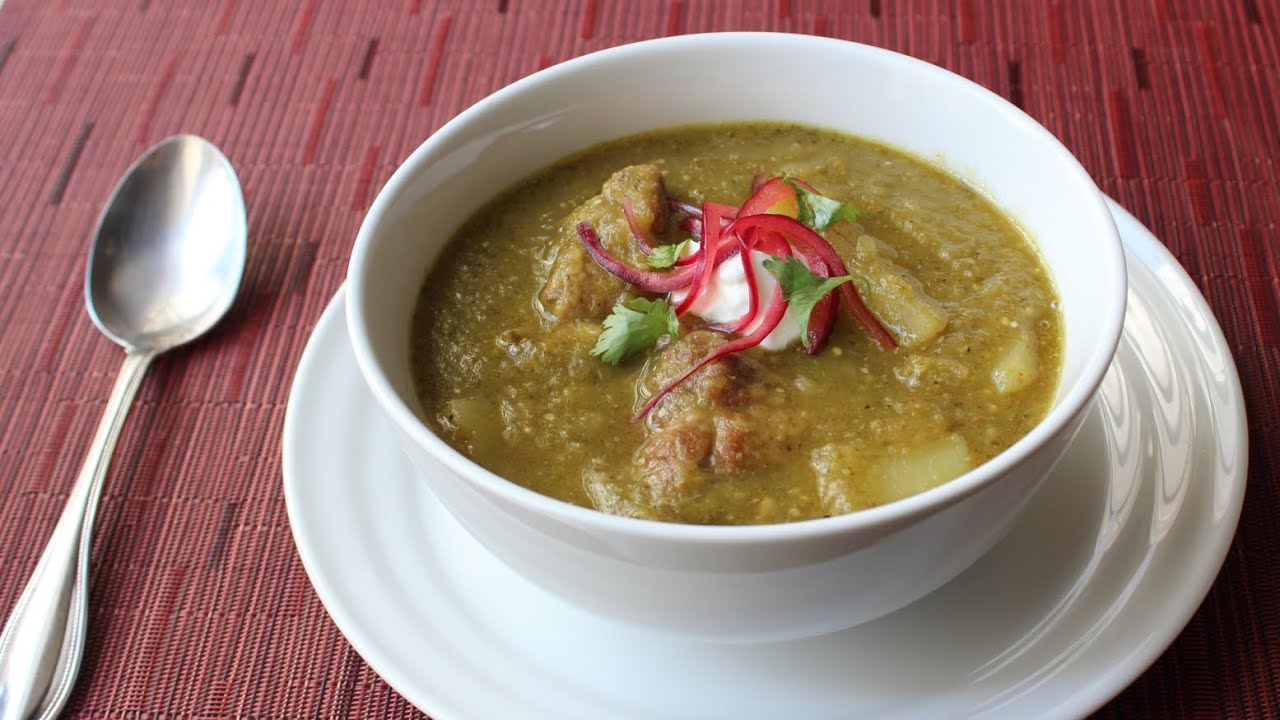
Green Chili Stew Recipe: Green chili stew is one of those comfort foods that can warm you up instantly while leaving your taste buds completely satisfied. Known for its bold flavor, rich aroma, and satisfying texture, it has become a favorite in many households, especially in the Southwestern United States. This dish combines the earthy taste of roasted green chiles with tender chunks of meat, hearty vegetables, and fragrant spices to create a stew that’s both wholesome and delicious.
So, why is green chili stew so popular? The answer lies in its balance of spice and flavor. Unlike some spicy dishes that simply overwhelm your senses, this stew layers flavor upon flavor—starting with smoky roasted green chiles, moving to savory broth, and finishing with a touch of warmth that lingers pleasantly on your palate.
Green chili stew isn’t just about food—it’s about culture, tradition, and gathering people together around the table. Whether you’re enjoying it during cold winter nights, family gatherings, or community events, it’s a recipe that feels like home. If you’re searching for the ultimate comfort food that’s easy to prepare yet deeply satisfying, this step-by-step recipe is exactly what you need.
Ingredients You’ll Need for Green Chili Stew
The best part about this dish is that you don’t need fancy or hard-to-find ingredients. Most items are pantry staples or can be found easily at your local grocery store. The ingredients can also be adjusted depending on whether you want a traditional meat-based stew or a vegetarian version.
Here’s a breakdown of what you’ll need:
Essential Vegetables and Spices
- Fresh or roasted green chiles (Hatch chiles are highly recommended)
- Onions
- Garlic cloves
- Potatoes
- Tomatoes (optional, depending on the style you prefer)
- Cumin
- Oregano
- Salt and black pepper
Protein Choices (Pork, Chicken, or Vegetarian)
- Pork shoulder or pork stew meat (traditional option)
- Chicken thighs or breasts (lighter alternative)
- Plant-based meat substitutes or beans for a vegetarian twist
Pantry Staples for Flavor Enhancement
- Chicken or vegetable broth
- Olive oil or vegetable oil
- Flour or cornstarch (for thickening if needed)
Optional Garnishes and Toppings
- Fresh cilantro
- Lime wedges
- Shredded cheese
- Tortilla strips or warm tortillas on the side
This versatile list makes it easy to customize the stew to your liking. If you’re a spice lover, you can add extra chiles or even mix in jalapeños. If you prefer a milder dish, go for mild green chiles and balance with extra potatoes.
Step-by-Step Guide to Making Green Chili Stew
Cooking green chili stew is all about layering flavors and letting everything simmer into perfection. By following these steps, you’ll get a hearty, flavorful stew every single time.
Step 1 – Preparing the Ingredients
Before you even start cooking, preparation is key. Chop your onions, mince your garlic, peel and dice your potatoes, and cut your protein into bite-sized cubes. Having everything ready makes the cooking process smooth and stress-free.
Step 2 – Roasting and Peeling the Green Chiles
This is what gives the stew its signature smoky flavor. Roast the green chiles over an open flame, under a broiler, or on a hot skillet until the skins are blistered. Once cooled, peel off the skins, remove seeds for less heat (or keep them for extra spice), and chop the chiles into pieces.
Step 3 – Cooking the Meat or Plant-Based Protein
Heat oil in a large pot or Dutch oven, then sear the pork or chicken until browned on all sides. This step locks in flavor and adds a rich base to your stew. If going vegetarian, skip the searing and instead prepare beans or plant-based meat substitutes separately.
Step 4 – Sautéing the Vegetables and Aromatics
In the same pot, add onions and garlic, cooking until softened and fragrant. Toss in your spices—cumin, oregano, and black pepper—allowing them to bloom in the heat. This creates a depth of flavor that forms the heart of your stew.
Step 5 – Combining Ingredients for the Perfect Stew
Now comes the fun part. Add the roasted green chiles, potatoes, broth, and meat back into the pot. Stir everything together and bring it to a gentle boil. Reduce to a simmer and let the flavors meld. This is when your kitchen starts smelling incredible!
Step 6 – Simmering for Maximum Flavor
This is where patience pays off. Green chili stew is not the kind of dish you rush; it’s the kind of stew that loves time. Once everything is combined in the pot, reduce the heat to low and let it simmer gently. The longer it simmers, the richer the flavors become.
A good rule of thumb is at least 45 minutes to an hour for pork or chicken, but if you can go longer—say, two hours—the result will be even better. The meat becomes fork-tender, the potatoes soften just enough to thicken the broth, and the roasted chiles infuse their smoky, spicy notes into every spoonful.
Keep an eye on the pot and stir occasionally to prevent sticking. If the stew looks too thick, add a little more broth or water. If it’s too thin, let it reduce uncovered for a while. Remember, the goal is a hearty, slightly thickened stew that clings to your spoon without feeling too heavy.
Step 7 – Final Seasoning and Taste Adjustment
Now comes the most important step: tasting and balancing. A great stew is all about harmony between spice, salt, and richness. Grab a spoon and taste the broth. If it feels a little flat, a pinch more salt might be all it needs. Too spicy? Add extra potatoes or stir in a dollop of sour cream when serving to mellow it out. Not spicy enough? Drop in some additional roasted chiles or even a dash of hot sauce.
A squeeze of lime juice at the very end can brighten everything up, cutting through the richness of the stew and highlighting the smoky chiles. Fresh cilantro sprinkled on top adds color and freshness. The finishing touches are what turn a good stew into an unforgettable one.
Tips for Making the Perfect Green Chili Stew
Green chili stew might sound simple, but a few smart tricks can take it from ordinary to extraordinary. Here are some tips every home cook should know:
Choosing the Right Green Chiles
The flavor of this stew depends heavily on the chiles you use. Hatch green chiles from New Mexico are the gold standard because of their unique smoky-sweet flavor. If you can’t find them, Anaheim or poblano chiles are great substitutes. For those who love extra heat, add jalapeños or serranos.
How to Adjust Spice Levels
Not everyone at your table will have the same spice tolerance. If you’re cooking for a crowd, keep the stew at a medium spice level, then serve with extra roasted chiles, hot sauce, or chili flakes on the side. This way, everyone can adjust to their own liking.
Making It in Advance for Deeper Flavor
Here’s a secret: green chili stew tastes even better the next day. The flavors continue to deepen overnight, making it a fantastic make-ahead dish. Cook it the day before, store it in the refrigerator, and simply reheat before serving. The result? An even richer, more flavorful bowl of stew.
Serving Suggestions
Green chili stew is hearty enough to be enjoyed on its own, but pairing it with the right sides and drinks makes the experience even more memorable.
What to Serve Alongside Green Chili Stew
- Warm tortillas or cornbread – Perfect for scooping and soaking up every bit of the stew.
- Rice or quinoa – Great if you want to make the meal more filling.
- Fresh salad – A crisp side salad balances the richness of the stew beautifully.
- Tortilla chips – Add a crunchy texture and can even be dipped into the broth.
Best Drinks to Pair with the Stew
A cold beer pairs wonderfully with the smoky, spicy flavors of the stew, especially something crisp like a lager. For non-alcoholic options, consider iced tea or lime agua fresca, both of which refresh the palate.
Storage and Reheating Instructions
One of the best things about green chili stew is how well it stores. You can make a big batch and enjoy it for days—or freeze some for later.
Refrigerating Leftovers Safely
Allow the stew to cool completely before transferring it into airtight containers. Store in the refrigerator for up to 4 days.
Freezing for Long-Term Storage
Green chili stew freezes beautifully. Divide into freezer-safe containers, label with the date, and freeze for up to 3 months. When ready to eat, thaw overnight in the fridge before reheating.
Best Methods for Reheating
Reheat on the stovetop over medium-low heat, stirring occasionally, until hot throughout. If reheating in the microwave, cover with a microwave-safe lid to prevent splatters and stir halfway through for even heating. Add a splash of broth or water if the stew thickens too much after refrigeration.
Nutritional Value of Green Chili Stew
Green chili stew is more than just a flavorful comfort food—it’s also packed with nutrients. Depending on your choice of protein and ingredients, this dish can be a wholesome addition to your diet.
Health Benefits of Green Chiles
Green chiles aren’t just about spice—they’re surprisingly healthy. They are rich in vitamin C, which supports immunity, and capsaicin, the compound responsible for their heat. Capsaicin has been linked to boosting metabolism, reducing inflammation, and even supporting heart health. The natural antioxidants in chiles also help fight free radicals, which contribute to aging and disease.
Calorie and Macronutrient Breakdown
A typical serving of green chili stew (about 1 cup with pork and potatoes) may contain:
- Calories: ~250–350 kcal
- Protein: 20–25 grams (from meat or beans)
- Carbohydrates: 20–30 grams (from potatoes and vegetables)
- Fat: 10–15 grams (from oil and meat)
- Fiber: 4–6 grams (from vegetables and chiles)
The exact nutrition varies based on portion size and ingredient choices. Opting for chicken or a vegetarian version can lower fat content, while extra beans or vegetables can boost fiber. Overall, it’s a satisfying yet balanced meal that fuels your body while keeping you full.
Variations of Green Chili Stew
One of the beauties of this dish is its adaptability. From regional styles to dietary preferences, there’s a version for everyone.
New Mexico-Style Green Chili Stew
This is the most iconic version, featuring Hatch green chiles, pork, potatoes, and a simple broth. It’s known for its smoky flavor and balanced heat, making it a favorite across the Southwest.
Southwestern Green Chili Stew
This version often includes tomatoes, beans, and additional spices like chili powder or paprika. It has a heartier, slightly more complex flavor profile, and it’s a great option if you want a stew that feels closer to traditional chili but with a green twist.
Vegetarian and Vegan Versions
Skip the meat and replace it with hearty ingredients like black beans, chickpeas, or lentils. For a richer flavor, add roasted vegetables such as zucchini, carrots, or sweet potatoes. Vegetable broth works perfectly as a base, and you can still get that smoky kick by roasting the chiles.
Common Mistakes to Avoid When Making Green Chili Stew
Even though green chili stew is relatively simple, there are a few mistakes that can affect the final result.
Overcooking or Undercooking the Chiles
Green chiles are the star of this dish, so handling them properly is crucial. Over-roasting can make them bitter, while under-roasting means you won’t get that signature smoky flavor. Aim for blistered skins but not charred beyond recognition.
Not Balancing Heat and Flavor
It’s easy to go overboard with spicy chiles, but remember: flavor is more important than heat. A stew that’s too fiery can overwhelm the taste buds and mask the other ingredients. Always taste as you go and adjust by adding potatoes or creamier toppings if the spice level gets out of hand.
Rushing the Simmering Process
This stew thrives on slow cooking. If you cut corners and simmer for too little time, the flavors won’t fully develop, and the meat may be tough. Give it the time it deserves, and you’ll be rewarded with tender, flavorful results.
FAQs about Green Chili Stew Recipe
1. Can I use canned green chiles instead of fresh ones?
Yes, canned green chiles work if fresh ones aren’t available, though the flavor won’t be as smoky. If possible, look for fire-roasted canned chiles for the best substitute.
2. What’s the best meat for green chili stew?
Pork shoulder is the traditional choice because it becomes tender and flavorful when simmered. However, chicken thighs or breasts are excellent alternatives, and beans work for vegetarian versions.
3. How spicy is green chili stew supposed to be?
That depends on your preference. Traditional versions range from mild to medium heat. You can adjust by using mild, medium, or hot chiles.
4. Can I make green chili stew in a slow cooker?
Absolutely! After searing the meat and roasting the chiles, transfer everything to a slow cooker and cook on low for 6–8 hours. This method intensifies the flavors beautifully.
5. How do I thicken green chili stew if it’s too thin?
You can mash some of the potatoes directly in the pot to release starch, or stir in a slurry of flour or cornstarch mixed with water.
Conclusion
Green chili stew is more than just a dish—it’s an experience that brings warmth, comfort, and tradition to the table. Whether you make it with tender pork, lean chicken, or a hearty vegetarian base, this stew delivers smoky, spicy, and savory flavors in every spoonful. With just a few simple ingredients and some patience, you can create a dish that feels both rustic and gourmet at the same time.
So, the next time you’re craving something cozy yet bold, try this green chili stew recipe. Pair it with warm tortillas, garnish with cilantro and lime, and let the flavors transport you straight to the heart of the Southwest.