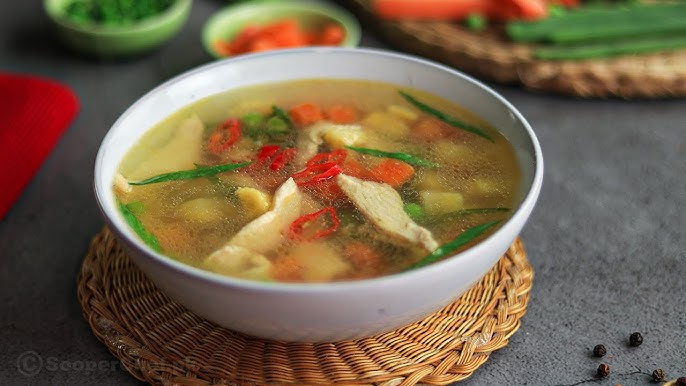
Clear Soup Recipe: Clear soup is a timeless culinary classic that has been enjoyed for centuries across various cultures. It is characterized by its light, transparent broth, gentle flavors, and delicate aroma. Unlike creamy soups or thick stews, clear soup focuses on simplicity and purity. Each spoonful is clean, soothing, and refreshing — perfect for those who want a meal that is both nourishing and easy to digest.
This type of soup can be made from a variety of broths: vegetable, chicken, or bone-based. The beauty of clear soup lies in its adaptability — you can make it entirely plant-based for a vegan option or enhance it with rich chicken stock for extra depth. Whether served as a light appetizer before a hearty main course or as a comfort dish during illness, clear soup holds a special place in both home kitchens and fine-dining restaurants.
Another charm of clear soup is that it serves as the foundation for many famous dishes worldwide. Think of Japanese miso soup, French consommé, or Chinese egg drop soup — all variations rooted in the concept of a clear, flavorful broth. The process may seem simple, but achieving that crystal-clear appearance with a full-bodied taste requires careful technique, patience, and the right choice of ingredients.
What is Clear Soup?
Clear soup, often referred to as consommé in French cuisine, is essentially a flavorful liquid made by simmering meat, fish, or vegetables in water and then straining the solids out. This produces a broth that is translucent and free of any cloudiness. The goal is not only visual appeal but also concentrated taste without heaviness.
The preparation usually involves a slow cooking process where ingredients release their natural flavors into the liquid. The solids are then removed, and the broth is seasoned lightly. The result is a refined yet comforting dish that can be enjoyed on its own or as a base for other recipes.
Unlike pureed soups like cream of mushroom or chowders, clear soup has no thickening agents. This makes it naturally low in calories, easy on the stomach, and suitable for many diets. For people recovering from illness, clear soup is often recommended because it hydrates, provides nutrients, and is gentle on digestion.
Why It’s Loved Worldwide
Clear soup has universal appeal because it transcends cultural boundaries. In Japan, miso and clear dashi-based soups are staples in daily meals. In China, clear broths are often served with wontons or noodles. In France, consommé is considered a gourmet delight, requiring advanced culinary techniques to perfect.
One of the main reasons clear soup is loved globally is its versatility. It can be tailored to suit any taste preference, dietary restriction, or seasonal ingredient availability. In summer, it can be served warm but light, infused with herbs and fresh vegetables. In winter, a richer, bone-based clear soup can provide warmth and nourishment.
Additionally, clear soup offers a sense of home and comfort. For many, it brings back memories of being cared for when sick or enjoying a quiet family dinner. It’s a dish that speaks of warmth, hospitality, and gentle nourishment — qualities that resonate universally.
Health Benefits of Clear Soup
Clear soup isn’t just delicious; it’s also packed with health benefits. Because it’s made primarily from simmered vegetables, meat, or bones, it contains a wealth of vitamins, minerals, and amino acids. Here’s why it’s often recommended as part of a healthy diet:
- Low in Calories – Perfect for weight management without compromising on taste.
- Rich in Nutrients – Depending on ingredients, it can provide vitamins A, C, K, and essential minerals like potassium, calcium, and magnesium.
- Hydrating – Being mostly water, clear soup helps keep the body hydrated, which is essential for overall health.
- Boosts Digestion – Gentle on the stomach, making it suitable for people with digestive issues.
- Supports Immunity – Bone broth versions are known for collagen and amino acids that aid in immune function.
Clear soup can also be a helpful part of detox diets, as it provides nutrients while allowing the digestive system to rest. Athletes and fitness enthusiasts often include it in their meal plans as a recovery food due to its hydrating and replenishing qualities.
Nutritional Profile
The exact nutritional content of clear soup depends on its ingredients, but here’s a general idea per one-cup serving (250 ml) of basic vegetable clear soup:
| Nutrient | Approximate Value |
|---|---|
| Calories | 40–60 kcal |
| Protein | 1–3 g |
| Carbs | 5–8 g |
| Fat | 0–2 g |
| Sodium | 300–500 mg |
| Fiber | 1–2 g |
| Vitamins | A, C, K |
| Minerals | Potassium, Calcium, Magnesium |
This makes it suitable for those on calorie-controlled diets, low-fat diets, or people looking to increase their hydration and nutrient intake without heavy meals.
Ingredients You’ll Need for Clear Soup
When preparing clear soup, quality ingredients are key. Since the broth is the star, each component should be fresh and flavorful.
Main Ingredients:
- Vegetables – Carrots, celery, onions, leeks, and mushrooms are common choices. They provide natural sweetness and depth.
- Broth Base – Vegetable, chicken, or bone broth. Homemade is best, but quality store-bought versions work too.
- Seasonings – Salt, pepper, and fresh herbs like parsley, thyme, or cilantro.
Optional Flavor Enhancers:
- Ginger & Garlic – For an Asian-inspired twist and immune-boosting properties.
- Soy Sauce or Fish Sauce – Adds umami depth.
- Chili Flakes – For a subtle heat.
- Lemon or Lime Juice – For brightness and freshness.
The beauty of clear soup is that it doesn’t require an extensive ingredient list. Even with just a handful of vegetables and seasoning, you can create something comforting and delicious.
Choosing the Right Broth Base
The foundation of any great clear soup lies in its broth. It’s not just the liquid in which vegetables or meat float — it’s the heart and soul of the dish. Choosing the right broth base can drastically change the flavor profile and nutritional benefits of your soup.
When selecting a broth, you should consider the purpose of your soup. Is it a light starter for a fancy dinner? A nourishing meal for someone recovering from illness? Or perhaps a warming comfort dish for a cold evening? Your answer will guide your broth choice.
Vegetable Broth
Vegetable broth is the most versatile and diet-friendly option. Made by simmering a medley of vegetables, herbs, and spices in water, it results in a naturally sweet, aromatic base. Carrots, celery, onions, and garlic are standard inclusions, but you can get creative with leeks, fennel, and mushrooms for added depth.
Not only is vegetable broth vegan and gluten-free, but it’s also light on calories and fat, making it ideal for those on detox diets or looking for a refreshing, clean-tasting soup. Since it’s entirely plant-based, the flavors remain subtle and don’t overpower the delicate profile of clear soup.
Chicken Broth
Chicken broth adds a comforting richness that vegetable broth can’t quite match. Made by simmering chicken bones, meat, and aromatic vegetables, it yields a fuller body and a naturally savory taste. It’s also known for its immune-boosting benefits, especially when made from scratch.
Homemade chicken broth often contains collagen and amino acids that support joint health and digestion. It’s perfect for those chilly winter nights or when you need something hearty yet light enough not to feel heavy.
Bone Broth
Bone broth has surged in popularity thanks to its impressive nutritional profile. Simmering bones (chicken, beef, or fish) for long hours extracts collagen, minerals, and amino acids, resulting in a broth that is both flavorful and nutrient-dense.
Bone broth is often considered medicinal in many cultures — it supports skin elasticity, joint mobility, and gut health. While it has a richer flavor than vegetable broth, it still maintains the clarity and lightness that makes clear soup special.
Step-by-Step Guide to Making Clear Soup
Making clear soup might look simple on the surface, but the secret to getting that crystal-clear appearance and deep flavor is all in the method. Below is a foolproof step-by-step guide.
Step 1 – Preparing the Vegetables
The first step is to wash, peel, and chop your vegetables. Keep the cuts uniform so they cook evenly and release flavors consistently. Avoid chopping too finely, as this can make straining more difficult later.
For a classic flavor base, use carrots, celery, onions, and mushrooms. Adding a small piece of ginger can lend a gentle warmth, while garlic gives a subtle punch. Always start with fresh produce — wilted or old vegetables will result in a dull-tasting broth.
Step 2 – Simmering the Broth
Place your chosen broth base (vegetable, chicken, or bone) in a large pot. Add your vegetables, herbs, and seasoning, then bring it to a gentle boil. Reduce the heat immediately to a low simmer — this is crucial. Vigorous boiling can make the broth cloudy and bitter.
Let the soup simmer uncovered for about 30–45 minutes if using vegetable broth, or 1–2 hours for chicken or bone broth. The slow cooking process allows flavors to develop fully without compromising clarity.
Step 3 – Straining for Clarity
Once the simmering is complete, remove the pot from the heat and let it cool slightly. Use a fine mesh strainer or cheesecloth to filter out the vegetables and any small particles. For an extra-clear broth, strain it twice.
This step transforms your soup from an ordinary broth to a refined, restaurant-quality clear soup.
Step 4 – Seasoning and Serving
After straining, taste the broth and adjust the seasoning. A pinch of salt, a dash of pepper, or a squeeze of lemon juice can brighten the flavors. Serve the soup hot, garnished with freshly chopped parsley or chives for a touch of color.
Tips for a Perfectly Clear Soup
Achieving the perfect clear soup isn’t just about the recipe — it’s about technique. Here are some expert tips to make sure your soup is as transparent and flavorful as possible:
- Avoid Cloudiness – Always simmer gently. Boiling too hard breaks down vegetables and meat, releasing starches and fats that cloud the broth.
- Use Fresh Ingredients – Fresh vegetables and herbs have better flavor and release fewer unwanted particles into the broth.
- Clarify if Necessary – For an ultra-clear consommé, use an egg white clarification method. Whisk egg whites into the cooled broth, heat gently, and allow the egg whites to trap impurities before straining again.
- Season Lightly at First – Too much salt early on can make the soup overly salty as it reduces. Always taste before serving.
Remember, a good clear soup should be light but packed with flavor. It’s not just “flavored water” — it’s a carefully balanced dish that relies on subtlety and finesse.
Enhancing Natural Flavors
Even though clear soup is minimalistic, you can elevate its taste without compromising its clarity. Here are some subtle ways to enhance the flavor naturally:
- Roast Your Vegetables First – Roasting onions, carrots, and celery before simmering adds a caramelized sweetness to the broth.
- Add Whole Spices – Peppercorns, star anise, or cloves can infuse the soup with warmth and complexity without overwhelming the palate.
- Fresh Herbs at the End – Adding parsley, dill, or cilantro just before serving keeps the flavors fresh and vibrant.
- A Touch of Acid – A few drops of lemon juice or rice vinegar can balance flavors and bring brightness to the broth.
These enhancements keep the soup interesting while staying true to its clean and refreshing nature.
Variations of Clear Soup
Clear soup may have a simple concept, but it takes on countless forms across the world. Each culture adds its own twist, incorporating regional ingredients, cooking methods, and serving styles. Here are some popular variations:
Asian-Style Clear Soup
In Asia, clear soups are an everyday staple. Japanese cuisine offers suimono (a light broth seasoned with soy sauce and mirin) and miso soup (though miso makes it cloudy, its base starts clear). Chinese cooking uses clear chicken or pork broths, often with ginger, scallions, and leafy greens like bok choy. Thai clear soups, such as tom yum clear, incorporate lemongrass, galangal, and kaffir lime leaves for a fragrant punch.
European-Style Clear Soup
In Europe, the French consommé reigns supreme, often clarified with egg whites for a crystal-clear presentation. German clear soups might feature semolina dumplings or thin noodles, while Italian brodo forms the base for tortellini soup. These variations focus on subtle, elegant flavors perfect for multi-course meals.
Vegan and Gluten-Free Versions
For those with dietary restrictions, vegan and gluten-free clear soups rely solely on plant-based broths, fresh vegetables, and herbs. Gluten-free noodles, rice, or quinoa can be added for more substance without clouding the broth. Nutritional yeast can give a cheesy depth without dairy, keeping the soup entirely plant-based.
Common Mistakes to Avoid When Making Clear Soup
Even though clear soup looks straightforward, there are common pitfalls that can ruin its clarity or flavor:
- Overcooking Vegetables – Cooking vegetables too long breaks them down into mush, releasing starches that make the broth cloudy.
- Skipping the Straining Step – Even small particles can ruin the soup’s appearance, so fine straining is essential.
- Using Too Many Spices – Clear soup should be subtle; too many spices can overpower its delicate nature.
- Not Controlling the Heat – Vigorous boiling emulsifies fat into the broth, turning it murky.
- Seasoning Too Early – Salt can concentrate during simmering, making the final soup too salty.
By avoiding these mistakes, you ensure a broth that’s both beautiful and flavorful.
Storage and Reheating Tips
Clear soup can be prepared in advance and stored for later enjoyment, but proper handling is key to maintaining flavor and clarity.
Refrigeration Guidelines
Cool the soup quickly after cooking to prevent bacterial growth. Store it in airtight glass or BPA-free plastic containers in the fridge for up to 4 days. If your soup contains meat, remove it before storing to prevent overcooking during reheating.
Freezing for Later Use
Clear soup freezes well, especially when stored in portion-sized containers. Allow the soup to cool, then freeze for up to 3 months. Thaw in the fridge overnight before reheating. Avoid adding delicate herbs before freezing; instead, add them fresh when serving.
When reheating, warm the soup gently over low heat to avoid cloudiness. Never boil frozen soup directly — this can separate flavors and make it taste flat.
Serving Suggestions for Clear Soup
Clear soup is versatile enough to fit any dining occasion. Here are some creative ways to serve it:
As a Starter
Serve small portions in elegant bowls for a refined appetizer before a main course. Garnish with a sprig of parsley or a few thin vegetable slices for visual appeal.
With Bread or Rice
Pairing clear soup with crusty bread, garlic toast, or steamed rice transforms it into a more filling meal. In Asian settings, clear soups are often served alongside rice as part of a balanced spread.
You can also add simple dumplings, glass noodles, or tofu cubes for extra texture and nutrition without compromising clarity.
Nutritional Information (Per Serving)
A basic vegetable clear soup (250 ml serving) generally contains:
| Nutrient | Amount | Health Benefit |
|---|---|---|
| Calories | 40–60 kcal | Supports weight management |
| Protein | 1–3 g | Maintains muscle health |
| Carbs | 5–8 g | Provides quick energy |
| Fat | 0–2 g | Heart-friendly |
| Fiber | 1–2 g | Aids digestion |
| Sodium | 300–500 mg | Regulates fluid balance |
| Vitamins | A, C, K | Boosts immunity and skin health |
| Minerals | Potassium, Calcium, Magnesium | Supports bone and nerve function |
If prepared with bone or chicken broth, protein and collagen content will be higher, making the soup even more nourishing.
FAQs about Clear Soup Recipe
1. Can I make clear soup without oil?
Yes. Simply simmer vegetables or meat in water without sautéing. The result will be lighter but still flavorful.
2. How do I make my broth ultra-clear?
Use the egg white clarification method or double-strain through cheesecloth for the best clarity.
3. Is clear soup good for colds?
Absolutely. Warm clear soup hydrates, soothes the throat, and provides nutrients to aid recovery.
4. Can I add noodles to clear soup?
Yes, but cook them separately to avoid cloudiness, then add them just before serving.
5. How long can I store clear soup?
Up to 4 days in the fridge or 3 months in the freezer if stored properly.
Conclusion
Clear soup is more than just a simple broth — it’s a culinary canvas. From Asian-inspired flavors to classic European consommés, it can be customized to fit any taste, occasion, or dietary need. Its light, soothing nature makes it a go-to comfort dish while offering hydration, nutrients, and warmth in every sip.
Whether you’re serving it as a starter, a light meal, or a healing remedy, mastering the art of clear soup means understanding its simplicity and respecting its elegance. With fresh ingredients, gentle simmering, and careful straining, you can create a bowl of clear soup that’s as beautiful to look at as it is to taste.