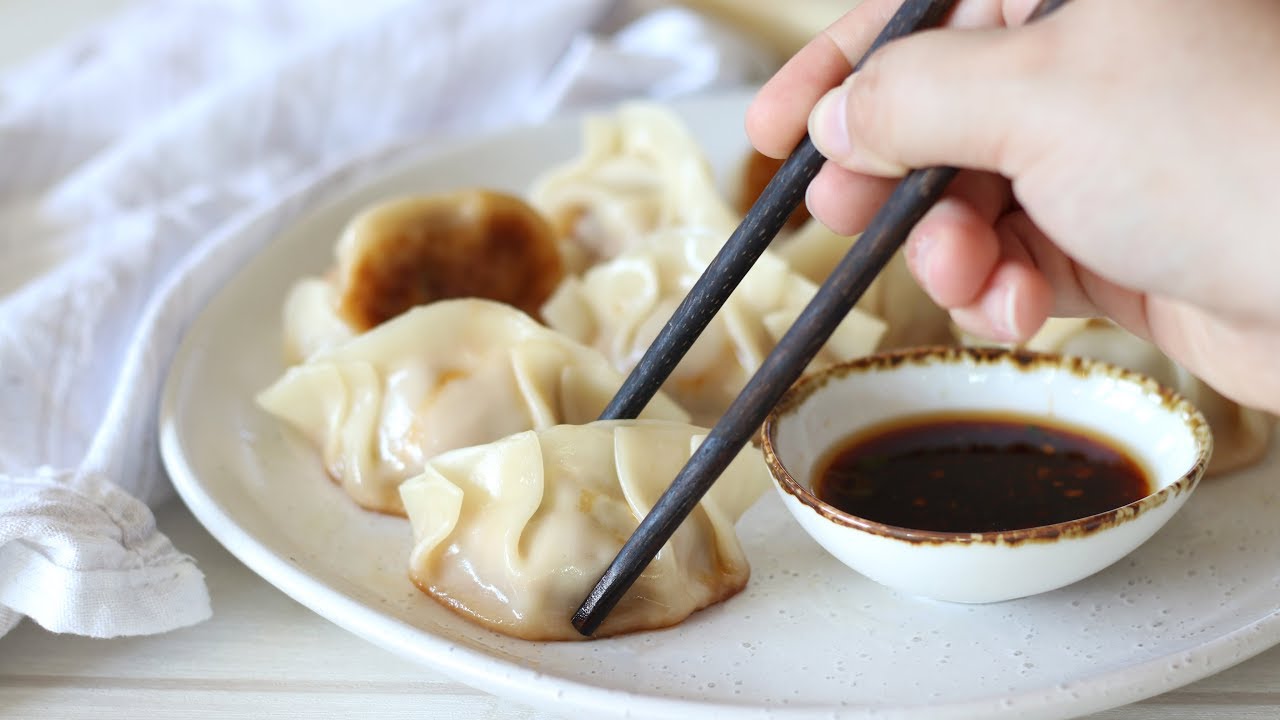
Chinese Dumplings Recipe: Chinese dumplings, known as jiaozi (饺子), are more than just food—they are little pockets of tradition, family, and flavor. With their thin dough wrapper and savory filling, they have been a symbol of prosperity and togetherness for centuries. Dumplings can be enjoyed at any time of the year, but they hold special importance during Chinese New Year when families gather to wrap and eat them as a sign of good fortune.
The magic of dumplings lies in their versatility. You can steam them for a soft, delicate bite, boil them for a comforting meal, or pan-fry them to achieve that irresistible crispy bottom. Whether you fill them with minced pork and cabbage, fragrant mushrooms, or a mix of shrimp and chives, each bite tells a story of rich culinary heritage. This recipe will guide you through every step, ensuring your dumplings turn out delicious and authentic—perfect for beginners and seasoned home cooks alike.
A Brief History of Dumplings
The story of Chinese dumplings dates back more than 1,800 years to the Eastern Han Dynasty. Legend credits Zhang Zhongjing, a famous Chinese physician, with inventing dumplings as a way to help villagers suffering from frostbite. He wrapped minced meat, herbs, and warming spices in small dough parcels, boiled them, and served them to warm both body and spirit.
Over time, dumplings spread across China and adapted to different regions. Northern China prefers thicker wrappers and hearty fillings, while southern varieties tend to be more delicate and often incorporate seafood. Today, dumplings are not only a staple of Chinese cuisine but have also found a home in kitchens around the world. From potstickers in the West to dim sum varieties in Cantonese cuisine, the humble dumpling has proven it can cross cultures while keeping its soul intact.
Why Dumplings Are Loved Worldwide
What makes dumplings so universally adored? Part of it is their adaptability—dumplings can be filled with virtually anything. Meat lovers can opt for pork, beef, chicken, or lamb; vegetarians can go for tofu, mushrooms, or greens. They’re budget-friendly, easy to make in large batches, and perfect for freezing.
Dumplings are also incredibly social food. Making them is a communal activity—families gather around the table to wrap dumplings while chatting and laughing. They bring people together, whether it’s a festive celebration, a weekend dinner, or a late-night snack session. Plus, they work as appetizers, main courses, or even as part of a buffet. Their small, bite-sized nature makes them easy to enjoy and hard to stop eating.
Ingredients You’ll Need
For the Dumpling Dough
- 2 ½ cups all-purpose flour
- ¾ cup warm water (plus a little extra if needed)
- ½ tsp salt
This simple combination creates a smooth, elastic dough that’s easy to roll out. Warm water helps make the dough softer, perfect for dumplings that need to be pleated without tearing.
For the Filling
Meat Filling Option:
- 300g (about 10 oz) ground pork or chicken
- 1 cup finely chopped napa cabbage
- 2 green onions, minced
- 1 tbsp soy sauce
- 1 tbsp oyster sauce
- 1 tsp sesame oil
- 1 tbsp minced ginger
- ½ tsp salt
- ¼ tsp white pepper
Vegetarian Filling Option:
- 1 cup finely chopped shiitake mushrooms
- 1 cup chopped spinach or bok choy
- ½ cup firm tofu, crumbled
- 1 tbsp soy sauce
- 1 tsp sesame oil
- ½ tsp minced garlic
- ½ tsp grated ginger
For the Dipping Sauce
- 2 tbsp soy sauce
- 1 tbsp rice vinegar
- 1 tsp sesame oil
- ½ tsp chili flakes (optional)
- ½ tsp sugar
How to Make Chinese Dumplings – Step by Step Guide
Step 1 – Prepare the Dough
- Mix the dry ingredients: In a large mixing bowl, combine the flour and salt.
- Add the warm water: Gradually pour in the water while stirring with chopsticks or a fork.
- Knead the dough: Once the mixture comes together, transfer it to a lightly floured surface. Knead for about 8–10 minutes until the dough is smooth and elastic.
- Rest the dough: Place it back into the bowl, cover it with a damp cloth, and let it rest for 30–45 minutes. This resting period relaxes the gluten, making it easier to roll out thin wrappers without springing back.
A good dumpling dough should feel soft but not sticky. If it’s too dry, add a teaspoon of water at a time. If too wet, sprinkle in a bit more flour. Patience here pays off—the dough is the foundation of your dumplings.
Step 2 – Make the Filling
The filling is the heart of your dumpling—it’s where all the flavor lives. Whether you choose meat or vegetarian, the key is balance: a little savory, a touch of umami, and just enough aromatics to make each bite irresistible.
For Meat Fillings:
- Prepare the vegetables – If using napa cabbage, chop it finely and sprinkle with a pinch of salt. Let it sit for 10 minutes, then squeeze out the excess moisture to avoid soggy dumplings.
- Mix the meat – In a large bowl, combine the ground pork or chicken with soy sauce, oyster sauce, sesame oil, ginger, and white pepper.
- Incorporate veggies – Add the chopped cabbage and green onions to the meat mixture. Stir well until everything is evenly combined.
- Test seasoning – Fry a small spoonful of filling in a pan and taste it. Adjust seasoning as needed before wrapping.
For Vegetarian Fillings:
- Prepare the mushrooms – Sauté shiitake mushrooms in a bit of oil until fragrant. This enhances their flavor and prevents excess moisture.
- Combine ingredients – In a mixing bowl, add mushrooms, chopped greens, tofu, soy sauce, sesame oil, garlic, and ginger.
- Season well – A vegetarian filling needs bold seasoning, so taste and adjust saltiness or add a splash of soy sauce if needed.
Pro Tip: Keep the filling slightly sticky by stirring it vigorously in one direction—this helps it bind together and stay juicy inside the dumpling.
Step 3 – Assemble the Dumplings
Here’s where the fun begins. If you’ve never wrapped dumplings before, don’t worry—practice makes perfect, and even imperfect dumplings taste amazing.
- Divide the dough – After resting, cut the dough into two logs. Roll each log into a long rope about 1 inch thick. Cut into ¾-inch pieces.
- Roll out the wrappers – Flatten each piece slightly with your palm, then roll into thin circles about 3 inches in diameter. Rotate the dough as you roll to keep it even.
- Add the filling – Place 1 teaspoon of filling in the center of the wrapper. Avoid overstuffing—it will make sealing difficult.
- Seal the dumpling – Fold the wrapper in half over the filling, pinching the center. Pleat one side toward the center and press to seal. Continue until fully closed.
- Dust with flour – Lightly dust assembled dumplings with flour to prevent sticking.
Pro Tip: Keep the wrappers and filled dumplings covered with a damp cloth to prevent them from drying out while you work.
Step 4 – Cooking Methods
Boiling
- Bring a large pot of water to a rolling boil.
- Gently drop dumplings into the pot, stirring to prevent sticking.
- When they float to the surface, add ½ cup cold water and let them boil again. Repeat this step twice.
- Remove with a slotted spoon and serve hot.
Steaming
- Line a bamboo steamer with parchment paper or cabbage leaves.
- Arrange dumplings in the steamer, leaving space between them.
- Steam over boiling water for 10–12 minutes until the wrappers turn translucent.
Pan-Frying (Potstickers)
- Heat 1 tbsp oil in a non-stick skillet over medium heat.
- Arrange dumplings in a single layer and fry until bottoms are golden.
- Add ¼ cup water, cover immediately, and steam for 4–5 minutes.
- Uncover and let the water evaporate, crisping the bottoms again.
Expert Tips for Perfect Dumplings
- Use fresh ingredients for maximum flavor.
- Keep the dough slightly elastic but not sticky for easier shaping.
- Always test your filling seasoning before wrapping all your dumplings.
- If you’re making a big batch, freeze uncooked dumplings on a tray before transferring them to a bag—this keeps them from sticking together.
How to Store and Freeze Dumplings
One of the best things about dumplings is that they’re perfect for meal prepping. You can make a large batch in advance, freeze them, and cook them straight from the freezer whenever you’re craving a quick, comforting meal.
To Store in the Refrigerator:
- Place any uncooked dumplings you plan to cook within 24 hours on a lightly floured tray.
- Cover them loosely with plastic wrap or a damp cloth to prevent the wrappers from drying out.
- Cook them the next day to avoid the dough becoming soggy from the filling’s moisture.
To Freeze Dumplings:
- Arrange the uncooked dumplings on a baking sheet lined with parchment paper. Make sure they don’t touch each other to prevent sticking.
- Place the tray in the freezer for 1–2 hours until the dumplings are completely frozen.
- Transfer the frozen dumplings into a zip-top freezer bag or airtight container. Label with the date for freshness.
Cooking from Frozen:
- Boil: Drop frozen dumplings straight into boiling water—just add 2–3 extra minutes of cooking time.
- Steam: Steam for 2–3 minutes longer than fresh dumplings.
- Pan-Fry: Fry the bottoms as usual, add water, and steam for a slightly longer time.
Pro Tip: Avoid thawing frozen dumplings before cooking—they can become soggy and lose their shape.
Variations of Chinese Dumplings
Chinese dumplings are incredibly diverse, with different regions putting their own twist on flavors, shapes, and cooking methods. Here are a few popular variations:
1. Northern-Style Dumplings (Beijing & Shandong)
- Thick wrappers for a more satisfying bite.
- Hearty fillings like pork and napa cabbage or beef with celery.
- Often boiled and served with vinegar-based dipping sauces.
2. Cantonese Dim Sum Dumplings
- Delicate wrappers made from wheat starch or rice flour.
- Commonly filled with shrimp, scallops, or mushrooms.
- Usually steamed and served in bamboo baskets.
3. Sichuan Spicy Dumplings (Chao Shou)
- Served in a fiery chili oil sauce with Sichuan peppercorns.
- Often filled with pork and scallions.
- A favorite for those who love bold, numbing flavors.
4. Shanghai Soup Dumplings (Xiaolongbao)
- A unique dumpling with broth inside, achieved by adding gelatinized stock to the filling.
- Steamed and eaten carefully to avoid losing the precious soup inside.
5. Vegetarian Dumplings
- Filled with mushrooms, carrots, spinach, and tofu.
- Light but flavorful, often served with soy-vinegar dipping sauce.
Pro Tip: The beauty of dumplings is that you can mix and match fillings and cooking methods to suit your mood and taste.
Nutritional Value of Dumplings
The nutrition in dumplings can vary widely depending on the filling, wrapper thickness, and cooking method. Here’s a general breakdown for a standard pork and cabbage boiled dumpling (about 20g each):
| Nutrient | Amount per Dumpling |
|---|---|
| Calories | 40–50 kcal |
| Protein | 2–3 g |
| Fat | 1–2 g |
| Carbohydrates | 5–6 g |
| Fiber | 0.5–1 g |
Health Considerations:
- Boiled dumplings tend to be lighter since they aren’t cooked in oil.
- Pan-fried dumplings are crispier but higher in fat.
- Vegetarian dumplings can be lower in calories but may require stronger seasoning for taste.
Balanced Eating Tip: Pair dumplings with a fresh vegetable stir-fry or soup to create a complete meal without going overboard on carbs.
Serving Suggestions
Chinese dumplings are wonderfully versatile and can be served in many ways, depending on the occasion and your mood. Here are some serving ideas to elevate your dumpling experience:
1. With Dipping Sauces
The classic pairing is soy sauce mixed with rice vinegar, but you can experiment:
- Soy sauce + sesame oil + minced garlic for a nutty aroma.
- Black vinegar + ginger slivers for a sharp, refreshing taste.
- Chili oil + crushed peanuts for a spicy, crunchy kick.
2. As Part of a Meal
- Serve dumplings alongside hot and sour soup, wonton soup, or miso soup.
- Pair with a fresh cucumber salad to balance the richness of the filling.
- Add them to a noodle bowl for a hearty, satisfying dish.
3. For Special Occasions
- At Chinese New Year, arrange dumplings in a circle for good luck.
- For parties, serve a mix of steamed, boiled, and fried dumplings so guests can enjoy different textures.
Pro Tip: Warm your dipping sauce slightly to enhance the aroma and flavor—it makes the dumpling experience even more inviting.
Common Mistakes to Avoid
Even seasoned cooks can run into dumpling mishaps. Avoid these pitfalls for perfect results every time:
- Overfilling the Dumplings – Too much filling makes sealing difficult and increases the risk of leaks during cooking.
- Using Dry Wrappers – Always keep wrappers covered with a damp cloth to prevent cracking.
- Skipping the Dough Resting Step – Resting is essential for elasticity; otherwise, the wrappers will shrink back when rolled.
- Cooking on Too High Heat – This can burn the bottoms before the insides are cooked through.
- Not Removing Excess Moisture from Vegetables – Too much water in the filling will make dumplings soggy and prone to bursting.
FAQs about Chinese Dumplings Recipe
1. Can I use store-bought wrappers for this recipe?
Yes! While homemade dough is more authentic, store-bought wrappers are a great time-saver. Just keep them covered so they don’t dry out.
2. What’s the best meat for dumpling filling?
Pork is traditional for its balance of flavor and fat, but chicken, beef, or lamb also work well.
3. How do I keep dumplings from sticking together when freezing?
Freeze them on a tray first before transferring to a bag. This prevents them from clumping together.
4. Can I make dumplings gluten-free?
Yes, by using a gluten-free flour blend for the dough or rice paper wrappers as an alternative.
5. How long do dumplings last in the freezer?
They can be stored for up to 3 months without losing much flavor or texture.
Conclusion
Making Chinese dumplings at home might seem like a big task, but once you try it, you’ll see it’s more about patience and rhythm than complexity. From mixing the dough to sealing each little pocket of flavor, the process is as rewarding as the final bite. Whether you boil, steam, or pan-fry them, these dumplings will bring the warmth of homemade cooking to your table. And the best part? You can customize them endlessly to suit your tastes. So roll up your sleeves, gather your favorite fillings, and enjoy the comforting, delicious tradition of Chinese dumplings.