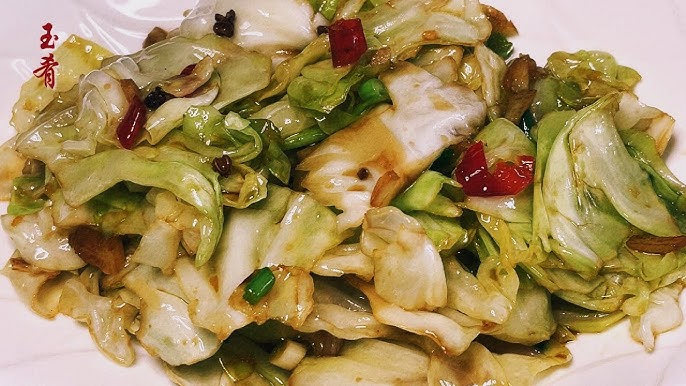
Chinese Cabbage Recipe: Chinese cabbage, also known as Napa cabbage, is a versatile leafy vegetable loved across Asian cuisines. Its pale green leaves, tender stalks, and mild flavor make it a fantastic base for stir-fries, soups, dumpling fillings, and even salads. Whether you’re aiming for a quick 10-minute side dish or a flavor-packed main course, Chinese cabbage adapts beautifully to your cooking style.
One of the reasons it’s so popular in home kitchens is its ability to absorb sauces and spices like a sponge. Imagine a stir-fry where the cabbage leaves soak up savory soy sauce, garlic aroma, and the slight heat of chili oil—pure comfort in every bite.
Cooking Chinese cabbage is also beginner-friendly. Even if you’ve never cooked with Asian vegetables before, you’ll find the process straightforward. Once you know how to clean, chop, and season it, you’ll be making delicious dishes in no time.
What Makes Chinese Cabbage Special?
Chinese cabbage stands out because of its delicate sweetness and crunchy yet tender texture. Unlike regular green cabbage, it has softer leaves and a more subtle taste, which means it blends effortlessly with meats, tofu, mushrooms, and seafood.
It’s also incredibly forgiving in the kitchen. You can overcook it slightly without it turning mushy, and you can serve it raw in salads without overpowering the other ingredients. That’s a rare balance in vegetables.
Culturally, Chinese cabbage holds a special place in Lunar New Year feasts, hot pot dinners, and traditional stir-fries. It’s a vegetable that connects generations, from grandmothers making hearty soups to street food vendors tossing it in sizzling woks.
Popular Dishes Using Chinese Cabbage
If you’ve ever eaten Asian food, chances are you’ve tasted Chinese cabbage without realizing it. Here are a few classic dishes where it shines:
- Chinese Cabbage Stir-Fry with Garlic – A quick, healthy side dish.
- Kimchi – The Korean fermented delicacy uses Napa cabbage as its main ingredient.
- Hot Pot Additions – Softens beautifully in simmering broth.
- Dumpling Filling – Adds moisture and sweetness to pork or chicken dumplings.
- Soups and Stews – Pairs well with miso, chicken, and beef broths.
These recipes work because Chinese cabbage plays well with both bold spices and mild seasonings, making it an ingredient worth keeping in your kitchen year-round.
Health Benefits of Chinese Cabbage
Nutritional Value
Chinese cabbage isn’t just tasty—it’s packed with vitamins, minerals, and antioxidants. A single cup (about 70g) provides:
- Vitamin C – Boosts immunity and skin health.
- Vitamin K – Essential for bone strength.
- Folate – Important for cell growth and repair.
- Fiber – Supports digestion and gut health.
- Potassium – Helps maintain healthy blood pressure.
At only 20 calories per cup, it’s a dieter’s dream. This makes it an excellent choice for anyone looking to eat more while consuming fewer calories.
How It Supports a Balanced Diet
Chinese cabbage is a low-carb, high-fiber vegetable, making it ideal for keto, paleo, vegan, and vegetarian diets. Its mild flavor means you can use it as a base for hearty meals without relying on heavy sauces or oils.
It’s also hydrating, thanks to its high water content. Eating it regularly can help keep you feeling full and refreshed. Plus, because it’s so light, you can enjoy generous portions without guilt—perfect for those who want to maintain or lose weight.
Ingredients You’ll Need
Fresh Vegetables and Herbs
For a classic Chinese cabbage stir-fry, you’ll need:
- 1 medium Chinese cabbage (Napa cabbage) – Fresh, crisp leaves.
- 3 cloves garlic – Minced for bold aroma.
- 1 small carrot – Julienned for color and crunch.
- 2 stalks green onions – Sliced thin for garnish.
Spices and Seasonings
- 2 tablespoons soy sauce – Adds depth and umami.
- 1 tablespoon oyster sauce – Optional but enhances flavor.
- 1 teaspoon sesame oil – For nutty fragrance.
- ½ teaspoon white pepper – Gentle spice kick.
- Salt – Adjust to taste.
Optional Add-ons for Extra Flavor
- Chili flakes or fresh red chili – For heat lovers.
- Mushrooms – Shiitake or button mushrooms add umami.
- Tofu or chicken strips – Turns it into a main dish.
Kitchen Tools and Preparation Tips
Must-Have Cooking Equipment
- Wok or large skillet – Best for even heat distribution.
- Sharp knife – For precise chopping.
- Cutting board – Dedicated for vegetables.
- Spatula or wooden spoon – For stir-frying.
How to Prepare Chinese Cabbage Properly
Before cooking, always wash Chinese cabbage thoroughly. Dirt and grit can hide between the leaves. Here’s how:
- Separate the leaves and rinse under cold running water.
- Soak in a large bowl of water for 5 minutes to remove stubborn dirt.
- Pat dry with a clean kitchen towel before cutting.
For stir-frying, cut into bite-sized pieces—thicker stems go in first, then leafy parts later to avoid overcooking.
Step-by-Step Cooking Guide
Step 1 – Washing and Cutting the Cabbage
Start by trimming the base of the cabbage to separate the leaves. Rinse thoroughly and dry. Chop stems into small strips and leaves into larger pieces. This ensures even cooking since stems need more time in the pan than leaves.
Step 2 – Stir-Frying for Crispness
The secret to perfect Chinese cabbage stir-fry is high heat and quick cooking. This method locks in the crunch and keeps the vibrant color.
- Heat the wok over medium-high heat until it’s almost smoking.
- Add 1–2 tablespoons of cooking oil (peanut or vegetable oil works best for high heat).
- Toss in the minced garlic and stir quickly for about 10–15 seconds until fragrant. Avoid burning the garlic—it should smell aromatic, not bitter.
- Add the cabbage stems first and stir-fry for 2–3 minutes. These take longer to soften.
- Next, add the leafy parts and continue tossing for 1–2 minutes until slightly wilted but still vibrant.
The high-heat stir-fry method gives you that restaurant-style crunch and locks in the natural sweetness of the cabbage.
Step 3 – Adding Flavors and Seasonings
Once your cabbage is almost cooked, it’s time for the flavor magic:
- Drizzle in soy sauce and oyster sauce for deep umami flavor.
- Sprinkle white pepper for a gentle heat kick.
- If you like spice, add chili flakes or fresh sliced chili now.
- Stir everything together for 30–40 seconds to let the seasonings coat each piece.
Finish with a few drops of sesame oil just before serving to enhance aroma. Sesame oil should never be added too early—heat can destroy its delicate flavor.
Serving Suggestions for Chinese Cabbage Dishes
Pairing with Main Courses
Chinese cabbage stir-fry works beautifully as a side dish with:
- Steamed jasmine rice
- Fried rice
- Stir-fried noodles
- Grilled fish or chicken
You can also turn it into a main meal by adding proteins like shrimp, beef strips, tofu, or mushrooms directly into the wok.
Incorporating into Meal Prep
If you love batch cooking, Chinese cabbage holds up surprisingly well. Store cooled stir-fry in an airtight container for up to 3 days in the fridge. Reheat quickly in a hot pan to restore texture.
For freezer storage, blanch the cabbage for 1–2 minutes, drain, and store in zip bags. This helps retain color and crunch for future cooking.
Tips for Perfect Chinese Cabbage Every Time
Avoid Overcrowding the Pan
If you add too much cabbage at once, it will steam instead of fry, resulting in soggy leaves. Cook in batches if needed.
Don’t Skip the High Heat
A hot wok gives that slight char and smoky aroma known as “wok hei” in Chinese cooking—something you can’t get from slow cooking.
Season in Layers
Adding soy sauce too early can draw out water and make the dish watery. Always add sauces toward the end for the best taste and texture.
Variations of Chinese Cabbage Recipes
Garlic & Oyster Sauce Chinese Cabbage
This variation is one of the most common ways to enjoy Napa cabbage in Chinese households. The garlic brings warmth, while the oyster sauce creates a savory depth that keeps you going back for seconds.
How to make it:
- Prepare cabbage as before—separate stems and leaves.
- Stir-fry garlic in hot oil until fragrant.
- Add stems, cook for 2–3 minutes, then toss in the leaves.
- Add 2 tablespoons oyster sauce and ½ cup water or broth.
- Stir and cook until tender but still slightly crisp.
Serve hot with steamed rice or noodles.
Spicy Sichuan-Style Chinese Cabbage
If you’re a fan of bold flavors, this spicy twist will make your taste buds dance. Using chili oil and Sichuan peppercorns, it delivers heat with a tingling sensation unique to Sichuan cuisine.
How to make it:
- Heat oil, then toss in dried red chilies and Sichuan peppercorns.
- Add minced garlic and ginger.
- Stir-fry cabbage stems, then leaves.
- Season with soy sauce, vinegar, and a splash of chili oil.
This pairs perfectly with steamed buns or dumplings for a complete meal.
Common Mistakes to Avoid When Cooking Chinese Cabbage
Overcooking the Leaves
Chinese cabbage leaves cook in seconds, so if you leave them on high heat too long, they’ll turn limp and lose their sweetness.
Solution: Always add leaves at the very end of cooking and toss quickly before serving.
Not Drying the Cabbage Properly
Excess water from washing can cause your stir-fry to become watery.
Solution: Use a salad spinner or pat the leaves dry with a clean towel before chopping.
Adding Salt Too Early
Salt draws moisture out of vegetables, which can make them soggy.
Solution: Season with salt at the final stage of cooking.
Why Chinese Cabbage is a Staple in Asian Kitchens
Chinese cabbage is more than just a vegetable—it’s a versatile base ingredient that supports countless dishes. In many Asian households, it’s bought in bulk and used in soups, dumplings, hot pots, and quick stir-fries. Its ability to absorb flavors without overpowering them makes it an essential pantry staple.
It’s also budget-friendly. One large Napa cabbage can stretch into multiple meals, making it a cost-effective choice for families.
Final Step-by-Step Recap of the Recipe
- Wash and prepare the cabbage—separate stems from leaves.
- Heat oil in a wok over high heat.
- Add garlic and optional aromatics like ginger or chili.
- Cook stems first, then add leaves.
- Add sauces and seasonings at the end.
- Serve hot with rice, noodles, or protein.
FAQs about Chinese Cabbage Recipe
1. Can I eat Chinese cabbage raw?
Yes! It’s delicious in salads and slaws when dressed with light vinaigrettes.
2. How do I store leftover Chinese cabbage stir-fry?
Refrigerate in an airtight container for up to 3 days. Reheat quickly in a hot pan.
3. Can I freeze fresh Chinese cabbage?
Yes, blanch for 1–2 minutes before freezing to preserve texture and color.
4. What’s the difference between Chinese cabbage and regular cabbage?
Chinese cabbage has softer leaves, a milder flavor, and a longer shape compared to round, firm green cabbage.
5. Is Chinese cabbage keto-friendly?
Absolutely—it’s low in carbs and high in fiber, making it perfect for keto diets.
Conclusion
Cooking Chinese cabbage is simple, quick, and incredibly rewarding. Whether you prefer it mild with garlic and soy sauce or bold with spicy Sichuan seasoning, it’s a dish that fits into any meal plan. The key lies in quick cooking, proper seasoning, and not overcrowding the pan.
Once you master the basics, you’ll find yourself experimenting with new variations—adding different proteins, trying regional seasonings, or even serving it raw in salads.
So the next time you see Napa cabbage at the market, grab one and bring home the comfort, freshness, and flavor of this Asian classic.