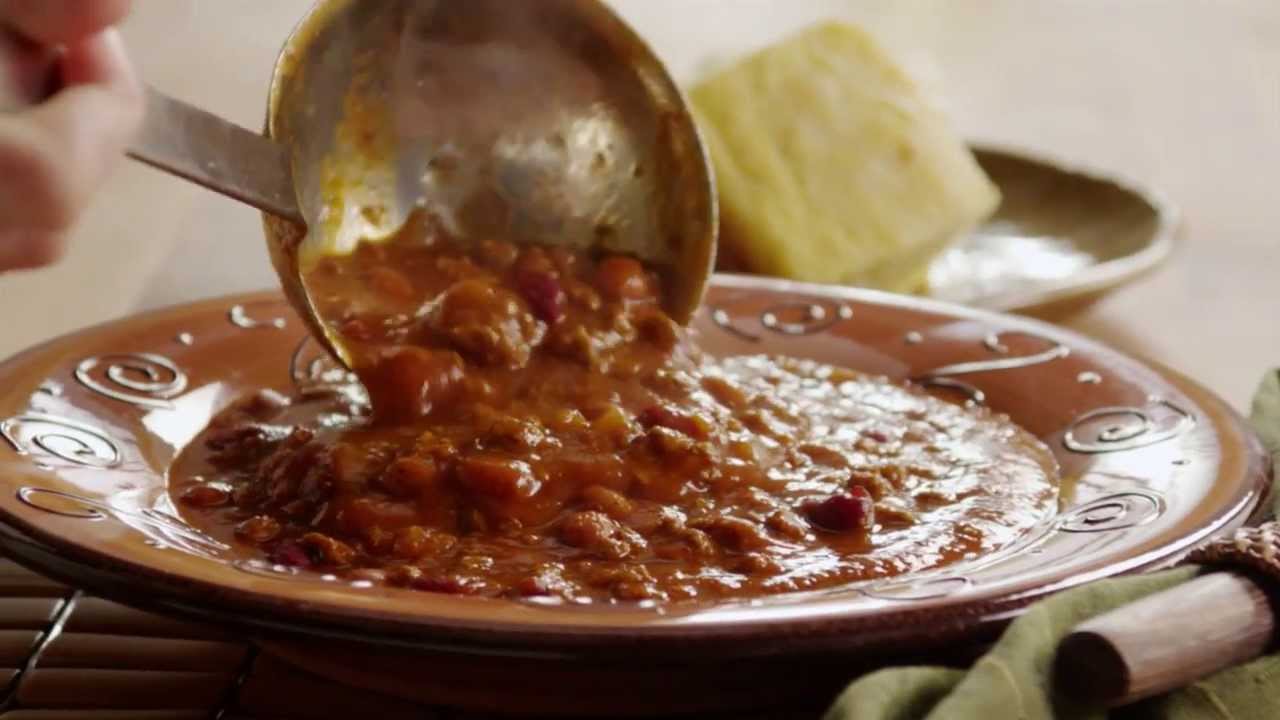
Chili Bean Recipe: When it comes to comfort food that warms the soul, few dishes can compete with a steaming bowl of chili beans. It’s hearty, flavorful, and deeply satisfying — the kind of meal you crave on a cold evening, at a family gathering, or even during a game-day party.
The beauty of chili beans lies in their versatility. You can make them spicy, smoky, sweet, or mild, depending on your personal taste.
This recipe I’m about to share isn’t just another chili bean recipe — it’s a tried-and-tested kitchen favorite designed to help you create the perfect balance of flavors.
Why Chili Beans Are a Comfort Food Classic
Chili beans have been part of home cooking for generations. Whether you grew up with the Southern-style version, a Tex-Mex variation, or even a vegetarian twist, you’ve probably experienced the heartwarming comfort of this dish. The combination of tender beans, rich tomato base, and savory spices creates a meal that feels like a hug in a bowl. And let’s not forget the practical side: chili beans are budget-friendly, nutritious, and can be made in large batches — perfect for meal prep or feeding a crowd.
The Versatility of Chili in Different Cuisines
While many people think of chili as an American or Mexican dish, variations of bean-based stews can be found all over the world. In South America, you might find chili with corn and sweet potatoes. In the Caribbean, kidney beans meet coconut milk for a rich twist. Even in parts of Europe, hearty bean stews are spiced up with paprika and smoked meats. The recipe we’ll explore today borrows from traditional chili-making techniques but leaves plenty of room for you to add your own cultural flair.
How This Recipe Stands Out from the Rest
What makes this recipe unique is the layering of flavors. Instead of tossing everything into the pot at once, we build the flavor gradually — starting with aromatics, then browning the meat, toasting the spices, and finally slow-simmering to create a deep, rich taste. This method ensures every bite is balanced, robust, and bursting with flavor. It’s not just about cooking beans in tomato sauce; it’s about crafting a chili that tells a story with every spoonful.
Ingredients You’ll Need
Before we jump into the cooking process, let’s get our shopping list sorted. While you can tweak the ingredients to suit your taste, this combination creates a well-rounded chili with depth, texture, and just the right kick.
Core Ingredients for a Rich Chili Base
- 2 tablespoons olive oil – for sautéing vegetables and meat.
- 1 large onion, diced – adds sweetness and depth.
- 3 cloves garlic, minced – the foundation of flavor.
- 1 green bell pepper, diced – adds a fresh, slightly bitter note.
- 1–2 fresh chili peppers, minced – adjust for heat preference.
- 500g (1 lb) ground beef or turkey – for protein and richness.
- 2 cans (15 oz each) kidney beans, drained and rinsed – hearty and filling.
- 1 can (15 oz) black beans, drained and rinsed – adds variety in texture.
- 2 cans (15 oz each) diced tomatoes – forms the main sauce base.
- 2 tablespoons tomato paste – intensifies the tomato flavor.
- 2 cups beef or vegetable broth – for simmering and depth.
Spices and Seasonings
- 2 teaspoons ground cumin
- 1 tablespoon chili powder
- 1 teaspoon smoked paprika
- 1 teaspoon dried oregano
- ½ teaspoon cayenne pepper (optional, for extra heat)
- Salt and black pepper – to taste.
Optional Add-Ins for Extra Flavor
- Sweet corn kernels – for a pop of sweetness.
- Diced carrots or zucchini – to add more veggies.
- A splash of red wine – for richness.
- Dark chocolate (small piece) – enhances the depth of the sauce.
Ingredient Substitutions for Dietary Needs
- Vegetarian & Vegan-Friendly Swaps:
Replace the meat with additional beans, lentils, or plant-based ground meat. Use vegetable broth instead of beef broth. - Low-Sodium & Healthier Options:
Choose low-sodium canned beans and tomatoes. Use lean ground turkey or chicken for a lighter version.
Preparing Your Ingredients
Preparation is the secret to a smooth cooking process. Getting everything ready before you start ensures you won’t be scrambling to chop onions while your garlic is burning in the pan.
Chopping Vegetables the Right Way
The size of your vegetable pieces matters. For onions and bell peppers, aim for a medium dice so they soften without disappearing into the sauce. Mince garlic finely to evenly distribute its flavor. If you’re adding carrots or zucchini, cut them into small cubes so they cook through without overpowering the texture.
Prepping Beans – Canned vs. Fresh
If you’re using canned beans, drain and rinse them under cold water to remove excess sodium and improve texture. For fresh beans, you’ll need to soak them overnight and boil them until tender before adding them to the chili. While fresh beans can taste more “homemade,” canned beans save a lot of time and are perfectly fine for this recipe.
Pre-Cooking Meat for Maximum Flavor
Browning your meat before adding it to the chili is crucial. This step develops complex flavors through the Maillard reaction — that delicious browning you get when meat hits a hot pan. Don’t rush this step; let the meat develop a crust before stirring.
Step-by-Step Guide to Cooking Chili Beans
Now that our ingredients are ready, it’s time to transform them into a delicious pot of chili beans.
Step 1 – Sautéing Aromatics
Heat olive oil in a large pot over medium heat. Add diced onions and bell peppers, cooking until softened, about 5 minutes. Then add garlic and chili peppers, sautéing for another 1–2 minutes until fragrant. This step releases the essential oils from the aromatics, creating a flavorful base.
Step 2 – Browning the Meat
Push the vegetables to the side of the pot and add the ground beef or turkey. Cook until browned all over, breaking it up with a wooden spoon. This should take about 7–10 minutes. Season lightly with salt and pepper at this stage.
Step 3 – Adding Spices & Seasonings
Sprinkle cumin, chili powder, smoked paprika, oregano, and cayenne over the meat and vegetables. Stir well, allowing the spices to toast for about 1 minute. This “blooming” step intensifies their flavor and helps them infuse into the dish.
Serving Suggestions
Chili beans are incredibly versatile when it comes to serving. You can enjoy them in a simple bowl topped with shredded cheese, sour cream, and fresh cilantro — or get creative.
Best Side Dishes to Pair with Chili Beans
- Crusty bread or garlic toast – perfect for soaking up the sauce.
- Steamed rice or quinoa – makes it a complete meal.
- Cornbread – a Southern classic that pairs beautifully with chili.
Garnishes for an Extra Flavor Kick
- Fresh cilantro or parsley
- Shredded cheddar or Monterey Jack cheese
- Avocado slices
- Pickled jalapeños
- A squeeze of lime juice for brightness.
Serving Chili for Different Occasions
For casual dinners, serve chili straight from the pot at the table. For parties, keep it warm in a slow cooker and let guests build their own bowls with a toppings bar. For meal prep, portion into airtight containers for easy grab-and-heat lunches.
Storing and Reheating Chili Beans
Chili beans aren’t just a one-time meal — they actually taste better the next day as the flavors continue to meld. That’s why storing them properly is key if you want to enjoy them for days or even weeks.
How to Store in the Refrigerator
Once your chili beans have cooled to room temperature, transfer them into airtight containers. Refrigerated chili beans will stay fresh for up to 4–5 days. Always label your containers with the date so you know when they were made. If possible, store in glass containers rather than plastic — they keep the flavors fresher and prevent staining from the tomato base.
Freezing for Long-Term Storage
If you’ve made a large batch, freezing is the perfect solution. Here’s how to do it right:
- Let the chili cool completely.
- Portion it into freezer-safe bags or containers.
- Leave about an inch of space at the top for expansion.
- Lay freezer bags flat for space efficiency.
Frozen chili beans can last up to 3 months without losing flavor. When you’re ready to eat, thaw in the refrigerator overnight before reheating.
Best Practices for Reheating Without Losing Flavor
To reheat, place chili in a saucepan over low heat, stirring occasionally. Add a splash of broth or water if it has thickened too much. You can also reheat in the microwave — just be sure to cover it loosely to avoid splatters. Stir halfway through to ensure even heating.
Common Mistakes to Avoid When Making Chili Beans
Even a simple recipe can go wrong if a few key steps are missed. Here’s how to dodge the most common chili bean pitfalls.
Overcooking the Beans
If you’re using fresh beans, overcooking can turn them mushy. Always cook until they’re tender but still hold their shape. If you’re using canned beans, avoid simmering them for too long — they only need to absorb flavor, not soften further.
Using Too Much Liquid
A watery chili can be disappointing. Remember, it should be thick and hearty, not soupy. Start with less broth than you think you’ll need; you can always add more later. If your chili turns out too thin, simmer uncovered for an extra 10–15 minutes to let excess liquid evaporate.
Not Seasoning in Layers
One of the secrets to restaurant-quality chili is seasoning in stages. Add salt, pepper, and spices gradually throughout the cooking process rather than dumping them all in at once. This ensures each layer of flavor shines.
Nutritional Information
While chili beans are known for being hearty and filling, they can also be surprisingly nutritious — especially when you load them with vegetables and use lean proteins.
Calorie Count & Macronutrient Breakdown (per serving, approx. 1½ cups):
- Calories: 320
- Protein: 22g
- Carbohydrates: 35g
- Fat: 10g
- Fiber: 9g
Health Benefits of Key Ingredients
- Beans: Rich in fiber, protein, and essential minerals like iron and magnesium.
- Tomatoes: Packed with lycopene, an antioxidant that supports heart health.
- Spices: Cumin, paprika, and chili powder not only enhance flavor but may also have anti-inflammatory benefits.
- Vegetables: Onions, peppers, and garlic provide vitamins and boost immunity.
By making small adjustments, like reducing sodium or using lean meats, you can enjoy chili beans regularly as part of a balanced diet.
Variations of the Chili Bean Recipe
The base recipe is fantastic, but part of the fun with chili beans is experimenting with flavors. Here are a few delicious variations.
Spicy Chili Beans
Double the chili peppers, add extra cayenne, and throw in a few dashes of hot sauce. For real heat lovers, try adding diced jalapeños or habaneros.
Sweet and Smoky Chili Beans
Add a tablespoon of brown sugar or maple syrup and use smoked paprika for a deep, rich flavor. You can also mix in roasted red peppers for a sweet note.
White Bean Chili
Skip the tomato base and use cannellini or great northern beans. Swap red spices for green chiles, and use chicken broth for a lighter, creamier flavor profile.
FAQs about Chili Bean Recipe
1. Can I make chili beans without meat?
Absolutely! Just replace the meat with more beans, lentils, or plant-based ground meat.
2. How long can I store cooked chili beans?
They last up to 5 days in the fridge or 3 months in the freezer.
3. Can I make chili beans in a slow cooker?
Yes, sauté your aromatics and meat first, then transfer everything to the slow cooker for 6–8 hours on low.
4. How do I thicken chili beans?
Simmer uncovered, mash some beans, or stir in a tablespoon of cornmeal.
5. What beans are best for chili?
Kidney beans are classic, but black beans, pinto beans, and cannellini beans all work well.
Conclusion
Chili beans are more than just a meal — they’re a warm, flavorful experience that can be customized to your taste. Whether you like them fiery and bold, sweet and smoky, or light and creamy, this recipe gives you the perfect starting point. By preparing your ingredients properly, layering flavors, and storing leftovers the right way, you’ll have a dish that’s satisfying, versatile, and always a hit at the table.