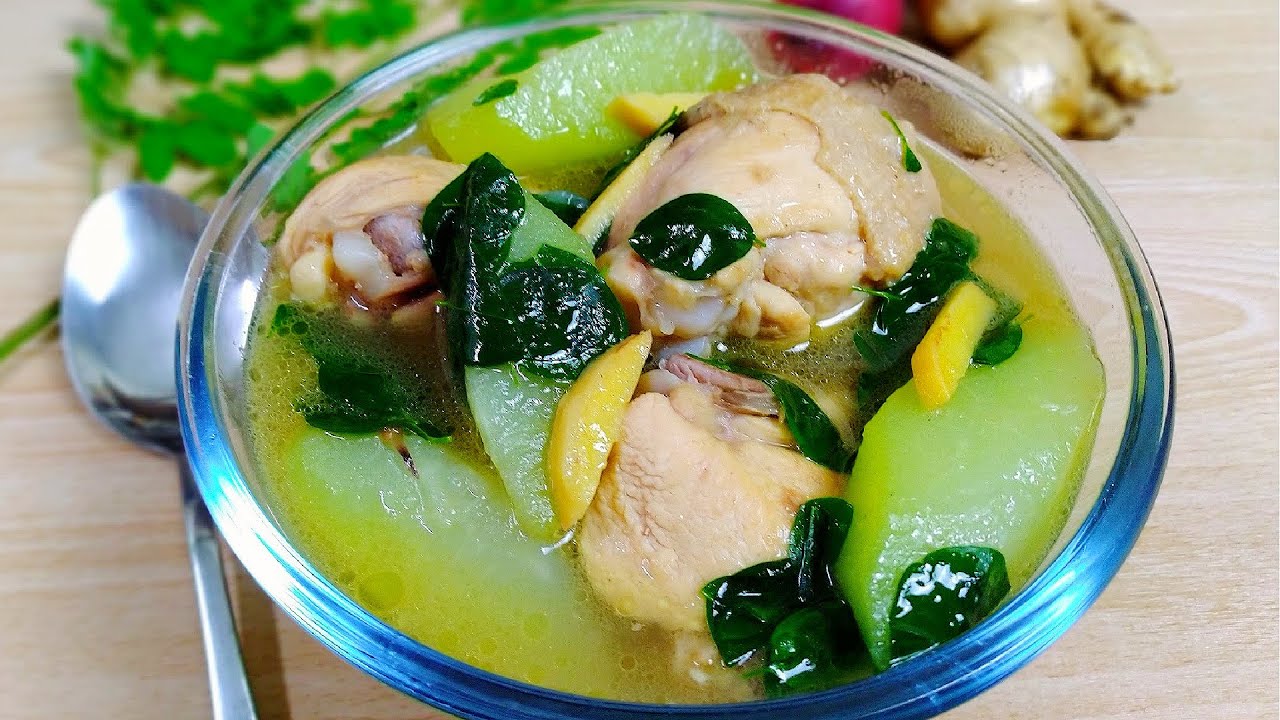
Chicken Tinola Recipe: Chicken Tinola is a traditional Filipino soup dish made with chicken, green papaya (or chayote), leafy greens like malunggay or spinach, and a fragrant broth infused with ginger, garlic, and onion. Unlike heavy stews or creamy soups, Tinola boasts a light, refreshing, and savory profile—perfect for rainy days or when you’re feeling under the weather. The key characteristic of Tinola lies in its clear broth, which allows the natural sweetness of the chicken and vegetables to shine through. Many Filipinos describe it as “comfort in a bowl,” a humble yet flavorful dish that speaks to home cooking at its best.
If you’ve ever walked into a Filipino kitchen while Tinola is simmering, you’ll know it’s more than just food—it’s a warm, welcoming hug from the aroma alone.
Origin and Cultural Significance
Tinola has deep roots in Filipino culture. Historical records, including references in José Rizal’s novel Noli Me Tangere, show that Tinola has been enjoyed for centuries. Traditionally served as a main course during family meals, it’s often prepared for guests as a sign of hospitality. Beyond its delicious taste, Tinola has cultural meaning—often associated with nurturing and care. It’s the go-to dish for mothers when a family member is sick, thanks to its light, easy-to-digest nature and immune-boosting ingredients.
Why It’s a Staple in Filipino Homes
Tinola’s popularity lies in its simplicity and adaptability. You don’t need fancy ingredients; most components can be found in a local market or your own backyard garden. Whether you’re cooking for a weekday dinner or serving a guest, Tinola fits the bill. Plus, it’s budget-friendly, nutritious, and requires minimal cooking skills, making it a staple in Filipino households.
Ingredients You’ll Need
Fresh Chicken Selection
For authentic Chicken Tinola, bone-in chicken pieces are best. They release more flavor into the broth compared to boneless cuts. Common choices include:
- Chicken thigh and drumsticks for richer flavor.
- Whole chicken, chopped into serving pieces for a mix of textures.
While you can use breast meat if you prefer leaner cuts, it may not deliver the same depth of flavor. The secret to a truly savory Tinola lies in using fresh chicken—preferably free-range or native chicken, known locally as manok na bisaya.
Vegetables and Greens
Vegetables play a starring role in Tinola, balancing the savory broth with a hint of sweetness and crunch. The classics are:
- Green papaya – slightly sweet and tender when cooked.
- Chayote (sayote) – a popular substitute for papaya, with a similar mild taste.
- Malunggay leaves (moringa) – nutrient-dense and slightly earthy in flavor.
- Spinach or pechay (bok choy) – convenient alternatives if malunggay is unavailable.
Herbs, Spices, and Aromatics
The flavor base of Tinola depends on three key aromatics:
- Ginger – adds warmth and spiciness to the broth.
- Garlic – boosts the savory profile.
- Onion – provides a subtle sweetness.
Optional enhancers include lemongrass for a citrusy aroma or chili leaves for a peppery kick.
Pantry Staples and Condiments
To round out the flavors, you’ll need:
- Fish sauce (patis) – for salty umami depth.
- Salt and pepper – to taste.
- Water or chicken broth – as your soup base.
Step-by-Step Guide to Cooking Chicken Tinola
Step 1 – Preparing the Ingredients
Good preparation ensures smooth cooking. Start by:
- Cleaning the chicken – Rinse well under running water and pat dry.
- Chopping vegetables – Peel and slice green papaya or chayote into wedges. Wash and trim leafy greens.
- Mincing aromatics – Slice ginger thinly, chop onions, and crush garlic cloves.
This stage is all about readiness—you want everything prepped before turning on the stove.
Step 2 – Sautéing the Aromatics
Heat oil in a large pot over medium heat. Add the ginger first—it releases a fragrant aroma when sautéed early. Follow with garlic, stirring until lightly golden, then add onions and cook until translucent. This trio forms the foundation of your broth’s flavor.
Step 3 – Cooking the Chicken
Add the chicken pieces to the pot, searing them lightly on all sides. This step locks in the juices and starts layering the broth with rich flavors. Drizzle in fish sauce and let the chicken absorb it before adding water or chicken broth.
Step 4 – Adding the Vegetables
Once the chicken is tender, stir in green papaya or chayote. Simmer until vegetables are cooked but still slightly firm. Add leafy greens last, as they cook quickly and can lose their vibrant color if overdone.
Step 5 – Seasoning and Final Touches
Taste the broth and adjust with salt, pepper, or more fish sauce if needed. For extra aroma, drop in a few sprigs of lemongrass or fresh chili leaves just before serving.
Tips for Perfecting Your Chicken Tinola
Balancing Flavors
The magic of Chicken Tinola lies in its delicate balance of savory, sweet, and slightly peppery notes. Too much fish sauce can overpower the dish, while too little will make it taste flat. To get it right:
- Start light with the fish sauce and season gradually.
- Allow the broth to simmer longer; flavors deepen over time.
- Use fresh vegetables to bring natural sweetness without needing sugar.
Some cooks like to add a dash of chicken bouillon for an extra umami punch, but if you’re using native chicken and fresh vegetables, you often won’t need it. The broth should taste light yet flavorful—not heavy like a stew.
Choosing the Right Chicken Cuts
Choosing the right chicken cut can make or break your Tinola. Bone-in cuts like thighs, drumsticks, and wings are preferred because they infuse the broth with more flavor. If you want a healthier, leaner version, you can use breast meat, but it’s best to combine it with at least some bone-in pieces for richness.
Native chicken (manok na bisaya) is highly prized for Tinola. While it takes longer to cook, the meat has a distinct flavor and firmer texture, which makes the dish feel more authentic. If you can’t find native chicken, opt for free-range chicken from the market or a trusted supplier.
Enhancing the Broth’s Aroma
A good Tinola should make your kitchen smell inviting even before it’s served. For that irresistible aroma:
- Sauté the ginger first—this brings out its essential oils.
- Add lemongrass for a citrusy, refreshing fragrance.
- Include chili leaves if you want a slight peppery bite.
Some home cooks also toast their ginger slices slightly before adding them to the pot, creating a deeper, more complex aroma.
Serving Suggestions
Best Side Dishes to Pair With Tinola
Tinola is traditionally served with plain steamed white rice. The clear broth soaks into the rice, making each bite flavorful. But you can elevate your meal with sides like:
- Fried or grilled fish – adds a crispy, savory contrast.
- Pancit (Filipino noodles) – for a more festive spread.
- Lumpiang shanghai – for a crunchy, meaty side.
If you’re serving it for lunch or dinner, you can also prepare a dipping sauce of calamansi and fish sauce to brighten the flavors.
How to Serve for Special Occasions
Although Tinola is an everyday meal, it can be dressed up for gatherings. Serve it in a deep ceramic bowl with freshly picked malunggay leaves for presentation. Garnish with sliced chili for color and a hint of spice. Pair with garlic fried rice instead of plain steamed rice for a heartier touch.
Common Mistakes to Avoid
Overcooking the Chicken
One of the biggest mistakes is boiling the chicken for too long at high heat, which can make it tough and dry. Instead, keep the heat at a gentle simmer. This allows the chicken to cook evenly while releasing flavor into the broth without drying out.
Using the Wrong Greens
While substitutions are fine, not all greens will suit Tinola. Avoid overly bitter greens, as they can overpower the delicate broth. If malunggay isn’t available, spinach or bok choy are the closest alternatives. Also, always add the greens last to keep them vibrant and fresh-tasting.
Health Benefits of Chicken Tinola
Nutritional Value
Tinola is a wholesome dish packed with nutrients. Chicken provides protein for muscle repair and energy, green papaya is rich in vitamin C and enzymes that aid digestion, and malunggay is loaded with vitamins A, C, and calcium. The broth, infused with ginger, has anti-inflammatory properties and can help soothe sore throats and colds.
Immune-Boosting Properties
This dish is often served to people who are sick because it’s light yet nourishing. Ginger warms the body and helps fight infections, while leafy greens boost immunity. Plus, it’s hydrating thanks to the broth, making it perfect for recovery meals.
Variations of Chicken Tinola
Tinola with Fish or Pork
While chicken is the star of the classic Tinola, there are delicious variations that swap it for other proteins. Fish Tinola is a lighter, more delicate version often made with bangus (milkfish) or tilapia. The cooking process is similar—sauté aromatics, add the fish, then simmer with vegetables—but the cooking time is much shorter to prevent the fish from falling apart.
Pork Tinola is heartier and more filling, with pork ribs or belly lending a richer, fattier broth. This version is popular in cooler climates or during the rainy season because of its comforting, savory depth. Both variations keep the essential Tinola flavors intact—ginger, greens, and clear broth—but adapt them for different preferences.
Vegan and Vegetarian Tinola
For plant-based eaters, Tinola can be made entirely meat-free without sacrificing flavor. Instead of chicken, use firm tofu or mushrooms like oyster or shiitake for a meaty texture. Vegetable broth replaces chicken stock, and soy sauce can be used in place of fish sauce for seasoning.
This vegan twist still celebrates the dish’s signature warmth and lightness while making it accessible to more people. For added nutrition, you can include carrots, zucchini, and corn, which add natural sweetness to the broth.
Storing and Reheating Tinola
Proper Storage Techniques
Tinola stores well for later enjoyment, and in fact, many Filipinos agree that it tastes even better the next day. To store properly:
- Let the soup cool completely before transferring it to airtight containers.
- Keep vegetables and broth separate if you plan to store it for more than 2 days to prevent greens from becoming soggy.
- Refrigerate for up to 3 days or freeze for up to 2 months.
If freezing, avoid adding leafy greens until reheating to maintain freshness and color.
Best Way to Reheat Without Losing Flavor
When reheating Tinola, avoid boiling it aggressively as this can overcook the chicken and greens. Instead:
- Transfer to a pot and heat over medium-low until warmed through.
- Add fresh greens just before serving for the best texture.
- Adjust seasoning with fish sauce or salt after reheating, as flavors can mellow in the fridge.
FAQs about Chicken Tinola Recipe
1. Can I use other vegetables instead of papaya or chayote?
Yes, you can substitute zucchini, upo (bottle gourd), or even carrots, though each will slightly change the flavor profile.
2. What can I use if I don’t have fish sauce?
Soy sauce or salt can be used, but fish sauce adds a distinct umami depth that’s hard to replicate.
3. Can I cook Tinola in a slow cooker?
Yes, but add the vegetables and greens only in the last hour to keep them from overcooking.
4. How do I make Tinola spicier?
Add sliced long green chili or siling labuyo (bird’s eye chili) towards the end of cooking for heat.
5. Is Tinola gluten-free?
Yes—just ensure your fish sauce brand is gluten-free, as some may contain wheat.
Conclusion
Chicken Tinola is more than just a soup—it’s a bowl of warmth, comfort, and Filipino tradition. From its humble origins to its place on modern dining tables, it continues to bring families together with its simple yet heartwarming flavors. Whether you stick to the classic chicken version or explore variations, the essence of Tinola lies in fresh ingredients, a well-balanced broth, and the love you pour into making it.
So, the next time you crave something light but nourishing, let the aroma of ginger and garlic simmering in the pot guide you. One spoonful, and you’ll understand why this dish has stood the test of time.