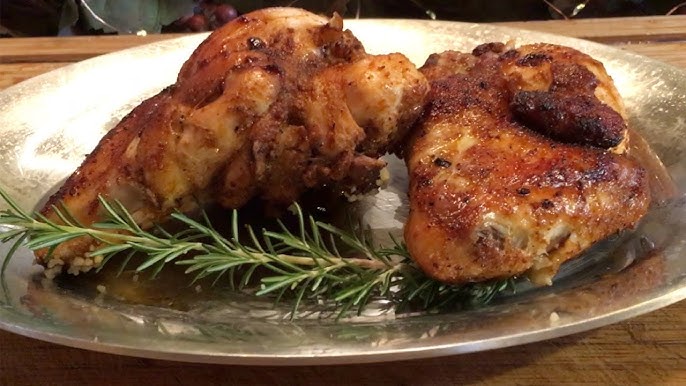
Chicken Rub Recipe: A well-crafted chicken rub is one of the simplest yet most powerful ways to transform ordinary poultry into a flavorful masterpiece. Whether you’re preparing grilled chicken breasts for a weeknight dinner or a whole roasted bird for Sunday lunch, the right blend of spices can elevate the dish from basic to gourmet.
In this guide, we’ll walk you through everything you need to know — from the essential ingredients to the exact step-by-step process of creating and applying your rub. You’ll also learn useful tips for customizing the flavor, storing it for future use, and pairing it with different cooking methods.
Think of a chicken rub as your culinary fingerprint. No two blends are exactly alike, and once you find your signature mix, it becomes a flavor you and your guests will always associate with your cooking. Now, let’s dive into the delicious details.
What is a Chicken Rub?
A chicken rub is a carefully balanced mixture of dry spices and herbs that is applied directly to raw chicken before cooking. Unlike a marinade, which is liquid-based, a rub is typically dry and adheres to the chicken’s surface, creating a flavorful crust as it cooks. The salt in the rub not only seasons the meat but also helps retain moisture, while the other spices provide layers of flavor that complement the natural taste of the chicken.
There are two primary types of rubs: dry rubs and wet rubs. A dry rub uses only powdered spices and herbs, while a wet rub incorporates oil, mustard, or another liquid binder to help the seasonings stick more firmly. For this recipe, we’re focusing on the classic dry rub — easy to make, store, and use on demand.
Why Use a Chicken Rub for Cooking?
Flavor is the obvious reason, but there’s more to it. A rub not only enhances taste but also creates texture. When grilled or roasted, the sugars in the rub caramelize, producing a slightly crisp surface that contrasts beautifully with the juicy interior. Additionally, rubs are versatile — they work for all cooking methods, from grilling and baking to pan-frying and air-frying.
The Difference Between Dry Rubs and Marinades
Marinades penetrate deeper into the meat over time, making them ideal for long soaking periods. Rubs, on the other hand, create immediate surface flavor and texture. If you want quick results without hours of marination, a rub is your go-to solution.
Benefits of Using a Chicken Rub
Enhances Flavor
A chicken rub can be as bold or as subtle as you like. Want a smoky BBQ profile? Add paprika and brown sugar. Prefer a spicy kick? Bring in cayenne and chili powder. By adjusting the spice ratios, you can create countless variations without needing a brand-new recipe each time.
Adds Texture and Aroma
Beyond taste, a rub contributes to the overall eating experience. As it cooks, the herbs release aromatic oils, filling your kitchen with an irresistible smell. The surface caramelizes, creating a light crust that keeps juices inside the meat.
Versatile for Different Cooking Methods
The beauty of a chicken rub is that it works across the board. Use it for grilled wings, roasted thighs, or even shredded chicken for tacos. The same blend can yield completely different experiences depending on how you cook it.
Ingredients You’ll Need
Common Spices for Chicken Rubs
Here’s a basic, tried-and-true spice list for a flavorful chicken rub:
- Paprika (sweet or smoked) – Adds a smoky depth and vibrant color.
- Garlic powder – Brings a savory punch.
- Onion powder – Adds sweetness and balance.
- Black pepper – For a subtle bite.
- Salt – Essential for enhancing flavor and moisture retention.
- Brown sugar – Helps caramelize the chicken and balance spices.
Optional Ingredients for Unique Flavor
- Cayenne pepper – For heat lovers.
- Dried thyme or oregano – Herbal freshness.
- Cumin – Earthy and slightly nutty.
- Lemon zest – Bright, fresh twist.
How to Choose Quality Spices
Freshness is key. Old spices lose potency, so check expiration dates and store them in airtight containers away from heat and sunlight. Whenever possible, grind whole spices yourself for maximum flavor.
Tools and Utensils Required
Measuring Tools
Accurate measurements ensure balanced flavor. Use measuring spoons for spices rather than eyeballing quantities, especially if you’re making the rub for the first time.
Mixing Bowls
A medium-sized mixing bowl works best for combining spices evenly. Stainless steel or glass is preferred because they don’t absorb flavors or odors.
Storage Containers
Once mixed, store your rub in a small airtight jar or container. Glass spice jars with tight-fitting lids are ideal. Label them with the name and date for easy identification.
Step-by-Step Guide to Making Chicken Rub
Step 1 – Gather Your Ingredients
Lay out all spices before you begin. This prevents scrambling mid-recipe and ensures you don’t forget anything.
Step 2 – Measure the Spices
Follow your chosen recipe measurements carefully. Start small if you’re experimenting, as you can always add more next time.
Step 3 – Mix Thoroughly
Use a spoon or small whisk to blend spices until evenly distributed. Make sure there are no clumps, especially with brown sugar.
Step 4 – Store Properly
Transfer your rub into a clean, airtight container. Store in a cool, dark place for up to 6 months.
Step 5 – Apply to Chicken
Pat the chicken dry with paper towels before applying the rub. This helps it stick better and prevents steaming during cooking. Massage the rub evenly onto all surfaces.
Tips for the Perfect Chicken Rub
Balancing Flavors
A successful chicken rub is all about balance. Salt and sugar are your foundation — they enhance flavor and help with caramelization. Too much salt will overpower everything, while too much sugar can make the chicken overly sweet or cause burning during high-heat cooking. The ideal ratio for most rubs is about 2 parts salt to 1 part sugar, but you can adjust based on your taste and dietary needs.
Next comes the spice blend. A mix of paprika, garlic powder, onion powder, and black pepper creates a balanced, classic profile. If you prefer a smoky barbecue taste, use smoked paprika and a pinch of cumin. For a zesty herbal flavor, add dried rosemary and thyme.
Avoiding Common Mistakes
- Over-seasoning: More isn’t always better. Too many strong spices can clash.
- Using wet chicken: Moisture prevents spices from sticking and creates steaming instead of browning.
- Not mixing thoroughly: Uneven spice distribution means inconsistent flavor.
- Skipping resting time: Allow at least 15–30 minutes after applying the rub before cooking. This lets flavors absorb.
Pairing with Cooking Methods
The type of cooking method you choose should influence your rub’s composition. If grilling, use less sugar to prevent burning. For roasting, a touch more sugar can help develop a golden crust. Pan-frying works best with finer spices so they stick and cook evenly without clumping.
Variations of Chicken Rub Recipes
Spicy Chicken Rub
Perfect for heat lovers. Combine cayenne pepper, chili powder, paprika, garlic powder, onion powder, and a touch of brown sugar. This blend adds a fiery kick without overwhelming the chicken’s natural flavor.
Sweet and Smoky Chicken Rub
Blend smoked paprika, brown sugar, garlic powder, onion powder, and a small amount of cinnamon for a complex flavor that works beautifully on grilled thighs or drumsticks.
Mediterranean Herb Chicken Rub
Mix dried oregano, rosemary, thyme, garlic powder, onion powder, lemon zest, and a pinch of sea salt. This bright and fresh mix is ideal for baked chicken breasts or roasted whole chicken.
How to Apply Chicken Rub
For Whole Chicken
Pat the chicken dry thoroughly. Loosen the skin slightly and rub some seasoning underneath for deeper flavor penetration. Coat the outside evenly, including legs and wings.
For Chicken Pieces
For breasts, thighs, or wings, make sure each piece is well-coated on all sides. Press the rub into the meat gently so it adheres.
Overnight Rub vs. Quick Rub
An overnight rub allows deeper flavor absorption. Wrap the seasoned chicken in plastic wrap and refrigerate for up to 24 hours. A quick rub can be applied just before cooking, but flavors won’t be as intense.
Cooking Methods for Rubbed Chicken
Grilling
Preheat the grill to medium-high heat. Grill chicken over direct heat for a few minutes on each side, then move to indirect heat to finish cooking. This prevents burning while ensuring a smoky char.
Baking
Preheat the oven to 375°F (190°C). Place chicken on a baking rack set over a sheet pan for even cooking. Bake until internal temperature reaches 165°F (74°C).
Pan-Frying
Use a nonstick skillet or cast-iron pan over medium heat. Add a small amount of oil and cook chicken pieces until golden on both sides.
Storing and Preserving Chicken Rub
Shelf Life
A homemade chicken rub can last up to 6 months if stored properly.
Best Storage Practices
Keep in an airtight container in a cool, dry place. Avoid moisture, which can cause clumping.
How to Refresh Spices
If your rub starts losing aroma, add a pinch of freshly ground spices to revive the flavor.
Mistakes to Avoid When Using Chicken Rub
Using Too Much Salt
Salt is essential for flavor and moisture retention, but excess salt can make chicken unpleasantly salty and overpower other spices. Stick to a balanced ratio — usually no more than 1 tablespoon of salt per cup of rub. If you’re cooking for someone on a low-sodium diet, consider using herbs and citrus zest to enhance flavor instead of relying heavily on salt.
Not Letting It Rest
Applying the rub and immediately cooking the chicken won’t allow the flavors to fully develop. A rest period of at least 15–30 minutes lets the salt penetrate and the spices meld into the meat. For the best results, season the chicken a few hours ahead or even overnight.
Applying Rub to Wet Chicken
If your chicken is still damp from washing or thawing, the rub won’t stick well and can form clumps. Always pat the meat dry with paper towels before seasoning. This ensures a more even coating and better caramelization during cooking.
Pairing Rubbed Chicken with Side Dishes
Fresh Salads
A crisp salad can balance the richness of seasoned chicken. For spicy rubs, try cooling sides like cucumber salad or Greek salad with feta and olives.
Roasted Vegetables
Roasted carrots, bell peppers, zucchini, and sweet potatoes pair wonderfully with chicken rub flavors. The caramelized edges of the veggies complement the spices beautifully.
Rice and Pasta Dishes
For a hearty pairing, serve rubbed chicken with buttered rice, herbed couscous, or creamy pasta. These sides soak up the juices and spices from the chicken for an extra flavor boost.
Nutritional Value of Homemade Chicken Rub
Low Sodium Option
Making your own rub gives you control over the salt content. Many store-bought rubs are loaded with sodium, which can be avoided by adjusting your homemade blend.
No Artificial Preservatives
Homemade rubs skip the chemical additives found in commercial mixes, making them healthier and more natural.
Customizing for Dietary Needs
You can create gluten-free, vegan, or allergen-free rubs simply by choosing the right spices and avoiding additives like flour or MSG.
FAQs about Chicken Rub Recipe
1. Can I use this rub on other meats?
Absolutely! This rub works well on pork, beef, and even vegetables.
2. How long should I marinate with a dry rub?
For the best results, let the chicken rest for at least 30 minutes, but overnight is ideal for deeper flavor.
3. Can I make a large batch for storage?
Yes, store in an airtight container for up to 6 months.
4. Should I oil the chicken before applying rub?
If your chicken is very lean, a light coat of oil can help the rub stick and prevent dryness.
5. What’s the best spice to start with?
Paprika is a great base — it adds color, flavor, and a mild smokiness.
Conclusion
Creating your own chicken rub is an easy, cost-effective way to elevate your meals. With just a few simple spices, you can transform plain chicken into a dish bursting with flavor, texture, and aroma. Whether you prefer smoky, spicy, or herby profiles, you can customize your blend to suit your taste and cooking method. Plus, homemade rubs are healthier, fresher, and far more versatile than store-bought versions.
Once you master the basics, you’ll be able to experiment with endless variations, making each chicken dish uniquely yours. So grab your spices, follow the steps in this guide, and enjoy perfectly seasoned chicken every time.