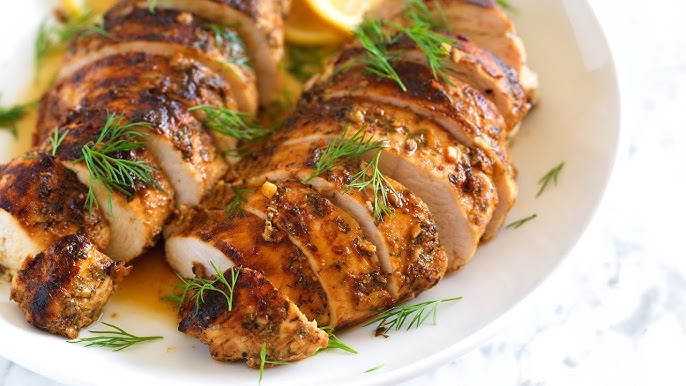
Chicken Marinade Recipe: If you’ve ever bitten into a piece of chicken that’s bursting with flavor, there’s a good chance it was marinated to perfection. A well-made marinade doesn’t just sit on the surface—it works its magic deep inside, transforming plain chicken into a mouthwatering, juicy masterpiece.
Whether you’re prepping for a casual weeknight dinner or hosting a summer BBQ, learning the art of marinating chicken is a skill worth mastering.
This guide walks you through everything from essential ingredients to the exact steps needed for flawless results.
Introduction – Why a Good Marinade Matters
Chicken on its own is a blank canvas. Sure, it’s healthy and versatile, but without seasoning, it can turn out bland and dry. A good marinade solves that problem by infusing meat with flavor and tenderness. Think of it as a spa treatment for your chicken—one that pampers it with oils, herbs, spices, and acids until it’s ready to shine on the plate.
How Marinades Work to Enhance Flavor
Marinades combine three main components—acid, fat, and seasonings—that work together to create magic. Acid (like lemon juice or vinegar) helps break down muscle fibers, allowing flavors to penetrate more deeply. Fat (like olive oil) carries and distributes flavor evenly, while herbs and spices give your chicken its unique personality. Over time, the marinade seeps into the meat, making each bite flavorful from the inside out.
Benefits Beyond Taste – Tenderness and Juiciness
A good marinade doesn’t just make chicken taste better—it makes it feel better in your mouth. Acids soften tough muscle fibers, oils keep the meat moist during cooking, and salt helps retain juiciness. This combination means your chicken won’t just taste delicious—it will be tender, succulent, and far from dry.
Ingredients You’ll Need
Before diving into the mixing bowl, let’s get your pantry and fridge ready. The right ingredients can turn a basic chicken dinner into a culinary masterpiece.
Core Ingredients for a Balanced Marinade
- Acid: Lemon juice, lime juice, vinegar, or yogurt.
- Fat: Olive oil, vegetable oil, or sesame oil.
- Salt: Sea salt, kosher salt, or soy sauce.
- Sweetness: Honey, brown sugar, or maple syrup to balance acidity.
- Spices & Herbs: Garlic, paprika, oregano, thyme, rosemary, black pepper.
A balanced marinade hits all the right notes—tangy, savory, slightly sweet, and aromatic. You don’t need dozens of ingredients; even a simple mix of lemon juice, olive oil, garlic, and herbs can work wonders.
Optional Add-Ons for Extra Flavor
- Spicy kick: Chili flakes, cayenne pepper, sriracha.
- Umami boost: Worcestershire sauce, fish sauce, miso paste.
- Fresh herbs: Basil, cilantro, dill, parsley.
- Aromatic extras: Ginger, lemongrass, shallots.
Ingredient Substitutions for Dietary Needs
- Gluten-Free: Use tamari instead of soy sauce.
- Low-Sodium: Reduce salt and rely on herbs for flavor.
- Dairy-Free: Replace yogurt with coconut milk for a creamy, tropical twist.
Choosing the Right Chicken Cuts
Not all chicken cuts are created equal when it comes to marinating. The type of cut you choose affects marination time and flavor absorption.
Boneless vs. Bone-In
Boneless chicken breasts and thighs absorb marinades faster since there’s more surface area and no bone barrier. Bone-in pieces, however, tend to retain moisture better during cooking, making them great for grilling and roasting.
Skin-On vs. Skinless
Skin-on chicken locks in more moisture but can prevent marinades from penetrating the meat directly. If you’re after maximum flavor infusion, go skinless. If you want crispy, flavorful skin, keep it on and season generously on top.
Adjusting Marinade Time for Different Cuts
- Breasts: 30 minutes to 2 hours.
- Thighs: 1 to 6 hours.
- Drumsticks/Wings: 2 to 8 hours.
- Whole Chicken: Overnight for best results.
Preparing Your Chicken for Marination
Proper prep makes all the difference. You can have the best marinade in the world, but if your chicken isn’t ready to soak it up, you’ll miss out on flavor.
Cleaning and Trimming Tips
Rinse your chicken under cold water only if necessary (and pat dry with paper towels immediately to prevent waterlogging). Trim excess fat and remove any stray feathers. Clean hands and surfaces thoroughly—cross-contamination is no joke.
Scoring or Pounding for Better Absorption
For thicker cuts like chicken breasts, gently pound them to even thickness or score them with shallow cuts. This increases surface area and lets the marinade seep in deeper.
Safety Precautions When Handling Raw Chicken
Always marinate chicken in the fridge, not on the counter. Use glass, ceramic, or food-safe plastic containers—never metal, as acids can react with it. And once chicken has touched the marinade, don’t reuse it as a sauce unless it’s been boiled to kill bacteria.
Step-by-Step Guide to Making the Perfect Chicken Marinade
Here’s the fun part—bringing your marinade to life.
Step 1 – Combine Wet Ingredients
Start with your acids and oils. In a mixing bowl, combine something tangy (like lemon juice) with a rich oil (like extra virgin olive oil). This forms the base.
Step 2 – Mix in Dry Spices and Herbs
Add salt, pepper, paprika, garlic powder, or fresh minced garlic. Stir well so flavors distribute evenly.
Step 3 – Adjusting the Marinade’s Flavor Profile
Taste your marinade before adding the chicken. Need more tang? Add a splash of vinegar. Too sharp? A spoon of honey will smooth it out.
Step 4 – Marinating Duration and Storage Tips
Place chicken in the marinade, ensuring every piece is coated. Cover and refrigerate for the recommended time based on cut type. For extra convenience, use a resealable plastic bag—this helps the marinade coat evenly with minimal cleanup.
How Long to Marinate Chicken (and Why It Matters)
Marination time is one of the most misunderstood aspects of cooking chicken. Many people think, “The longer, the better,” but that’s not always true. While marinating does allow flavors to seep in, too much time in an acidic marinade can actually make the texture unpleasant. Acids like lemon juice, vinegar, or yogurt break down proteins. Leave chicken in too long, and instead of tender and juicy, it can become mushy or stringy.
Here’s a general guide:
- Chicken Breasts: 30 minutes to 2 hours.
- Chicken Thighs: 1 to 6 hours.
- Wings or Drumsticks: 2 to 8 hours.
- Whole Chicken: 8 to 24 hours.
If you’re using a marinade that’s oil- and spice-heavy (with little or no acid), you can safely go longer. But for highly acidic marinades, stay on the lower end of the time range.
One trick for busy cooks is overnight marination in the fridge—perfect for bone-in thighs or drumsticks. Just remember to store the chicken in a sealed container or zip-top bag to prevent fridge odors from seeping in.
If you want flavor without waiting hours, try scoring the chicken or cutting it into smaller pieces. This increases surface area, allowing marinades to work faster. And if time is really short, you can use a vacuum-seal marination technique, which can cut the process down to under 30 minutes while still delivering rich taste.
The key is balance: enough time for the marinade to do its job, but not so long that it compromises the texture. Think of it like brewing tea—leave the bag in for the right amount of time, and you get a flavorful cup. Leave it in too long, and it becomes bitter and overdone.
Cooking Methods After Marination
Once your chicken has been marinated, the next step is cooking it to perfection. Each cooking method interacts differently with marinades, so your choice will affect flavor, texture, and even aroma.
1. Grilling: Perfect for smoky, charred flavors. Oil in the marinade helps prevent sticking, but make sure to shake off excess liquid to avoid flare-ups. Grilling works especially well with bone-in cuts or skin-on thighs.
2. Baking or Roasting: This method lets the chicken cook evenly and stay juicy. Marinades with sugar or honey caramelize beautifully in the oven, creating a mouthwatering glaze. For best results, roast at a moderate temperature (around 375°F/190°C) so the outside doesn’t burn before the inside cooks through.
3. Pan-Searing: Quick and ideal for boneless cuts. Use a cast-iron skillet or nonstick pan and a small amount of oil. Pan-searing gives a nice crust while locking in moisture.
4. Air Frying: A newer favorite, air fryers produce crispy chicken with minimal oil. Just make sure to pat the chicken dry before cooking so the exterior gets crisp instead of soggy.
5. Slow Cooking: Great for shredded chicken dishes. Marinades with extra liquid (like broth or coconut milk) work well here, infusing the meat as it cooks over several hours.
6. Broiling: This is the go-to for quick caramelization. It’s similar to grilling but done in the oven. Keep a close eye, as broiling can burn sugary marinades if left unattended.
No matter which method you choose, always let marinated chicken rest for a few minutes after cooking. This helps redistribute juices, so every bite is tender and flavorful.
Common Mistakes to Avoid When Marinating Chicken
Even seasoned cooks slip up with marinades. Here are the pitfalls to dodge:
1. Over-Marinating:
Too much time in an acidic marinade can ruin the texture. Stick to the recommended time frames.
2. Not Enough Marinade: Chicken should be fully coated. Skimping on liquid means uneven flavor.
3. Reusing Marinade Without Cooking It: Once raw chicken has been in the marinade, it’s full of bacteria. You can use it as a sauce only if you boil it first.
4. Ignoring the Container Type: Avoid metal bowls—acidic ingredients can react with aluminum or copper, altering the taste. Glass, ceramic, or food-grade plastic is best.
5. Forgetting to Pat Chicken Dry Before Cooking: Excess marinade can cause steaming instead of searing, preventing that golden-brown crust.
6. Using Too Much Salt Early On: Salt draws out moisture. If your marinade time is long, too much salt can dry out the meat.
Avoiding these mistakes keeps your chicken flavorful, safe, and tender.
Storing Leftover Marinade Safely
If you’ve made more marinade than you need, storing it properly prevents waste and keeps it safe to use. The golden rule: Never reuse marinade that’s been in contact with raw chicken unless it’s cooked first.
To store leftover unused marinade:
- Keep it in an airtight container in the fridge for up to a week.
- Freeze in ice cube trays for single-use portions. Great for quick flavor boosts in future recipes.
If you want to repurpose used marinade:
- Boil it for at least 3 minutes to kill bacteria before serving as a sauce.
- Alternatively, use it as a basting liquid while grilling (but only if you apply it early enough for it to cook fully).
Marinades with fresh herbs or garlic should be used more quickly, as they can lose their brightness in storage. Oil-based marinades store better than those with lots of fresh juice or dairy.
By treating marinades like perishable foods, you keep your meals both delicious and safe.
Flavor Variations from Around the World
One of the joys of marinating chicken is exploring global flavors without leaving your kitchen. Here are some inspiring regional variations:
1. Mediterranean: Olive oil, lemon juice, garlic, oregano, rosemary. Perfect with grilled chicken and roasted vegetables.
2. Asian-Inspired: Soy sauce, sesame oil, rice vinegar, ginger, garlic, honey. Delicious for stir-fries or skewers.
3. Middle Eastern: Yogurt, cumin, coriander, turmeric, garlic, lemon juice. Ideal for kebabs or shawarma-style wraps.
4. Caribbean Jerk: Scotch bonnet peppers, allspice, thyme, scallions, soy sauce. Great for grilled drumsticks with a fiery kick.
5. Latin American Citrus-Garlic: Orange juice, lime juice, garlic, cumin, cilantro. Works beautifully for roasted or grilled chicken.
Trying different global marinades keeps your cooking exciting and expands your flavor repertoire.
Healthy Marinade Options
Marinades don’t have to be loaded with sugar or sodium to taste amazing. In fact, you can easily create healthy versions that still deliver big flavor. The key is using fresh, nutrient-rich ingredients while avoiding overly processed condiments.
1. Swap sugar for natural sweeteners – Instead of refined sugar, try honey, pure maple syrup, or even mashed ripe fruit like mango or pineapple. These add sweetness while bringing their own vitamins and antioxidants.
2. Choose healthy fats – Use extra virgin olive oil, avocado oil, or flaxseed oil rather than heavily processed vegetable oils. Not only do they add a richer flavor, but they’re also better for heart health.
3. Go heavy on herbs and spices – Herbs like rosemary, thyme, basil, and cilantro add flavor without adding calories. Spices like turmeric, paprika, and cumin also bring anti-inflammatory benefits.
4. Reduce sodium without losing taste – Use citrus juices, vinegar, or even a splash of unsalted broth to boost flavor without piling on the salt.
5. Use Greek yogurt as a base – Yogurt marinades naturally tenderize meat while adding protein and probiotics. Combine with garlic, lemon juice, and herbs for a tangy, creamy coating.
Healthy marinades prove you can enjoy flavorful chicken while keeping your nutrition goals in check. The trick is balancing bold seasonings with wholesome ingredients so you get both taste and health benefits in every bite.
Pairing Marinades with Side Dishes
A great chicken marinade deserves equally great side dishes to complete the meal. The key is choosing sides that complement the flavor profile without overpowering it.
For Mediterranean-style marinades – Serve with roasted vegetables, Greek salad, couscous, or pita bread with hummus.
For Asian-inspired marinades – Go for steamed jasmine rice, stir-fried vegetables, or fresh spring rolls.
For Middle Eastern marinades – Try warm flatbread, tabbouleh, grilled eggplant, or chickpea salad.
For Caribbean jerk marinades – Pair with coconut rice, fried plantains, or a crisp mango slaw.
For Latin citrus-garlic marinades – Serve with black beans, corn salad, or avocado salsa.
Pairing right makes the entire meal shine. If the marinade is bold and spicy, balance it with a cooling, creamy side. If it’s light and tangy, complement it with something hearty.
Troubleshooting – If Your Chicken Turns Out Bland
Even after marinating, chicken can sometimes turn out underwhelming. Here’s how to troubleshoot:
- Not enough marinade contact – Ensure chicken is fully submerged or coated, and turn it halfway through marination.
- Too short marination time – Give it more time to absorb flavors, especially for larger cuts.
- Overcrowded cooking pan – Crowding traps steam, preventing browning. Cook in batches for better flavor.
- Weak seasoning ratio – Marinades need enough salt and spices to stand up to cooking heat.
- Old spices – Spices lose potency over time; replace them every 6–12 months.
Sometimes, the fix is as simple as brushing extra marinade on during cooking (if it’s safe) or finishing with a sprinkle of fresh herbs before serving.
Final Tips for Perfectly Marinated Chicken
- Balance your flavors – Every marinade should have acid, fat, salt, and aromatics.
- Don’t skip the resting time after cooking – This keeps juices inside.
- Experiment and taste – Adjust before adding the chicken so you get exactly the flavor you want.
- Use the right container – Glass, ceramic, or BPA-free plastic keeps flavors pure.
- Plan ahead – Marinate in the morning for dinner or overnight for maximum convenience.
With these tips, you’ll consistently create flavorful, tender chicken every time.
FAQs about Chicken Marinade Recipe
1. Can I marinate chicken overnight?
Yes, but stick to less acidic marinades for long marination to avoid mushy texture.
2. Can I freeze chicken in its marinade?
Absolutely. Freezing actually helps flavors penetrate. Just thaw in the fridge before cooking.
3. Should I poke holes in chicken before marinating?
Light scoring helps, but avoid deep punctures that cause juices to leak out during cooking.
4. Can I cook chicken in its marinade?
Yes, but make sure it boils for at least 3 minutes to kill bacteria from raw chicken.
5. What’s the quickest way to marinate chicken?
Cut chicken into smaller pieces or use a vacuum-seal method to speed up flavor absorption.
Conclusion
A great chicken marinade transforms simple poultry into a flavorful, juicy star of the plate. By understanding the balance of acid, fat, salt, and aromatics, choosing the right cut, and marinating for just the right amount of time, you can unlock restaurant-quality results at home. Whether you go for a zesty lemon-herb blend, a bold jerk seasoning, or a rich yogurt-based marinade, the possibilities are endless. Mastering this process isn’t just about following a recipe—it’s about experimenting, tasting, and finding your perfect combination.