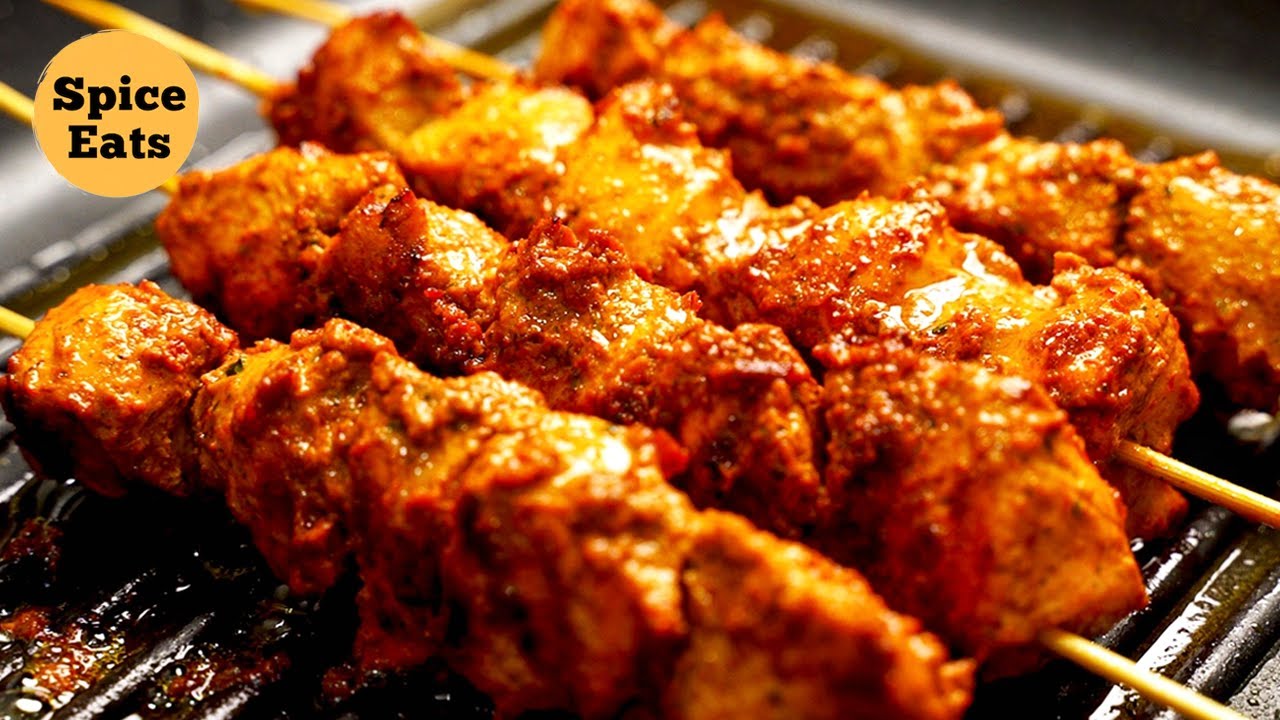
Chicken Kabobs Recipe: Chicken kabobs, also known as chicken skewers or shish kebabs, have traveled through centuries of culinary tradition. Originating from Middle Eastern and Mediterranean cuisines, these juicy, flavorful meat-and-vegetable combinations have become a staple in backyard barbecues, street food markets, and family dinners across the globe. The beauty of chicken kabobs lies in their versatility—whether you’re grilling outdoors on a summer evening, cooking on a stovetop grill pan in winter, or even baking them in the oven, the result is always delicious.
One reason chicken kabobs are so beloved is their balance of flavors. The combination of tender, marinated chicken chunks and the fresh crunch of vegetables creates a perfect harmony between savory and refreshing. They’re also visually stunning—vibrant peppers, bright cherry tomatoes, and golden-brown chicken create a feast for the eyes before they even reach your taste buds.
Kabobs are also highly customizable. You can stick to a classic recipe or venture into new flavor territories—spicy BBQ, herby Mediterranean, sweet-and-savory teriyaki, or even creamy yogurt-based marinades. Whether you’re feeding picky eaters, spice lovers, or health-conscious guests, chicken kabobs adapt to your needs.
Ingredients You’ll Need
Making perfect chicken kabobs begins with selecting fresh, high-quality ingredients. You don’t need an extensive pantry list, but you do need to choose wisely—quality directly impacts flavor. Let’s break it down:
Chicken Selection and Preparation
When choosing chicken for kabobs, boneless and skinless chicken breast or chicken thighs are the go-to options. Chicken breast offers a lean, protein-packed choice, while chicken thighs provide more juiciness and tenderness due to their higher fat content. For the best kabobs, cut the chicken into even 1.5-inch cubes. This size ensures they cook evenly without drying out.
Before cutting, pat the chicken dry with a paper towel—this helps the marinade stick better. Trim any excess fat, especially with thighs, to avoid flare-ups on the grill.
Tip: If you prefer maximum tenderness, opt for chicken thighs, especially if you’re new to grilling and want to avoid dryness.
Fresh Vegetables for Skewers
Vegetables add flavor, texture, and color to your kabobs. The best choices are firm vegetables that can withstand grilling without turning mushy. Popular picks include:
- Bell peppers (red, yellow, orange, green)
- Red onions
- Zucchini
- Cherry tomatoes
- Mushrooms
Cut the vegetables into similar-sized pieces as the chicken to ensure even cooking. Avoid watery vegetables like cucumber or lettuce, as they will wilt and lose texture under high heat.
Marinade Essentials
A great marinade is the heart of any chicken kabob recipe. It not only adds flavor but also helps tenderize the meat. A classic marinade includes:
- Olive oil – keeps chicken moist
- Acidic element (lemon juice, vinegar, or yogurt) – tenderizes meat
- Salt and pepper – enhances flavor
- Herbs and spices – garlic, paprika, cumin, oregano, thyme, or parsley
You can experiment by adding soy sauce for an umami kick, honey for sweetness, or chili flakes for heat.
Tip: Always marinate your chicken for at least 2 hours, but overnight is ideal for deep flavor penetration.
Skewer and Equipment Requirements
You’ll need skewers to assemble your kabobs. There are two main types:
- Metal skewers – reusable, durable, and conduct heat, helping chicken cook from the inside out.
- Bamboo skewers – disposable and budget-friendly but must be soaked in water for at least 30 minutes before grilling to prevent burning.
In addition, you’ll need a grill (charcoal or gas), grill pan, or oven with a broiler function. A basting brush is also useful for applying extra marinade during cooking.
Step-by-Step Guide
Step 1 – Preparing the Chicken
Start by washing your hands thoroughly—this is essential for safe food handling. Then, trim the chicken to remove excess fat or connective tissue. Using a sharp chef’s knife, cut the chicken into uniform cubes. Aim for a size slightly larger than bite-sized; this allows the outside to char nicely without overcooking the inside.
Pat the pieces dry before placing them in a large mixing bowl. Dry chicken absorbs marinade better, resulting in more flavorful kabobs. If you’re prepping ahead, keep the chicken refrigerated until it’s time to marinate.
Step 2 – Making the Marinade
The marinade is where the magic happens—it transforms plain chicken into tender, juicy, flavor-packed bites. To create a well-balanced marinade, start with olive oil as your base. Olive oil not only keeps the chicken moist but also helps carry the flavors of your herbs and spices deep into the meat.
Next, add your acidic element—fresh lemon juice is ideal for a refreshing zing, while vinegar or yogurt works well for a deeper, tangier taste. The acid breaks down muscle fibers, making the chicken softer and easier to bite into.
For seasoning, you can keep it simple with salt, pepper, and garlic, or go bold with a mix of paprika, cumin, coriander, oregano, and chili powder. For extra freshness, finely chop herbs like parsley or cilantro.
Pro tip: If you want a slightly sweet undertone, a teaspoon of honey or brown sugar balances the acidity beautifully.
Here’s a basic marinade formula for 1.5 lbs (about 700g) of chicken:
- ¼ cup olive oil
- 3 tbsp fresh lemon juice
- 4 garlic cloves, minced
- 1 tsp salt
- ½ tsp black pepper
- 1 tsp paprika
- ½ tsp cumin
- 1 tbsp chopped parsley
Mix all ingredients in a bowl, taste it before adding chicken, and adjust as needed. You want the flavors to be slightly stronger than you’d like in the final dish since some will be lost during grilling.
Step 3 – Marinating the Chicken
Once your marinade is ready, add the chicken cubes and toss well, ensuring every piece is coated evenly. If you’re using a bowl, cover it with plastic wrap; if using a zip-top bag, squeeze out as much air as possible before sealing—this helps the marinade stay in close contact with the chicken.
The ideal marinating time is at least 2 hours in the refrigerator, but if you can manage 8–12 hours, your chicken will absorb maximum flavor. Avoid marinating for more than 24 hours—too much acid can start breaking down the meat to the point where it becomes mushy.
Halfway through marinating, give the chicken a gentle stir or massage to redistribute the flavors. If you’re short on time, even 30 minutes of marinating can make a difference, but longer is always better for kabobs.
Step 4 – Prepping Vegetables and Skewers
While your chicken marinates, turn your attention to the vegetables. Wash them thoroughly and pat them dry—wet vegetables won’t caramelize as nicely on the grill.
Cut bell peppers into square chunks, slice red onions into wedges, and slice zucchini into thick rounds. Keep the sizes consistent with your chicken cubes so everything cooks evenly. If you’re using cherry tomatoes, keep them whole, but pierce them lightly with a toothpick to help release steam while grilling.
If you’re using bamboo skewers, soak them in water for at least 30 minutes to prevent charring. For metal skewers, a quick brush of oil before threading will make it easier to slide the food off after cooking.
Tip: Arrange your prep area like an assembly line—have chicken, vegetables, and skewers within easy reach to speed up the process.
Step 5 – Assembling the Kabobs
When assembling, alternate between chicken and vegetables for an even mix of flavors in each bite. For example, a great pattern might be: chicken – bell pepper – onion – chicken – zucchini – tomato – chicken.
Don’t pack the pieces too tightly on the skewer—leave a little space so the heat can circulate and cook everything evenly. Crowding them can lead to uneven cooking, with some pieces underdone and others overcooked.
If you have leftover vegetables, make vegetable-only skewers; they often need less cooking time, so you can pull them off the grill earlier.
Once assembled, place the skewers on a tray and lightly brush them with any remaining marinade for an extra burst of flavor before grilling.
Step 6 – Grilling the Kabobs
Grilling is where all your preparation pays off, turning marinated chicken and vegetables into smoky, charred perfection. Whether you’re using a gas grill, charcoal grill, or even a stovetop grill pan, the process is similar, but the flavor intensity can vary. Charcoal grills give the deepest smoky flavor, while gas grills offer more control over heat.
1. Preheat your grill – Aim for a medium-high heat (around 375°F to 400°F / 190°C to 200°C). This ensures the chicken sears quickly, locking in juices, while cooking through without drying out.
2. Oil the grates – Use a folded paper towel dipped in oil and held with tongs to wipe the grates. This prevents sticking and helps with those perfect grill marks.
3. Place kabobs on the grill – Arrange them in a single layer with a little space in between for airflow. Resist the urge to overcrowd.
4. Cook time – Grill for about 10–12 minutes total, turning every 2–3 minutes. The chicken should be golden brown with light char marks, and the internal temperature should reach 165°F (74°C) when checked with a meat thermometer.
5. Optional basting – During the last few minutes, you can brush the kabobs with extra marinade (only if it’s reserved from before the raw chicken was added—never reuse marinade that touched raw meat unless boiled first).
Pro tip: Don’t keep flipping the skewers constantly; let each side get proper contact with the grill for those beautiful sear lines.
Step 7 – Serving Suggestions
Chicken kabobs are incredibly versatile when it comes to serving. You can keep them casual with warm pita bread and a side salad, or plate them elegantly for a dinner party.
Here are some serving ideas:
- Mediterranean style – Serve with hummus, tzatziki sauce, and tabbouleh. Add some warm flatbread on the side for wrapping.
- BBQ style – Pair with grilled corn on the cob, potato salad, and coleslaw.
- Asian-inspired – Drizzle with teriyaki glaze and serve with jasmine rice and steamed vegetables.
For a colorful presentation, lay the skewers on a large platter, sprinkle with chopped fresh herbs like parsley or cilantro, and serve lemon wedges on the side for squeezing over just before eating.
If you’re cooking for a crowd, you can also remove the meat and vegetables from the skewers and mix them into rice, couscous, or pasta for a buffet-style meal.
And here’s a little hosting tip—serve kabobs with extra dipping sauces on the side. People love customizing their bites with flavors like spicy aioli, garlic yogurt, or tangy chimichurri.
Tips for Perfect Chicken Kabobs
Even with a great recipe, the difference between “good” and “amazing” kabobs often comes down to small details.
1. Avoiding dry chicken – Choose chicken thighs if you’re prone to overcooking; they stay juicy longer. Also, avoid cooking over excessively high heat, which can scorch the outside while leaving the inside raw.
2. Balancing flavors – Don’t overload on one spice. If you’re using bold flavors like cumin or smoked paprika, balance them with something fresh like lemon juice or herbs.
3. Best marinading practices – Always marinate in the fridge, not at room temperature. If you want even more flavor, you can reserve a portion of the marinade before adding raw chicken and use it as a finishing drizzle after cooking.
4. Grill temperature control – Keep one side of your grill slightly cooler so you can move skewers there if they’re cooking too fast.
5. Veggie choice matters – Use vegetables with similar cooking times to chicken; otherwise, some may burn while others stay raw.
Variations of Chicken Kabobs
Mediterranean Style
Swap your standard marinade for one with olive oil, lemon juice, garlic, oregano, and a pinch of cinnamon for warmth. Pair with vegetables like zucchini, red onion, and cherry tomatoes, and serve with creamy tzatziki.
Spicy BBQ Style
Use a smoky barbecue sauce base mixed with honey and chili flakes for a sweet-heat kick. Bell peppers and red onions work beautifully here, and a light brush of extra BBQ sauce during grilling makes them irresistible.
Asian Teriyaki Style
Marinate chicken in soy sauce, sesame oil, ginger, garlic, and brown sugar. Add pineapple chunks to your skewers for a sweet contrast, and finish with a sprinkle of toasted sesame seeds.
Common Mistakes to Avoid
Even experienced cooks can slip up with kabobs. Here are the most frequent pitfalls—and how to dodge them.
1. Overcooking chicken – This is the fastest way to end up with dry, chewy kabobs. Always monitor grill time and check for doneness with a thermometer. Pull the chicken at 165°F (74°C)—it continues to cook slightly as it rests.
2. Uneven skewer assembly – Mixing large chicken chunks with tiny vegetables can cause uneven cooking. Keep pieces roughly the same size, and consider separate skewers for items that cook at different speeds.
3. Using the wrong grill temperature – Too hot, and you’ll char the outside before the inside cooks; too low, and the chicken will dry out before it browns. Stick to medium-high heat for a good balance.
4. Skipping the skewer soak – If you’re using bamboo skewers and forget to soak them, they can catch fire or burn before your food is ready.
5. Ignoring rest time – Like any grilled meat, chicken benefits from resting for 3–5 minutes after cooking. This allows juices to redistribute, making every bite juicier.
Nutritional Information (Per Serving – based on 4 servings)
| Nutrient | Amount |
|---|---|
| Calories | 280 kcal |
| Protein | 28g |
| Carbohydrates | 10g |
| Fat | 12g |
| Fiber | 3g |
| Sodium | 520mg |
| Vitamin C | 45% DV |
Note: Nutritional values will vary depending on marinade ingredients and choice of vegetables.
Chicken kabobs are a balanced meal—high in protein, moderate in healthy fats, and loaded with vitamins from fresh vegetables. They fit well into low-carb, Mediterranean, and clean-eating diets.
Storage and Reheating
Storing:
- Refrigerate leftovers within 2 hours of cooking.
- Store in an airtight container for up to 3 days in the fridge.
Reheating:
- For best results, reheat kabobs in a preheated oven at 350°F (175°C) for 8–10 minutes, or until heated through.
- Alternatively, remove chicken and vegetables from skewers and reheat in a skillet with a splash of water or broth to prevent drying.
- Avoid microwaving if possible—it can make chicken rubbery.
Freezing:
- You can freeze uncooked, marinated chicken pieces for up to 2 months.
- To cook from frozen, thaw in the fridge overnight, assemble with fresh vegetables, and grill as usual.
FAQs about Chicken Kabobs Recipe
1. Can I make chicken kabobs in the oven?
Yes! Preheat to 425°F (220°C), place skewers on a baking sheet, and cook for 20–25 minutes, turning halfway through. For extra char, use the broiler for the last 2–3 minutes.
2. How long should I marinate chicken?
A minimum of 2 hours is recommended, but overnight (8–12 hours) gives the best flavor.
3. Can I prepare kabobs ahead of time?
Yes, you can assemble them up to 24 hours in advance. Keep them covered in the fridge until grilling.
4. What’s the best type of grill to use?
Charcoal grills give the deepest smoky flavor, while gas grills provide consistent heat and are easier to control.
5. Can I use frozen chicken for kabobs?
Yes, but thaw it fully in the fridge before marinating to ensure even cooking and proper flavor absorption.
Conclusion
By following the steps above—choosing quality chicken, marinating well, assembling evenly, and grilling with care—you’ll create kabobs that rival any restaurant version. Don’t be afraid to experiment with marinades and vegetable combinations to make the recipe your own. After all, part of the joy of cooking is adding your personal twist.
So fire up that grill, thread those skewers, and let the aroma of sizzling chicken and vegetables turn your kitchen (or backyard) into a flavor paradise.