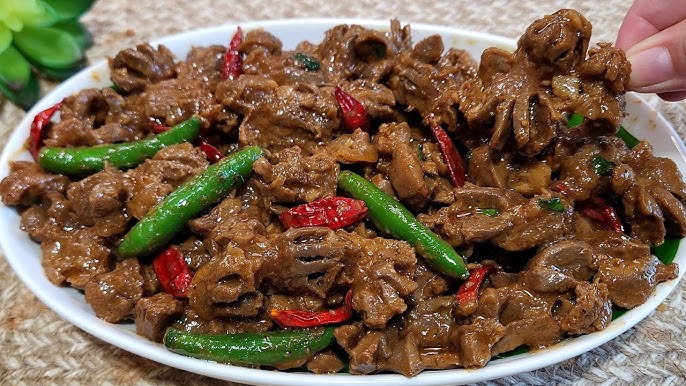
Chicken Gizzards Recipe: If you’ve ever looked at a pack of chicken gizzards in the store and thought, “What on earth do I do with these?” — you’re in the right place.
This step-by-step guide will walk you through everything from understanding what gizzards are, to preparing, seasoning, and cooking them to perfection. Whether you want a tender, melt-in-your-mouth dish or a crispy, deep-fried snack, this recipe has you covered.
The process is simple but full of flavor potential. By the end, you’ll not only know how to make them taste amazing, but you might just turn them into your new favorite protein.
What Are Chicken Gizzards?
A chicken gizzard is part of the bird’s digestive system — specifically, a small but powerful muscle that helps grind up food before digestion. It’s slightly chewy by nature, but with the right cooking method, it becomes incredibly tender. In many cultures, gizzards are considered a delicacy, from the crispy fried gizzards of the American South to flavorful stews in African and Asian cuisines.
They’re inexpensive, packed with nutrients, and highly versatile in cooking styles. The best part? They absorb seasoning beautifully, so you can tailor them to suit any flavor profile, from savory and garlicky to spicy and bold.
Why You Should Try Cooking Them
Chicken gizzards are a budget-friendly protein source that’s often overlooked in modern kitchens. If you enjoy dark meat chicken, you’ll probably love gizzards — they have a rich, slightly gamey flavor and a meaty bite that works in everything from soups to skewers. Plus, because they’re so nutrient-dense, they’re a fantastic way to add variety and extra protein to your meals. The preparation is simple, the cooking time is manageable, and the taste is unforgettable.
Nutritional Value of Chicken Gizzards
Health Benefits
Chicken gizzards are loaded with protein, making them excellent for muscle repair and growth. They’re also rich in essential vitamins and minerals such as iron, zinc, phosphorus, and vitamin B12, which support red blood cell formation and overall energy levels. The low fat content (when cooked without heavy frying) makes them a healthier choice than many processed meats.
Another bonus? They’re high in collagen, which can benefit joint and skin health. If you’re on a high-protein or keto diet, gizzards fit perfectly into your meal plan.
Nutritional Facts per Serving
For a 100-gram serving of boiled chicken gizzards, you can expect roughly:
- Calories: ~94 kcal
- Protein: ~18 g
- Fat: ~2 g
- Carbohydrates: 0 g
- Iron: ~2.5 mg
- Vitamin B12: ~1.5 mcg
This nutrient profile makes them a lean, protein-rich food option that’s both filling and satisfying.
Ingredients You’ll Need
Main Ingredients
To prepare a classic chicken gizzards recipe, you’ll need:
- 1 lb (450 g) chicken gizzards – cleaned and trimmed
- 1 medium onion – diced
- 2–3 garlic cloves – minced
- 1–2 bay leaves – for aroma
- 1 tsp salt – to taste
- ½ tsp black pepper – freshly ground
- 2 cups water or chicken broth – for boiling
Optional Add-ons for Extra Flavor
Depending on your taste preferences, you can add:
- 1 tsp paprika – for smokiness
- ½ tsp chili powder or cayenne – for heat
- 1 tsp dried thyme or oregano – for herbal depth
- 2 tbsp soy sauce – for umami richness
- Lemon juice – for brightness
These optional additions allow you to customize your gizzards to suit your flavor cravings, whether you want them spicy, savory, or tangy.
Tools & Kitchen Equipment
Essential Cooking Tools
Before you start, gather:
- Large pot – for boiling gizzards
- Frying pan or deep fryer – if making fried gizzards
- Strainer – to drain after boiling
- Cutting board & knife – for trimming and chopping
Helpful Extras for Better Results
- Meat thermometer – ensures gizzards are fully cooked
- Tongs – for easy flipping while frying
- Slow cooker – for ultra-tender gizzards without constant attention
- Mixing bowls – for seasoning and marinating
With the right tools, you’ll make the process smoother, cleaner, and more efficient.
Preparing Chicken Gizzards for Cooking
Cleaning and Trimming
Chicken gizzards from the store are usually pre-cleaned, but it’s always good to give them a thorough rinse. Remove any yellow lining or excess fat. A sharp knife will make trimming easier. Place cleaned gizzards in a bowl of cold water with a bit of vinegar or lemon juice for 10 minutes to help remove any residual odor, then rinse again.
Marinating for Maximum Flavor
While gizzards can be cooked without marinating, letting them soak in a mix of spices, garlic, and a splash of vinegar or soy sauce for 30 minutes can boost flavor and tenderness. You can marinate them overnight for even deeper seasoning. The acid in the marinade helps break down muscle fibers, making them softer while enhancing taste.
Step-by-Step Cooking Guide
Step 1 – Boiling the Gizzards
Boiling is the first and most important step for tenderizing gizzards. Start by placing your cleaned and trimmed gizzards in a large pot. Add enough water or chicken broth to fully submerge them. Toss in diced onion, minced garlic, bay leaves, salt, and pepper. Bring the pot to a boil over medium-high heat, then reduce to a simmer. Let them cook for 45–60 minutes, depending on the size of the pieces. The longer they simmer, the softer they get.
Boiling not only tenderizes but also infuses the meat with flavor from the aromatics. If you want extra depth, use chicken broth instead of plain water. After boiling, drain and set aside — but don’t throw away the broth! It can be used later as a soup base or gravy starter.
Step 2 – Pan Frying or Deep Frying
Once boiled, gizzards can be fried for that irresistible crispy texture. For pan frying, heat oil in a skillet, coat the gizzards lightly in seasoned flour (paprika, salt, and pepper work great), and fry until golden brown. For deep frying, heat oil to 350°F (175°C), coat the gizzards, and fry for 3–4 minutes per batch. Frying adds crunch while keeping the inside juicy. Serve with dipping sauces like garlic aioli or hot sauce for a satisfying snack.
Step 3 – Braising for Tenderness
Braising is another option if you prefer ultra-soft gizzards. Place boiled gizzards in a pan with onions, peppers, tomatoes, and your choice of seasoning. Add enough broth to cover halfway, cover with a lid, and simmer for 30–40 minutes. This method infuses flavor deeply and results in meat so tender you can cut it with a spoon. Braised gizzards go well with rice, mashed potatoes, or even crusty bread.
Popular Variations of Chicken Gizzards Recipes
Spicy Fried Gizzards
Coat boiled gizzards in a spicy flour mix made with cayenne pepper, chili powder, and smoked paprika. Fry until golden and serve with a creamy dipping sauce. The contrast of heat and creaminess is unbeatable.
Southern-Style Braised Gizzards
This version involves braising boiled gizzards with onions, celery, carrots, and a touch of garlic powder. It’s often served with cornbread or mashed potatoes for a classic Southern comfort meal.
Asian-Inspired Gizzard Stir Fry
Here, gizzards are sliced after boiling and quickly stir-fried with soy sauce, ginger, garlic, and mixed vegetables like bell peppers and snow peas. This makes a quick and healthy dinner packed with protein and flavor.
Tips for Perfect Chicken Gizzards Every Time
Avoiding Tough Texture
The key to soft gizzards is slow cooking — either by simmering them for at least 45 minutes or using a slow cooker for 4–5 hours. Skipping this step can leave them rubbery and unpleasant to chew.
Balancing Flavors
Because gizzards have a naturally rich, meaty taste, pairing them with acidic ingredients (lemon juice, vinegar, tomatoes) can help balance the flavor. Spices like paprika, cumin, and black pepper enhance their depth without overpowering them.
Side Dishes That Pair Well with Chicken Gizzards
Rice and Grains
Fluffy white rice, garlic fried rice, or even quinoa work well with both fried and braised gizzards. The neutral base helps soak up sauces and spices.
Vegetables and Salads
Cabbage slaw, sautéed greens, or roasted vegetables complement the richness of gizzards and add freshness to the plate.
Storing and Reheating Leftover Gizzards
Refrigeration Tips
Cooked chicken gizzards can be stored in an airtight container in the refrigerator for up to 3–4 days. Make sure they are completely cooled before storing to prevent excess moisture, which can lead to sogginess or spoilage. If you have fried gizzards, place a paper towel at the bottom of the container to help maintain some crispness.
Freezing and Thawing Properly
For longer storage, freeze gizzards in portion-sized freezer bags. They can last up to 3 months without losing too much flavor or texture. When you’re ready to eat them, thaw overnight in the refrigerator — never at room temperature — to keep them safe from bacteria growth. To reheat, use a skillet over low heat or an oven to bring back texture, especially for fried gizzards. Avoid microwaving if you want to preserve crispiness.
Common Mistakes to Avoid When Cooking Gizzards
- Skipping the boiling step – This often results in tough, chewy gizzards.
- Overcrowding the frying pan – Leads to steaming instead of crisping.
- Not seasoning enough – Gizzards need a good punch of flavor to shine.
- Using high heat for too long – Can dry them out, especially after boiling.
- Not trimming properly – Any leftover tough membranes can ruin the eating experience.
FAQs about Chicken Gizzards Recipe
Q1: Can I cook chicken gizzards without boiling them first?
Yes, but boiling first helps tenderize them. Skipping it may result in a tougher bite.
Q2: What’s the best seasoning for gizzards?
It depends on preference — paprika, garlic, cayenne, and black pepper are popular.
Q3: Can I cook gizzards in an air fryer?
Absolutely. Coat them lightly in oil and seasonings, then air fry at 375°F (190°C) for 12–15 minutes.
Q4: Are chicken gizzards healthy?
Yes, they’re low in fat and high in protein, vitamins, and minerals.
Q5: What’s the difference between gizzards and liver?
Gizzards are a muscle, while liver is an organ. They differ in taste, texture, and nutrition.
Conclusion
Cooking chicken gizzards might seem intimidating at first, but once you know the basics — cleaning, boiling, seasoning, and choosing your cooking method — they’re incredibly rewarding to prepare. Whether you enjoy them crispy-fried with hot sauce or braised until melt-in-your-mouth tender, gizzards can be a delicious, protein-packed addition to your meals. With a little patience and the right flavor combinations, you can transform this humble ingredient into a dish that impresses friends, family, and even yourself.