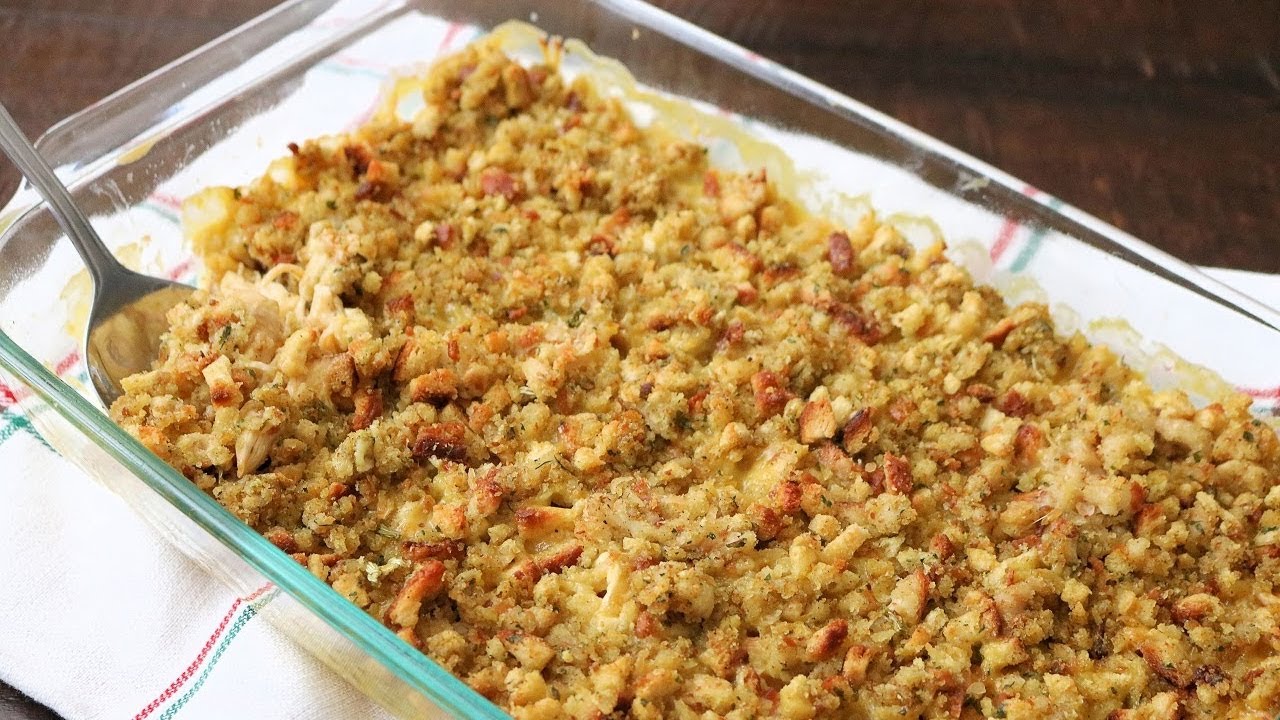
Chicken and Stuffing Casserole Recipe: If you’re looking for a dinner that’s hearty, flavorful, and incredibly easy to prepare, a chicken and stuffing casserole is your best friend in the kitchen. It’s the kind of dish that combines the savory comfort of roast chicken with the warm, homey feel of stuffing — all in one baking dish. This recipe is perfect for busy weeknights, family gatherings, or even as a comforting weekend meal when you want something filling without spending hours in the kitchen. The beauty of this casserole lies in its simplicity; most of the ingredients are pantry staples, and the steps are straightforward enough that even beginner cooks can nail it.
Think of it as the love child of a Thanksgiving dinner and a weekday casserole — quick to make, deeply satisfying, and almost impossible to mess up. Plus, with the flexibility to customize the flavors and ingredients, you can make it truly your own.
Why This Dish is a Comfort Food Favorite
There’s something magical about a dish that fills your home with the smell of roasted chicken, savory herbs, and buttery stuffing. Chicken and stuffing casserole is the ultimate comfort food because it combines familiar flavors in a way that feels indulgent yet wholesome. It’s creamy, flavorful, and textured — the tender chicken, soft stuffing, and slightly crispy top create a perfect bite every time.
Comfort food isn’t just about taste; it’s about nostalgia. For many people, chicken and stuffing recalls memories of holiday dinners, Sunday lunches at grandma’s, or those special nights when the family gathered for a homemade feast. This casserole brings that same warmth to your table without requiring hours of labor.
Another reason this recipe is loved is its adaptability. You can use fresh chicken breasts, rotisserie chicken, or even leftover turkey. You can make your stuffing from scratch or use a quick boxed mix. Either way, the result is cozy and satisfying.
The Origin and Popularity of the Recipe
While chicken and stuffing casserole doesn’t have a centuries-old origin story, it draws heavily from American comfort food traditions — especially the flavors of Thanksgiving. The idea likely evolved as a way to use up leftover poultry and stuffing after holiday meals, eventually becoming a standalone favorite for its convenience.
Over time, it’s become a go-to recipe in many households because it checks all the boxes: affordable ingredients, minimal prep time, and big flavor. In the age of Pinterest boards and YouTube cooking channels, the recipe has only grown in popularity, with countless variations popping up to suit different tastes and dietary needs.
Ingredients You’ll Need
Essential Ingredients for the Casserole
Here’s what you’ll need for a basic, no-fail chicken and stuffing casserole:
- Chicken breasts or thighs – about 2–3 cups cooked and shredded
- Stuffing mix – store-bought or homemade
- Cream of chicken soup – for that creamy, savory base
- Chicken broth – to keep the stuffing moist
- Butter – for richness and flavor
- Salt and pepper – to season
- Herbs – sage, thyme, or rosemary for extra flavor
These are the backbone of the dish. They work together to create the perfect blend of moist, flavorful chicken and a stuffing that’s fluffy inside but slightly crispy on top.
Optional Add-ons for Extra Flavor
If you want to take the flavor to the next level, consider adding:
- Sautéed onions and celery for crunch and aroma
- Shredded cheddar or mozzarella cheese for a gooey topping
- Mushrooms for an earthy depth
- Cranberries for a hint of sweetness
- Spinach or kale for extra greens
These add-ons let you tailor the casserole to your preferences or what you have on hand.
Ingredient Substitutions for Dietary Needs
This casserole can easily be adapted for dietary restrictions:
- Gluten-free: Use gluten-free stuffing mix and soup
- Dairy-free: Swap butter for plant-based margarine and use dairy-free cream soup
- Low-sodium: Choose low-sodium broth and soup to control salt levels
The recipe’s flexibility means you can enjoy it no matter your dietary requirements.
Kitchen Tools and Equipment
Must-Have Cooking Tools
Before you start, make sure you have:
- A 9×13-inch baking dish – the perfect size for even cooking
- A mixing bowl – to combine stuffing and broth
- A large skillet – for pre-cooking vegetables or chicken if needed
- Measuring cups and spoons – for accuracy
- A spatula or large spoon – for spreading layers evenly
These tools ensure the process is smooth from prep to bake.
Tips for Choosing the Right Bakeware
The type of bakeware you use can make a difference in texture. Glass baking dishes tend to distribute heat evenly and allow you to see the sides of your casserole as it cooks. Metal pans heat up quickly and may create a crispier crust. If presentation matters (like at a potluck), a ceramic baking dish offers both beauty and function.
Preparation Before Cooking
Prepping the Chicken Properly
If you’re starting with raw chicken, season it well and cook it until tender — either by baking, boiling, or sautéing. For maximum flavor, I recommend seasoning with salt, pepper, garlic powder, and a pinch of paprika. Once cooked, shred the chicken into bite-sized pieces.
Using rotisserie chicken is a time-saver and adds a rich, roasted flavor. Simply remove the skin, shred the meat, and discard any bones.
Preparing the Stuffing Mix
If using boxed stuffing, prepare it according to package directions but slightly undercook it so it doesn’t get mushy in the oven. For homemade stuffing, sauté onions and celery in butter, then mix with cubed bread, herbs, and broth until just moistened.
Chopping and Prepping Vegetables
If adding vegetables, chop them evenly so they cook at the same rate. Sautéing vegetables beforehand enhances their flavor and prevents excess moisture from making the casserole soggy.
Step-by-Step Guide to Making Chicken and Stuffing Casserole
Step 1 – Preheat and Prepare
Preheat your oven to 350°F (175°C). Grease your baking dish lightly with butter or nonstick spray. This prevents sticking and makes cleanup easier.
Step 2 – Layer the Chicken and Stuffing
In your greased baking dish, spread the shredded chicken evenly across the bottom. This layer acts as the base of your casserole, so make sure it’s distributed evenly. Season lightly with salt, pepper, and herbs for extra depth.
Next, take your prepared stuffing and gently spoon it over the chicken layer. Try not to press it down too firmly; you want the stuffing to stay fluffy. If you’re adding vegetables like sautéed onions, celery, or mushrooms, sprinkle them evenly over the chicken before adding the stuffing layer.
The key here is balance — you want each bite to have a bit of chicken and stuffing, so avoid big clumps of one ingredient in one spot. Think of it like building a lasagna, where layering and even distribution matter for flavor and texture.
Step 3 – Add Creamy Sauce and Seasoning
In a mixing bowl, combine the cream of chicken soup with a splash of chicken broth. This creates a sauce that’s rich enough to bind everything together but light enough that it won’t turn your casserole into mush. You can also mix in a bit of sour cream or cream cheese for extra creaminess.
Pour this mixture evenly over the stuffing layer, letting it seep down between the bread cubes. This will help the stuffing absorb flavor and keep the dish moist while baking.
At this stage, you can sprinkle shredded cheese on top if you want a gooey, cheesy crust. A mild cheddar or mozzarella works great, while Parmesan adds a sharper bite.
Step 4 – Bake to Golden Perfection
Slide your casserole into the preheated oven and bake for about 30–35 minutes. If your chicken was cold from the fridge or you’re using raw vegetables, you may need to extend the baking time by 5–10 minutes.
You’ll know it’s ready when the top is golden brown, the edges are bubbling, and the center is hot all the way through. If you like an extra-crispy topping, turn on the broiler for the last 2–3 minutes — but keep a close eye on it so it doesn’t burn.
Baking not only heats the dish but also melds the flavors, turning the stuffing crispy on top while staying tender underneath.
Step 5 – Resting and Serving
Once baked, remove the casserole from the oven and let it rest for about 5–10 minutes before serving. This resting time helps the layers settle and makes it easier to slice and serve without falling apart.
Serve the casserole warm, straight from the baking dish. It pairs beautifully with simple sides like green beans, roasted carrots, or a fresh salad.
If you’re serving at a family gathering, garnish with fresh parsley or thyme for a touch of color and freshness.
Tips for the Perfect Chicken and Stuffing Casserole
How to Keep the Chicken Juicy
The secret to juicy chicken in a casserole is not overcooking it before it even goes into the oven. If using raw chicken, cut it into bite-sized pieces and partially cook it so it finishes cooking during baking. If using cooked chicken, make sure it’s just heated through — too much time in the oven can dry it out.
Adding a bit of broth or sauce to the chicken layer before topping it with stuffing also helps lock in moisture.
Achieving a Crispy Topping
For the perfect contrast of textures, you want your stuffing to be soft underneath but crispy on top. Here’s how:
- Don’t oversaturate the stuffing with broth before baking.
- Bake uncovered so steam can escape.
- Add a few pats of butter on top before baking to help it brown.
If you’re a fan of that extra crunch, sprinkle breadcrumbs mixed with Parmesan over the top before it goes into the oven.
Common Mistakes to Avoid
Overcooking or Undercooking
One of the easiest mistakes to make is leaving the casserole in the oven too long, which can result in dry chicken and hard stuffing. On the other hand, undercooking means the center might still be cold or the vegetables underdone. Always check with a food thermometer — the internal temperature should be at least 165°F (74°C).
Not Balancing Flavors Properly
Stuffing mixes can be salty, especially if you’re also using canned soup. Taste as you go and adjust seasoning accordingly. Using low-sodium broth and soup can help you control the salt content better.
Also, remember that herbs like sage, rosemary, and thyme are strong — a little goes a long way. Overloading on them can overpower the delicate chicken flavor.
Serving Suggestions
Perfect Side Dishes to Serve With It
Chicken and stuffing casserole is hearty on its own, but pairing it with the right sides can turn it into a complete meal. Since the casserole is rich and savory, sides that bring freshness, crunch, or a touch of acidity work best. Some great pairings include:
- Green bean almondine – lightly sautéed green beans with slivered almonds for a nutty crunch.
- Roasted Brussels sprouts – caramelized with olive oil, salt, and pepper for a slightly bitter counterpoint.
- Simple garden salad – crisp lettuce, cucumbers, and cherry tomatoes tossed in a light vinaigrette to balance the richness.
- Glazed carrots – sweet and tender, they complement the savory flavors beautifully.
The key is to serve sides that won’t overpower the casserole but will instead provide a contrast in texture and flavor.
Beverage Pairings
When it comes to drinks, the goal is to choose something that can cleanse your palate between bites of the rich casserole. A few options:
- White wine – a crisp Chardonnay or Sauvignon Blanc cuts through the creaminess.
- Iced tea – unsweetened or lightly sweetened for a refreshing sip.
- Sparkling water with lemon – adds brightness without adding heaviness.
- Apple cider – warm or cold, it pairs especially well in autumn.
These beverages not only enhance the meal but also give it a more complete, restaurant-worthy feel.
Variations of the Recipe
Cheesy Chicken and Stuffing Casserole
If you’re a cheese lover, this twist is for you. Add shredded cheddar, mozzarella, or Monterey Jack between the chicken and stuffing layers, and sprinkle more cheese on top before baking. The result is a gooey, indulgent casserole with every bite pulling up delicious cheese strings.
For extra flavor, mix Parmesan into the stuffing before layering. You can even create a “three-cheese blend” for maximum richness.
Healthier Low-Calorie Version
For a lighter take without losing flavor, try these adjustments:
- Use skinless chicken breasts instead of thighs for leaner protein.
- Swap cream of chicken soup for a homemade sauce made from low-fat milk, a bit of flour, and chicken broth.
- Reduce the butter by half and replace with olive oil.
- Add extra vegetables like broccoli, spinach, or zucchini to bulk it up without many extra calories.
This version keeps the comforting essence of the dish but makes it more waistline-friendly.
Storage and Reheating Tips
Refrigerating Leftovers
Store any leftover casserole in an airtight container in the refrigerator for up to 3–4 days. To keep the stuffing from getting soggy, let the casserole cool completely before storing it. When reheating, cover loosely with foil and warm in the oven at 325°F until heated through.
Freezing for Long-Term Storage
This casserole freezes surprisingly well, making it perfect for meal prep. You can freeze it baked or unbaked:
- Baked: Cool completely, wrap tightly in foil, and freeze for up to 2 months.
- Unbaked: Assemble the casserole, wrap well, and freeze. When ready to cook, thaw overnight in the fridge and bake as directed.
Freezing in individual portions makes for quick, easy weeknight dinners.
FAQs about Chicken and Stuffing Casserole Recipe
Q1: Can I use turkey instead of chicken?
Absolutely. This recipe works beautifully with leftover turkey, especially after holidays.
Q2: What’s the best way to keep stuffing from getting soggy?
Avoid adding too much broth and bake uncovered to allow steam to escape.
Q3: Can I make this casserole in a slow cooker?
Yes, but the stuffing won’t get crispy. Cook on low for 4–5 hours or high for 2–3 hours.
Q4: Can I prepare it the night before?
Definitely. Assemble, cover, and refrigerate. Bake the next day, adding 10 minutes to the cook time.
Q5: What type of stuffing mix works best?
A traditional herb stuffing mix is classic, but cornbread stuffing adds a nice sweetness.
Conclusion
Chicken and stuffing casserole is a timeless comfort dish that’s as simple as it is satisfying. With tender chicken, savory stuffing, and a creamy sauce binding it all together, it’s the kind of recipe that can become a family tradition. Whether you keep it classic or experiment with creative add-ins, it’s a dish that works for weeknight dinners, potlucks, and even holiday meals.
By following the step-by-step guide and tips above, you’ll be able to create a casserole that’s perfectly balanced in flavor, texture, and presentation — every time.