Chicago Hot Dog Recipe: There are hot dogs… and then there’s the Chicago-style hot dog, a culinary icon that’s as much about tradition as it is about taste. Unlike the typical ballpark frank slathered in ketchup and mustard, the Chicago dog is a colorful masterpiece—stacked with layers of bold, tangy, and fresh toppings that perfectly balance each bite. It’s not just food; it’s a cultural statement. In fact, for many Chicagoans, this isn’t just lunch—it’s part of their city’s identity.
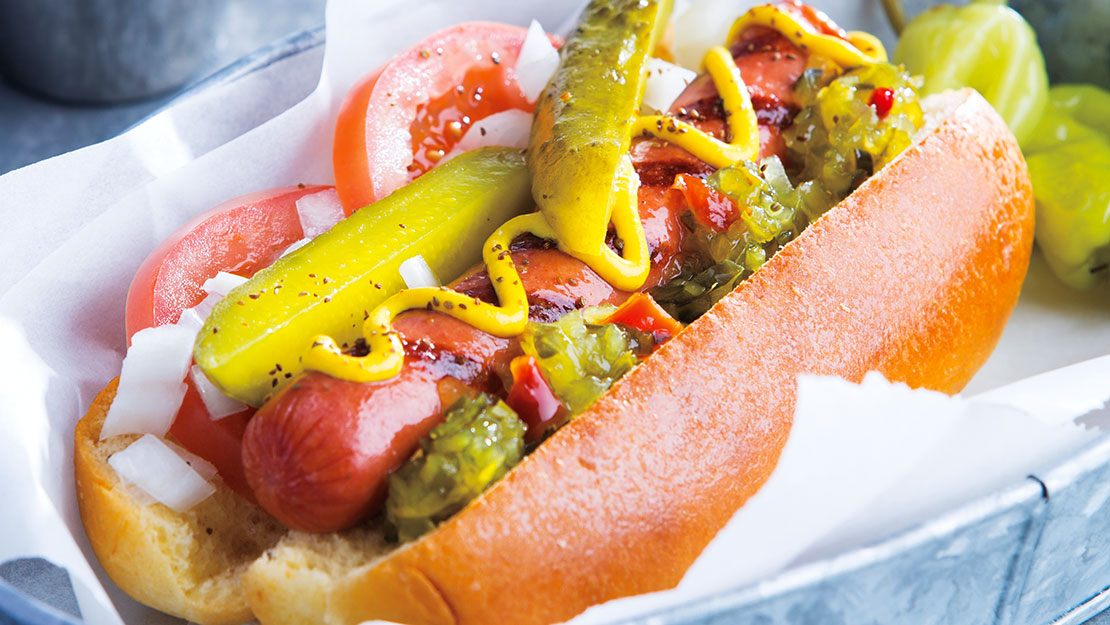
A true Chicago hot dog follows a very specific formula. You start with a steamed poppy seed bun, cradle an all-beef frankfurter, then build an edible rainbow: yellow mustard, neon green relish, chopped onions, juicy tomato wedges, a pickle spear, sport peppers, and a dash of celery salt. No ketchup allowed—ever. This isn’t just a rule; it’s a rite of passage for anyone making or eating one.
So why is it so special? It’s about balance. You’ve got heat from the peppers, tang from the mustard, sweetness from the relish, crunch from the pickle, and freshness from the tomatoes—all layered in a way that makes every bite exciting. The result? A flavor bomb that dances across your taste buds, leaving you instantly hooked.
What Makes it Unique
The Chicago dog is unique because it combines seven specific toppings, each contributing its own texture, flavor, and visual appeal. The ingredients aren’t just chosen for taste—they’re arranged to make sure each bite hits every flavor note possible. The “salad on a bun” approach means you’re getting vegetables, spice, sweetness, and tang in one handheld package.
Another defining trait? Tradition. The strict “no ketchup” policy isn’t just stubbornness—it’s about preserving the delicate flavor balance. Ketchup’s sweetness would overpower the tangy mustard and vinegar-based toppings, throwing off the harmony. Locals treat this rule like sacred law.
Finally, there’s the craftsmanship. You can’t just throw toppings on any old hot dog and call it Chicago-style. Each topping is applied in a specific order so that nothing slides off, and so you get an even distribution in every bite. That attention to detail is what makes it a legend.
History and Origins
The Chicago hot dog traces its roots back to the Great Depression of the 1930s. With money tight, street vendors looked for ways to offer affordable, filling meals. They hit gold with the all-beef hot dog—cheap, easy to cook, and packed with flavor. But they didn’t stop there; they loaded it with fresh vegetables to make it more filling without raising the price.
The concept quickly caught on, especially among working-class communities. It wasn’t just about taste—it was a smart economic choice. Over time, the style became more defined, and the combination of toppings became a tradition passed down through generations of Chicago vendors. Today, the Chicago dog is celebrated not just at food stands, but also at sports games, backyard barbecues, and even fine dining restaurants putting their own twist on it.
Ingredients You’ll Need
If you’re going to make an authentic Chicago hot dog at home, precision matters. The flavor profile is built on the combination of specific, high-quality ingredients. Substitutions can be made in a pinch, but if you want the real deal, stick to this list.
Hot Dog Components
- All-beef hot dogs – Vienna Beef is the classic choice for authenticity.
- Poppy seed hot dog buns – Lightly steamed, not toasted.
Condiments and Toppings
- Yellow mustard – French’s is traditional, but any smooth, tangy yellow will work.
- Bright green sweet relish – The neon color is part of the charm.
- Chopped white onions – Adds crunch and sharpness.
- Fresh tomato wedges – Juicy and fresh, not mushy.
- Pickle spear – Crisp and tangy, preferably a kosher dill.
- Sport peppers – Small, spicy, and pickled—these bring the heat.
- Celery salt – A sprinkle to tie all flavors together.
Optional Add-ons
- Sliced cucumbers for extra crunch.
- Jalapeños for a spicier kick.
- Sauerkraut for a tangy twist (not traditional).
Choosing the Right Hot Dog Sausage
When it comes to a Chicago-style hot dog, the sausage isn’t just another ingredient—it’s the backbone of the dish. You can load up on toppings all you want, but if the frankfurter is bland, the whole thing falls flat.
All-Beef Frankfurter
An authentic Chicago hot dog demands an all-beef frankfurter. Why all-beef? Because it has a richer, juicier flavor that can stand up to the bold toppings without getting lost. Pork blends tend to be milder and fattier, which can throw off the balance. The most famous choice is Vienna Beef, a Chicago institution since 1893. Their franks have the perfect snap when you bite into them, thanks to the natural casing.
Quality and Brand Recommendations
If you can’t find Vienna Beef, look for Nathan’s Famous or Hebrew National, which are widely available and still deliver that satisfying bite. Whichever brand you choose, make sure it’s:
- Natural casing for that signature snap.
- Quarter-pound or slightly smaller—big enough to fill the bun, but not so large it overwhelms the toppings.
- No fillers—you want pure beef, not mystery meat.
Preparing the Bun – The Foundation of Flavor
A Chicago hot dog without a poppy seed bun isn’t truly Chicago. This bun isn’t just a vessel; it’s part of the flavor experience. The poppy seeds add a subtle nuttiness and texture, while the soft interior keeps things tender enough to bite through without squishing the toppings out.
Poppy Seed Bun Details
Poppy seed buns are softer than your average grocery-store hot dog bun. They should have a slightly sweet aroma and a tender crumb. The poppy seeds on top add just enough texture without interfering with the smooth feel of the bread.
How to Steam Without Sogginess
Steaming is the preferred method for warming the buns because it keeps them soft without drying them out. But here’s the trick—you want moist, not wet.
- Use a stovetop steamer basket for about 1 minute.
- Wrap the buns in a clean towel while steaming to prevent direct moisture contact.
- Avoid microwaving—this can make them chewy and unevenly heated.
Step-by-Step Guide to Making a Chicago Hot Dog
This is where all the elements come together. The beauty of the Chicago dog is in its precise assembly.
Step 1 – Boiling or Steaming the Sausage
The sausage should be cooked until heated through but not bursting. Boiling in gently simmering water (not a hard boil) helps preserve the casing’s snap. Steaming is even gentler and can be done right alongside your buns.
Step 2 – Preparing the Bun
Your bun is more than a bread wrapper—it’s the stage for the Chicago hot dog’s grand performance. The secret is to make it just warm enough to be pliable but still sturdy. A cold bun feels stale, while an overly steamed bun becomes soggy and weak.
How to do it perfectly:
- If you have a steamer basket, place the buns inside for 30–45 seconds.
- If using a pot with boiling water, wrap the buns in a clean kitchen towel and place them over the steam for about 1 minute.
- If you must use a microwave, wrap the buns in a slightly damp paper towel and heat for no more than 10 seconds.
When done correctly, the bun should feel soft when pressed and spring back slightly—like a miniature pillow ready to cradle your toppings.
Step 3 – Adding Mustard (Never Ketchup!)
The very first topping on a Chicago-style hot dog is yellow mustard. This creates a tangy base layer that plays beautifully against the sausage’s savory richness. The key is to apply it in a thin, zigzag pattern down the length of the hot dog—enough to taste in every bite without overpowering the other flavors.
Why no ketchup?
Ketchup is sweeter and heavier, which disrupts the delicate tang-and-spice harmony. In Chicago, adding ketchup to a hot dog is like putting maple syrup on a cheeseburger—it’s just not done.
Step 4 – Piling on the Toppings in the Correct Order
The official “Chicago Dog Topping Sequence” goes like this:
- Yellow mustard – Base layer.
- Bright green relish – Adds sweetness and visual pop.
- Chopped onions – For crunch and bite.
- Tomato wedges – Juicy freshness.
- Pickle spear – Tangy crunch along one side.
- Sport peppers – Heat and tang in small bursts.
- Celery salt – The magic dust that ties it all together.
Layering in this order ensures the heavier toppings are supported, the flavors are balanced, and nothing falls out when you pick it up.
Step 5 – The Finishing Touches
Once your toppings are in place, resist the urge to add “just one more thing.” The Chicago dog is already a perfect blend—extra sauces or toppings will throw it off. Hold your creation in both hands, admire the rainbow of colors, and take that first bite. The snap of the sausage, the crunch of the pickle, the zing of the mustard—it’s a symphony in a bun.
Common Mistakes to Avoid
Even with the best intentions, it’s easy to make a misstep when preparing a Chicago-style hot dog.
Why Ketchup is a No-Go
We’ve said it before, but it bears repeating—ketchup will overpower everything. The original street vendors didn’t use it, and neither should you if you want authenticity.
Overloading the Bun
It’s tempting to heap on extra toppings, but too much weight will collapse your bun and create a mess. Stick to the official lineup and proper proportions for the perfect bite every time.
Tips for Serving and Presentation
Serving your Chicago hot dogs the right way can make all the difference, especially for a crowd.
Pairing with Sides
Classic sides include crinkle-cut fries, onion rings, or a scoop of coleslaw. For drinks, an ice-cold root beer or a local Chicago craft beer is a great pairing.
Serving for a Crowd
If you’re making these for a party, set up a “Chicago Dog Bar” with all toppings laid out in bowls so guests can build their own—just make sure they know the proper order (and the no-ketchup rule!).
Variations of the Chicago Hot Dog
While purists will argue there’s only one true Chicago-style hot dog, creative twists can be fun—especially if you have dietary restrictions.
Vegetarian and Vegan Options
Swap the beef frank for a plant-based sausage like Beyond Sausage or Field Roast. Use vegan buns and plant-based condiments, and you’ve got a cruelty-free Chicago dog that still hits all the flavor notes.
Spicy Chicago Dog
If you’re a heat lover, double up the sport peppers, add sliced jalapeños, or drizzle a little hot giardiniera over the top.
Nutritional Information
An authentic Chicago-style hot dog is delicious, but like all indulgent street foods, it’s best enjoyed in moderation.
Calorie Breakdown
A standard Vienna Beef Chicago dog with all toppings is around 350–400 calories.
Healthier Swaps
Use turkey sausage or a reduced-sodium beef frank, whole wheat buns, and skip the relish for a lower-sugar option.
FAQs about Chicago Hot Dog Recipe
1. Can I grill the hot dog instead of boiling or steaming?
Yes! Grilling adds a smoky flavor, but it’s slightly less traditional.
2. Where can I buy poppy seed buns?
Some grocery stores carry them, but specialty bakeries or online shops often have the most authentic versions.
3. What if I can’t find sport peppers?
You can substitute pickled jalapeños, but the flavor will be different.
4. Can I prepare toppings in advance?
Absolutely—chop onions and tomatoes ahead of time, but steam buns and cook the sausage right before serving.
5. Why is the relish so green?
It’s dyed to create the signature neon color, which is part of the Chicago hot dog’s iconic look.
Final Thoughts
The Chicago hot dog isn’t just a meal—it’s a piece of American culinary history. Each bite is a perfect balance of flavors, textures, and traditions that’s been perfected over nearly a century. Whether you’re making one for yourself or serving a crowd, following the authentic steps will make sure you get that unmistakable taste of Chicago.