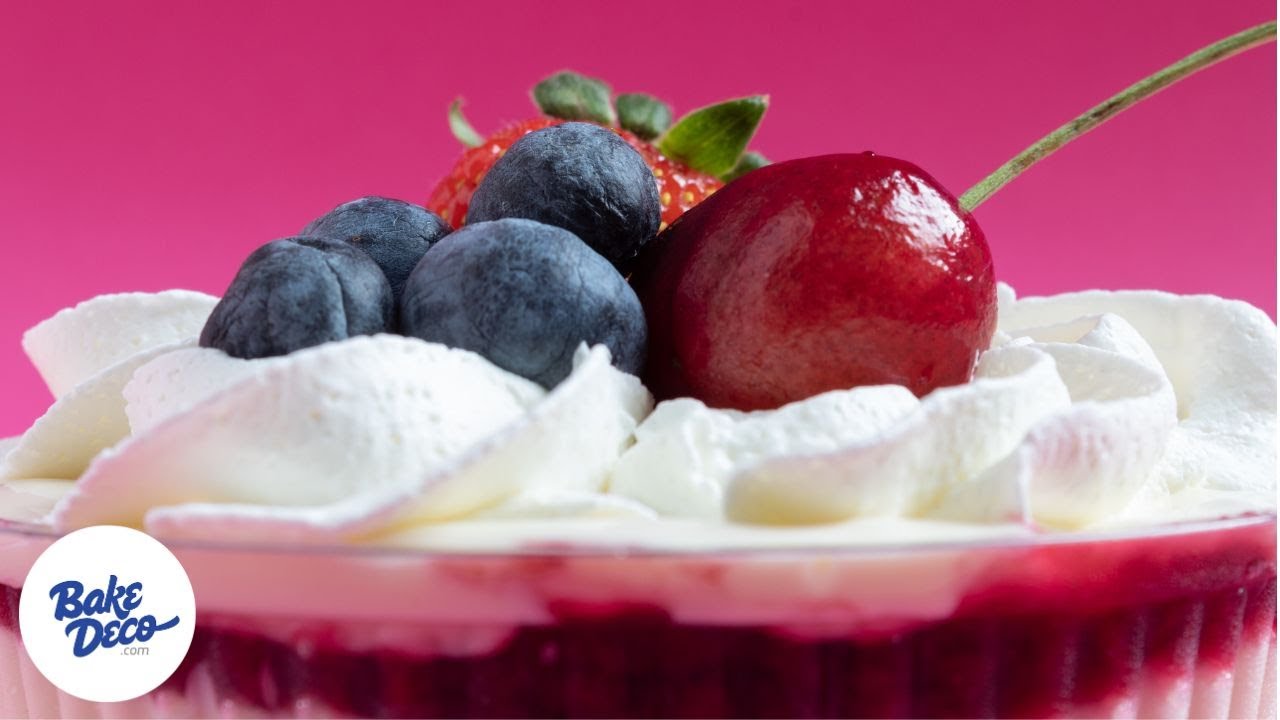
Chantilly Cream Recipe: Chantilly cream is essentially sweetened whipped cream, often enhanced with vanilla or other delicate flavorings to elevate its taste. While at first glance it may seem like nothing more than whipped cream with sugar, the difference lies in its refinement. Traditional whipped cream is plain; Chantilly cream takes it a step further with the addition of sugar and sometimes other flavor infusions like vanilla bean, almond extract, or citrus zest. The result is a silky, airy, and luxuriously sweet topping that complements both desserts and beverages. Think of it as the “fancy cousin” of regular whipped cream — elegant enough for a wedding cake, yet simple enough for a cup of hot cocoa.
A Brief History of Chantilly Cream
The origin of Chantilly cream traces back to France, specifically the Château de Chantilly in the 17th century. It is said to have been perfected by François Vatel, the master chef of the château, who served it to French nobility. Back then, sugar was a luxury item, so sweetened cream was considered an extravagant delicacy reserved for special occasions. Over time, the recipe spread across Europe, with chefs adapting it to suit regional tastes — some infused it with liqueurs, others with spices. Today, Chantilly cream has transcended its aristocratic origins, becoming a staple in patisseries, bakeries, and home kitchens worldwide.
Why It’s Loved Around the World
Part of Chantilly cream’s universal appeal lies in its versatility. It’s light yet indulgent, sweet but not overpowering, and pairs effortlessly with countless desserts — from fresh berries to chocolate soufflés. It’s also incredibly quick to prepare, requiring only a few minutes and minimal equipment. Whether you’re hosting an elegant dinner party or simply want to make a bowl of strawberries feel like a five-star treat, Chantilly cream is a go-to option. Plus, it can be flavored in endless ways to match the theme of your dish.
Ingredients You’ll Need
Core Ingredients
The beauty of Chantilly cream lies in its simplicity. The basic recipe calls for only three ingredients:
- Heavy cream (also called double cream or whipping cream) – At least 35% fat content is ideal for achieving that rich, stable texture.
- Powdered sugar (confectioners’ sugar) – Dissolves quickly, giving a smooth sweetness without grittiness.
- Vanilla extract or vanilla bean – Adds depth and warmth to the flavor.
A standard ratio is 1 cup (240 ml) of heavy cream to 2–3 tablespoons of powdered sugar and 1 teaspoon of vanilla extract, but you can adjust sweetness to taste.
Optional Flavor Additions
If you want to give your Chantilly cream a personal twist, consider:
- Almond extract – For a nutty, aromatic touch.
- Liqueurs (like Grand Marnier, Amaretto, or Kahlua) – Perfect for adult desserts.
- Citrus zest – Adds a refreshing brightness.
- Spices – Cinnamon, cardamom, or nutmeg for seasonal variations.
- Cocoa powder – For a chocolatey version.
Ingredient Quality Tips
When making Chantilly cream, ingredient quality matters more than you might think. The cream should be fresh and cold — ultra-pasteurized cream can work, but fresh cream often whips better. Choose real vanilla extract or, better yet, scrape the seeds from a vanilla bean for a more intense aroma. As for sugar, always use powdered sugar to avoid a grainy texture.
Equipment You’ll Need
Essential Kitchen Tools
To prepare Chantilly cream, you’ll need:
- Mixing bowl – Preferably stainless steel or glass, as these chill better than plastic.
- Whisk or electric mixer – A balloon whisk works for small batches; an electric hand mixer or stand mixer is best for larger quantities.
- Measuring cups and spoons – For accuracy.
Optional Tools for Better Results
While not strictly necessary, these can improve your results:
- Chilled metal mixing bowl – Speeds up the whipping process.
- Fine mesh sieve – To sift powdered sugar and avoid lumps.
- Piping bag with decorative tip – For elegant presentation on cakes and pastries.
Preparing Your Workspace
Before you start, make sure your workspace is organized. Have all ingredients measured and tools ready. Clear your counter so you can work without clutter. Chill your mixing bowl and whisk in the freezer for about 10–15 minutes — cold tools help the cream whip faster and hold its structure longer.
Step-by-Step Guide to Making Chantilly Cream
Step 1 – Chill Your Equipment
Temperature plays a critical role in making Chantilly cream. Warm cream whips poorly and can separate quickly, resulting in a soupy mess. Place your mixing bowl and whisk (or mixer beaters) in the freezer for at least 10 minutes before starting. If your kitchen is particularly warm, keep the cream in the fridge until the moment you begin whipping.
This step may seem trivial, but it’s the secret to achieving that cloud-like texture. Cold cream traps air more efficiently, allowing you to reach soft or stiff peaks without overwhipping.
Step 2 – Measure Your Ingredients Accurately
Baking and pastry work rely heavily on precision, and making Chantilly cream is no exception. Even though the recipe seems simple, the right proportions ensure perfect sweetness, texture, and stability.
Start by pouring 1 cup (240 ml) of heavy cream into a measuring cup, making sure it’s level with the measurement line — no guessing here. Measure 2 to 3 tablespoons of powdered sugar, depending on how sweet you want it. If you prefer a subtler sweetness, go for the lower end of the range. Finally, add 1 teaspoon of vanilla extract or the seeds from half a vanilla bean for that elegant aroma.
When measuring powdered sugar, sift it first to prevent clumps from forming in the cream. A fine mesh sieve is perfect for this. This step also ensures the sugar incorporates evenly, avoiding gritty spots. Remember — accuracy now means you won’t have to adjust later, which can risk overworking your cream.
Step 3 – Begin Whipping the Cream
Once your bowl and whisk are chilled, pour in the heavy cream. If you’re using a hand whisk, position your bowl at an angle and whisk in quick, controlled motions to incorporate air efficiently. For an electric mixer, start on a low to medium speed to avoid splattering.
At this stage, you’re aiming for soft peaks — when you lift the whisk, the cream should hold its shape but the tip will curl back slightly. This is your cue that you’re halfway there. It’s better to pause and check your progress frequently than to whip too far too fast.
Temperature is still key here. If you notice the cream softening too much during whipping (especially in a warm kitchen), you can briefly place the bowl over an ice bath to keep it cool. Slow and steady wins the race here — you’re building air into the cream without destabilizing it.
Step 4 – Add Sugar and Flavorings
Once you reach soft peaks, it’s time to incorporate sweetness and flavor. Gradually sprinkle in your sifted powdered sugar while continuing to whisk. Avoid dumping it in all at once — slow addition ensures it dissolves evenly and prevents clumping.
Next, pour in your vanilla extract or scraped vanilla bean seeds. This is also the stage where you can add optional extras like almond extract, liqueur, or citrus zest. Adding them now, rather than at the beginning, helps prevent the liquid ingredients from thinning out the cream before it’s properly aerated.
Continue whisking at a low to medium speed until everything is just combined. At this point, you’ll see the cream take on a slightly glossier appearance — a sign that the sugar has blended in perfectly.
Step 5 – Whip to Perfect Peaks
Now comes the most delicate part: getting the texture just right. For most desserts, you’ll want medium peaks — the cream stands upright when the whisk is lifted, but the tips bend gently. This consistency is perfect for topping pies, spooning over berries, or filling pastries.
If you’re decorating cakes or using a piping bag, you may prefer stiff peaks, where the cream holds firm and the tips stay completely upright. Be careful not to go beyond this point — overwhipped cream turns grainy and will quickly begin to separate into butter and liquid.
Once you’ve reached your desired consistency, stop whisking immediately. Transfer the cream to a piping bag if decorating, or serve straight from the bowl for a rustic presentation. If not using right away, store it in the refrigerator to maintain its texture until serving.
Common Mistakes to Avoid
Overwhipping the Cream
The most common Chantilly cream disaster is overwhipping. The transformation from perfect peaks to butter happens surprisingly fast — sometimes within just 10 seconds. Always keep a close eye during the final moments of whisking. If you see the cream turning grainy, stop immediately. A tiny splash of unwhipped cream can help rescue it if you’ve gone a touch too far.
Using Warm Equipment
Warm bowls and utensils are the enemy of Chantilly cream. The fat in cream needs to remain cold to trap air effectively; otherwise, you’ll end up with a runny mixture that refuses to hold shape. This is why chilling your tools beforehand is more than just a suggestion — it’s essential.
Adding Sugar Too Early or Too Late
Add sugar too early, and it can weigh down the cream before it has a chance to aerate. Add it too late, and you risk overwhipping while trying to incorporate it. The sweet spot is right after reaching soft peaks, ensuring the sugar blends in smoothly without destabilizing the cream.
Flavor Variations of Chantilly Cream
Vanilla Bean Chantilly
If you want to elevate your Chantilly cream to an artisanal level, swap standard vanilla extract for real vanilla bean. Simply slice the bean lengthwise, scrape out the seeds, and add them when you incorporate sugar. This variation gives the cream a rich, fragrant depth and those beautiful little black specks that signal pure quality. Vanilla bean Chantilly is perfect for pairing with fruit tarts, éclairs, or as a topping for warm bread pudding. The natural oils in the bean also enhance the cream’s aroma, making each spoonful smell as indulgent as it tastes.
Chocolate Chantilly
Chocolate lovers can rejoice — turning classic Chantilly cream into a cocoa-rich version is simple. Just sift 1–2 tablespoons of high-quality unsweetened cocoa powder along with the powdered sugar. For an even richer experience, melt a small amount of dark chocolate, let it cool to room temperature, and fold it into the whipped cream once it reaches medium peaks. Chocolate Chantilly works wonders as a cake filling, mousse topping, or dip for strawberries. The bittersweet cocoa balances the sweetness of the sugar, creating a dessert topping that’s both decadent and sophisticated.
Citrus-Infused Chantilly
For a bright, refreshing twist, add the zest of lemon, lime, or orange to your cream along with the sugar. The natural citrus oils cut through the richness, making this version especially delightful for summer desserts. Pair it with fresh berries, pavlovas, or sponge cakes for a light yet luxurious finish. You can even mix citrus zests for a more complex flavor — for example, combining lemon and orange creates a floral, sunny note that feels perfect for brunch menus or garden parties.
Best Ways to Use Chantilly Cream
On Cakes and Pastries
Chantilly cream is a natural companion for layered cakes, cream puffs, and éclairs. Its lightness makes it ideal for spreading between cake layers without weighing them down. For a rustic look, you can simply dollop it over sponge cake slices. For a more polished finish, pipe it using a star tip to create decorative swirls. In French patisserie, Chantilly cream often fills choux pastry shells or nests between layers of puff pastry, creating desserts like mille-feuille. It not only adds sweetness but also enhances the texture contrast between crisp pastry and airy cream.
As a Dessert Topping
Few things beat a generous spoonful of Chantilly cream melting over a warm brownie or fruit crumble. Its smooth texture balances the richness of chocolate or the tartness of fruit. You can also serve it with ice cream sundaes, pancakes, or waffles for an extra touch of indulgence. For a visual flourish, add a sprig of fresh mint or a dusting of cocoa powder over the cream before serving.
In Hot and Cold Beverages
Chantilly cream can also be a drink’s best friend. Imagine a cup of rich hot chocolate topped with a swirl of vanilla Chantilly, or an iced coffee with a dollop slowly melting into it. In Europe, it’s common to see coffee served “à la Chantilly,” meaning it comes crowned with sweetened whipped cream. This works equally well for milkshakes, frappés, and even cocktails like Irish coffee.
Storing and Preserving Chantilly Cream
Short-Term Storage Tips
Chantilly cream is best enjoyed fresh, but you can store it in the refrigerator for up to 24 hours. Keep it in an airtight container to prevent it from absorbing odors from other foods. If the cream begins to lose its volume, whisk it gently for a few seconds to restore its fluffiness.
Can You Freeze Chantilly Cream?
Freezing is possible, though not ideal. While the cream may hold some of its structure, thawing often leads to a watery, separated texture. If you must freeze it, pipe the cream into portions on a baking sheet, freeze until solid, then store in a sealed container. Use it straight from the freezer for topping hot drinks or warm desserts.
Reviving Deflated Cream
If your Chantilly cream has flattened slightly in the fridge, don’t panic. Simply whisk it for a few seconds to bring back its volume. Be cautious not to overwhip — a light hand is all you need to restore its airy texture without turning it into butter.
Nutritional Information
Calories and Macronutrients
A standard serving (about 2 tablespoons) of Chantilly cream contains roughly:
- Calories: 55–65
- Fat: 5–6g
- Carbohydrates: 2–3g
- Protein: 0.3g
These values will vary depending on the amount of sugar and any additional flavorings you use.
Health Considerations
Chantilly cream is undeniably indulgent, so it’s best enjoyed in moderation. The high fat content contributes to its luxurious texture but also means it’s calorie-dense. For those watching sugar intake, reducing the amount of powdered sugar or substituting with a sugar alternative can make it a little lighter without losing much flavor.
Lighter Alternatives
If you want a healthier version, try using half-and-half cream blended with Greek yogurt for extra protein and reduced fat. Coconut cream can be whipped in a similar fashion for a dairy-free alternative, and it pairs wonderfully with tropical desserts like pineapple upside-down cake or mango pavlova.
FAQs about Chantilly Cream Recipe
1. Can I make Chantilly cream without sugar?
Yes, but it will lack the subtle sweetness that balances its richness. You can substitute with honey, maple syrup, or sugar alternatives.
2. How long can Chantilly cream last?
It’s best fresh, but can be refrigerated in an airtight container for up to 24 hours.
3. Can I use non-dairy cream for this recipe?
Yes, coconut cream works well for a vegan option, though the flavor will be slightly different.
4. What’s the difference between whipped cream and Chantilly cream?
Whipped cream is unsweetened, while Chantilly cream contains sugar and often vanilla or other flavorings.
5. Can I make Chantilly cream in advance?
Yes, but prepare it no more than a day ahead and store it chilled to keep its structure.
Conclusion
Chantilly cream might be simple to make, but it’s one of those recipes that can transform even the most basic dessert into something truly special. With just a few ingredients, a little patience, and the right technique, you can create a topping that’s light, sweet, and endlessly versatile. Whether you stick to the classic vanilla version or experiment with flavors like chocolate and citrus, the result will always feel indulgent and elegant.