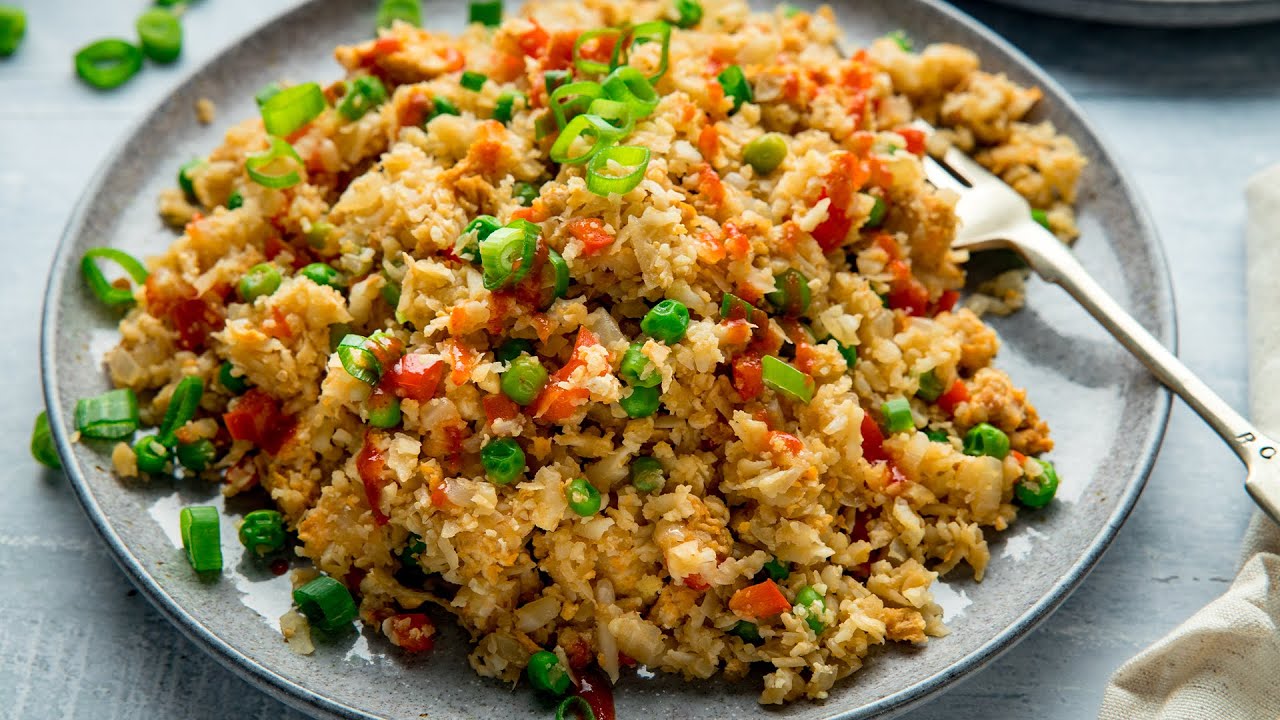
Cauliflower Fried Rice Recipe: Cauliflower fried rice has become a kitchen favorite for anyone who wants to enjoy the flavors of traditional fried rice without the heavy carbs. It’s light, flavorful, and surprisingly filling. The beauty of this recipe is that it works for almost every diet—you can make it vegan, keto-friendly, gluten-free, or high-protein with just a few tweaks. If you’ve ever felt guilty after a big bowl of regular fried rice, this is your chance to have the same comfort food feeling without the calorie overload.
The concept is simple: replace the rice with finely chopped or “riced” cauliflower. The result? A dish that’s lower in calories, higher in nutrients, and still satisfies your taste buds. Whether you’re cooking for yourself, your family, or guests, this recipe is sure to impress because it looks and tastes just like fried rice, yet it’s packed with wholesome goodness.
Why Cauliflower Rice is a Healthy Alternative
Cauliflower rice is a brilliant alternative to traditional rice for several reasons. First, it contains far fewer carbohydrates—making it perfect for those watching their carb intake. Second, it’s incredibly versatile; you can flavor it with soy sauce, garlic, ginger, or any seasonings you love. Third, it’s packed with fiber, which helps keep you full and satisfied without feeling heavy.
Compared to white rice, which can spike blood sugar levels quickly, cauliflower has a lower glycemic index. This means it releases sugar into your bloodstream more slowly, helping maintain steady energy levels. It’s also much lighter on the stomach, so you won’t feel sluggish after eating.
Nutritional Benefits of Cauliflower
Cauliflower is a nutritional powerhouse. It’s rich in vitamin C, which boosts your immune system, and vitamin K, which supports healthy bones. It’s also high in antioxidants that help fight inflammation. A single cup of cauliflower contains about 25 calories, which is a fraction of what you’d get from the same amount of rice.
It’s also a good source of choline, a nutrient important for brain health, and contains sulforaphane, a compound believed to have cancer-fighting properties. Plus, because it’s mostly water and fiber, cauliflower helps with hydration and digestion.
How This Recipe Fits into Various Diet Plans
Whether you’re following keto, paleo, Whole30, gluten-free, vegan, or vegetarian eating, cauliflower fried rice can be adapted for your needs. For keto, you can add more healthy fats like avocado oil or sesame oil. For vegan diets, skip the eggs and use tofu or tempeh for protein. If you’re paleo, avoid soy sauce and opt for coconut aminos instead.
The adaptability of this recipe is one of its best qualities. You can easily swap in seasonal vegetables, experiment with spices, or add different protein sources without losing the core essence of the dish.
Ingredients You’ll Need
Main Ingredients for Cauliflower Fried Rice
Here’s what you’ll need for a basic cauliflower fried rice recipe:
- 1 medium head of cauliflower (or about 4 cups riced cauliflower)
- 2 tablespoons cooking oil (olive, avocado, or sesame)
- 2 large eggs (optional for vegan)
- 1 cup mixed vegetables (peas, carrots, corn, bell peppers)
- 2 cloves garlic, minced
- 1 small onion, diced
- 2–3 tablespoons soy sauce or coconut aminos
- Salt and pepper to taste
Optional Ingredients for Extra Flavor
If you want to elevate the taste, you can add:
- Fresh ginger, grated
- Green onions, chopped
- A dash of sesame oil for aroma
- Chili flakes for a spicy kick
- Cooked chicken, shrimp, beef, or tofu for added protein
Ingredient Substitutions for Different Diets
- Vegan: Omit eggs, add tofu or tempeh
- Keto: Avoid sweet vegetables like corn, use more leafy greens
- Paleo: Use coconut aminos instead of soy sauce
Kitchen Tools and Equipment
Essential Tools for Preparing Cauliflower Rice
- Food processor or box grater (for ricing the cauliflower)
- Large skillet or wok
- Wooden spoon or spatula
- Sharp knife for chopping vegetables
Optional Gadgets to Make Cooking Easier
- Garlic press for faster prep
- Non-stick wok for even cooking
- Vegetable chopper for uniform cuts
Preparing the Cauliflower Rice
Using Fresh Cauliflower
Start by washing and drying the cauliflower thoroughly. Remove the leaves and cut the head into florets. Place the florets into a food processor and pulse until they resemble rice grains. Be careful not to over-process, or it will turn mushy.
Using Frozen Cauliflower Rice
Frozen cauliflower rice is a convenient option. Simply thaw it first and drain any excess moisture to avoid soggy fried rice.
Tips for Perfect Texture
The key to fluffy cauliflower rice is to keep it dry. After processing, pat it with a paper towel to absorb moisture. Cook it quickly over high heat to avoid steaming it into mush.
Step-by-Step Cooking Instructions
Step 1 – Prepping Your Ingredients
Before you start cooking, have everything ready. Chop your vegetables, beat the eggs (if using), mince garlic, and rice the cauliflower. This preparation makes the cooking process smooth and fast, just like a stir-fry should be.
Step 2 – Cooking the Vegetables
Heat oil in a large skillet over medium-high heat. Add onions, garlic, and mixed vegetables. Stir-fry for 3–4 minutes until tender but still crisp.
Step 3 – Adding the Cauliflower Rice
Push the vegetables to the side of the skillet and add the cauliflower rice. Cook for about 5 minutes, stirring occasionally, until slightly golden.
Step 4 – Seasoning and Flavor Enhancements
Pour in soy sauce or coconut aminos, add sesame oil, and sprinkle in your chosen spices. Stir well to coat the cauliflower rice evenly.
Step 5 – Serving Suggestions
Serve hot with extra green onions on top. Pair with grilled chicken, shrimp, or tofu for a complete meal.
Variations of Cauliflower Fried Rice
Vegan Version
For a vegan cauliflower fried rice, simply skip the eggs and use plant-based protein sources. Tofu is an excellent choice because it absorbs flavors beautifully when stir-fried with soy sauce, garlic, and sesame oil. Tempeh is another great option, offering a slightly nutty flavor and firm texture.
Instead of oyster sauce, use a vegan alternative or stick with soy sauce and sesame oil for flavor. You can also add edamame, mushrooms, or chickpeas to boost the protein content. The rest of the recipe remains the same—just load up on colorful vegetables like bell peppers, zucchini, broccoli, and peas.
The key to a good vegan version is balancing the savory umami flavors with fresh herbs like cilantro or Thai basil and adding a squeeze of lime before serving. This keeps the dish bright and vibrant while still being hearty enough for a main meal.
Low-Carb Keto Version
Cauliflower fried rice is already naturally low in carbs, but if you’re following a strict keto diet, you can make it even more suitable by adjusting the ingredients.
Skip starchy vegetables like corn and peas, and instead, focus on leafy greens, spinach, bok choy, or zucchini. Add healthy fats like avocado slices, coconut oil, or a generous drizzle of sesame oil for flavor and satiety.
Protein options for keto include eggs, chicken thighs, shrimp, or fatty fish like salmon. The combination of low carbs, moderate protein, and high fat makes this version perfect for staying in ketosis while enjoying a satisfying, flavorful meal.
High-Protein Version
If your goal is to boost protein intake—perhaps for muscle building or an active lifestyle—this variation will keep you full and fueled.
Start with the base recipe and add generous portions of cooked chicken breast, shrimp, lean beef, or even turkey. For a vegetarian high-protein twist, combine tofu, tempeh, and edamame.
You can also stir in cooked quinoa for extra protein while still keeping carbs low compared to traditional rice. A sprinkle of hemp seeds or roasted peanuts on top not only boosts protein but also adds texture and crunch.
Common Mistakes to Avoid
Overcooking the Cauliflower
One of the most common errors when making cauliflower fried rice is cooking it for too long. Cauliflower releases water as it cooks, and overcooking can result in a mushy texture. The goal is to keep it slightly firm, just like perfectly cooked rice.
A good rule of thumb is to cook over medium-high heat for no more than 5–7 minutes, stirring occasionally. This ensures the cauliflower rice is heated through without losing its bite.
Using Too Much Liquid
Another pitfall is adding too much sauce early in the cooking process. Since cauliflower doesn’t absorb liquid like rice, adding excess soy sauce or broth will make it soggy. The best approach is to add sauces toward the end of cooking and only in small amounts, tasting as you go.
If your cauliflower rice turns watery, you can salvage it by increasing the heat to evaporate the moisture quickly while stirring continuously.
Skipping Proper Seasoning
Cauliflower is mild in flavor, which means seasoning is crucial. Under-seasoned cauliflower rice can taste bland, no matter how well it’s cooked. Always use aromatics like garlic, ginger, and onions, along with a combination of soy sauce, sesame oil, and pepper.
Don’t be afraid to experiment—try curry powder for an Indian twist, chili paste for heat, or fresh herbs for brightness.
Storing and Reheating Tips
How to Store Leftover Cauliflower Fried Rice
Allow the fried rice to cool completely before storing. Place it in an airtight container and refrigerate for up to 4 days. This prevents condensation inside the container, which could make the rice soggy.
Best Reheating Methods for Fresh Flavor
The stovetop is the best way to reheat cauliflower fried rice. Simply heat a skillet over medium heat, add a little oil, and stir-fry until hot. This method keeps the texture crisp.
Microwaving is faster but can soften the cauliflower further, so if you choose this method, heat in short 30-second intervals and stir in between.
Health Benefits of Cauliflower Fried Rice
Weight Loss Support
Thanks to its low calorie and high fiber content, cauliflower fried rice can be a valuable part of a weight loss plan. Fiber helps keep you full, reducing the urge to snack between meals.
Blood Sugar Management
Unlike white rice, cauliflower has a minimal impact on blood sugar levels. This makes it an excellent choice for people with diabetes or anyone looking to stabilize energy throughout the day.
Nutrient Density
This dish delivers essential vitamins and minerals, including vitamin C, vitamin K, folate, and potassium. Combined with the antioxidants found in cauliflower and other vegetables, it’s a nutrient-packed alternative to traditional fried rice.
Pairing Ideas for Cauliflower Fried Rice
Protein Options
Cauliflower fried rice is delicious on its own, but pairing it with the right protein can turn it into a complete, satisfying meal. Popular choices include grilled chicken, baked salmon, stir-fried shrimp, or seared beef strips.
For vegetarians and vegans, plant-based proteins like marinated tofu, tempeh, or seitan make excellent companions. You can also add scrambled eggs directly into the fried rice for a traditional touch, or even top it with a fried egg for a richer flavor profile.
The key to pairing is balance—if your protein is heavily seasoned or spicy, keep the fried rice more neutral in flavor. Conversely, if your protein is plain and lightly seasoned, go bold with garlic, ginger, and soy sauce in the rice.
Side Dishes
While cauliflower fried rice can stand on its own, a few carefully chosen side dishes can elevate your meal. Consider serving it alongside:
- Steamed or stir-fried vegetables like broccoli, bok choy, or green beans
- A light Asian-inspired salad with sesame dressing
- Dumplings or spring rolls for a fusion-style spread
These sides add variety in texture and flavor, making the meal more dynamic without overshadowing the main dish.
Sauces and Condiments
Condiments can completely transform the flavor of your cauliflower fried rice. Here are a few great options:
- Chili oil for a spicy kick
- Teriyaki sauce for a sweet-savory balance
- Sriracha for heat and tang
- Hoisin sauce for depth and richness
If you enjoy tangy flavors, a splash of lime juice or rice vinegar at the end can brighten the dish.
Cauliflower Fried Rice for Meal Prep
Batch Cooking Techniques
Cauliflower fried rice is ideal for meal prepping because it stores well and reheats without losing much texture. To meal prep, simply make a large batch on Sunday and store in individual containers for the week.
If you’re short on time, you can prep the cauliflower rice in advance, store it raw in the fridge, and cook fresh batches in under 10 minutes whenever needed.
Storing in Portions
Divide your cooked cauliflower fried rice into single-serving airtight containers. This makes it easy to grab a healthy meal on busy days and helps with portion control.
If freezing, store in freezer-safe bags or containers, pressing out as much air as possible. Frozen cauliflower fried rice can last up to 2 months—just thaw in the fridge overnight before reheating.
FAQs about Cauliflower Fried Rice Recipe
1. Can I make cauliflower fried rice without a food processor?
Yes. You can use a box grater or even finely chop the cauliflower with a sharp knife. The texture might be slightly different, but it will still work.
2. Can I freeze cauliflower fried rice?
Absolutely. Just let it cool completely, store in airtight containers, and freeze for up to 2 months. Thaw before reheating.
3. How do I keep cauliflower fried rice from being soggy?
Dry the cauliflower well before cooking and avoid adding too much sauce. Cook on high heat to evaporate excess moisture quickly.
4. Can I make this dish oil-free?
Yes. You can use a non-stick skillet and sauté the vegetables in vegetable broth instead of oil.
5. Is cauliflower fried rice good for weight loss?
Yes. It’s low in calories and high in fiber, making it filling and supportive of weight management.
Conclusion
Cauliflower fried rice is more than just a healthy alternative to traditional fried rice—it’s a flavorful, versatile, and nutrient-rich dish that can fit into almost any eating plan. Whether you’re cooking it for weight loss, blood sugar control, or simply to sneak in more vegetables, this recipe delivers both taste and health benefits.
With endless variations, from vegan to high-protein to keto, cauliflower fried rice can be adapted to suit your preferences and dietary needs. By following the step-by-step guide and avoiding common mistakes, you can enjoy a light yet satisfying meal in under 30 minutes.
So the next time you crave fried rice, skip the takeout and whip up a batch of cauliflower fried rice—you’ll love the taste and how good it makes you feel.