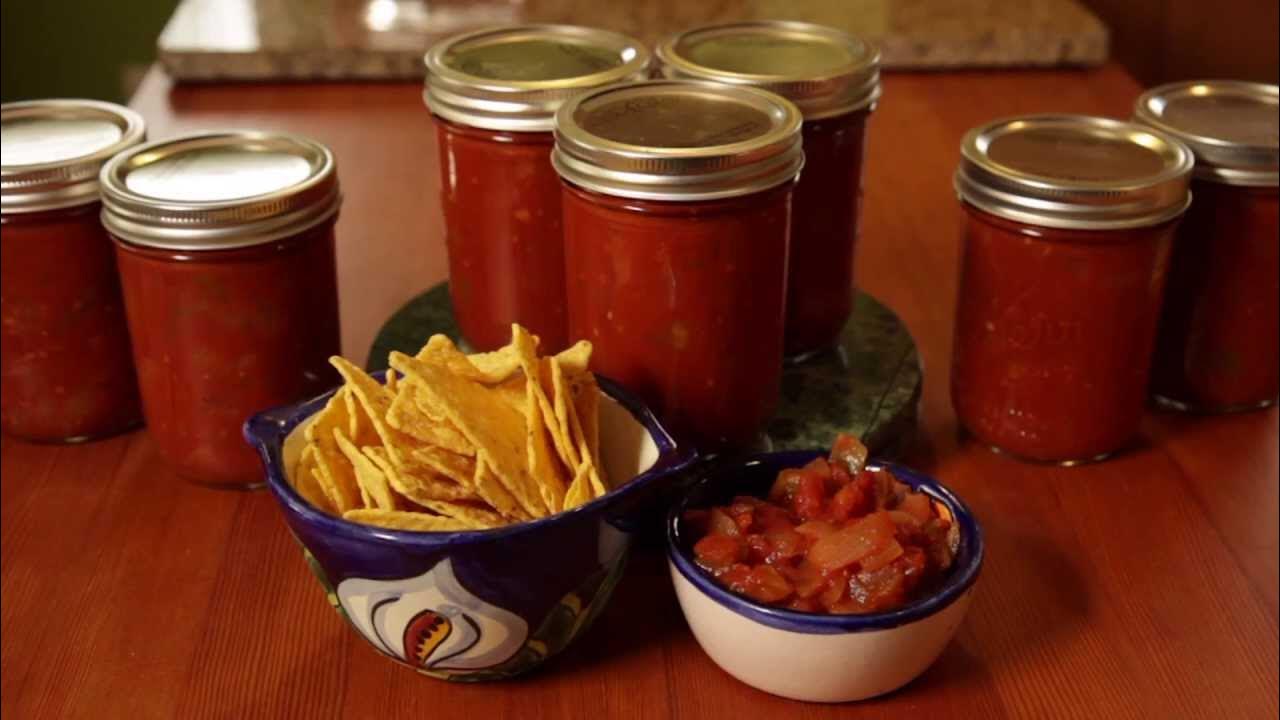
Canning Salsa Recipe: Canning salsa is one of those delightful kitchen traditions that blends culinary creativity with practicality. Imagine cracking open a jar of rich, flavorful salsa in the middle of winter—tomatoes at their peak, peppers bringing the perfect kick, and spices dancing on your taste buds. That’s the magic of canning: it lets you preserve the season’s bounty for months (or even years) without losing flavor.
Why Make Your Own Salsa at Home?
Store-bought salsa can be decent, but it’s rarely as fresh-tasting as what you can make in your own kitchen. By making your own, you get complete control over the ingredients. Want it fiery hot? Add more jalapeños. Prefer a sweeter, tangier taste? Adjust the vinegar and sugar levels. Not only does this customization allow you to create your dream salsa, but it also gives you peace of mind—you know exactly what’s in your jar.
There’s also a personal satisfaction in creating something from scratch. Home canning turns cooking into an act of craftsmanship. You’re not just following a recipe; you’re preserving memories, flavors, and the joy of summer gardens. And, let’s be honest, giving friends and family a jar of your homemade salsa can turn you into a local legend.
The Benefits of Canning Over Store-Bought Salsa
While buying salsa from the store is convenient, it can’t match the benefits of home-canned versions:
- No preservatives or artificial colors – just fresh produce and spices.
- Custom flavor – you decide the heat level, sweetness, and texture.
- Long shelf life – when processed correctly, your salsa can last 12–18 months in the pantry.
- Cost-effective – buying produce in bulk during peak season can save you money compared to premium store brands.
The difference in flavor is especially noticeable. Commercial salsas often have a “flat” taste from sitting in warehouses for months before reaching shelves. Home-canned salsa, on the other hand, bursts with brightness and depth—every bite reminds you of fresh summer gardens.
Understanding the Basics of Salsa Canning
Canning might seem intimidating if you’ve never done it before, but it’s a straightforward process once you understand the basics. It’s essentially the art of preserving food by sealing it in airtight jars, which prevents spoilage. For salsa, water bath canning is the most common method.
What is Canning and How Does it Work?
The principle behind canning is simple: by heating food in sealed jars, you destroy microorganisms that cause spoilage. The heat also forces air out of the jar, creating a vacuum seal as it cools. This airtight environment prevents bacteria, yeast, and mold from growing.
Salsa, being a mixture of vegetables and acidic ingredients, is perfect for water bath canning. The acidity (from vinegar or lemon juice) helps inhibit harmful bacteria like Clostridium botulinum, which can cause botulism.
Safety Precautions for Home Canning
When it comes to canning salsa, safety is non-negotiable. The acidity level must be high enough to prevent bacterial growth. That means always using the correct amount of vinegar or lemon juice recommended in tested recipes.
Here are some key safety tips:
- Always use canning-specific jars and lids.
- Do not alter acid or sugar levels unless you know the safe limits.
- Follow precise processing times for your altitude.
- Never reuse metal canning lids—they are designed for one-time use.
Think of these precautions as your insurance policy: they protect not just the flavor of your salsa, but also your health.
Ingredients You’ll Need for the Perfect Salsa
A great salsa begins with fresh, high-quality ingredients. The combination of juicy tomatoes, crunchy peppers, aromatic onions, and fragrant herbs creates a flavor profile that’s irresistible.
Choosing the Best Tomatoes for Canning
Not all tomatoes are created equal for salsa making. Paste tomatoes, like Roma or San Marzano, are ideal because they have fewer seeds, thicker flesh, and less water content. This gives you a thicker salsa without hours of cooking down the liquid.
If you can’t find paste tomatoes, you can still use regular slicing tomatoes, but you’ll need to cook them longer or strain off some liquid to get the right consistency. Always choose tomatoes that are ripe but firm, with no bruises or mold.
Essential Vegetables and Seasonings
For a classic salsa, you’ll need:
- Onions – yellow or white onions work best for balanced flavor.
- Peppers – a mix of sweet bell peppers and hot chili peppers like jalapeños or serranos.
- Garlic – fresh cloves, minced for maximum aroma.
- Fresh cilantro – for brightness (optional if you’re not a fan).
- Vinegar or lemon juice – for acidity and safety.
- Salt and sugar – to enhance and balance flavors.
Spices like cumin, paprika, or oregano can add depth, but they’re optional.
Adjusting Spice Levels to Your Taste
The heat of salsa comes from capsaicin in chili peppers, and each pepper type has its own heat profile. Jalapeños are moderately hot, while habaneros bring intense heat. Always taste a small piece before adding—it’s much easier to add more spice than to fix salsa that’s too hot.
If you’re canning for a variety of palates, consider making a medium-heat base salsa and adding fresh chili to individual servings before eating.
Tools and Equipment Required
Having the right equipment makes the process smoother and safer.
Must-Have Canning Tools
- Water bath canner – a large pot with a rack to keep jars off the bottom.
- Canning jars – Mason or Ball jars, with two-piece lids (flat lid + ring).
- Jar lifter – to safely handle hot jars.
- Ladle and funnel – for clean filling without spills.
- Bubble remover tool – or a non-metallic spatula to release trapped air.
Optional Equipment to Make the Process Easier
- Tomato peeler/corer – saves time prepping large batches.
- Food processor – for chopping vegetables evenly.
- Digital thermometer – to ensure salsa reaches safe cooking temperatures.
Having these tools ready before you start prevents the mid-process panic of realizing you’re missing something crucial.
Preparing Your Ingredients for Salsa Canning
The preparation stage is where the magic begins.
Washing and Chopping Vegetables
All produce should be washed under running water to remove dirt and bacteria. Avoid soaking in water for long periods, as this can leach nutrients and affect texture.
Chop your vegetables into uniform pieces to ensure even cooking. This also makes the salsa visually appealing, with every spoonful having a balanced mix of ingredients.
Peeling and Deseeding Tomatoes
Tomato skins can separate from the flesh during canning, creating an unpleasant texture. To remove skins easily:
- Score an “X” on the bottom of each tomato.
- Boil for 30–60 seconds until skins loosen.
- Transfer to ice water, then peel.
Deseeding is optional, but it helps make a smoother salsa. Simply cut the tomato in half and gently scoop out seeds before chopping.
Cooking the Salsa
Cooking is where all those fresh ingredients merge into a flavorful, cohesive blend. It’s also the stage where you control the texture and depth of flavor your salsa will have.
Combining Ingredients for the Perfect Flavor
Start by placing your chopped tomatoes, peppers, onions, garlic, vinegar (or lemon juice), salt, and any spices into a large, heavy-bottomed pot. Heavy-bottomed pots are important because they distribute heat evenly and reduce the risk of scorching—nothing ruins a batch of salsa faster than a burnt bottom.
As the mixture heats, the vegetables will release their juices. Stir often to prevent sticking, and allow the flavors to meld. If you’re using a mix of hot and sweet peppers, this is where the magic happens: the heat from chili peppers begins to infuse the entire pot, giving your salsa its signature kick.
Add fresh cilantro toward the end of cooking if you’re using it. This helps preserve its bright, fresh taste rather than cooking it into oblivion.
Cooking Time and Consistency Tips
Cooking time can range from 10 to 30 minutes, depending on how watery your tomatoes are and your desired thickness. For a chunkier salsa, cook less; for a smoother, more concentrated flavor, let it simmer longer.
If your salsa is too watery, you can:
- Simmer uncovered to allow evaporation.
- Strain off some liquid before cooking.
- Add tomato paste for a thicker consistency.
Keep in mind that salsa will thicken slightly after canning as it cools, so don’t over-reduce it in the pot.
Sterilizing Your Jars and Lids
Sterilizing jars is essential for safe canning. Any lingering bacteria could compromise the shelf life and safety of your salsa.
The Boiling Water Method
The simplest way to sterilize jars is to submerge them in a large pot of boiling water for at least 10 minutes. If you live at a higher altitude, you’ll need to add more time—generally 1 additional minute for every 1,000 feet above sea level.
Place jars upright in the pot, ensuring they are completely submerged. Keep the water boiling gently while you prepare the salsa.
Keeping Jars Hot Until Filling
Hot salsa needs to go into hot jars. If you let sterilized jars cool before filling, the sudden temperature change could cause them to crack.
To keep jars hot:
- Leave them in the hot water until just before filling.
- Or place them in a warm oven (around 200°F) until ready to use.
Lids should be washed in hot, soapy water and kept warm—not boiled—before sealing.
Filling the Jars with Salsa
The filling process is where your salsa starts its journey toward long-term preservation.
Proper Headspace for Canning
Headspace is the gap between the top of the food and the rim of the jar. For salsa, the recommended headspace is typically ½ inch. This space allows for expansion during processing and ensures a proper vacuum seal when cooling.
Use a funnel to avoid messy spills and keep the jar rims clean. Food residue on the rims can prevent proper sealing.
Removing Air Bubbles Before Sealing
Air pockets trapped inside your salsa can interfere with sealing and affect shelf life. After filling each jar, slide a non-metallic spatula or bubble remover tool around the inside edges to release trapped air.
Once the bubbles are gone, recheck the headspace and top up with salsa if needed. Wipe the jar rims with a clean, damp cloth to remove any residue. Place the lids on and screw the bands on fingertip-tight—not overly tight, as the air needs to escape during processing.
Processing the Salsa in a Water Bath Canner
Processing is the final cooking step that locks in freshness and ensures safety.
Understanding Processing Times
Place your filled jars onto the rack inside the canner, making sure they’re fully submerged with at least 1–2 inches of water above them. Bring the water to a full boil before starting your processing time.
Processing times vary, but for most salsa recipes, it’s around 15–20 minutes for pints and 20–25 minutes for quarts at sea level.
Altitude Adjustments for Canning
If you live above 1,000 feet in elevation, processing times must be increased to ensure proper heat penetration. For every additional 1,000 feet, add 1–2 minutes to your processing time.
This adjustment is critical—insufficient processing can lead to spoilage even if jars seem sealed.
Cooling and Storing Your Canned Salsa
Once processing is done, turn off the heat and let the jars sit in the canner for about 5 minutes. This rest period helps them adjust to the temperature change and reduces the risk of siphoning (when liquid escapes from the jar during cooling).
Using a jar lifter, carefully remove the jars and place them upright on a folded towel or cooling rack. Avoid placing them directly on a cold countertop, as the sudden temperature change could cause the glass to crack. Make sure the jars are not touching each other to allow for proper airflow during cooling.
Let the jars cool undisturbed for 12–24 hours. You might hear a satisfying “pop” as each lid seals—music to a canner’s ears. After the cooling period, check for a proper seal by pressing down on the center of each lid. If it doesn’t flex, you’ve got a good seal. If it does, refrigerate that jar and use it within a few days.
Store your sealed jars in a cool, dark place such as a pantry or basement. Avoid areas with direct sunlight or fluctuating temperatures. Properly processed salsa can last 12–18 months without losing quality, though it’s best consumed within a year for the freshest taste.
Common Mistakes to Avoid When Canning Salsa
Even experienced canners can slip up. Knowing the most common pitfalls will save you from disappointing results—or worse, unsafe food.
Overcooking or Undercooking the Salsa
Overcooking can cause your salsa to lose its vibrant color and fresh flavor, leaving it tasting dull. On the flip side, undercooking can result in watery salsa and unevenly blended flavors. Aim for a simmer that allows flavors to meld without breaking down the texture completely.
Not Following Proper Acid Levels
The acid level in salsa is critical for safety. Skipping or reducing the vinegar or lemon juice might seem harmless, but it can make the salsa unsafe for water bath canning. Always follow tested recipes for acid measurements to ensure the pH is below 4.6, which prevents bacterial growth.
Other mistakes include:
- Skipping jar sterilization – this increases the risk of contamination.
- Improper headspace – too little space can cause the jar to overflow; too much can prevent sealing.
- Tightening lids too much – this can trap air inside the jar, preventing a vacuum seal.
By avoiding these errors, you set yourself up for salsa that’s both delicious and safe to store.
Creative Variations of Salsa Recipes
Once you’ve mastered the classic tomato salsa, the possibilities are endless. You can swap out ingredients, experiment with different peppers, or even add fruits for a sweet-spicy twist.
Mango and Pineapple Salsa
For a tropical flair, replace some of the tomatoes with diced mango and pineapple. The natural sweetness balances the heat from chili peppers, creating a salsa that’s perfect with grilled chicken, fish tacos, or tortilla chips. Add lime juice and fresh cilantro for an extra burst of freshness.
Spicy Habanero Salsa
If you’re a heat lover, swap out some of the milder peppers for habaneros or Scotch bonnets. These fiery peppers bring intense heat and a fruity undertone. Pair them with roasted tomatoes, onions, and a touch of vinegar for a salsa that packs both flavor and punch.
Remember, with high-heat peppers, always wear gloves when chopping and avoid touching your face—especially your eyes!
Serving Suggestions for Homemade Salsa
Homemade salsa is far more versatile than a simple dip for chips.
Pairing with Mexican Dishes
Salsa shines alongside classics like tacos, enchiladas, burritos, and quesadillas. A spoonful of fresh salsa can brighten up a plate of nachos or add moisture and tang to grilled meats.
Using Salsa in Everyday Meals
Don’t reserve your salsa for Mexican night. Try it as a topping for scrambled eggs, a base for chili, or a flavorful stir-in for soups and stews. You can also mix it with sour cream or cream cheese to create a quick party dip.
The bold, tangy flavor of homemade salsa can turn even the simplest meals into something special.
Health Benefits of Homemade Salsa
Salsa isn’t just tasty—it’s also packed with nutrients that benefit your health.
Rich in Vitamins and Antioxidants
Tomatoes are loaded with vitamin C, potassium, and lycopene, a powerful antioxidant linked to heart health. Peppers bring vitamin A and capsaicin, which may boost metabolism. Onions and garlic offer immune-supporting compounds, making salsa a nutritional powerhouse.
Low-Calorie, Nutrient-Packed Snack
Unlike many store-bought dips, salsa is naturally low in calories and fat. It’s a guilt-free snack that delivers flavor without overloading your diet. The fiber from vegetables also helps keep you feeling full longer.
When you make salsa at home, you can control sodium levels, making it a heart-healthier choice compared to many commercial brands.
FAQs about Canning Salsa Recipe
1. How long does homemade canned salsa last?
When properly processed and stored in a cool, dark place, canned salsa can last 12–18 months.
2. Can I use lemon juice instead of vinegar in salsa?
Yes, but use bottled lemon juice for consistent acidity levels to ensure safety.
3. Do I have to peel tomatoes for salsa?
It’s highly recommended, as the skins can create an unpleasant texture in the final product.
4. Can I add corn or black beans to my canned salsa?
Not for canning. These ingredients lower acidity and require pressure canning. Add them fresh when serving instead.
5. Why didn’t my jars seal properly?
Possible reasons include insufficient headspace, food on the rim, or not processing long enough. Always check seals after 24 hours and refrigerate any unsealed jars.
Conclusion
Canning salsa is more than just a kitchen project—it’s a way to capture the flavors of summer and enjoy them all year long. With fresh ingredients, the right tools, and a bit of patience, you can create jars of salsa that outshine anything on the supermarket shelves. From classic tomato blends to creative fruity variations, the possibilities are endless.
Once you’ve mastered the basics, you’ll find yourself experimenting with new flavor combinations and spice levels, making each batch uniquely yours. Whether you’re stocking your pantry or sharing with friends, homemade canned salsa is a gift that keeps on giving.