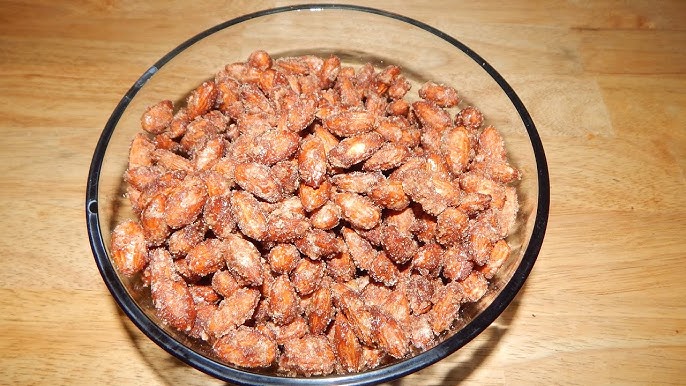
Candied Almonds Recipe: Candied almonds are one of those irresistible treats that bridge the gap between simple and gourmet. Picture this: crunchy almonds wrapped in a sweet, slightly caramelized coating that glistens like sugar crystals under the light. Whether you’ve encountered them at a Christmas market, a county fair, or simply made them in your own kitchen, the first bite always delivers a delightful crunch followed by a melt-in-your-mouth sweetness.
The beauty of candied almonds lies in their versatility. They’re not just a holiday snack — though they certainly shine during festive seasons — they also work beautifully as gifts, party favors, or toppings for desserts. The process of making them is surprisingly straightforward, but the results are anything but ordinary. With the right balance of sugar, spice, and patience, you can transform plain almonds into a snack that people can’t stop grabbing by the handful.
Candied almonds have deep roots in culinary history. Variations of this sweet treat exist in German, Spanish, and Middle Eastern cuisines. In Germany, they’re known as Gebrannte Mandeln and are a Christmas market staple, while in Spain, they’re called almendras garrapiñadas, often flavored with cinnamon or vanilla. These cultural variations show just how beloved and adaptable this recipe is. In this guide, you’ll learn not only how to make them but also how to tweak them to match your taste preferences.
What Are Candied Almonds?
Candied almonds are simply almonds coated in a layer of crystallized or caramelized sugar. This coating is usually achieved by cooking almonds with sugar, water, and sometimes spices until the sugar melts, coats the nuts, and hardens upon cooling. The result is a glossy, crunchy shell that contrasts beautifully with the nutty interior.
There are two main styles of candied almonds:
- Crystallized Candied Almonds – These have a grainy sugar coating that sparkles and gives a light crunch.
- Caramelized Candied Almonds – These are smoother, shinier, and have a richer flavor due to the sugar being cooked until golden brown.
Both styles can be customized with flavors like cinnamon, vanilla, cocoa, or even chili powder for a sweet-and-spicy twist. This adaptability makes them a year-round favorite — just change the flavor profile to suit the occasion.
Why They’re Loved Around the World
Candied almonds are universally adored for several reasons. First, they’re incredibly easy to make, requiring only a handful of pantry staples and about 30 minutes of active cooking time. Second, they appeal to both kids and adults — the sweet crunch satisfies a sugar craving, while the roasted almond flavor appeals to more sophisticated palates.
They also have a long shelf life when stored properly, which makes them perfect for gifting. In fact, many cultures incorporate them into celebrations. For example:
- In Europe – Sold at fairs, festivals, and Christmas markets.
- In the Middle East – Used in weddings and festive gatherings as a symbol of good fortune.
- In North America – Popular in holiday gift baskets and farmer’s markets.
It’s no surprise that this snack transcends borders and time periods. They’re the perfect balance of nostalgic comfort food and artisanal treat.
Ingredients You’ll Need
The ingredient list for candied almonds is refreshingly short — another reason this recipe is a winner. You’ll likely have most of the items already in your pantry.
Main Ingredients
- Raw Almonds – 2 cups (about 300g). Raw almonds work best since they roast while cooking with the sugar.
- Granulated Sugar – 1 cup (200g). White sugar gives a classic look, while brown sugar adds a caramel flavor.
- Water – ½ cup (120ml). This helps dissolve the sugar and evenly coat the almonds.
- Cinnamon (Optional) – 1 tsp for a warm, spiced flavor.
- Vanilla Extract (Optional) – 1 tsp for aroma and depth.
Optional Flavors and Variations
One of the best parts about making candied almonds is the freedom to experiment:
- Spiced Almonds – Add nutmeg, ginger, or pumpkin spice.
- Chocolate-Coated – Toss cooled candied almonds in cocoa powder.
- Sweet & Salty – Sprinkle with sea salt after coating for contrast.
- Chili-Infused – Add cayenne pepper for a spicy kick.
Equipment Needed
Making candied almonds doesn’t require fancy equipment, but using the right tools can make the process smoother and the results more consistent.
Basic Kitchen Tools
- Heavy-Bottomed Skillet or Saucepan – Helps distribute heat evenly and prevents sugar from burning.
- Wooden Spoon or Silicone Spatula – Essential for stirring without damaging the almonds.
- Measuring Cups and Spoons – Accuracy is key to getting the right sugar-to-water ratio.
- Baking Sheet – For cooling the almonds after coating.
Helpful Extras for a Perfect Batch
- Parchment Paper or Silicone Baking Mat – Prevents sticking and makes cleanup easier.
- Candy Thermometer – Optional, but useful if you want precise caramelization without guesswork.
- Heat-Resistant Gloves – Sugar syrup gets dangerously hot, so protection is important when stirring and transferring.
Preparing Your Almonds
Before you dive into the cooking process, a little preparation goes a long way toward ensuring perfect results.
Selecting Quality Almonds
Always start with fresh, high-quality raw almonds. Look for nuts that are plump, evenly colored, and free from cracks or shriveled skins. If you’re buying in bulk, smell them first — rancid almonds have a bitter odor.
Prepping for Cooking
If your almonds are dusty or have been stored for a while, give them a quick rinse under cold water and pat them dry completely. Moisture can cause uneven coating, so dry them well before adding them to the sugar mixture.
Once prepped, you’re ready for the fun part — turning them into shiny, crunchy delights.
Step-by-Step Cooking Process
Step 1 – Measuring Ingredients
Begin by gathering your essentials—raw almonds, granulated sugar, water, and a pinch of cinnamon or vanilla for extra flavor if desired. Measure everything precisely to keep the candying process smooth. Typically, you’ll use a 1:1 ratio of almonds to sugar, with just enough water to help dissolve the sugar. Having everything pre-measured means you can focus on timing, which is crucial for perfect candied almonds.
Step 2 – Melting Sugar
Place the sugar and water in a large, heavy-bottomed pan over medium heat. Stir gently until the sugar fully dissolves, then allow the mixture to come to a gentle simmer without vigorous stirring. This step transforms your sugar-water mixture into a glossy syrup, the foundation for that sweet, crunchy coating.
Step 3 – Coating the Almonds
Add the almonds to the syrup and stir continuously so each nut is fully coated. As the water evaporates, the syrup will thicken and cling to the almonds. Keep stirring until the sugar crystallizes into a sandy coating. Then, continue cooking until the sugar melts again slightly, giving the almonds a shiny, caramelized finish.
Step 4 – Cooling and Storing
Quickly spread the hot candied almonds onto a parchment-lined baking sheet, separating them with a spatula or fork to prevent clumping. Let them cool completely—this helps the coating harden for maximum crunch. Once cooled, store in an airtight container at room temperature to keep them fresh and crisp for weeks.
Tips for Perfect Candied Almonds Every Time
While the basic process is straightforward, a few small adjustments can make your candied almonds go from good to exceptional:
- Don’t Rush the Process – Keep the heat moderate and be patient; rushing can lead to burnt sugar or undercooked almonds.
- Keep Stirring – Consistent movement prevents sticking and ensures even coating.
- Test for Doneness – Break one almond in half; it should be crunchy all the way through, not chewy.
- Experiment with Flavors – Try adding orange zest, cocoa powder, or a pinch of chili for unique twists.
Flavor Variations for Candied Almonds
One of the best things about candied almonds is their adaptability. The base recipe is simple, but with a few tweaks, you can create flavors that match any season, occasion, or personal preference. Here are some tried-and-true variations that can take your candied almonds from classic to unforgettable:
1. Cinnamon Sugar Almonds
Perhaps the most popular twist, cinnamon sugar almonds are warm, cozy, and perfect for the holiday season. Add 1–2 teaspoons of ground cinnamon to the sugar mixture before adding the almonds. The spice infuses the syrup and clings to the almonds, giving them a fragrant, nostalgic flavor that pairs perfectly with a cup of hot cocoa or coffee.
2. Vanilla Bean Almonds
For a more delicate and aromatic treat, stir in a teaspoon of pure vanilla extract (or scrape out a vanilla bean) just before adding the almonds. This variation is smooth, subtly sweet, and ideal for gifting in elegant jars.
3. Cocoa-Dusted Almonds
If you’re a chocolate lover, this one’s for you. Once your candied almonds have cooled slightly (but are still tacky), toss them in unsweetened cocoa powder. This creates a rich, bittersweet contrast to the sugary coating.
4. Spicy-Sweet Almonds
For those who enjoy a little heat, add ¼ teaspoon of cayenne pepper to the sugar mixture. The result is a bold flavor that starts sweet but ends with a gentle, lingering spice. Perfect for parties where you want to surprise guests with something different.
5. Orange Zest Almonds
Add freshly grated orange zest to the sugar syrup before coating the almonds. The citrus brightens the flavor and pairs beautifully with the nutty base. This version is especially refreshing in spring or summer gift baskets.
By mixing and matching these variations, you can keep the recipe exciting and suit it to any event — from winter holidays to summer picnics.
Nutritional Benefits of Almonds
While candied almonds are undoubtedly a treat, it’s worth noting that almonds themselves pack quite a nutritional punch. So yes, you can feel a little better about indulging in this sweet snack.
Rich in Healthy Fats
Almonds are high in monounsaturated fats — the same heart-healthy fats found in olive oil. These fats help support cardiovascular health and can contribute to healthy cholesterol levels.
Packed with Protein
A small handful of almonds provides around 6 grams of plant-based protein, making them a satisfying snack that can help curb hunger.
High in Vitamins and Minerals
Almonds are loaded with essential nutrients, including:
- Vitamin E – An antioxidant that supports skin and immune health.
- Magnesium – Important for muscle function and bone health.
- Calcium – Supports bone density.
Fiber for Digestion
The fiber content in almonds helps promote good digestion and can contribute to a feeling of fullness, which may help with portion control.
Of course, when coated in sugar, these benefits should be enjoyed in moderation — but at least you know that under that sweet shell, you’re still getting a dose of wholesome nutrition.
Serving Suggestions for Candied Almonds
Candied almonds are incredibly versatile, and their uses extend far beyond being eaten by the handful. Here are some creative ways to enjoy them:
1. Party Snacks
Serve them in small bowls at gatherings. They pair wonderfully with wine, cocktails, or even beer, offering a sweet balance to savory appetizers.
2. Salad Toppings
Chop candied almonds roughly and sprinkle them over green salads, especially those with fruit like strawberries, pears, or apples. The sweetness complements tangy vinaigrettes beautifully.
3. Dessert Garnish
Use candied almonds as a topping for ice cream, cakes, pies, or even yogurt parfaits. The crunch and sweetness add texture and flavor to softer desserts.
4. Homemade Gifts
Package them in cellophane bags tied with ribbon or fill mason jars for charming, budget-friendly gifts. Add a personalized label for an extra touch.
5. Trail Mix Upgrade
Mix candied almonds with dried fruits, chocolate chips, and other nuts for a sweet-and-savory trail mix that travels well.
With so many uses, you might find yourself making multiple batches — one for snacking, one for gifting, and one for adding to recipes.
Common Mistakes to Avoid When Making Candied Almonds
Even though candied almonds are relatively easy to prepare, there are a few pitfalls that can turn a promising batch into a sticky, burnt mess. Knowing what to watch out for will save you time, ingredients, and frustration.
1. Using Too High Heat
One of the most common mistakes is cranking up the heat to speed up the process. High heat can cause the sugar to burn before the almonds have been properly coated, resulting in a bitter taste and dark, uneven color. Stick to medium or medium-low heat for best results.
2. Not Stirring Enough
If you stop stirring for even a minute during the coating stage, the almonds can clump together, and the sugar may settle unevenly. Consistent stirring ensures every almond gets an even layer of sweetness and prevents burning at the bottom of the pan.
3. Adding Flavorings Too Early
Certain ingredients like vanilla extract or citrus zest can scorch if added at the wrong time. Always wait until the sugar has dissolved or the coating stage has begun before introducing delicate flavorings.
4. Not Prepping Your Cooling Surface
The sugar coating hardens quickly once removed from the heat. If your baking sheet isn’t lined and ready, you’ll lose precious seconds and end up with large clumps of stuck-together almonds.
5. Overcrowding the Pan
Using too many almonds at once makes it harder for them to cook evenly and get fully coated. Stick to the recipe’s recommended amount, especially if you’re working with a smaller skillet.
By avoiding these mistakes, you’ll improve your chances of making perfect candied almonds every single time.
How to Store Candied Almonds
Candied almonds are best enjoyed fresh, but with proper storage, you can extend their shelf life without sacrificing texture or flavor.
Room Temperature Storage
Once the almonds have cooled completely, place them in an airtight container. Store in a cool, dry place away from direct sunlight. At room temperature, they should remain fresh and crunchy for up to two weeks.
Freezing for Longer Storage
If you want to keep them longer, candied almonds can be frozen. Place them in a freezer-safe container or heavy-duty freezer bag, removing as much air as possible before sealing. They can last up to three months in the freezer. When ready to eat, let them thaw at room temperature before serving.
Avoid Refrigeration
While it might seem like refrigeration would extend freshness, the humidity inside a refrigerator can cause the sugar coating to become sticky and lose its crunch.
Moisture Control Tip
In humid climates, slip a small, food-safe silica gel packet into the container to help prevent stickiness and maintain that satisfying crunch.
Making Candied Almonds for Special Occasions
Candied almonds aren’t just a casual snack — they can be a centerpiece treat for celebrations, weddings, and holiday events.
Weddings
In many cultures, sugared almonds symbolize wishes for health, happiness, and fertility. They’re often packaged in elegant sachets or boxes and given to guests as wedding favors.
Holidays
Christmas markets around the world feature warm, cinnamon-scented candied almonds, often served in paper cones. Making them at home can bring a touch of that festive magic to your celebrations.
Birthdays & Parties
Brightly colored versions can be made by adding food coloring to the sugar syrup. These make fun party favors or table decorations.
Corporate Gifts
Packaged in branded jars or tins, candied almonds make thoughtful gifts for clients or employees, especially during the holiday season.
With their simple elegance and long shelf life, candied almonds are a reliable go-to for any special occasion where you want to impress without spending hours in the kitchen.
FAQs about Candied Almonds Recipe
1. Can I use other nuts instead of almonds?
Yes! Pecans, cashews, and walnuts all work well with this method. Just adjust cooking times as softer nuts may cook faster.
2. Can I make candied almonds without water?
Yes, you can dry roast almonds with sugar directly, but adding water helps dissolve the sugar evenly for a more consistent coating.
3. How do I make vegan candied almonds?
This recipe is naturally vegan if you use plant-based ingredients, as no dairy or animal products are required.
4. What’s the difference between roasted almonds and candied almonds?
Roasted almonds are simply baked or pan-cooked without a sugar coating, while candied almonds are coated in crystallized or caramelized sugar for a sweet finish.
5. Can I double the recipe?
Yes, but you’ll need a larger pan and should be prepared to stir longer to ensure even coating.
Conclusion
Candied almonds are the perfect blend of simplicity and sophistication — easy enough for beginner cooks, yet impressive enough for gifting and entertaining. With just a handful of ingredients and a bit of patience, you can create a snack that’s sweet, crunchy, and endlessly adaptable. From classic cinnamon sugar to bold spicy variations, the possibilities are limited only by your imagination.
So, the next time you’re looking for a crowd-pleasing treat, skip the store-bought sweets and whip up a batch of homemade candied almonds. Not only will your kitchen smell amazing, but you’ll have a treat that’s as enjoyable to make as it is to eat.