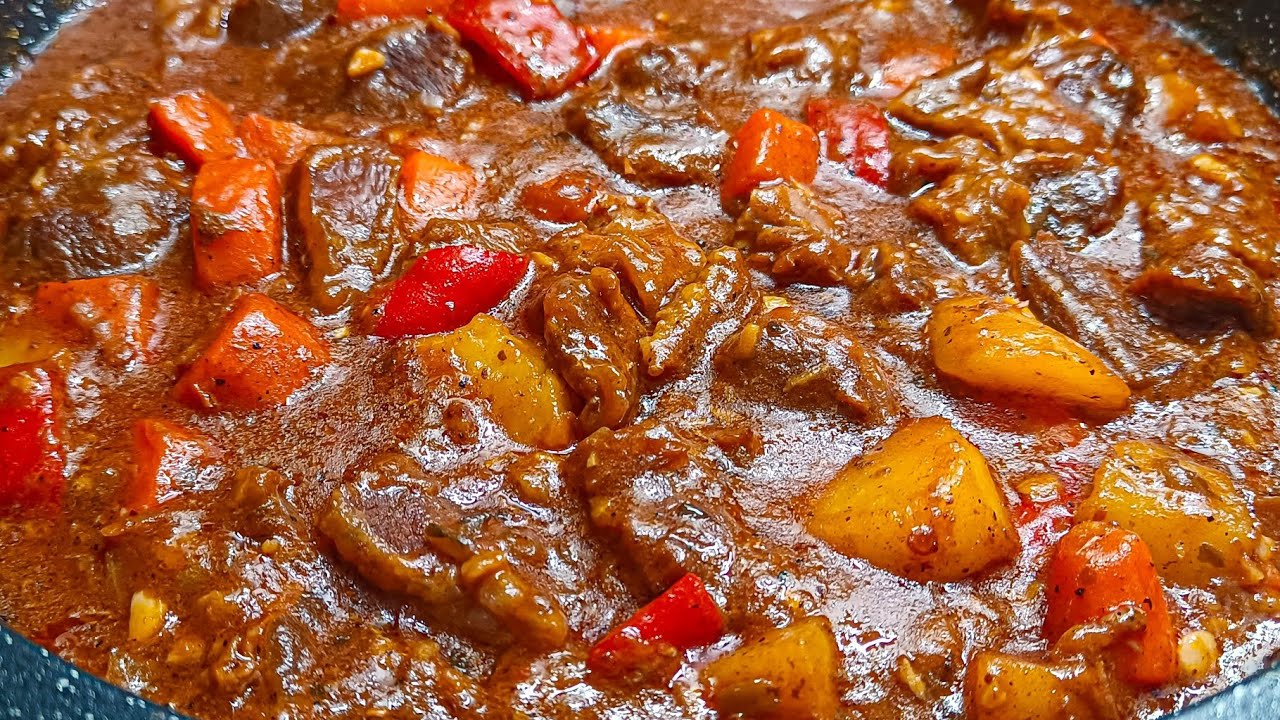
Caldereta Recipe: Caldereta is one of the most beloved stews in the Philippines, often enjoyed during special occasions, family gatherings, and Sunday lunches. It’s a rich, savory, and slightly tangy dish that’s bursting with flavor thanks to its combination of tender meat, vegetables, tomato sauce, and spices. Traditionally made with goat meat (called kalderetang kambing), it has evolved over the years, and now beef, pork, or chicken are also common.
What makes caldereta unique compared to other Filipino stews is its bold taste—often enriched with liver spread, olives, and cheese. These give it a creamy, velvety sauce with a depth of flavor that keeps people coming back for more. Unlike other stews that are mild and simple, caldereta proudly wears its complex flavor profile like a badge of honor.
Origin and Cultural Significance
The roots of caldereta can be traced back to Spanish colonial influence in the Philippines. The name itself comes from the Spanish word caldera, meaning cauldron, which reflects the slow-cooking process used to make the dish. Spaniards introduced meat stews with tomato-based sauces to the Philippines, and locals adapted the recipe using ingredients that were readily available.
Over the years, it has become more than just a meal—it’s a cultural symbol of celebration. In many Filipino households, you’ll find caldereta on the dining table during fiestas, weddings, birthdays, and even Christmas or New Year feasts. It’s not just food; it’s a dish that brings families together, often cooked in big pots and shared with everyone.
Why You’ll Love This Caldereta Recipe
Unique Flavor Profile
If you’ve never had caldereta before, imagine the richness of beef stew but with a twist: it’s tangy from tomatoes, earthy from liver spread, savory from meat, and slightly sweet from slow-cooked vegetables. This layering of flavors makes every spoonful exciting.
Liver spread (or pâté) adds an umami punch that makes the sauce thicker and more luxurious. The addition of green peas, carrots, bell peppers, and sometimes even potatoes makes it a complete, hearty meal in one bowl. And if you’re adventurous, you can throw in olives for a briny pop that cuts through the richness.
Versatility of the Dish
One of caldereta’s biggest strengths is its adaptability. You can make it spicy by adding chilies, creamy by adding more cheese, or even healthier by using chicken or plant-based meat substitutes. It’s perfect for large gatherings because it can be made ahead of time and reheats beautifully.
It’s also a dish that goes well with many sides—from plain steamed rice to garlic bread—so whether you’re hosting a formal dinner or a casual get-together, caldereta fits right in.
Ingredients You’ll Need
Main Protein Options (Beef, Goat, Pork, Chicken)
- Beef Caldereta – The most popular version. Use beef chuck or short ribs for the best results; these cuts become meltingly tender when slow-cooked.
- Goat Caldereta – The traditional choice. Goat meat has a unique flavor that works beautifully with the rich sauce, though it requires longer cooking to tenderize.
- Pork Caldereta – A more budget-friendly alternative, quicker to cook, and still flavorful.
- Chicken Caldereta – A lighter version for those who prefer white meat. Cooks faster and is a good choice for weeknight meals.
Vegetables and Spices
- Carrots, potatoes, and bell peppers for sweetness and texture
- Garlic and onions for the aromatic base
- Green peas for a pop of freshness
- Bay leaves for an earthy undertone
Special Ingredients for Authentic Taste
- Tomato sauce – The heart of the dish’s flavor
- Liver spread – For creaminess and richness
- Cheese – Melts into the sauce for added indulgence
- Olives – For a tangy, briny contrast
- Chili peppers (optional) – For those who like heat
Essential Cooking Tools and Equipment
Kitchen Tools for Preparation
- Sharp chef’s knife – For cutting meat and vegetables evenly
- Cutting board – Preferably wooden or plastic for easy cleaning
- Measuring spoons and cups – To keep flavor balance consistent
- Mixing bowls – For marinating and preparing ingredients
Cooking Equipment for Best Results
- Large heavy-bottomed pot or Dutch oven – Essential for even heat distribution and slow cooking
- Wooden spoon – Gentle on cookware and great for stirring thick sauces
- Tongs – Useful for browning meat evenly
- Ladle – For serving without breaking tender meat chunks
Step-by-Step Cooking Instructions
Step 1 – Preparing the Ingredients
Start by gathering all the essentials for your Caldereta. You’ll need chunks of beef, goat, or pork (whichever you prefer), potatoes, carrots, bell peppers, tomato sauce, liver spread, onions, garlic, chili (optional for heat), and your choice of spices. Wash and peel the vegetables, then cut them into bite-sized pieces. Having everything prepped before you start cooking will make the process smoother and faster.
Step 2 – Marinating the Meat
Place your chosen meat in a large bowl and season it generously with salt, pepper, soy sauce, and a splash of vinegar or calamansi juice for tang. Let it sit for at least 30 minutes to absorb the flavors. For an even deeper taste, marinate overnight in the fridge. This step helps tenderize the meat and gives your Caldereta that rich, savory base.
Step 3 – Browning the Meat
Heat a bit of cooking oil in a large pot over medium heat. Sear the marinated meat in batches to ensure even browning. Don’t overcrowd the pot—this allows the meat to caramelize instead of steaming. Browning the meat locks in juices and adds a deep, robust flavor to the stew.
Step 4 – Building the Flavor Base
In the same pot, sauté chopped onions and minced garlic until fragrant. Add tomato sauce and a spoonful of liver spread for that signature Caldereta creaminess. Stir well to combine, scraping up any browned bits from the bottom of the pot—these are flavor gold. Toss in chopped bell peppers for a sweet aroma.
Step 5 – Simmering to Perfection
Return the browned meat to the pot and pour in enough beef or chicken broth to cover everything. Bring to a gentle boil, then lower the heat and let it simmer for 1–2 hours, or until the meat is tender and the sauce thickens. Add the potatoes and carrots during the last 30 minutes so they cook just right—soft but not mushy. Taste and adjust seasoning before serving.
Tips for Perfect Caldereta Every Time
How to Keep Meat Tender
The secret to melt-in-your-mouth caldereta is patience. This is not a dish you rush. Cooking the meat low and slow allows the connective tissues to break down naturally, turning tough cuts into tender bites. If you try to cook it too quickly over high heat, you risk ending up with chewy, dry meat.
Another trick is to sear the meat before simmering. Browning locks in the juices and builds a deep, savory flavor. Deglazing the pan with a bit of broth or wine after searing helps capture all those delicious browned bits stuck to the bottom of the pot.
If you’re short on time, a pressure cooker can speed things up without sacrificing tenderness, but the slow simmering method still produces the richest flavors.
Balancing Flavors
A great caldereta is all about harmony between savory, tangy, and slightly sweet flavors. If the tomato sauce tastes too sharp, add a pinch of sugar or more cheese. If it feels too bland, adjust with salt, pepper, or even a splash of fish sauce for extra umami.
Some cooks swear by adding a small amount of peanut butter for creaminess, while others add more chili for a bolder kick. Taste-testing during the last 20 minutes of cooking is key—you can always tweak, but you can’t undo over-seasoning.
Common Mistakes to Avoid When Cooking Caldereta
Overcooking the Meat
It’s easy to get carried away and think longer cooking always means softer meat. While slow cooking is important, there’s a limit—especially if you’re using chicken or pork. Overcooking can make them stringy or mushy. For beef and goat, simmer until tender, then stop cooking to avoid breaking the meat apart.
Using Too Much or Too Little Seasoning
Caldereta relies on a delicate balance of flavors. Over-salting can overpower the dish, while under-seasoning makes it flat. Always season in layers—marinate the meat, season during browning, and adjust toward the end.
Skipping the liver spread or cheese can also strip away the richness that defines authentic caldereta, so if you must substitute, try mashed chicken liver or cream cheese for a similar effect.
Variations of Caldereta
Spicy Caldereta
For spice lovers, this version is a dream. Simply add chopped fresh chilies, bird’s eye chili (siling labuyo), or even chili flakes during the sautéing stage. Some also mix in hot sauce toward the end for a tangy heat. Spicy caldereta pairs beautifully with plain steamed rice, as the neutral grains mellow the fire.
Creamy Caldereta
Adding more cheese or even a splash of cream transforms the sauce into a luscious, silky texture. This variation is especially popular with kids and those who prefer milder flavors. You can also melt grated cheddar or quick-melt cheese during the last 10 minutes of simmering.
Vegan and Vegetarian Caldereta
Plant-based eaters don’t have to miss out—substitute meat with mushrooms, jackfruit, or tofu. Use vegetable broth instead of beef broth, and replace liver spread with mashed beans or mushroom pâté for depth of flavor. The slow-cooked vegetables soak up the tangy-sweet tomato sauce beautifully, making it just as comforting as the meaty version.
Best Side Dishes to Serve with Caldereta
Rice Options
The classic partner for caldereta is steamed white rice—it soaks up the sauce and balances the flavors. For a healthier alternative, try brown rice, which adds a nutty taste and more fiber. Garlic rice (sinangag) also works wonderfully if you want an extra punch of flavor.
Bread Pairings
Freshly baked pandesal or crusty French bread can be used to mop up the rich sauce. In some households, caldereta is even served with buttery dinner rolls, turning it into a fusion of Filipino and Western comfort food traditions.
How to Store and Reheat Caldereta
Refrigeration Tips
Once cooled, store caldereta in an airtight container in the fridge for up to four days. The flavors deepen over time, making the next day’s serving even better. Just be sure to reheat it thoroughly before eating.
Freezing for Long-Term Storage
Caldereta freezes exceptionally well. Portion it into freezer-safe containers, leaving a bit of space at the top for expansion. It can last up to three months frozen without losing flavor. Thaw overnight in the fridge and reheat gently on the stove, adding a splash of broth if the sauce has thickened too much.
Nutritional Information of Caldereta
Calorie Count and Macronutrients
A typical serving of beef caldereta (about 1 cup) contains roughly 350–450 calories, depending on the cut of meat and amount of cheese or liver spread used. The bulk of the calories come from protein and fat, making it a satisfying and filling dish.
Here’s a rough breakdown for a beef-based version:
- Calories: 380 kcal
- Protein: 25–30 g
- Carbohydrates: 15–20 g (mostly from vegetables and tomato sauce)
- Fat: 20–25 g
The balance of protein and carbs makes it ideal for those looking for a hearty meal, while the healthy fats from olive oil or cheese contribute to satiety.
Health Benefits and Considerations
Caldereta provides an excellent source of protein for muscle repair and maintenance. The vegetables offer vitamins A and C, plus dietary fiber for digestion. Lycopene from tomatoes is also a known antioxidant that may support heart health.
On the flip side, it can be high in sodium and saturated fat, especially if you’re generous with the cheese or liver spread. If you’re watching your salt intake, use low-sodium tomato sauce and limit added salt or soy sauce.
FAQs about Caldereta Recipe
1. Can I use pork for Caldereta?
Yes, pork works beautifully in caldereta. Pork shoulder or belly is ideal because they’re flavorful and tender when slow-cooked.
2. How long should I cook Caldereta?
Cooking time varies depending on the meat. Beef and goat need about 1.5–2 hours of slow simmering, while pork takes about 45 minutes to 1 hour. Chicken cooks fastest, usually in 30–40 minutes.
3. Can I make Caldereta without liver spread?
Yes, you can skip it, but you’ll lose some richness. Alternatives include mashed chicken liver, mushroom pâté, or even cream cheese for a similar creamy depth.
4. How can I make Caldereta creamier?
Add more cheese, a splash of heavy cream, or coconut milk during the final 10 minutes of cooking for a velvety texture.
5. Is Caldereta spicy?
Traditionally, it’s mildly spiced. But you can adjust the heat by adding chili peppers or hot sauce according to your preference.
Conclusion
Caldereta is more than just a stew—it’s a celebration of Filipino hospitality, history, and culinary creativity. Its bold, layered flavors and comforting richness make it a dish that brings people together, whether it’s a casual family lunch or a grand fiesta.
What makes it truly special is its adaptability. You can make it spicy or creamy, use beef or chicken, or even create a plant-based version. No matter how you tweak it, the essence of caldereta remains: a hearty, soul-warming meal best enjoyed with loved ones.
So the next time you’re craving something rich, tangy, and comforting, give this step-by-step caldereta recipe a try. Prepare your ingredients, take your time with the cooking, and enjoy every flavorful spoonful—you might just find it becoming a regular in your kitchen.