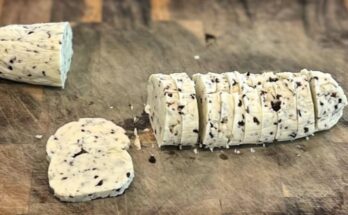
Butter Biscuits Recipe: Butter biscuits are one of those timeless treats that never fail to make a home smell warm and inviting. With their flaky texture, golden edges, and melt-in-the-mouth richness, they have a way of transforming a simple tea break into a special occasion. Whether you’re baking for a family gathering, preparing snacks for unexpected guests, or simply treating yourself, butter biscuits are the perfect choice.
These biscuits stand out because of their minimal ingredient list yet irresistible flavor. The magic lies in the balance of creamy butter, just enough sugar to enhance sweetness, and flour to hold everything together. They are simple enough for beginners but still a favorite among professional bakers.
Imagine biting into a warm biscuit fresh out of the oven—the edges slightly crisp, the center soft, and the taste bursting with buttery goodness. That’s the charm of a well-made butter biscuit. They are versatile too—you can keep them plain or dress them up with flavors like vanilla, lemon zest, or even chocolate chips.
What Makes Butter Biscuits Special
The real charm of butter biscuits lies in their texture and taste. Unlike cookies that often focus on chewiness or crispiness, biscuits strike a beautiful middle ground—soft yet structured, crumbly yet cohesive. This balance comes from the perfect incorporation of butter, which adds both flavor and structure.
Another reason butter biscuits are so loved is their adaptability. They pair beautifully with tea, coffee, or hot chocolate. They can be served plain for a light snack or sandwiched with cream for a more indulgent treat. Plus, they’re one of those recipes that look and taste fancy but require minimal effort—making them ideal for both last-minute baking sessions and planned celebrations.
A Brief History of Butter Biscuits
The origins of butter biscuits can be traced back to European baking traditions, where butter was a symbol of richness and celebration. In France, “sablé” biscuits—meaning sandy texture—are considered a close cousin. In England, tea biscuits became a staple during afternoon tea rituals, and butter was the ingredient that elevated them from plain to luxurious.
Over the centuries, the recipe spread across the globe, with variations emerging in different cultures. Some regions add spices, others swap out part of the butter for cream, but the essence remains the same—a soft, crumbly delight that makes any day brighter.
Ingredients You’ll Need
Making butter biscuits doesn’t require an overwhelming grocery list. In fact, part of their charm is that you can often whip them up with ingredients you already have at home. Here’s a typical list:
- Unsalted butter – Softened to room temperature for easy mixing.
- All-purpose flour – Provides the structure.
- Sugar – For sweetness; fine granulated sugar works best.
- Egg – Adds richness and binds the ingredients.
- Baking powder – Helps the biscuits rise.
- Milk – For moisture and tenderness.
- Salt – Enhances flavor.
The Role of Each Ingredient in Butter Biscuits
Each ingredient plays a crucial role:
- Butter gives richness, flavor, and a tender crumb.
- Flour provides the body and texture.
- Sugar doesn’t just sweeten—it also affects texture by tenderizing the dough.
- Egg contributes to structure and adds a golden color.
- Baking powder ensures the biscuits are light and fluffy.
- Milk makes the dough softer and easier to work with.
- Salt balances the flavors and enhances sweetness.
Substitutes for Common Ingredients
Sometimes you may find yourself missing a key ingredient—don’t worry, you can still make great biscuits.
- Butter substitute: Margarine or plant-based butter works, though flavor may differ.
- Flour substitute: Gluten-free blends can replace all-purpose flour for those with sensitivities.
- Sugar substitute: Honey, maple syrup, or coconut sugar can be used for different sweetness profiles.
- Milk substitute: Almond milk, oat milk, or coconut milk are good dairy-free options.
Tools and Equipment Required
While butter biscuits don’t demand fancy equipment, having the right tools makes the process smoother.
Essential Baking Tools
- Mixing bowls – One for dry ingredients, one for wet.
- Measuring cups and spoons – Accuracy is key in baking.
- Pastry cutter or fork – For incorporating butter into flour.
- Baking tray – A flat, non-stick tray ensures even baking.
- Rolling pin – Optional, depending on the shaping method.
Optional Gadgets for Easier Baking
- Stand mixer – Saves time and effort for large batches.
- Silicone baking mat – Prevents sticking without greasing.
- Cooling rack – Helps biscuits cool evenly and stay crisp on the outside.
Preparing for the Recipe
Preparation is often overlooked, but it’s the secret to smooth baking.
Preheating the Oven Correctly
Always preheat the oven to the required temperature before you start mixing. For butter biscuits, 350°F (175°C) is a standard setting. Preheating ensures even baking and prevents the biscuits from spreading too much.
Measuring Ingredients Accurately
In baking, accuracy is everything. Use the “spoon and level” method for flour—spoon flour into your measuring cup and level it with a knife to avoid packing too much. For butter, use a kitchen scale if possible.
Step-by-Step Method for Making Butter Biscuits
Here’s where the fun begins—the actual biscuit-making process.
Step 1 – Mixing the Dry Ingredients
In a large mixing bowl, combine flour, baking powder, sugar, and salt. Whisk gently to distribute the ingredients evenly.
Step 2 – Incorporating the Butter
Cut cold butter into small cubes and add to the flour mixture. Use a pastry cutter or fork to blend until the mixture resembles coarse crumbs. The butter should remain cold for the best flaky texture.
Step 3 – Adding the Wet Ingredients
Once your dry mixture is ready, make a well in the center and pour in your milk and lightly beaten egg. Using a spatula or wooden spoon, gently fold the wet ingredients into the dry mixture. You don’t want to stir too much here—overmixing is the fastest way to get tough biscuits instead of light, flaky ones.
Think of it like coaxing the ingredients together rather than forcing them. A few streaks of flour are okay at this stage; they’ll disappear during shaping. The dough should be soft and slightly sticky but still hold its shape when pressed together. If it feels too dry, add a teaspoon of milk at a time until it reaches the right consistency.
Step 4 – Shaping the Biscuits
Lightly flour a clean work surface and turn the dough out onto it. Using your hands, gently pat it into a rectangle about ¾ inch thick. You can use a rolling pin, but be careful not to press too firmly—this can squeeze out the air pockets that make biscuits fluffy.
Cut the dough into rounds using a biscuit cutter or the rim of a drinking glass dipped in flour. Avoid twisting the cutter as you press down; twisting seals the edges and prevents the biscuits from rising evenly. For a rustic look, you can simply cut the dough into squares with a knife—less waste and just as tasty.
Step 5 – Baking to Perfection
Place your biscuit rounds onto a baking tray lined with parchment paper or a silicone mat, spacing them about an inch apart. Brush the tops with a little milk for a golden finish, or with melted butter for an extra-rich crust.
Bake in your preheated oven at 350°F (175°C) for 12–15 minutes, or until the tops are golden brown and the edges are just starting to crisp. Keep an eye on them during the last few minutes—they can go from perfect to overdone quickly.
Once baked, transfer the biscuits to a cooling rack to prevent sogginess on the bottom. They’re best enjoyed warm, with a smear of butter or jam.
Tips for Perfect Butter Biscuits Every Time
Even though the recipe is straightforward, a few small adjustments can make a big difference in the final result.
Avoiding Overmixing
One of the most common mistakes is overworking the dough. Every time you knead or stir, you’re developing the gluten in the flour. A little gluten is necessary for structure, but too much makes biscuits tough instead of tender.
The golden rule? Handle the dough as little as possible. Mix just until the ingredients come together, and resist the urge to keep “fixing” the dough.
Choosing the Right Butter
The butter you choose can make or break your biscuits. High-quality unsalted butter is ideal because it gives you control over the salt content and usually has a richer flavor. European-style butter, with its higher fat content, produces biscuits with an even more indulgent taste and softer crumb.
Always keep your butter cold until the moment it goes into the flour. This ensures small pockets of butter melt during baking, creating the layers that make biscuits so wonderfully flaky.
Common Mistakes and How to Fix Them
Biscuits Too Dense
Dense biscuits often result from overmixing or from butter that has softened too much before baking. The fix? Work quickly, keep your ingredients cold, and mix minimally. You can even chill your dough for 10 minutes before cutting shapes to give the butter a head start on staying firm.
Biscuits Spread Too Much
If your biscuits lose their shape in the oven, it’s usually because the dough was too warm or too wet. Chilling the shaped biscuits for 10–15 minutes before baking can help them hold their form. Also, make sure your oven is fully preheated before they go in.
Variations of Butter Biscuits
Butter biscuits are a blank canvas for creativity. Once you master the basic recipe, you can experiment with flavors and textures to suit your mood or the occasion.
Sweet Variations
- Vanilla & Almond – Add a teaspoon of vanilla extract and a few drops of almond essence for a rich, aromatic flavor.
- Lemon Zest & Poppy Seed – Stir in the zest of one lemon and a tablespoon of poppy seeds for a refreshing twist.
- Chocolate Chip – Fold in a handful of mini chocolate chips for a kid-friendly treat.
- Cinnamon Sugar – Roll biscuit tops in a mix of cinnamon and sugar before baking for a warm, cozy flavor.
- Jam Thumbprints – Before baking, press a thumbprint into the center of each biscuit and fill it with your favorite jam.
Sweet variations are perfect for afternoon tea, festive gatherings, or even as homemade gifts packaged in a pretty tin.
Savory Variations
- Cheddar & Chive – Add shredded cheddar cheese and finely chopped chives to the dough for a savory side.
- Garlic & Herb – Mix in minced garlic and a teaspoon of dried Italian herbs for a biscuit that pairs beautifully with soups and pasta dishes.
- Bacon & Cheddar – Fold in crispy bacon bits and cheese for an indulgent breakfast biscuit.
- Rosemary & Parmesan – Sprinkle in fresh rosemary and grated Parmesan for a sophisticated flavor.
- Pepper & Cheese – Add a good crack of black pepper and sharp cheese for a biscuit with a kick.
Savory biscuits make an excellent companion to stews, salads, and charcuterie boards.
Serving Suggestions
A good butter biscuit is versatile enough to complement many meals or stand alone as a treat.
Best Beverages to Pair With
- Tea – Classic black tea, Earl Grey, or chamomile pair beautifully with both sweet and savory biscuits.
- Coffee – A cappuccino or latte works especially well with sweeter versions.
- Hot Chocolate – Perfect for kids or for cozy winter evenings.
- Milk – Nothing beats a warm biscuit and a cold glass of milk.
Creative Serving Ideas
- Breakfast Sandwiches – Slice biscuits in half and fill with scrambled eggs, cheese, and bacon.
- Dessert Stack – Layer biscuits with whipped cream and fresh berries for a quick shortcake.
- Soup Sidekick – Serve savory biscuits alongside creamy soups or stews.
- Cheese Board Addition – Add mini savory biscuits to a charcuterie spread for a homemade touch.
Storage and Shelf Life
Storing butter biscuits correctly ensures they stay fresh and delicious for as long as possible.
Short-Term Storage
Once cooled completely, biscuits can be stored in an airtight container at room temperature for 2–3 days. If you like them warm, reheat in the oven at 300°F (150°C) for about 5 minutes before serving.
Freezing for Long-Term Use
Butter biscuits freeze well both baked and unbaked.
- Baked: Cool completely, wrap individually in plastic wrap, then store in a freezer-safe bag for up to 3 months. Thaw at room temperature or warm in the oven.
- Unbaked: Freeze shaped dough rounds on a tray until firm, then transfer to a freezer bag. Bake from frozen, adding a few extra minutes to the baking time.
Nutritional Information
Calories and Macronutrients
A standard butter biscuit (about 50g) contains roughly:
- Calories: 200–220
- Carbohydrates: 25–28g
- Protein: 3–4g
- Fat: 10–12g
- Fiber: 0.5–1g
Values will vary depending on variations and portion sizes.
Making Healthier Butter Biscuits
- Swap some flour for whole wheat flour to add fiber.
- Use Greek yogurt instead of some of the butter for less fat and extra protein.
- Reduce sugar and enhance flavor with vanilla or spices.
- Add seeds like chia or flax for extra nutrients.
FAQs about Butter Biscuits Recipe
Q1: Can I make butter biscuits without eggs?
Yes, you can replace the egg with 3 tablespoons of milk or buttermilk for a slightly different texture.
Q2: Why do my biscuits turn out hard?
Overmixing the dough or using too much flour are common causes. Keep mixing minimal and measure ingredients carefully.
Q3: Can I use salted butter?
Yes, but reduce or omit added salt in the recipe to balance the flavor.
Q4: Can I make the dough ahead of time?
Absolutely—cover and refrigerate for up to 24 hours before baking.
Q5: What’s the best way to reheat biscuits?
Warm in a 300°F oven for 5–7 minutes to restore freshness.
Conclusion
Butter biscuits are more than just a snack—they’re a warm, comforting experience. From their rich buttery aroma to their perfectly tender crumb, they bring joy in every bite. Whether you stick to the classic recipe or explore endless variations, they’re a reliable go-to for quick baking sessions and special occasions alike. With the tips and tricks in this guide, you’ll be well on your way to baking biscuits that impress every time.