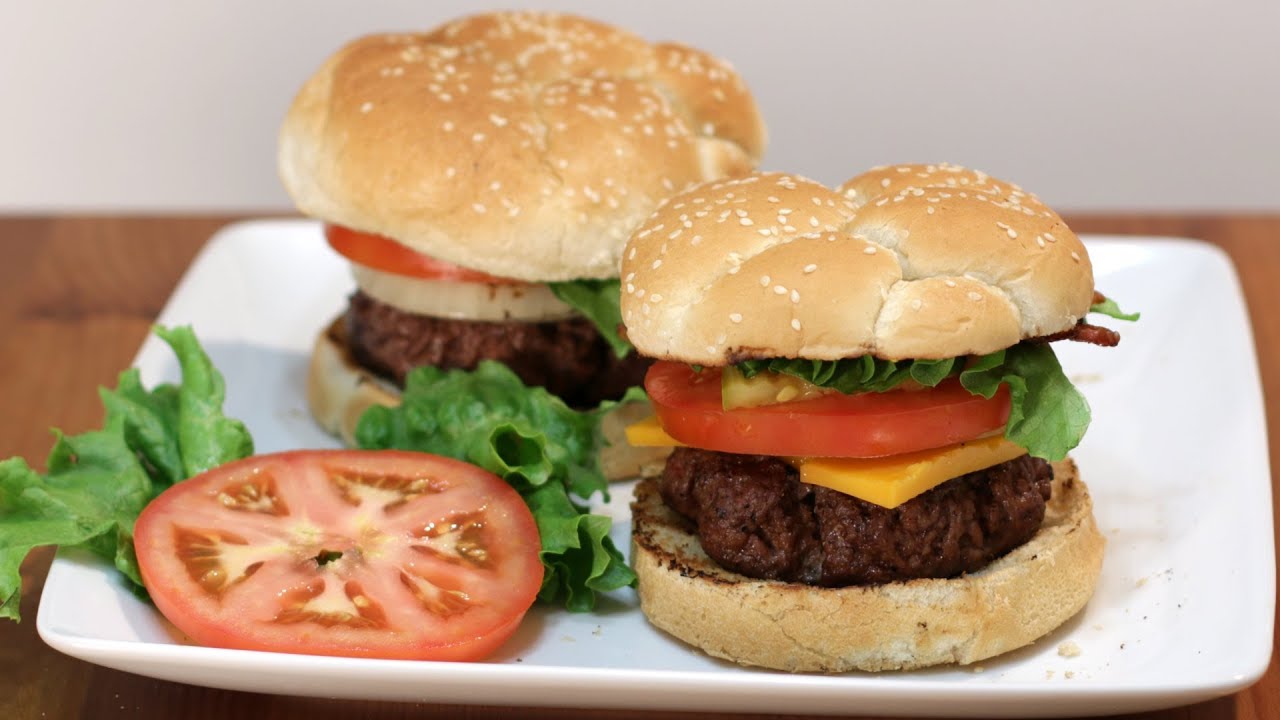
Burger Patties Recipe: When you think about comfort food, there’s a high chance the image of a juicy, perfectly cooked burger pops into your mind. The burger patty is the heart of this beloved dish—get it right, and the whole burger sings with flavor. Whether you’re a backyard barbecue enthusiast or someone just starting in the kitchen, mastering the burger patty is a skill that will make you the star of any gathering. The best part? You can create patties that are better than anything you’ll get from a fast-food joint, right in your own kitchen.
The journey to making the perfect burger patty begins with understanding its purpose: to deliver a juicy, flavorful bite every single time. Too dry, and it’s a disappointment; too greasy, and it’s messy without being satisfying. The secret lies in balance—balancing fat and lean meat, seasoning for depth of flavor, and cooking to the right temperature.
A good burger patty isn’t just about throwing meat on a grill. It’s about technique, timing, and a little bit of creativity. Some cooks swear by keeping their seasoning minimal, letting the quality of the beef shine through. Others like to experiment with spices, herbs, or even cheeses mixed right into the meat. There’s no single “right” way—just the method that works for your taste buds. By the end of this guide, you’ll have everything you need to make patties that rival those of any gourmet burger joint.
Why Burger Patties Are a Universal Favorite
Burgers have earned a special place in culinary culture worldwide. From the sizzling street stalls of Bangkok to high-end restaurants in New York, the humble burger patty is celebrated in countless forms. Why? Because it’s a blank canvas. You can dress it up with luxury ingredients like truffle aioli and aged cheddar or keep it simple with ketchup and pickles—it works every time.
Part of their universal appeal comes from how customizable they are. You can adjust the flavor, texture, and even the cooking style to match your mood. Are you craving something rich and indulgent? Opt for a fattier cut of beef and a hearty bun. Want something lighter? Use leaner meat or even plant-based alternatives without compromising on taste.
Moreover, burger patties are incredibly approachable. You don’t need years of culinary training to make them taste good. With a few simple steps—choosing the right meat, seasoning thoughtfully, and cooking with care—you can serve up something delicious in under 30 minutes. And because burgers are such a social food, they naturally bring people together, whether it’s for a casual dinner at home or a weekend barbecue with friends.
Understanding the Basics of Burger Patty Making
Before diving into recipes and techniques, it’s worth understanding what makes a great patty. The magic happens when three main elements come together: meat selection, fat content, and seasoning.
- Meat Selection: The most common choice is ground beef, specifically from chuck, brisket, or short rib cuts. These cuts offer great flavor and just the right texture.
- Fat Content: Aim for around 20% fat in your mix. This ratio gives you juiciness without excessive greasiness. Leaner patties can become dry, while fattier ones may fall apart.
- Seasoning: At a minimum, you’ll need salt and pepper. From there, you can get creative with garlic powder, paprika, onion powder, or even fresh herbs.
The texture is just as important. Overmixing your meat can result in a dense, tough patty. Handle it gently, shape it evenly, and you’re already halfway to burger heaven. And finally, don’t underestimate resting time—letting the patties sit before cooking can help them hold together better during the heat.
Essential Ingredients for Juicy Burger Patties
The difference between a “meh” burger and an unforgettable one often comes down to ingredients. Freshness, quality, and balance all play a role. Let’s break down the essentials.
Choosing the Right Meat
The soul of your burger patty lies in the cut of meat you choose. While ground beef is the classic, not all beef is created equal. Look for freshly ground chuck with about 80/20 lean-to-fat ratio. This sweet spot ensures your burger will be juicy and flavorful without being greasy.
If you want a richer, beefier taste, mix chuck with brisket or short rib. Some gourmet burger makers even blend different cuts to get a unique flavor profile. If you don’t have access to a butcher, opt for packaged ground beef labeled “ground chuck” or “80/20” for best results.
For a twist, you can also experiment with alternatives:
- Ground turkey or chicken for a leaner option
- Lamb for a bold, earthy flavor
- Plant-based meats for a vegetarian-friendly version that still satisfies burger cravings
Always handle raw meat with care—keep it cold until just before shaping, and avoid pressing it too much so you don’t lose that tender bite.
Key Seasonings and Flavor Boosters
Seasoning is where you can let your creativity shine. At its simplest, a pinch of kosher salt and freshly ground black pepper will do wonders. But if you want to add personality, consider:
- Garlic powder
- Onion powder
- Smoked paprika for a BBQ kick
- Worcestershire sauce for depth and umami
- Mustard powder for a tangy edge
The trick is not to overcomplicate things. Too many seasonings can overpower the natural flavor of the meat. Start simple and adjust to taste as you experiment.
Optional Add-Ins for Unique Flavors
For those who like to walk on the wild side of cooking, mix-ins can take your patties to another level. Think shredded cheddar, chopped jalapeños, caramelized onions, or fresh herbs like parsley and cilantro.
You can also try binding ingredients such as breadcrumbs or egg yolk if your meat is too lean and needs help holding together. Just keep in mind that these extras will change the texture, so test in small batches before making a big batch for guests.
Tools and Equipment You’ll Need
While burger patties can be made with minimal tools, having the right equipment makes the process smoother and the results more consistent.
Must-Have Kitchen Tools for Patty Preparation
- Mixing bowl for combining meat and seasonings
- Measuring spoons for consistent flavoring
- Burger press or your hands for shaping patties evenly
- Sharp knife for chopping any mix-ins
- Cutting board for prep work
These basics will get you from raw ingredients to shaped patties in no time.
Handy Extras for Perfect Cooking
- Digital meat thermometer to ensure perfect doneness
- Cast iron skillet or grill pan for ideal searing
- Spatula for flipping without breaking the patty
- Parchment paper for separating patties when storing
Even if you’re cooking on a budget, investing in a good skillet or grill pan can make a world of difference to the flavor and crust of your burger patties.
Step-by-Step Preparation of Burger Patties
Making burger patties is an art, but it’s not rocket science. Follow these steps, and you’ll be flipping perfect burgers in no time.
Preparing the Meat Mixture
Start with chilled meat. Cold meat holds together better when shaping. Place your ground beef in a large mixing bowl and sprinkle your chosen seasonings evenly over it.
Use your hands to gently mix everything together, folding rather than mashing, to avoid overworking the meat. Overmixing leads to tough burgers, and no one wants that.
If you’re adding extras like cheese or herbs, fold them in now. Make sure the distribution is even so every bite gets the same flavor punch.
Shaping the Patties
Divide your meat mixture into equal portions—about 4 to 6 ounces each is standard for most burgers. Roll each portion into a ball, then gently flatten it into a disc about ¾-inch thick.
Make a small indentation in the center with your thumb. This trick prevents the patty from puffing up in the middle as it cooks, ensuring even cooking and a better bun fit.
Storing Patties Before Cooking
If you’re not cooking the patties immediately, place them on a parchment-lined tray, cover with plastic wrap, and refrigerate. For longer storage, stack patties with parchment paper between each and freeze them in an airtight container.
Cooking Methods for Burger Patties
Cooking is where your preparation pays off, and each method offers its own unique benefits.
Pan-Frying for a Crispy Outer Layer
A cast iron skillet is your best friend here. Preheat it over medium-high heat, add a little oil, and sear the patties for 3–4 minutes on each side for medium doneness. The direct heat creates a beautiful crust while locking in juices.
Grilling for Smoky Flavor
Heat your grill to medium-high. Place patties directly over the flames for that irresistible smoky flavor. Flip only once to keep juices intact. Add cheese in the final minute if desired.
Oven-Baking for a Healthier Option
If you prefer a hands-off method, bake your patties at 375°F (190°C) for 15–20 minutes, flipping halfway. This method reduces added fats while still producing a juicy result.
Tips for Perfect Burger Patties Every Time
Crafting burger patties that make people pause mid-bite to say, “Wow!” isn’t luck—it’s knowing a few tried-and-true tricks. These small adjustments can make the difference between a good burger and an unforgettable one.
First, temperature matters. Keep your meat cold until the very moment it hits the pan or grill. Warm meat releases fat prematurely, leading to dry patties. If you’ve shaped your patties ahead of time, pop them in the fridge for 15–20 minutes before cooking.
Second, season at the right time. Salt draws out moisture, so it’s best to sprinkle it on just before cooking unless it’s mixed into the meat. If you’re seasoning the outside only, season generously—most of it will stay on the surface.
Third, avoid pressing down on the patties while cooking. You might see cooks on TV doing this, but all it does is squeeze out the flavorful juices. Flip once, let the heat do its work, and you’ll be rewarded with a juicy center.
Lastly, rest before serving. Just like steak, burger patties benefit from a few minutes of rest after cooking. This allows the juices to redistribute, giving you a moist bite from start to finish. Wrap them loosely in foil while resting to keep them warm.
Burger Patty Variations to Try
Once you’ve mastered the classic beef patty, the fun really begins. The beauty of burger patties is how easily they adapt to new flavors and styles.
Classic Beef Patty
Your standard 80/20 beef with salt and pepper—simple, timeless, and always satisfying. Pair it with lettuce, tomato, onion, and your favorite condiments.
Cheese-Stuffed Patty
Place a small cube of cheddar, mozzarella, or pepper jack in the center of your meat ball before flattening. As it cooks, the cheese melts inside, creating a gooey surprise.
Lamb and Mint Patty
Ground lamb mixed with fresh mint, garlic, and a pinch of cumin makes for a Mediterranean twist that’s rich and aromatic.
Turkey Herb Patty
Ground turkey can be dry, so mix in chopped onions, fresh parsley, and a bit of olive oil for added moisture and flavor.
Vegan Black Bean Patty
Mash black beans with breadcrumbs, onions, and spices. Form into patties and pan-fry for a hearty plant-based option.
Pairing Patties with the Perfect Bun
The right bun isn’t just a vessel—it’s a co-star. Choose poorly, and it can overpower your patty or fall apart before the last bite.
Brioche Bun
Soft, buttery, and slightly sweet, brioche buns are a gourmet favorite. They pair beautifully with rich, juicy beef patties.
Potato Roll
These have a subtle sweetness and are sturdy enough to hold up under juicy toppings without becoming soggy.
Sesame Seed Bun
The classic diner choice, offering a light crunch and mild flavor that lets the patty shine.
Gluten-Free Bun or Lettuce Wrap
For a low-carb or gluten-free alternative, crisp lettuce leaves or specially made gluten-free buns keep things light and fresh.
When choosing your bun, think about texture, flavor, and size. A bun should be just large enough to encase the patty without excess bread overpowering each bite.
Best Toppings and Condiments for Burger Patties
If the patty is the star, toppings are the supporting cast that brings the whole performance together.
Classic Toppings
- Crisp lettuce
- Juicy tomato slices
- Red onion rings
- Pickles
Cheese Options
- American for melty nostalgia
- Cheddar for a sharp bite
- Swiss for a mellow, nutty profile
- Blue cheese for bold flavor
Condiment Choices
- Ketchup and mustard for a classic combo
- Mayonnaise for creaminess
- BBQ sauce for sweetness and smoke
- Spicy sriracha mayo for heat
Mix and match to create your own signature burger. The key is balance—too many toppings can overshadow the patty, so pick 2–4 that complement each other.
How to Store and Reheat Burger Patties
Whether you’ve made too many or are prepping ahead, knowing how to store and reheat patties properly keeps them tasting fresh.
For Uncooked Patties:
- Refrigerate: Store in a sealed container with parchment paper between patties for up to 2 days.
- Freeze: Wrap individually in plastic, then store in a freezer bag for up to 3 months. Thaw overnight in the fridge before cooking.
For Cooked Patties:
- Refrigerate: Keep in an airtight container for 3–4 days.
- Freeze: Wrap in foil and store in a freezer bag for up to 2 months.
Reheating Tips:
- In a skillet: Heat over medium with a splash of water, covered, to keep moisture in.
- In the oven: Wrap in foil and warm at 300°F (150°C) for 10–15 minutes.
- Avoid microwaving if possible—it can dry out the patty and make it rubbery.
Common Mistakes to Avoid When Making Burger Patties
Even the best intentions can lead to lackluster patties if you’re not aware of a few common pitfalls. Knowing what not to do can be just as important as mastering the right techniques.
1. Overworking the Meat
Kneading or mixing ground meat too much can compress it, leading to dense, chewy patties. Always handle the meat gently, mixing just enough to combine your seasonings.
2. Using Meat That’s Too Lean
While lean beef might sound healthy, it often results in dry burgers. Aim for an 80/20 lean-to-fat ratio for the juiciest results. If you must use leaner meat, add moisture with ingredients like grated onion or a splash of olive oil.
3. Skipping the Thumb Indentation
Without that small center depression, patties tend to bulge as they cook, making them harder to stack neatly on a bun and leading to uneven cooking.
4. Overcrowding the Pan or Grill
Crowding traps steam, preventing that golden crust from forming. Give your patties plenty of space—work in batches if necessary.
5. Flipping Too Often
Resist the urge to fuss over your patties. One flip is all you need for even cooking. Multiple flips disturb the sear and release juices.
By avoiding these mistakes, you’ll maintain tenderness, flavor, and a professional finish to your burgers.
Nutritional Information for Burger Patties
While burger patties can be indulgent, they don’t have to be unhealthy. Here’s a general breakdown for a 4-ounce (113g) beef patty made from 80/20 ground chuck, pan-fried without additional fat:
| Nutrient | Amount |
|---|---|
| Calories | ~280 |
| Protein | 19g |
| Fat | 22g |
| Saturated Fat | 9g |
| Cholesterol | 75mg |
| Sodium | 70mg |
| Carbohydrates | 0g |
| Fiber | 0g |
| Sugars | 0g |
Healthier Adjustments:
- Use leaner meat or poultry to reduce fat content.
- Opt for whole-grain or lettuce wraps instead of white buns.
- Pile on fresh vegetables to add fiber and micronutrients.
Being mindful of portion sizes and ingredients can make burger patties a regular part of a balanced diet.
Serving Suggestions for Burger Patties
A patty is just the beginning—how you serve it can elevate the entire dining experience.
Classic Burger Meal
Pair your patty with fries or onion rings, a cold drink, and a side salad for a timeless comfort food plate.
Gourmet Plating
Serve your patty on a brioche bun with arugula, brie cheese, caramelized onions, and a balsamic glaze.
Low-Carb Option
Wrap your patty in crisp iceberg or butter lettuce leaves, topping with avocado slices and tomato for a fresh, light alternative.
Burger Bowls
Skip the bun altogether—place the patty over a bed of greens, roasted veggies, or quinoa, and drizzle with dressing or sauce.
Presentation matters, too. Arrange toppings neatly, use colorful garnishes, and serve on a clean plate or wooden board for a restaurant-style look.
FAQs about Burger Patties Recipe
1. How do I keep my burger patties from falling apart?
Use meat with enough fat content, avoid overmixing, and make sure patties are well-chilled before cooking.
2. Should I add eggs to my patties?
Eggs can help bind leaner meats, but they’re not necessary for beef with good fat content.
3. Can I make patties in advance?
Yes—shape and refrigerate for up to 24 hours, or freeze for longer storage.
4. How do I know when my burger is cooked?
Use a meat thermometer: 160°F (71°C) for well-done beef, 165°F (74°C) for poultry, and 145°F (63°C) for medium-rare beef.
5. Is it safe to eat burgers medium-rare?
For beef, medium-rare can be safe if you trust the source and grind it yourself. Store-bought ground meat should be cooked to 160°F to avoid foodborne illness.
Conclusion
Making the perfect burger patty isn’t about fancy tricks—it’s about getting the basics right and building from there. Start with high-quality meat, season it simply but effectively, and cook it with care. From there, you can explore endless variations, toppings, and serving styles to match your mood or impress your guests.
Whether you’re grilling outdoors, frying in a skillet, or baking in the oven, this guide has given you the tools and knowledge to create patties that stand out. The next time you bite into a juicy, flavorful burger, you’ll know exactly why homemade will always beat store-bought.