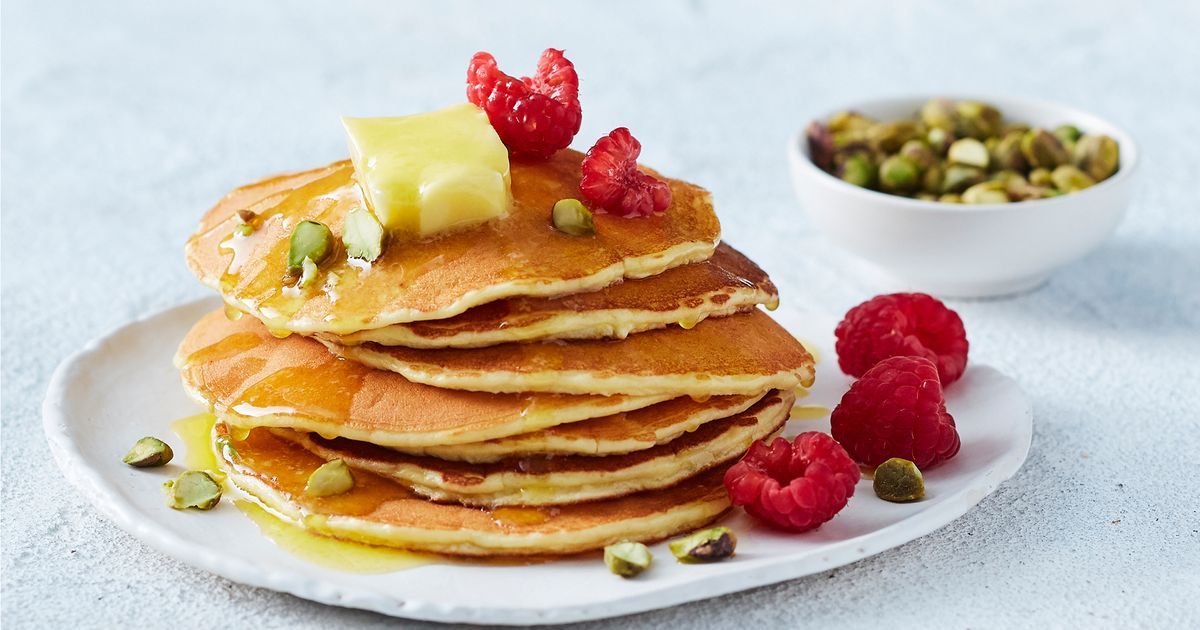
Buckwheat Pancake Recipe: If you’ve ever wanted a healthier, more wholesome alternative to traditional pancakes, buckwheat pancakes are the way to go. Despite the name, buckwheat is not related to wheat at all—it’s actually a seed, which makes it naturally gluten-free. These pancakes have a nutty flavor, hearty texture, and an earthy aroma that can transform your breakfast into something truly special.
What makes buckwheat pancakes stand out is their unique combination of health benefits and taste. They are filling without feeling heavy, which is perfect if you want an energizing start to your day. Whether you’re serving them with fresh fruit, a drizzle of honey, or a pat of butter, these pancakes strike a perfect balance between indulgence and nutrition.
Buckwheat has been part of traditional diets for centuries in countries like Russia, Japan, and France. In Japan, it’s used for soba noodles; in France, for galettes; and in Russia, for hearty porridge and pancakes. Bringing this humble grain into your kitchen connects you with a global tradition of wholesome eating.
Why Choose Buckwheat Over Regular Flour
Buckwheat flour offers several advantages over refined wheat flour. First, it’s gluten-free, making it a safe option for people with celiac disease or gluten sensitivity. Second, it’s richer in fiber, which supports digestion and helps keep you feeling full longer. Third, buckwheat has a lower glycemic index than regular flour, meaning it won’t cause sudden spikes in blood sugar levels.
Another reason to choose buckwheat is its distinct flavor. While all-purpose flour produces a neutral-tasting pancake, buckwheat brings a nutty, earthy tone that pairs beautifully with both sweet and savory toppings. This makes it an incredibly versatile choice—you can serve it with maple syrup for breakfast or with sautéed mushrooms for dinner.
Finally, buckwheat is a more sustainable crop. It grows quickly, doesn’t require heavy pesticide use, and improves soil health. So, when you use buckwheat, you’re not only nourishing yourself—you’re also making a more eco-conscious choice.
Nutritional Benefits of Buckwheat
Buckwheat is a nutritional powerhouse. It contains all nine essential amino acids, making it a complete plant-based protein source. This is especially beneficial for vegetarians and vegans who need diverse protein sources. It’s also high in minerals like magnesium, manganese, and copper, all of which play crucial roles in energy production, heart health, and bone strength.
Here’s a quick nutritional snapshot for 100 grams of buckwheat flour:
- Calories: 335 kcal
- Protein: 13.3 g
- Carbohydrates: 71.5 g
- Fiber: 10 g
- Fat: 3.4 g
In addition to macronutrients, buckwheat contains powerful antioxidants like rutin and quercetin. These compounds help reduce inflammation, improve circulation, and protect your body from oxidative stress. Compared to refined flour, buckwheat is a far richer source of both nutrients and health-promoting compounds.
Taste Profile and Texture of Buckwheat Pancakes
Buckwheat pancakes have a distinct, hearty flavor that stands apart from regular pancakes. The taste is often described as earthy, nutty, and slightly bitter—but in a pleasant way. This depth of flavor makes them perfect for pairing with sweet toppings like berries or savory ones like cheese and herbs.
In terms of texture, buckwheat pancakes are typically denser than their wheat-based counterparts. However, when made correctly, they can still be light and fluffy. The key lies in the mixing technique and the ratio of liquid to flour. If you prefer a lighter pancake, you can blend buckwheat flour with a small amount of oat or rice flour.
One of the best things about buckwheat pancakes is their ability to absorb flavors. Add cinnamon, vanilla, or lemon zest, and you’ll notice how beautifully these ingredients blend into the base. The result is a pancake that feels artisanal and homemade—something that stands out on any breakfast table.
Ingredients Needed for Buckwheat Pancakes
To make classic buckwheat pancakes, you’ll need a few basic ingredients that you might already have in your kitchen. Here’s a standard list:
Main Ingredients:
- 1 cup buckwheat flour
- 1 tbsp sugar or honey
- 1 tsp baking powder
- ½ tsp baking soda
- ¼ tsp salt
- 1 cup milk (dairy or plant-based)
- 1 large egg
- 2 tbsp melted butter or coconut oil
- 1 tsp vanilla extract
Optional Add-ins:
- Blueberries or raspberries for a fruity twist
- Chopped nuts for crunch
- Spices like cinnamon, nutmeg, or cardamom
Ingredient Substitutions:
- Vegan option: Replace egg with a flax egg (1 tbsp ground flaxseed + 3 tbsp water)
- Sugar-free: Use a natural sweetener like stevia or monk fruit
- Nut-free: Use oat milk or rice milk instead of almond milk
Having the right ingredients ensures your pancakes turn out flavorful and well-textured. It’s also easy to tweak this recipe for dietary needs without sacrificing taste.
Essential Tools and Equipment
The right tools can make your buckwheat pancake experience smoother, faster, and more enjoyable. While you don’t need a chef’s kitchen to make them, having a few reliable pieces of equipment can make a noticeable difference in your results.
Cooking Utensils:
- Non-stick skillet or griddle: This is crucial for ensuring your pancakes don’t stick and cook evenly. Cast iron also works beautifully if it’s well-seasoned.
- Spatula: A wide, flat spatula makes flipping pancakes much easier.
- Measuring cups and spoons: Accurate measurements are key to getting the right batter consistency.
Mixing Tools:
- Large mixing bowl: Enough space to whisk the ingredients without splashing.
- Whisk or electric mixer: A whisk works well, but an electric mixer can save time and effort.
- Small bowl: For combining wet ingredients before mixing into dry ones.
Serving Essentials:
- Plate warmer or low oven: Keep pancakes warm while you finish cooking the batch.
- Serving plates: Warm plates help maintain pancake temperature.
- Syrup dispenser or small pitcher: Makes serving toppings easier and less messy.
You can absolutely make these pancakes with just the basics—a bowl, whisk, and pan—but investing in a few quality tools will make the cooking process smoother and your pancakes more consistent.
Preparing the Batter
Creating the perfect buckwheat pancake batter is about balance—enough liquid for a pourable consistency, but thick enough to hold its shape when it hits the pan. Here’s a step-by-step guide:
- Mix dry ingredients: In a large bowl, whisk together buckwheat flour, sugar, baking powder, baking soda, and salt. This ensures even distribution of leavening agents so your pancakes rise properly.
- Combine wet ingredients: In a separate bowl, whisk together milk, egg, melted butter, and vanilla extract until smooth.
- Blend wet and dry mixtures: Slowly pour the wet ingredients into the dry mixture, whisking gently until just combined. Avoid overmixing—this can make pancakes dense.
- Check consistency: The batter should be slightly thick but still pourable. Add a splash of milk if it’s too thick, or a spoonful of buckwheat flour if too thin.
Resting the batter for about 10 minutes before cooking helps the flour hydrate and improves texture. This is especially important with buckwheat, as it absorbs liquid more slowly than wheat flour.
Cooking the Buckwheat Pancakes
Cooking buckwheat pancakes is simple, but there are a few tricks to get them golden brown and evenly cooked every time.
- Preheat your pan or griddle over medium heat. If it’s too hot, the outside will burn before the inside cooks.
- Lightly grease the cooking surface with butter, coconut oil, or a cooking spray.
- Pour the batter using a ladle or measuring cup, aiming for pancakes about 4–5 inches wide.
- Cook until bubbles form on the surface and the edges look set, about 2–3 minutes.
- Flip gently with a spatula and cook another 1–2 minutes until golden.
For an even cook, avoid crowding the pan. Make sure each pancake has space so you can flip it easily. Keep finished pancakes warm in a low oven until all are ready to serve.
Serving Suggestions and Toppings
The beauty of buckwheat pancakes is how well they pair with both sweet and savory toppings. You can keep it simple or go gourmet.
Classic Sweet Toppings:
- Maple syrup and butter
- Fresh berries with whipped cream
- Banana slices with honey drizzle
Healthy Toppings:
- Greek yogurt with chia seeds and strawberries
- Almond butter with sliced apples
- Cottage cheese with cinnamon and blueberries
Savory Ideas:
- Sautéed spinach and mushrooms
- Smoked salmon with cream cheese
- Fried egg with avocado and chili flakes
To elevate presentation, stack your pancakes neatly, add a dollop of topping in the center, and drizzle syrup in a circular motion. A sprinkle of powdered sugar or cocoa can also give a bakery-style finish.
Storing and Reheating Leftovers
If you’ve made a big batch, storing and reheating them properly ensures they taste just as good the next day.
Refrigeration:
- Cool pancakes completely before storing.
- Place them in an airtight container with parchment paper between each pancake to prevent sticking.
- Store for up to 3 days in the fridge.
Freezing:
- Lay pancakes on a baking sheet and freeze for 1–2 hours.
- Transfer to a freezer-safe bag or container.
- Keeps well for up to 2 months.
Reheating:
- Microwave: 20–30 seconds for one pancake, longer for more.
- Oven: 350°F (175°C) for 5–10 minutes.
- Toaster: Works well for thinner pancakes and gives a crisp edge.
These methods help preserve the flavor and texture, so your buckwheat pancakes remain delicious long after you’ve made them.
Variations of Buckwheat Pancakes
One of the best things about buckwheat pancakes is how adaptable they are. You can change a few ingredients and create a whole new flavor experience.
Gluten-Free Buckwheat Pancakes
Since buckwheat is naturally gluten-free, you can keep the recipe entirely gluten-free by avoiding wheat flour blends. Use certified gluten-free baking powder and be mindful of cross-contamination in your kitchen. You can also mix in a little almond flour or oat flour for added softness without sacrificing the gluten-free quality.
Vegan Buckwheat Pancakes
Replace the egg with a flax egg (1 tbsp ground flaxseed + 3 tbsp water, left to sit for 5 minutes). Use plant-based milk such as almond, soy, or oat milk, and swap butter for coconut oil. The result is still fluffy but with a slightly denser bite.
Savory Buckwheat Pancakes
Skip the sugar and vanilla in the batter, and instead add herbs like parsley, dill, or chives. You can mix in grated cheese or vegetables like zucchini for a lunch-ready pancake. Serve with sour cream, pesto, or a fried egg for a hearty savory meal.
With these variations, you can enjoy buckwheat pancakes not just for breakfast, but for lunch, dinner, or even snacks.
Common Mistakes and How to Avoid Them
Even the simplest pancake recipes can go wrong without a few key precautions. Here are common mistakes to watch out for:
1. Batter Too Thick or Thin
A batter that’s too thick makes heavy pancakes, while a thin one spreads too much and cooks unevenly. Always aim for a pourable consistency that flows slowly off a spoon.
2. Pancakes Sticking to the Pan
This usually happens when the pan isn’t hot enough or there’s not enough oil. Make sure your pan is preheated and lightly greased before pouring the batter.
3. Uneven Cooking or Burning
Too high a heat can burn the outside while leaving the inside raw. Keep to medium heat and adjust slightly as needed.
4. Overmixing the Batter
Stirring too much develops more gluten in wheat pancakes and can still make buckwheat pancakes dense. Mix just until combined for the fluffiest results.
By avoiding these pitfalls, you’ll get evenly cooked, tender pancakes every time.
Health Benefits of Buckwheat in Your Diet
Buckwheat is far more than just a flour alternative—it’s a nutritional powerhouse with impressive health benefits.
Rich in Fiber and Protein
Buckwheat contains both soluble and insoluble fiber, which helps with digestion, supports heart health, and keeps you feeling full. Its high-quality plant protein makes it an excellent choice for vegetarians and vegans.
Supports Heart Health
The rutin in buckwheat strengthens blood vessels and improves circulation. Its magnesium content helps regulate blood pressure, making it great for cardiovascular wellness.
Aids Digestion
Fiber promotes healthy gut bacteria and regular bowel movements. Buckwheat is also easy to digest, making it suitable for sensitive stomachs.
Balances Blood Sugar Levels
With a low glycemic index, buckwheat doesn’t cause sharp spikes in blood sugar—perfect for those managing diabetes or aiming to maintain steady energy.
By incorporating buckwheat into your meals, you’re boosting both flavor and nutrition in your diet.
FAQs about Buckwheat Pancake Recipe
Q1: Can You Make Buckwheat Pancakes Ahead of Time?
Yes! You can make a big batch and refrigerate or freeze them. Just reheat when ready to eat for a quick breakfast.
Q2: How to Make Buckwheat Pancakes Fluffier?
Make sure not to overmix the batter, and let it rest for 10 minutes before cooking. A touch more baking powder can also help.
Q3: Are Buckwheat Pancakes Good for Weight Loss?
Yes, because they’re high in fiber and protein, they keep you full for longer, helping to control calorie intake.
Q4: Can I Mix Buckwheat with Other Flours?
Absolutely! Combining buckwheat with oat, rice, or almond flour can create different textures and flavors.
Q5: Do Buckwheat Pancakes Taste Different from Regular Pancakes?
Yes, they have a nuttier, earthier taste, which many people find more interesting than plain flour pancakes.
Conclusion
Buckwheat pancakes are the perfect balance between health and indulgence. With their nutty flavor, wholesome nutrition, and adaptability for different diets, they can fit into anyone’s meal plan. Whether you enjoy them with maple syrup in the morning, topped with savory vegetables for lunch, or even as a quick snack, buckwheat pancakes prove that healthy eating can be delicious and satisfying.
So, grab your skillet, whip up some batter, and treat yourself to a plate of warm, fluffy buckwheat pancakes today—you’ll be hooked after the first bite.