Buckwheat Noodles Recipe: Buckwheat noodles, often known as soba noodles in Japanese cuisine, are thin, earthy-flavored noodles made from buckwheat flour. Despite its name, buckwheat isn’t related to wheat at all—it’s actually a seed, making it naturally gluten-free (unless mixed with wheat flour for texture). These noodles have been a staple in Asian cooking for centuries, loved for their chewy bite and nutty aroma.
In Japan, soba noodles are served hot in comforting broths or chilled with dipping sauces. In Korea, buckwheat noodles take a different form, such as naengmyeon, a cold noodle dish enjoyed in the summer. The beauty of buckwheat noodles lies in their versatility—they can adapt to soups, stir-fries, salads, or even be enjoyed plain with a splash of soy sauce.
Not only are they a treat for your taste buds, but they also bring a rustic charm to your dining table. If you’ve never made noodles from scratch before, buckwheat noodles are a fun, rewarding place to start. With a little patience and the right technique, you’ll create a dish that’s far fresher and more flavorful than anything store-bought.
Nutritional Benefits of Buckwheat
Buckwheat isn’t just delicious—it’s also a nutritional powerhouse. It’s rich in plant-based protein, containing all eight essential amino acids, which makes it a great choice for vegetarians and vegans. It’s also high in fiber, which helps improve digestion and keeps you feeling full for longer.
One standout nutrient in buckwheat is rutin, a powerful antioxidant that supports heart health by improving blood circulation and reducing inflammation. It’s also naturally gluten-free, making it an excellent choice for those with gluten sensitivities or celiac disease—just ensure you use 100% buckwheat flour.
Plus, buckwheat is packed with essential minerals like magnesium, manganese, and copper, which support energy production, bone health, and immune function. In short, when you choose buckwheat noodles, you’re not just treating your palate—you’re also nourishing your body.
Ingredients You’ll Need
Main Ingredients
To make authentic buckwheat noodles from scratch, you’ll only need a handful of ingredients:
- Buckwheat flour – 2 cups (100% buckwheat for gluten-free noodles, or mix with wheat flour for elasticity)
- Wheat flour – 1 cup (optional, improves texture and makes rolling easier)
- Salt – ½ teaspoon (enhances flavor)
- Water – about ¾ cup (cold, to bind the dough)
That’s it—four simple ingredients that transform into beautiful, earthy noodles. If you go for 100% buckwheat, be aware the dough will be more delicate and crumbly, so you’ll need extra care when rolling and cutting.
Optional Add-ins for Flavor
Want to add a twist to your noodles? Here are some optional ingredients to elevate flavor and texture:
- Matcha powder – Adds a green tea aroma and a beautiful green color.
- Sesame seeds – Mixed into the dough for a subtle nutty crunch.
- Beetroot powder – Gives a pinkish hue and adds mild sweetness.
- Herbs (cilantro, parsley) – For a fresh, fragrant touch.
These aren’t traditional, but they’re great for experimenting and making your noodles uniquely yours.
Tools and Equipment Required
Kitchen Essentials
While you can make buckwheat noodles with minimal tools, having the right equipment will make your job easier:
- Mixing bowl – For combining your ingredients.
- Measuring cups & spoons – For accuracy.
- Rolling pin – Essential for flattening the dough evenly.
- Sharp knife or pasta cutter – To cut uniform noodles.
- Large pot – For boiling the noodles.
- Colander – For draining cooked noodles.
Helpful Extras
Some tools aren’t mandatory, but they can enhance your noodle-making experience:
- Pasta machine – Speeds up rolling and cutting, ensuring even thickness.
- Silicone mat – Prevents sticking and makes cleanup easier.
- Kitchen scale – For precise measurements, especially if adjusting ratios.
- Bench scraper – Handy for cutting dough and cleaning surfaces.
Investing in these tools is worth it if you plan on making noodles often—they’ll save you time and effort in the long run.
Step-by-Step Preparation Guide
Mixing the Dough
Start by combining the flours (if using both buckwheat and wheat) and salt in a large mixing bowl. Slowly add cold water, a little at a time, mixing with your hands or a wooden spoon until a shaggy dough forms. Buckwheat dough doesn’t behave like regular wheat dough—it can feel more crumbly and less elastic. That’s normal.
Once it comes together, knead gently for about 5–8 minutes until smooth. Be careful not to over-knead, as buckwheat can become brittle. If the dough feels dry, add a teaspoon of water at a time. If it’s sticky, dust with more flour. Form into a ball, wrap in plastic, and let it rest for at least 30 minutes. Resting allows the flour to fully hydrate and makes rolling easier.
Rolling and Cutting the Noodles
Lightly flour your work surface with buckwheat flour. Using a rolling pin, flatten the dough into a rectangle about 1/8 inch thick. If using a pasta machine, pass the dough through on the widest setting first, gradually moving to thinner settings until you reach the desired thickness.
Once rolled, dust the dough lightly with flour, fold it into thirds, and cut into thin strips with a sharp knife. Aim for even thickness so they cook uniformly. Unfold the noodles and gently toss with more flour to prevent sticking.
Cooking the Noodles
Bring a large pot of water to a boil (do not salt the water, as buckwheat noodles absorb salt differently). Add the noodles and cook for 3–4 minutes until just tender—overcooking will make them mushy.
Drain immediately and rinse under cold running water to stop the cooking process and remove excess starch. For hot dishes, you can reheat briefly in broth; for cold dishes, serve immediately with dipping sauce or dressing.
Tips for Perfect Buckwheat Noodles Every Time
Common Mistakes to Avoid
- Adding too much water – This makes the dough sticky and difficult to roll.
- Skipping the rest time – Resting is key for manageable dough.
- Overcooking – Just a few extra seconds can turn noodles to mush.
Tricks for Better Texture
- Use a mix of buckwheat and wheat flour for a more elastic dough.
- Roll the dough evenly to avoid thick, undercooked spots.
- Rinse noodles thoroughly after boiling to keep them springy.
Serving Ideas for Buckwheat Noodles
Traditional Japanese Style (Zaru Soba)
One of the most popular and refreshing ways to enjoy buckwheat noodles is Zaru Soba—a chilled noodle dish served with a savory dipping sauce called tsuyu. After cooking and rinsing the noodles, you arrange them neatly on a bamboo mat or plate, sprinkle them with shredded nori (seaweed), and serve alongside a small bowl of tsuyu.
The tsuyu is typically made from soy sauce, mirin, and dashi broth, with a touch of wasabi for heat. The idea is to take a bite of noodles, dip them into the sauce, and enjoy the burst of umami flavor. This method highlights the nutty flavor of buckwheat and is especially satisfying in warm weather.
For extra garnish, add thinly sliced scallions or a sprinkle of toasted sesame seeds. Pairing Zaru Soba with a small plate of tempura vegetables or shrimp makes for a perfectly balanced meal—light, yet indulgent.
Hot Soup Noodles
When the weather turns cold, buckwheat noodles shine in steaming bowls of broth. Japanese Kake Soba features noodles in a hot, savory broth made from dashi, soy sauce, and mirin. You can add toppings like tempura, mushrooms, green onions, and even a poached egg for extra richness.
Korean-style hot buckwheat noodles, often served in anchovy or beef broth, also make a comforting winter meal. The chewy noodles absorb the broth’s flavors beautifully, turning every mouthful into a cozy, hearty bite.
Hot buckwheat noodle soups are also great for meal prep—you can make a big pot of broth in advance, then cook noodles fresh for each serving to keep them from getting soggy.
Stir-Fried Buckwheat Noodles
If you’re a fan of quick, flavorful meals, stir-frying buckwheat noodles is a great option. After boiling and rinsing, toss them in a hot wok with garlic, ginger, vegetables, and a savory sauce made from soy sauce, oyster sauce, and sesame oil.
Add protein like chicken, shrimp, beef, or tofu to make it a full meal. Stir-fried soba noodles are perfect for busy weeknights—they come together in under 20 minutes and can be customized with whatever’s in your fridge.
Cold Noodle Salads
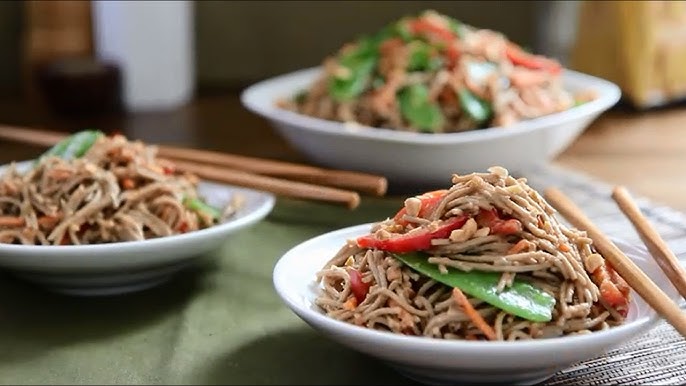
Cold noodle salads are light, healthy, and incredibly refreshing. Simply toss cooked, chilled buckwheat noodles with julienned vegetables like cucumber, carrots, and radish. Add a tangy dressing made from rice vinegar, soy sauce, sesame oil, and a pinch of sugar.
You can top the salad with crushed peanuts, sesame seeds, or fresh herbs for texture and freshness. This style of serving is ideal for summer picnics or as a make-ahead lunch.
Fusion Dishes
Because of their mild yet distinct flavor, buckwheat noodles adapt well to global cuisines. You can use them in Italian-inspired dishes with pesto or tomato sauce, toss them in Thai peanut sauce, or even use them as a base for a Korean-Japanese fusion bibimbap bowl.
The beauty of buckwheat noodles is their ability to blend with different seasoning profiles while retaining their unique chewiness and nuttiness. Once you’ve mastered the basic recipe, you can experiment endlessly.
Pairing Sauces and Toppings
Classic Japanese Dips
Traditional buckwheat noodle dishes rely heavily on dipping sauces that balance umami, saltiness, and subtle sweetness. Tsuyu remains the gold standard—made from dashi, soy sauce, and mirin. For an added punch, serve with wasabi or grated daikon radish.
Savory Broth Options
For hot noodle soups, try variations of dashi-based broth or Korean anchovy broth. You can even experiment with chicken stock or miso soup bases for a different depth of flavor.
Adding sliced shiitake mushrooms, seaweed, and bok choy enhances both nutrition and taste.
Creative Toppings
- Protein: Poached egg, grilled chicken, marinated tofu, shrimp tempura.
- Vegetables: Spinach, carrots, mushrooms, bean sprouts, nori.
- Crunch: Toasted sesame seeds, crushed peanuts, fried shallots.
Layering textures and flavors turns a simple bowl of noodles into a memorable dish.
Health Benefits of Buckwheat Noodles
Gluten-Free Goodness
Pure buckwheat noodles are naturally gluten-free, making them an excellent alternative for those with celiac disease or gluten sensitivity. Be sure to check packaging or use 100% buckwheat flour if making them at home, as many store-bought soba noodles are blended with wheat flour.
Rich in Nutrients
Buckwheat is a great source of plant-based protein, complex carbohydrates, and fiber. It contains minerals like magnesium, iron, and manganese, which support muscle function, energy production, and bone health.
The rutin content in buckwheat also supports cardiovascular health by strengthening blood vessels and reducing inflammation.
Supports Blood Sugar Control
Thanks to its low glycemic index, buckwheat noodles provide steady energy without causing sharp spikes in blood sugar. This makes them a good choice for people managing diabetes or those seeking sustained energy throughout the day.
Storing and Reheating Buckwheat Noodles
Short-Term Storage
If you’ve made extra noodles, rinse them well under cold water, toss lightly with oil to prevent sticking, and store in an airtight container in the fridge for up to 3 days.
Freezing
You can freeze uncooked buckwheat noodles by dusting them with flour, portioning them, and placing them in freezer-safe bags. They can go straight into boiling water without thawing—just add an extra minute to cooking time.
Reheating Tips
- For hot dishes: Briefly reheat in simmering broth or hot water for 30–60 seconds.
- For cold dishes: Simply rinse under cold water to refresh texture before serving.
Avoid microwaving, as it can make noodles dry and rubbery.
Common Mistakes When Making Buckwheat Noodles
Overhydrating the Dough
One of the most frequent mistakes beginners make is adding too much water too quickly. Buckwheat flour absorbs water differently than wheat flour, so it’s best to add water gradually. Overhydration results in sticky dough that’s difficult to roll and cut. If this happens, you may need to add more flour, which can alter the noodle’s texture and taste.
Tip: Always sprinkle water in small amounts, mixing thoroughly between additions. You want the dough to come together just enough to form a smooth ball—no wetter.
Skipping the Rest Period
Resting the dough is not optional—it’s essential. Without resting, the dough can be stiff and difficult to roll, leading to uneven thickness and broken noodles. Even if you’re short on time, give the dough at least 20–30 minutes to relax before rolling.
This step allows the flour particles to fully absorb water, making the dough more pliable and easier to work with.
Overcooking the Noodles
Buckwheat noodles cook quickly—typically in just 3–4 minutes. Overcooking will make them mushy and ruin their chewy texture. Remember, they’ll continue to cook slightly after being drained if you’re serving them hot.
Tip: Test for doneness by biting into a noodle at the 3-minute mark—it should be tender but still have a little bite.
Expert Tips for Restaurant-Quality Noodles at Home
Use a Blend for Beginners
If it’s your first time making buckwheat noodles, start with a 70:30 blend of buckwheat flour to wheat flour. This adds gluten for elasticity, making the dough easier to handle and less likely to break. Once you’re comfortable with the process, try making 100% buckwheat noodles for a richer flavor.
Dust Generously with Flour
When rolling and cutting, dust the dough liberally with buckwheat flour to prevent sticking. This step is especially important if your kitchen is humid, as moisture can cause the layers to fuse together.
Invest in a Sharp Cutter
A dull knife will crush the dough instead of slicing cleanly, resulting in ragged edges. A sharp chef’s knife or a Japanese soba cutter ensures uniform noodles with smooth edges, which also helps them cook evenly.
Creative Variations of Buckwheat Noodles
Matcha Buckwheat Noodles
Incorporate matcha powder into your dough for a delicate green tea flavor and a vibrant green hue. These noodles pair wonderfully with light soy-based dipping sauces and fresh vegetables.
Spicy Chili Buckwheat Noodles
Mix chili powder or chili oil into your sauce for a bold, spicy kick. Garnish with crushed peanuts, cilantro, and lime for an Asian street-food flair.
Herbed Buckwheat Noodles
Add finely chopped fresh herbs like basil, cilantro, or parsley into the dough for fragrant, garden-fresh noodles. These work beautifully in cold noodle salads.
Vegetable-Infused Noodles
Blend beetroot powder, spinach puree, or carrot juice into the dough to add color, nutrients, and subtle flavor variations. This is also a fun way to make noodles appealing to kids.
Buckwheat Noodles for Special Diets
Gluten-Free Diet
For strict gluten-free cooking, use certified gluten-free buckwheat flour and prepare the noodles in a clean, wheat-free environment to avoid cross-contamination.
Vegan-Friendly
Buckwheat noodles are naturally vegan, as they contain no animal products. Pair them with plant-based proteins like tofu, edamame, or tempeh for a hearty vegan meal.
Low-Sodium Diet
If you’re reducing salt, you can skip adding salt to the dough and instead flavor your noodles with herbs, spices, or salt-free sauces after cooking.
Why Make Buckwheat Noodles at Home Instead of Buying Them?
Freshness and Flavor
Homemade buckwheat noodles have a superior texture and flavor compared to store-bought varieties, which are often dried and can taste flat. The freshness of homemade noodles allows the nutty notes of buckwheat to shine through.
Customization
Making your own noodles gives you full control over thickness, texture, and flavor. You can experiment with blends, infusions, and shapes to suit your preferences.
No Additives
Many packaged noodles contain preservatives or additives for shelf life. Homemade noodles are pure, made with only the ingredients you choose.
Satisfaction and Skill
There’s something deeply rewarding about creating noodles from scratch. It’s a culinary skill you can be proud of—and one that’s sure to impress dinner guests.
FAQs about Buckwheat Noodles Recipe
1. Can I make buckwheat noodles without a pasta machine?
Yes, all you need is a rolling pin and a sharp knife. It will take a bit more effort to achieve even thickness, but it’s entirely doable.
2. How do I stop noodles from clumping after cooking?
Rinse them under cold water immediately after boiling and toss with a little oil to keep them separate.
3. Are buckwheat noodles good for weight loss?
Yes, thanks to their high fiber and protein content, they keep you full longer and help manage appetite.
4. Can I dry homemade buckwheat noodles?
Yes, lay them flat on a floured surface or drying rack for several hours before storing in an airtight container.
5. What’s the best broth for buckwheat noodles?
A light soy-dashi broth works beautifully, but you can also use chicken, beef, or vegetable stock depending on your taste.
Conclusion
Making buckwheat noodles at home may seem intimidating at first, but once you try it, you’ll realize it’s more about technique than complexity. With just a few ingredients, some patience, and the tips shared in this guide, you can craft noodles that rival your favorite restaurant’s version.
From chilled Zaru Soba on a hot day to steaming bowls of Kake Soba in winter, buckwheat noodles offer endless culinary possibilities. Whether you’re cooking for health benefits, flavor, or the sheer joy of handmade food, these earthy, chewy noodles are worth every minute of effort.