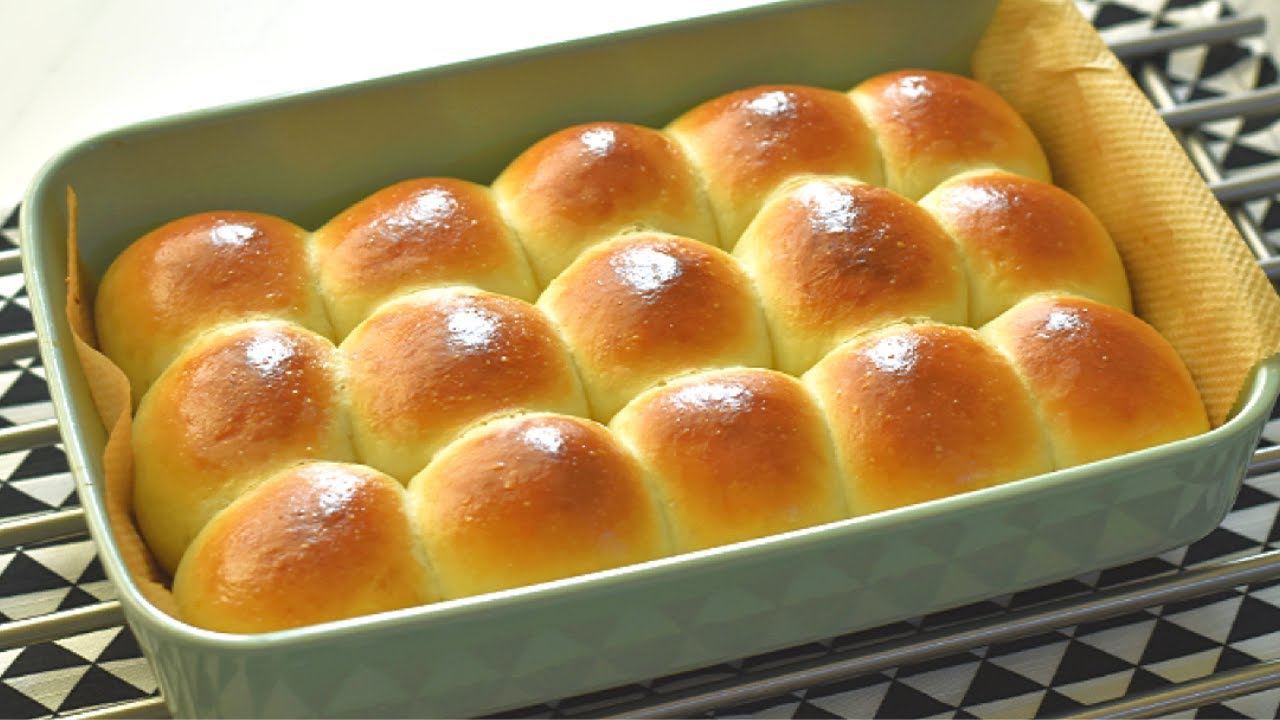
Bread Roll Recipe: Bread rolls are one of those snacks that never fail to win hearts. Whether it’s a rainy day, a tea-time gathering, or a festive celebration, these crispy, golden-brown delights have a way of making any occasion feel special. Essentially, a bread roll consists of a flattened slice of bread wrapped around a flavorful filling, sealed, and then cooked until golden. The beauty of bread rolls lies in their versatility—you can keep them vegetarian, make them with meat, go spicy, or even turn them into sweet treats.
For many people, bread rolls evoke nostalgia. They’re a popular street food in many parts of the world, especially across South Asia, where you’ll find vendors frying up batches served with tangy chutneys. In Western countries, bread rolls might take on different forms—baked with cheese, stuffed with savory fillings, or even served as sandwich-style rolls.
One reason bread rolls are so beloved is how easy they are to prepare. You don’t need fancy baking skills, expensive equipment, or rare ingredients. Most households already have bread in the pantry, and the fillings can be made from leftovers, seasonal vegetables, or pantry staples. It’s also a great recipe for involving kids in the kitchen—they can help flatten bread slices, add fillings, and shape the rolls.
In this guide, we’re going to walk through every detail you need to know—from picking the right bread to achieving the perfect crunch. By the time you finish reading, you’ll be confident enough to whip up bread rolls that look, smell, and taste just like they came from your favorite café. So, grab your bread, ready your fillings, and let’s roll (pun intended).
Essential Ingredients for Bread Rolls
When it comes to making bread rolls, the ingredients you choose will make or break the recipe. While the list is short and straightforward, using the right quality and proportion ensures your rolls turn out crispy on the outside and flavorful inside.
1. Bread for the Base – The hero of the recipe. You can use white bread, whole wheat, or multigrain depending on your preference. The bread should be soft and fresh so it can be flattened without cracking. Avoid stale bread—it tends to break when rolling.
2. Filling Options – This is where creativity comes in. Popular choices include mashed potatoes, sautéed vegetables, chicken, minced meat, or even scrambled eggs. You can also mix and match fillings, like potato with cheese or chicken with mushrooms, for a richer taste.
3. Spices and Seasoning – Even the best filling will taste bland without the right spices. For Indian-style bread rolls, you might add turmeric, red chili powder, cumin, and garam masala. For a more continental flavor, you can use herbs like oregano, basil, and thyme. Don’t forget salt—it’s the simplest flavor enhancer.
4. Binding Agents – Some fillings, especially veggie ones, can be crumbly. Adding a small amount of grated cheese or a spoonful of mayonnaise can help hold the filling together.
5. Cooking Medium – If frying, a neutral oil like sunflower or canola works best. If baking, you’ll just need a light brush of oil or butter.
The beauty of bread rolls is that you can swap ingredients depending on what’s in your pantry. They’re budget-friendly, easy to customize, and still taste fantastic with simple fillings.
Choosing the Right Bread for Rolls
The bread you choose can completely change the texture and flavor of your rolls. For instance, white bread is soft, easy to shape, and gives that classic crispiness when fried. Whole wheat bread is slightly firmer, offers more fiber, and gives a nutty taste. Multigrain bread can add texture but may not roll as smoothly as plain bread.
Freshness Matters – Always use fresh bread. Bread that’s even slightly stale will crack when flattened and may absorb more oil during frying, making your rolls greasy instead of light. If you’re planning to make bread rolls for guests, buy the bread on the same day or the evening before.
Size and Thickness – Regular sandwich bread works perfectly. Avoid bread that’s too thick or artisan loaves with a hard crust—they don’t shape well for this recipe.
Softness Check – Press the bread lightly with your fingers; it should spring back but feel soft. If it’s too dry, sprinkle a little water over it and keep it covered with a damp cloth before rolling.
Pro Tip – If you want your rolls extra crispy, try using slightly dry bread and baking them instead of frying. This gives a crunch without excessive oil absorption.
Remember, the bread is like the wrapping paper on a gift—the better it is, the more enjoyable the surprise inside will be.
Preparing the Perfect Filling
The filling is the heart of a bread roll, and a well-made filling can take your snack from “nice” to “wow!” The trick is to balance texture, flavor, and moisture. You want the filling to be flavorful but not soggy, as excess moisture can make the bread fall apart.
Popular Veggie Fillings – The classic choice is spiced mashed potatoes. To make this, boil potatoes, mash them, and sauté with onions, green chilies, coriander, and spices. You can also add carrots, peas, and corn for variety.
Meat and Cheese Fillings – For a richer snack, use shredded chicken mixed with mayo, minced meat with herbs, or even tuna with cream cheese. Just make sure the meat is cooked and seasoned well before stuffing.
Creative Fusion Fillings – Think outside the box. Try pizza-style filling with mozzarella, tomato sauce, and oregano, or Mexican-style with beans, jalapeños, and cheddar. Sweet versions could include Nutella with banana slices or cream cheese with jam.
Texture Balance – Add something creamy (like cheese) and something with a bite (like corn kernels or capsicum) for a more interesting mouthfeel.
A good filling should be pre-cooked and cooled before being placed in the bread. This prevents sogginess and helps the roll hold its shape better.
Step-by-Step Guide to Making Bread Rolls
Making bread rolls is straightforward, but following each step carefully will give you the best results. Here’s the complete process:
Step 1 – Flattening the Bread
Take a fresh slice of bread and cut off the crusts for easier rolling. Use a rolling pin to gently flatten it without tearing. The thinner the bread, the easier it will be to shape and seal later.
Step 2 – Adding the Filling
Place a spoonful of your prepared filling in the center of the bread. Don’t overfill—too much will cause the roll to burst while cooking. Keep the edges clear for sealing.
Step 3 – Shaping the Rolls
Carefully fold the bread over the filling and pinch the edges together. Roll it gently between your palms to form a tight cylinder or oval. To ensure it stays sealed, you can dab the edges with a bit of water before pressing them together.
Step 4 – Cooking Methods
- Frying – Heat oil in a pan over medium flame. Fry the rolls until golden brown, turning them so they cook evenly.
- Baking – Brush the rolls with butter or oil, place on a baking tray, and bake at 180°C (350°F) for 12–15 minutes or until golden.
- Air Frying – Spray with oil and air fry at 180°C for about 8–10 minutes, flipping halfway for even crispiness.
The choice of cooking method depends on your preference—frying gives maximum crunch, while baking and air frying are healthier options.
Pro Tips for Perfect Bread Rolls
Even though bread rolls are simple, a few small tweaks can make them restaurant-worthy.
Avoiding Soggy Bread
The biggest issue people face is soggy rolls. This usually happens if the filling is too wet or the bread is too thin. To prevent this, ensure your filling is cooled and drained before stuffing. You can also dust the bread lightly with breadcrumbs before filling to absorb excess moisture.
Enhancing the Crunch Factor
For frying, always heat your oil properly before adding the rolls—lukewarm oil will make them greasy. For baking or air frying, brushing with a mix of butter and a little oil helps achieve a golden, crispy exterior.
Sealing the Rolls Properly
A well-sealed roll won’t open during cooking. Use water or a paste made from flour and water as a natural “glue” for sealing.
Serving Immediately
Bread rolls are best served hot and fresh. If you leave them too long, the bread will soften and lose its crunch.
Following these tips ensures every bite is crispy on the outside and perfectly flavorful inside.
Variations of Bread Rolls
Bread rolls are wonderfully versatile, and you can adapt them for different tastes and occasions.
Sweet Bread Rolls
These are perfect for breakfast or dessert. Fill bread with Nutella, peanut butter, cream cheese with jam, or custard. Sprinkle with powdered sugar after cooking for an extra treat.
Savory Bread Rolls
Classic potato rolls, cheesy chicken rolls, or spiced vegetable rolls are ideal for snacks or party appetizers. You can also experiment with flavors like pesto and mozzarella, or spinach and feta.
Regional Bread Roll Styles
- Indian-Style Bread Rolls – Usually filled with spiced mashed potatoes and served with green chutney.
- Japanese Katsu Bread Rolls – Filled with fried chicken cutlets and shredded cabbage.
- European-Style Bread Rolls – Stuffed with ham, cheese, and herbs, often baked instead of fried.
This flexibility is what makes bread rolls so popular—they can fit into almost any cuisine or occasion.
Serving Suggestions
A bread roll is never complete without the right accompaniments.
Best Dips and Sauces
- Green chutney or mint yogurt dip for Indian-style rolls.
- Tomato ketchup or chili sauce for a classic snack.
- Garlic aioli or creamy ranch for a Western twist.
Perfect Pairings for Meals
- Serve as a side with soups, like tomato or creamy mushroom soup.
- Pair with a fresh salad for a balanced meal.
- Offer alongside grilled meats or barbecues as a tasty starter.
Presentation also matters—serve them on a platter lined with lettuce leaves and garnish with herbs for that restaurant-style look.
Storing and Reheating Bread Rolls
Bread rolls are best enjoyed fresh, but you can store them for later if needed.
Short-Term Storage
If you plan to eat them within a day, store cooked rolls in an airtight container at room temperature. Reheat in an oven or air fryer to restore crispiness.
Freezing Bread Rolls for Later
- Before Cooking – Shape the rolls, place them on a tray, and freeze. Once solid, transfer to a freezer bag. Cook straight from frozen, adding a few extra minutes to the time.
- After Cooking – Cool completely before freezing. Reheat in an oven at 180°C for about 10–12 minutes to bring back the texture.
Avoid reheating bread rolls in the microwave—it makes them chewy and soggy.
Healthier Alternatives for Bread Rolls
If you love bread rolls but want to make them lighter and more nutritious, there are plenty of healthier twists you can try without compromising flavor.
Baking Instead of Frying
Frying gives bread rolls a delicious crunch, but it also adds extra oil and calories. Baking is a great alternative—just brush the rolls lightly with olive oil or melted butter and bake them at 180°C (350°F) until golden. You’ll get a satisfying crunch without deep frying. Air frying is another great option for an even lighter version.
Using Whole Grain Bread
Switching from white bread to whole wheat or multigrain bread boosts fiber content and keeps you feeling fuller for longer. Whole grain bread also adds a nutty flavor that pairs well with savory fillings.
Healthier Fillings
You can swap heavy cheese and fried fillings for roasted vegetables, lean chicken, or plant-based proteins like tofu. Adding spinach, mushrooms, or bell peppers can increase the nutrient value without sacrificing taste.
Low-Fat Cooking Tips
- Use a non-stick pan to minimize oil usage.
- Brush oil instead of pouring it into the pan.
- Avoid adding mayonnaise or heavy cream to fillings—opt for Greek yogurt as a healthier alternative.
Healthy doesn’t have to mean boring—these tweaks still let you enjoy crispy, delicious bread rolls without the guilt.
Common Mistakes and How to Avoid Them
Even though bread rolls are simple, there are a few pitfalls to watch out for:
Overstuffing the Bread
It’s tempting to pack in as much filling as possible, but overstuffing will make the bread tear and the rolls open while cooking. Use just enough to cover the center of the bread without bulging.
Wrong Cooking Temperature
If your oil is too cold, the bread will soak it up and turn greasy. If it’s too hot, the outside will burn before the inside is heated through. Maintain medium heat for frying. For baking, preheat your oven to ensure even cooking.
Using Wet Fillings
Excess moisture from vegetables, sauces, or meats can make the bread soggy. Always drain or cook off liquid before stuffing.
Not Sealing Properly
A poorly sealed roll will unravel while cooking. Use water or a flour paste to seal edges tightly.
By avoiding these mistakes, your bread rolls will always turn out perfectly golden and crisp.
Nutritional Information
The nutritional content of bread rolls varies based on the bread type, filling, and cooking method.
Approximate values for one fried potato bread roll (white bread):
- Calories: 180–200 kcal
- Carbohydrates: 25–30 g
- Protein: 4–6 g
- Fat: 8–10 g
Healthier version (baked, whole wheat bread, veggie filling):
- Calories: 120–140 kcal
- Carbohydrates: 20–22 g
- Protein: 5–7 g
- Fat: 3–4 g
If you’re on a specific diet—like low-carb or high-protein—opt for whole grain bread and lighter fillings like grilled chicken, boiled eggs, or tofu. Reduce cheese or use low-fat versions.
Bread Roll Recipe – Detailed Cooking Chart
| Step | Method | Time Required | Notes |
|---|---|---|---|
| Flatten Bread | Rolling Pin | 1 min/slice | Cut crusts for easier rolling |
| Prepare Filling | Stovetop | 10–15 min | Cool before stuffing |
| Shape Rolls | Hands | 2–3 min/roll | Seal with water or flour paste |
| Fry | Pan + Oil | 3–4 min each | Medium heat for even cooking |
| Bake | Oven 180°C | 12–15 min | Brush with butter or oil |
| Air Fry | Air Fryer | 8–10 min | Flip halfway through |
This chart makes it easy to follow along and keep your preparation on track.
FAQs about Bread Roll Recipe
1. Can I Make Bread Rolls Ahead of Time?
Yes. Prepare and shape them, store in the fridge, and cook when ready.
2. Can I Use Gluten-Free Bread?
Yes, but gluten-free bread is more fragile—flatten gently and handle with care.
3. What’s the Best Oil for Frying?
Neutral oils like sunflower, canola, or vegetable oil work best.
4. How Do I Keep Bread Rolls Crispy?
Serve immediately and avoid covering them tightly while hot.
5. Can I Make Bread Rolls Without Cooking Oil?
Yes, bake or air fry them for an oil-free version.
Conclusion
Bread rolls are one of those snacks that bridge cultures, tastes, and occasions. They’re easy to make, incredibly versatile, and can be customized endlessly—whether you want them indulgent and cheesy or light and healthy. With the step-by-step guide above, you now have everything you need to make perfect bread rolls at home. Remember to keep your fillings balanced, seal your rolls well, and choose the right cooking method for your needs. Serve them hot, pair them with your favorite dips, and enjoy every crispy bite.